Visualizar na parede
 Compartilhar
 Compartilhar
 Detalhes
 Guia
Guia

 Baixar imagem
 Semelhantes
 Raio X
 Ver diaporama
 Q&A
Q&A Estatísticas
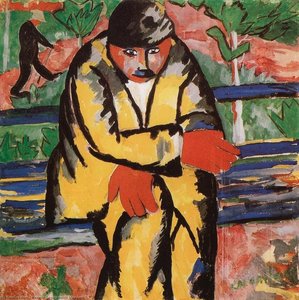
On the Boulevard 1


A striking Fauvist portrait of a man in a yellow jacket by Kazimir Malevich captures the vibrant energy of early 20th-century urban life and invites you to bring this bold piece of modern art history into your home.
 Ler mais
Kazimir Malevich (1878-1935): pioneiro da arte abstrata russa, fundador do Suprematismo e visionário que revolucionou a pintura com formas geométricas e pura emoção.
Giclée / Impressão de Arte
Impressão giclée ou em tela de qualidade de museu, com produção rápida e opções flexíveis de acabamento. ( Comprar pintura feita à mão Alternar para Imagem Digital)




P118B €10

P118H €10

P118W €10

P438Z €10

P508JH €12

P508YH €12

P805H €10

P805Z €10

P919BZ €10

P919G €10

P919XJ €10

P959ZH €10

P968JZ €12

W106C €8

W218G €10

W218JH €8

W218Y €10

W307PJ €10

W316G €10

W316PJ €8

W316Y €10

W398PJ €8

W4111J €10

W500HY €15

W500JH €15

W692G €12

W849H €8

W940BG €15

W953PJ €8




Tamanho padrão
personalizado
CM
INCH
Escolha entre os nossos tamanhos pré-definidos que respeitam as proporções originais da obra de arte.
Loading sizes...

largura
altura
Insira a largura e a altura desejadas para se ajustarem à sua moldura ou parede. Uma impressão pode ser apenas cortada, nunca ampliada além da imagem original; portanto, um tamanho com proporções diferentes resultará na perda de parte da imagem. Enviamos uma maquete digital para sua aprovação antes de realizarmos a impressão. A imagem exibida nesta página não mostra o corte real — apenas a maquete o faz.
Entrega mundial () em 2 semanas, em vez das 4/5 semanas padrão. (2 Novembro)

Envio expresso gratuito para todo o mundo

Tela de Linho de Alta Qualidade

Seguro de transporte completo

Garantia de Reembolso de Impostos Alfandegários

Garantia de Fidelidade Cromática

Política de Devolução em 100 Dias (Apenas para Defeitos)

Garantia de reembolso de 100%

Oferta de desconto por quantidade
 A opção de vidro está disponível apenas para tamanhos inferiores a 110 cm

On the Boulevard 1
Giclée / Impressão de Arte
Tamanho da Reprodução
-


Preço Total
€ 61
A Fragmented Gaze: The Vibrant Soul of On the Boulevard
In the bustling transition between the nineteenth and twentieth centuries, few artists captured the electric tension of modernity quite like Kazimir Malevich. His masterpiece, On the Boulevard, serves as a breathtaking window into an era defined by radical change and the breaking of traditional boundaries. At first glance, the viewer is met with a striking portrait of a gentleman, seated with a quiet, contemplative gravity upon a park bench. Dressed in a vivid yellow jacket that commands immediate attention, his presence is anchored by the bold contrast of red gloves, creating a focal point that feels both intimate and monumental. Yet, as one lingers on the canvas, the scene begins to dissolve and reform; the man is not merely a subject in a landscape, but a central figure within a complex, geometric dance of color and form.
The technique employed here is a masterful dialogue between Fauvism and the burgeoning language of Cubism. Malevich does not seek to replicate the photographic reality of a Parisian or Russian street scene; instead, he utilizes fragmented planes and a daringly saturated palette to evoke the sensory experience of urban life. The brushwork, though controlled, possesses an energetic texture that breathes life into the composition. By deconstructing the environment into essential shapes—squares, rectangles, and sweeping curves—Malevich invites the collector to look beyond the surface. This approach transforms a simple moment of repose into a profound exploration of how light, color, and structure intersect to create our perception of reality.
The Intersection of Tradition and Avant-Garde
To understand On the Boulevard is to understand the heartbeat of the Russian avant-garde. Created during a period when Malevich was experimenting with various European influences, the painting acts as a bridge between the representational traditions of the past and the pure abstraction of his later Suprematist period. The presence of secondary figures in the background—subtly integrated into the rhythmic patterns of the composition—adds a layer of narrative depth, suggesting the collective pulse of a society in motion. There is a deliberate tension here: the subject’s stillness contrasts sharply with the dynamic, almost aggressive, application of color, mirroring the psychological state of an era caught between old-world stability and new-world chaos.
For the discerning interior designer or art enthusiast, this piece offers more than mere decoration; it provides a sophisticated focal point that stimulates intellectual curiosity. The bold interplay of primary hues—the sun-drenched yellow and the passionate red—makes it an ideal centerpiece for modern, minimalist, or eclectic spaces. A high-quality reproduction of this work allows the heavy textures and emotive power of Malevich’s vision to inhabit a contemporary home, bringing with it a sense of historical weight and artistic rebellion. It is an invitation to dwell within a moment of fragmented beauty, where every stroke tells a story of a world being reimagined.
Perguntas e Respostas
Onde posso baixar "On the Boulevard 1", de Kazimir Malevich?
"On the Boulevard 1", de Kazimir Malevich pode ser descarregado na página de Download da obra, como download de imagem digital em alta resolução.
Qual é o tom emocional de "On the Boulevard 1", de Kazimir Malevich?
"On the Boulevard 1", de Kazimir Malevich transmite um tom emocional Reflective.
De que técnica é feita a obra "On the Boulevard 1"?
A técnica de "On the Boulevard 1", de Kazimir Malevich é Acrylic On Canvas. As reproduções visam reproduzir a aparência desta técnica.
Obras Relacionadas




Biografia do Artista
Kazimir Malevich: Um Pioneiro da Arte Abstrata
Kazimir Severinovich Malevich, nascido em 1878 na região de Kyiv, Ucrânia, é uma figura central e revolucionária na história da arte do século XX. Sua trajetória artística, marcada por uma busca incessante pela pureza formal e pela expressão de emoções através de formas geométricas, o consagrou como um dos fundadores do Suprematismo e um precursor fundamental da arte abstrata. A sua vida e obra refletem uma profunda transformação na percepção estética, desafiando as convenções tradicionais e abrindo novos caminhos para a criação artística.Primeiros Anos e Influências
A infância de Malevich, passada em meio à paisagem rural ucraniana, foi fundamental para o desenvolvimento do seu olhar artístico. A beleza da natureza, os costumes folclóricos e a simplicidade da vida no campo despertaram nele um interesse pela arte e pela expressão visual. Após completar seus estudos na Escola de Agricultura em Parjómovka, sua paixão pela pintura o levou a buscar formação artística em Kyiv, onde iniciou seus primeiros trabalhos. A influência do Impressionismo, do Simbolismo e do Fauvismo foi crucial nessa fase inicial, fornecendo-lhe as ferramentas técnicas e estéticas para explorar novas possibilidades expressivas. Um ponto de virada decisivo na sua trajetória foi a viagem a Paris em 1912. A exposição de obras de Picasso e outros artistas vanguardistas europeus o expôs às últimas tendências da arte moderna, despertando nele um desejo de romper com as tradições e buscar uma linguagem artística totalmente nova. A influência do Cubismo, com sua fragmentação da realidade e sua exploração das formas geométricas, foi particularmente importante para a sua evolução estética.Desenvolvimento Artístico e Movimento Suprematista
Ao retornar à Rússia, Malevich começou a desenvolver um estilo próprio, caracterizado pela abstração geométrica e pela busca por uma expressão puramente emocional. Em 1915, ele lançou o movimento Suprematismo, que se baseava na ideia de que a arte deveria transcender a representação do mundo visível e buscar a “supremacia do sentimento puro” através das formas geométricas básicas – quadrados, círculos, retângulos e linhas. O Suprematismo rejeitava qualquer tentativa de representar objetos ou cenas da realidade, focando-se na pureza formal e na expressividade das cores. A obra mais emblemática desse período é o "Quadrado Negro sobre Fundo Branco" (1915), uma pintura que causou grande impacto na época e é considerada um marco fundamental da arte abstrata. O quadrado preto, isolado em um fundo branco, representa a eliminação de toda referência ao mundo exterior e a busca por uma experiência estética pura. Outras obras importantes do Suprematismo incluem "White on White" (1918), que explora a pureza das formas e cores em sua forma mais radical, e "House under Construction" (1916), que utiliza formas geométricas para representar a arquitetura e o espaço urbano.Legado Histórico e Significado
Apesar de ter sido marginalizado durante o período stalinista, devido à sua abordagem não-conformista e à sua rejeição da propaganda ideológica, Malevich deixou um legado duradouro na história da arte. Sua obra influenciou profundamente o desenvolvimento do Minimalismo e de outras correntes artísticas abstratas, tanto na Rússia quanto no Ocidente. A sua busca pela pureza formal e pela expressão emocional continua a inspirar artistas contemporâneos, que encontram em seu trabalho um exemplo de liberdade criativa e de desafio às convenções estéticas. Malevich não apenas revolucionou a linguagem da pintura, mas também questionou os fundamentos da arte e da percepção visual. Sua obra nos convida a repensar o papel do artista e do espectador, e a explorar as possibilidades infinitas da abstração como forma de expressão. Kazimir Malevich é, sem dúvida, um dos artistas mais importantes e influentes do século XX, cuja visão inovadora continua a ressoar no mundo da arte contemporânea.
Kazimir Malevich
1878 - 1935 , Ucrânia
Dados Rápidos
- Artistic Movement Or Style: Suprematismo, Arte abstrata
- Artists Or Movements Influenced By This Artist:
- Minimalismo
- Construtivismo
- El Lissitzky
- Artists Who Influenced This Artist:
- Cubismo
- Fauvismo
- Impressionismo
- Date Of Birth: 1879
- Date Of Death: 1935
- Full Name: Kazimir Severinovich Malevich
- Nationality: Ucraniano/Russo
- Notable Artworks:
- Quadrado Negro
- Branco sobre Branco
- Casa em construção
- Place Of Birth: Kyiv, Ucrânia
Artigos Relacionados

Crimson Threads of Narrative: Exploring Symbolism & Representation in Artworks Featuring the Red Dress
Explore the rich symbolism of the red dress in art history! From ancient power displays to iconic portraits like Cézanne’s 'Madame Cezanne', discover the cultural and artistic significance behind this captivating color. Expert analysis & insights.
As 10 Obras-Primas Mais Famosas em Tons de Ocre Amarelo | TopImpressionists
Descubra as 10 pinturas mais icônicas dominadas pelo ocre amarelo! Explore a história de Van Gogh, Monet e outros mestres. Encontre reproduções de arte de alta qualidade para decorar sua casa com TopImpressionists.com.
As 10 Obras Mais Famosas Dominadas pelo 'Amarelo Cromo': Arte e Decoração
Descubra as 10 pinturas mais famosas dominadas pelo vibrante 'amarelo cromo'! Explore a história de Van Gogh, Monet e outros mestres. Encontre reproduções de arte exclusivas para decorar sua casa com elegância em TopImpressionists.com.

Mark Rothko: As 25 Obras-Primas que Definem um Ícone da Arte Abstrata | TopImpressionists
Descubra as 25 obras-primas de Mark Rothko, ícone do expressionismo abstrato. Explore a história, cores e emoção por trás de cada tela. Reproduções de arte exclusivas para sua casa em TopImpressionists.com.

Abstração Geométrica: 10 Obras-Primas que Moldaram a Arte Moderna | TopImpressionists.com
Descubra as 10 obras-primas da Abstração Geométrica que revolucionaram a arte moderna! Explore Kandinsky, Mondrian e outros artistas icônicos. Encontre reproduções de alta qualidade para decorar sua casa com TopImpressionists.com.
Explore obras de arte organizadas por temas, estilos e características.