

Shown: · With its frame:
 Visualizar na parede
 Compartilhar
 Compartilhar
 Detalhes
 Guia
Guia

 Baixar imagem
 Semelhantes
 Raio X
 Ver diaporama
 Q&A
Q&A Estatísticas
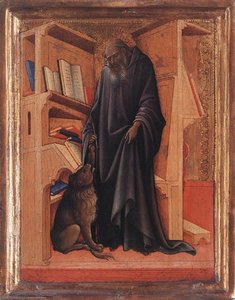
Diptych: St Jerome Painted by hand in oil, brushstroke by brushstroke
 Oil On Panel
- International Gothic Renaissance
 1420
1420- Renaissance
 32.0 x 18.0 cm
 Rijksmuseum
€ 237
Reprodução em Óleo Feita à Mão
Óleo sobre tela pintado à mão no tamanho e moldura de sua escolha, feito sob encomenda pelos nossos artistas. ( Alternar para Impressão Alternar para Imagem Digital)
Size
·Tamanho padrão
personalizado
CM
INCH
Escolha entre os nossos tamanhos pré-definidos que respeitam as proporções originais da obra de arte.
Loading sizes...

largura
altura
Insira a largura e a altura desejadas para se ajustarem à sua moldura ou parede. Como esta obra é pintada à mão, para um tamanho com proporções diferentes, o artista poderá pintar um pouco mais ao redor da imagem ou reduzir ligeiramente a composição — você escolhe. Enviamos uma maquete digital para sua aprovação antes de iniciar a pintura. A imagem exibida nesta página não representa o resultado real — apenas a maquete mostra o resultado final.
 Leia mais
Finish
·
White €1

Blurside €1

Extended €1

P118B €10

P118H €10

P118W €10

P438Z €10

P508JH €12

P508YH €12

P805H €10

P805Z €10

P919BZ €10

P919G €10

P919XJ €10

P959ZH €10

P968JZ €12

W106C €8

W218G €10

W218JH €8

W218Y €10

W307PJ €10

W316G €10

W316PJ €8

W316Y €10

W398PJ €8

W4111J €10

W500HY €15

W500JH €15

W692G €12

W849H €8

W940BG €15

W953PJ €8

H24-GOLD €30

H24-SILVER €30

H36-GOLD €45

H36-SILVER €45
Shipped in a protective tube, ready for your own framer.
Above 105 cm the frame is shipped as a kit for a professional framer — read the details.
Extras
optionalWhat do the extras include?
Examples of what can be changed: Replace face with customer photo; Add pet (e.g., replace cat with dog); Include hidden message in background; Change background landscape or elements.
After order, TopImpressionists.com team will email client for instructions and provide a mockup preview
After order, TopImpressionists.com team will email client for instructions and provide a mockup preview
Entrega mundial () em 3 a 4 semanas, em vez das 5 semanas padrão. (29 Outubro). Sem comprometer a qualidade.
Verniz de Proteção
Etiqueta de identificação
Detalhes da Placa de Bronze Gravada
This elegant plaque features the artist's name and the title of the artwork, finely engraved for a timeless presentation.
It is made from bronze with a refined, elegant finish. The text is precisely laser-engraved for a sharp and permanent result. Measuring 9x2 cm, the plaque is compact yet easy to read. It's built to be durable and scratch-resistant, offering a professional, museum-quality look. Mounting is simple thanks to the included adhesive backing.
Detalhes da Placa de Acrílico Transparente
The plaque includes essential engraved details such as the artist's name, the title of the artwork, the date it was created, the type of media used-like oil on canvas or watercolor-a brief description of the piece, and a QR code that links to the complete artwork information.
It is crafted from clear acrylic, offering a sleek, modern appearance. The text is UV-engraved in black to ensure strong visual contrast. With a size of 10x15 cm, it ensures optimal readability. It comes equipped with two metal hooks for secure wall mounting. The plaque is designed to be weather-resistant, making it suitable for various environments, and it includes interactive features that work seamlessly with smartphone scanning.
Detalhes da Placa de Acrílico Preto
This elegant plaque includes engraved information such as the artist's name, the title of the artwork, the date it was created, the type of media used (like oil on canvas or watercolor), a short description of the artwork, and a QR code for quick access to more information.
The plaque itself is made from refined black acrylic with a premium finish. The text is laser-engraved in white for high contrast and readability. Its size is 10x15 cm, designed to be easy to read. It comes with two metal hooks for professional mounting. The design is sleek and fits any interior style. It is also weather-resistant and durable, with built-in digital integration for mobile compatibility.
A opção de vidro está disponível apenas para tamanhos inferiores a 110 cm
 A opção de vidro está disponível apenas para tamanhos inferiores a 110 cm
- Envio expresso gratuito para todo o mundo
- Tela de Linho de Alta Qualidade
- Seguro de transporte completo
- Garantia de Reembolso de Impostos Alfandegários
- Garantia de Fidelidade Cromática
- Política de Devolução em 100 Dias (Apenas para Defeitos)
- Garantia de reembolso de 100%
- Oferta de desconto por quantidade


Descrição do Item
Lorenzo Monaco’s 1420 ‘Diptych: St Jerome’ showcases the Florentine monk's Gothic style and humanist ideals with a contemplative depiction of St. Jerome surrounded by books and a lion. Discover this exquisite Renaissance panel and bring its timeless beauty into your collection.
Biografia do Artista
Descubra Lorenzo Monaco (1370-1425), pintor florentino que une elegância gótica e inovação renascentista precoce. Explore suas obras religiosas iluminadas e seu estilo único – um verdadeiro legado artístico!
About the painting
A Window into Florentine Spirituality: The Significance of Lorenzo Monaco's St Jerome
Lorenzo Monaco’s “Diptych: St Jerome,” painted around 1420, stands as a testament to the burgeoning Renaissance spirit – specifically its reverence for monastic contemplation and intellectual pursuit. Produced in Florence during a period of transformative artistic change, this small panel exemplifies Monaco's distinctive style, blending Gothic influences with emerging humanist ideals.
The artwork depicts St Jerome, the patron saint of scholars and translators, seated at a lectern surrounded by books and accompanied by a lion—a symbol of courage and loyalty. This carefully orchestrated composition speaks volumes about Monaco’s worldview: he wasn't merely portraying a biblical figure; he was conveying an ethos of devotion intertwined with erudition.
Technical Brilliance and Gothic Legacy
Monaco employed tempera on panel, a technique favored by Florentine artists of the time. This medium allowed for luminous colors and subtle gradations—characteristics that contribute to the painting’s ethereal quality. Notably, Monaco skillfully utilized flowing draperies reminiscent of Gothic art, demonstrating an awareness of artistic traditions while simultaneously forging his own path.
The meticulous detail evident in every element – from the textured lion's fur to the meticulously rendered books—underscores Monaco’s mastery of observation and representation. He achieved a remarkable balance between realism and symbolic expression, capturing not only the physical appearance of St Jerome but also his inner state.
Symbolism: Lion, Book, and the Pursuit of Wisdom
The lion beside St Jerome is more than just an animal; it represents steadfastness and faithfulness—qualities deeply valued in monastic life. The books symbolize St Jerome’s dedication to translating scripture into Latin, a task considered crucial for preserving Christian dogma. Together, these elements encapsulate the Renaissance ideal of integrating faith and reason.
Furthermore, Monaco's depiction of St Jerome as a scholar reflects the humanist fascination with classical learning and intellectual inquiry that was gaining momentum in Florence during this era. He wasn’t simply illustrating a biblical narrative; he was articulating a profound philosophical statement about the importance of knowledge and spiritual contemplation.
Emotional Resonance: A Portrait of Inner Peace
Despite its diminutive size, “Diptych: St Jerome” possesses an arresting emotional impact. Monaco's masterful use of light and shadow creates a sense of serenity and introspection—drawing viewers into the saint’s contemplative gaze. The painting invites contemplation on themes of humility, piety, and the transformative power of faith.
As part of a larger diptych alongside “Madonna of Humility,” Monaco's St Jerome exemplifies the Renaissance commitment to portraying religious subjects with dignity and grace—a legacy that continues to inspire artists and collectors alike. It remains a poignant reminder of the enduring beauty found in spiritual reflection.
Perguntas e Respostas
O que "Diptych: St Jerome", de Lorenzo Monaco retrata e qual é a sua atmosfera?
"Diptych: St Jerome", de Lorenzo Monaco combina saint jerome, biblical figure, monastery study, lion companion, book illustration, renaissance art, religious symbolism com uma atmosfera Elegant.
Quão clara é a obra "Diptych: St Jerome" no geral?
Em termos de luminosidade percebida, "Diptych: St Jerome", de Lorenzo Monaco é balanced.
"Diptych: St Jerome", de Lorenzo Monaco, está em domínio público? E por quê?
"Diptych: St Jerome", de Lorenzo Monaco está em em domínio público — seus direitos autorais expiraram. O período de direitos autorais conta a partir do falecimento do artista, ocorrido em 1425.
Quick facts and art quiz
About Lorenzo Monaco

Lorenzo Monaco
1370 - 1425, Itália
Biografia do Artista
A Visão de um Monge Florentino: O Mundo de Lorenzo Monaco
Lorenzo Monaco, nascido Piero di Giovanni por volta de 1370 em Siena, ocupa uma posição fascinante e crucial na transição da graça gótica do Trecento para os ideais emergentes do Renascimento no Quattrocento. Embora os detalhes biográficos permaneçam escassos, sua jornada artística revela uma história envolvente de adaptação, inovação e uma espiritualidade profundamente sentida. Aprendiz em Florença, ele absorveu as lições de mestres como Giotto, Spinello Aretino e Agnolo Gaddi – artistas que estabeleceram uma base de clareesia narrativa e ressonância emocional. No entanto, foi sua adesão à vida monástica em 1390, ao ingressar na ordem camaldulense no Santa Maria degli Angeli, que verdadeiramente moldou sua identidade artística e lhe rendeu o nome pelo qual é mais conhecido: Lorenzo Monaco, ou “Lourenço, o Monge”. Este compromisso com uma existência contemplativa influenciou profundamente o caráter de sua obra, imbuindo-a de uma qualidade introspectiva e um foco em temas devocionais.Fundindo a Elegância Gótica com os Primeiros Sinais do Renascimento
As primeiras obras de Monaco, surgindo na década de 1390, demonstram um domínio magistral do estilo Gótico Internacional, então predominante em toda a Europa. Estas pinturas são caracterizadas por sua elegância refinada, um linearismo delicado e uma paleta inicialmente contida em seu alcance cromático. Contudo, mesmo dentro deste quadro estabelecido, indícios de sua voz artística individual começam a emergir. Ele absorveu influências de contemporâlos como Lorenzo Ghiberti e Gherardo Starnina, incorporando elementos de suas composições sofisticadas e atenção aos detalhes. Com o tempo, o estilo de Monaco evoluiu, tornando-se cada vez mais marcado por figuras alongadas, envoltas em vestimentas sinuosas e fluidas, uma preferência por bordas nítidas e cores vibrantes – particularmente os tons luxuosos de ouro e lápis-lazúli – e uma qualidade de luz sutil, quase etérea. Seus gestos são frequentemente contidos, sugerindo emoções internas em vez de exibi-las abertamente, e seus arranjos espaciais tendem a ser achatados, priorizando a ressonância simbólica sobre o realismo estrito. Ele buscou consistentemente retratar cenas imbuídas de forte valor espiritual, muitas vezes distanciando-se da busca por uma representação puramente naturalista.Obras-Primas de Fé e Inovação ArtísticaPietà, abrigada na Galleria dell'Accademia em Florença, ergue-se como um testemunho de seu domínio precoce, exibindo uma energia nervosa em suas linhas e uma sensação palpável de tensão emocional. A magnífica Coroação da Virgem, que agora adorna a Galeria Uffizi, exemplifica seu estilo maduro – uma tapeçaria vibrante de santos retratados com formas sinuosas e cores deslumbrantes. O Políptico de Monteoliveto, também na Galleria dell'Accademia, revela uma espiritualidade profunda que antecipa o trabalho de Fra Angelico. Talvez uma de suas conquistas mais celebradas seja a Adoração dos Magos (1420-1422), onde seu uso inovador do escorço, embora carente de uma perspectiva geométrica rigorosa, cria uma composição envolvente e visualmente impactante. Seus afrescos na Capela Bartolini Salimbeni representam um de seus poucos trabalhos murais sobreviventes, oferecendo um vislumbre de sua habilidade como decorador de grandes escalas. Estas peças demonstram não apenas brilhantismo técnico, mas também uma compreensão profunda do simbolismo teológico e um compromisso em transmitir narrativas religiosas com clareza e graça.
Uma Ponte Entre Eras
Apesar das correntes artísticas revolucionárias que varreram Florença durante sua vida – particularmente as inovações sem precedentes de Masaccio e Filippo Brunelleschi na perspectiva e no naturalismo – Lorenzo Monaco permaneceu amplamente imune a esses desenvolvimentos. Ele manteve firmemente seu estilo distinto, forjando um caminho único que uniu as tradições do gótico tardio à estética emergente do Renascimento. Giorgio Vasari, ao escrever em suas Vidas dos Artistas, reconheceu o talento de Monaco, ao mesmo tempo em que notou sua morte prematura por uma infecção não identificada por volta de 1425. Embora os detalhes biográficos sejam limitados, suas contribuições para a história da arte são inegáveis. Ele se posiciona como o último expoente significativo do estilo de Giotto, preservando seu legado enquanto incorporava simultaneamente elementos que prenunciavam as transformações artísticas vindouras. Sua ênfase na espiritualidade, nas formas estilizadas e na elegância refinada representa uma estética distinta dentro da pintura florentina, deixando uma marca duradoura nas gerações subsequentes de artistas.Legado e Influência Duradoura
A obra de Lorenzo Monaco continua a cativar os espectadores com sua beleza delicada, piedade profunda e inovações sutis. Ele não foi um revolucionário na mesma linha que Masaccio, mas sua contribuição reside em sua capacidade de sintetizar tradições existentes em um estilo harmonioso e profundamente pessoal. Ele demonstrou que a excelência artística poderia florescer dentro dos limites das convenções estabelecidas, enriquecendo-as com expressão individual e profundidade espiritual. Sua influência pode ser vista no trabalho de artistas posteriores que apreciaram sua técnica refinada e sensibilidade devocional. Hoje, suas pinturas servem como janelas inestimáveis para um momento crucial na história da arte – uma época de transição, experimentação e o poder duradouro da fé expressa através da visão artística.Quick facts about Lorenzo Monaco
- Artistic Movement Or Style: Gótico Internacional
- Artists Or Movements Influenced By This Artist: ['Fra Angelico']
- Artists Who Influenced This Artist:
- Giotto
- Spinello Aretino
- Agnolo Gaddi
- Date Of Birth: c. 1370
- Date Of Death: c. 1425
- Full Name: Piero di Giovanni Monaco
- Nationality: Italiano
- Notable Artworks:
- Coroação da Virgem
- Pietà
- Place Of Birth: Siena, Itália
Explore obras de arte organizadas por temas, estilos e características.


Diptych: St Jerome
·