


 Visualizar na parede
 Compartilhar
 Compartilhar
 Detalhes
 Guia
Guia

 Baixar imagem
 Semelhantes
 Raio X
 Ver diaporama
 Estatísticas
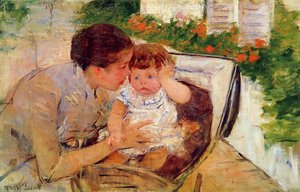
The Boating Party
 Acrylic On Canvas
- WallArt
- Impressionist Domesticity
 1894
1894- 19th Century
 90.0 x 117.0 cm
Mary Cassatt’s ‘The Boating Party,’ an Impressionistic masterpiece from 1894, captures a serene family scene with a man in midnight-blue shoes and a woman holding her baby. Discover this beautiful depiction of domestic tranquility and add it to your collection.
 Ler mais
Descubra Mary Cassatt, a icônica pintora impressionista que capturou a vida íntima das mulheres e crianças com delicadeza e inovação. Explore sua obra única e legado artístico!
Giclée / Impressão de Arte
Impressão giclée ou em tela de qualidade de museu, com produção rápida e opções flexíveis de acabamento. ( Comprar pintura feita à mão Alternar para Imagem Digital)




P118B €10

P118H €10

P118W €10

P438Z €10

P508JH €12

P508YH €12

P805H €10

P805Z €10

P919BZ €10

P919G €10

P919XJ €10

P959ZH €10

P968JZ €12

W106C €8

W218G €10

W218JH €8

W218Y €10

W307PJ €10

W316G €10

W316PJ €8

W316Y €10

W398PJ €8

W4111J €10

W500HY €15

W500JH €15

W692G €12

W849H €8

W940BG €15

W953PJ €8




Tamanho padrão
personalizado
CM
INCH
Escolha entre os nossos tamanhos pré-definidos que respeitam as proporções originais da obra de arte.
Loading sizes...

largura
altura
Insira a largura e a altura desejadas para se ajustarem à sua moldura ou parede. Uma impressão pode ser apenas cortada, nunca ampliada além da imagem original; portanto, um tamanho com proporções diferentes resultará na perda de parte da imagem. Enviamos uma maquete digital para sua aprovação antes de realizarmos a impressão. A imagem exibida nesta página não mostra o corte real — apenas a maquete o faz.
Entrega mundial () em 2 semanas, em vez das 4/5 semanas padrão. (27 Outubro)

Envio expresso gratuito para todo o mundo

Tela de Linho de Alta Qualidade

Seguro de transporte completo

Garantia de Reembolso de Impostos Alfandegários

Garantia de Fidelidade Cromática

Política de Devolução em 100 Dias (Apenas para Defeitos)

Garantia de reembolso de 100%

Oferta de desconto por quantidade
 A opção de vidro está disponível apenas para tamanhos inferiores a 110 cm

The Boating Party
Giclée / Impressão de Arte
Tamanho da Reprodução
-


Preço Total
€ 61
A Moment of Tranquility: Mary Cassatt's "The Boating Party"
Mary Stevenson Cassatt’s “The Boating Party,” painted in 1894, is more than just a charming depiction of a family enjoying a summer afternoon; it’s a poignant meditation on domesticity, connection, and the fleeting beauty of everyday life – hallmarks of Cassatt's distinctive Impressionist style. Measuring 90 x 117 cm, this nearly square canvas captures a scene brimming with quiet intimacy, inviting the viewer to step into the heart of this private moment. The composition immediately draws attention to the lime-green and white rowboat, meticulously rendered with crosshatched pink lines that suggest both texture and movement as it cuts through the azure water.
- Subject Matter: The painting centers on a family – a woman and child in the bow of the boat, and a man rowing – creating a sense of familial warmth and connection.
- Technique: Cassatt’s brushwork is loose and expressive, characteristic of Impressionism, prioritizing the immediate sensation of light and color over precise detail. The use of broken color—small strokes of pure pigment layered upon each other—creates a shimmering effect, particularly noticeable in the reflections on the water and the fabrics of the figures' clothing.
- Color Palette: The dominant palette – greens, blues, and pinks – evokes the tranquility of a summer day by the water, while subtle variations within these hues add depth and complexity to the scene.
Historical Context and Artistic Influences
Painted in 1894, “The Boating Party” reflects Cassatt’s evolving artistic practice during her time in Paris. Having initially been influenced by Realism, she embraced Impressionism fully, seeking to capture the ephemeral qualities of light and atmosphere. This work aligns with a period where American artists were increasingly drawn to French art movements, particularly Impressionism and Post-Impressionism. Cassatt’s subject matter – intimate scenes of women and children – was relatively unconventional for an artist at the time, reflecting her independent spirit and her desire to depict the realities of modern life from a female perspective. Her work is often seen as a precursor to later movements like Neo-Impressionism, with its emphasis on color theory and optical mixing.
Key Influences:- Impressionism: Cassatt’s use of light, color, and loose brushwork is deeply rooted in the Impressionist movement.
- Japanese Prints (Ukiyo-e): She was greatly influenced by Japanese woodblock prints, particularly their flattened perspective, bold compositions, and emphasis on everyday subjects.
Symbolism and Emotional Resonance
Beyond its technical brilliance, “The Boating Party” is rich in symbolic meaning. The man’s posture – bending forward to row the boat with his back to the viewer – creates a sense of detachment and introspection. His partially visible face suggests a quiet contemplation, while the woman and child gaze toward him, perhaps lost in their own thoughts or simply enjoying the shared experience. The wide-brimmed hats worn by both the woman and baby are not merely decorative; they offer protection from the sun, symbolizing care and guardianship. The shoreline, dotted with white houses and red roofs, evokes a sense of idyllic rural life – a retreat from the bustle of the city. The overall mood is one of serene happiness and familial connection, capturing a precious moment in time that resonates deeply with viewers.
Interpretation:- Domesticity: The painting celebrates the beauty and importance of domestic life.
- Family Bonds: It highlights the strong bonds between family members.
- Fleeting Moments: It captures a transient, idyllic scene that emphasizes the value of simple pleasures.
A Timeless Masterpiece – Perfect for Your Collection
TopImpressionists offers meticulously crafted hand-painted reproductions of Mary Cassatt’s “The Boating Party,” allowing you to bring this iconic artwork into your home or office. Available in the specified size (90 x 117 cm), our reproduction faithfully captures the original's delicate brushwork, vibrant colors, and emotional depth. Whether you are an art enthusiast, a collector seeking to expand your collection, or an interior designer looking for a statement piece, this stunning reproduction of “The Boating Party” is sure to be a cherished addition to any space.
Perguntas e Respostas
Qual é a técnica e as dimensões da obra "The Boating Party"?
"The Boating Party" foi realizada em Acrylic On Canvas e mede 90 x 117 cm em sua forma original.
Mary Stevenson Cassatt, criador(a) de "The Boating Party", é conhecido(a) por outros nomes?
Mary Stevenson Cassatt também é conhecido pelos nomes Mary Stevenson Cassatt, Stevenson Cassatt.
Onde posso baixar "The Boating Party", de Mary Stevenson Cassatt?
A imagem de "The Boating Party", de Mary Stevenson Cassatt pode ser baixada na página de download da obra: Download download de imagem digital em alta resolução.
Obras Relacionadas




Biografia do Artista
A Life Dedicated to Impressionism and Domesticity
Mary Stevenson Cassatt, um nome eternamente ligado a representações íntimas de mulheres e crianças dentro do vibrante mundo do Impressionismo tardio, forjou um caminho excepcional como artista americana que descobriu seu santuário artístico na França. Nascida em 22 de maio de 1844, em Allegheny City, Pensilvânia – agora parte de Pittsburgh – a criação de Cassatt foi impregnada de privilégio e de uma consciência cultural cultivada. Sua família, com raízes que remontam aos Huguenotes franceses, valorizava muito a educação e as viagens, instilando em Mary uma perspectiva cosmopolita que moldaria profundamente sua visão artística. Embora as normas sociais frequentemente confinasse as mulheres a esferas domésticas, a mãe de Cassatt, Katherine Kelso Johnston, incentivou ativamente o interesse da filha pela arte, reconhecendo e nutrindo um talento que desafiava a convenção. Esse apoio precoce se mostrou inestimável à medida que Cassatt navegava pelos desafios de seguir uma carreira profissional em um campo dominado por homens.
Da Filadélfia à Imersão Parisiense
O treinamento artístico formal de Cassatt começou na Pennsylvania Academy of the Fine Arts em Filadélfia aos quinze anos, um passo ousado para uma jovem mulher durante a era da Guerra Civil. Apesar de encontrar ceticismo e desencorajamento sutil de alguns instrutores e colegas estudantes, ela perseverou por anos de estudo diligente. No entanto, sentindo-se restrita pelo ritmo deliberado da academia e pelos métodos tradicionais, Cassatt buscou horizontes mais amplos. Um momento decisivo ocorreu em 1866 quando se mudou para Paris, acompanhada por sua mãe e amigos da família como acompanhantes. Essa mudança marcou um ponto de virada no desenvolvimento artístico dela. Ela estudou particular com artistas estabelecidos afiliados à École des Beaux-Arts, incluindo Jean-Léon Gérôme, absorvendo habilidades técnicas ao mesmo tempo em que se imergia na crescente cena artística parisiense. Foi durante este período que Cassatt começou a se inclinar para as ideias inovadoras dos Impressionistas, um grupo desafiando as convenções acadêmicas e buscando capturar os momentos fugazes da vida moderna. Uma conexão particularmente significativa floresceu com Edgar Degas, que reconheceu seu talento excepcional e a convidou a expor junto com o círculo impressionista. Sua ligação se estendeu além da exposição; Degas se tornou um mentor, encorajando a exploração de Cassatt das técnicas de gravura, especialmente o aquatint colorido, que se tornaria uma parte integrante de seu repertório artístico. Ele influenciou profundamente sua composição, particularmente em sua ênfase em arranjos assimétricos e figuras recortadas – elementos que definiriam seu estilo único.
Capturando a Mulher Moderna: Estilo e Temas
O estilo artístico de Cassatt evoluiu para abraçar as características do Impressionismo - pinceladas visíveis, foco na luz e cor e um compromisso em retratar a vida contemporânea. No entanto, ela infundiu seu trabalho com uma clareza e precisão distintas que o diferenciavam de alguns de seus contemporâneos. Ao contrário de muitos artistas masculinos impressionistas que favoreciam paisagens ou a vida noturna parisiense, Cassatt centrou sua arte nas vidas sociais e privadas das mulheres, particularmente mães e crianças. Ela retratava cenas de domesticidade - rituais de banho, festas de chá, momentos de conexão silenciosa - com uma intimidade e profundidade psicológica notáveis. Suas pinturas não são meros retratos da vida cotidiana; são explorações sensíveis dos laços maternais, das relações entre mulheres e das complexidades da mulher moderna. Obras-primas como The Boating Party (1894), The Child’s Bath (em várias versões) e Little Girl in a Blue Armchair exemplificam sua capacidade de capturar momentos fugazes com habilidade técnica e ressonância emocional. Além disso, Cassatt foi profundamente influenciada pelos *ukiyo-e* japoneses em madeira, evidenciado na perspectiva achatada de suas composições, nas escolhas ousadas de cores e na elegância simples. Essa influência japonista adicionou uma camada de sofisticação a seu estilo já distinto, influenciando o uso de padrões e a disposição das formas em um espaço. Ela admirava a maneira como essas gravuras capturavam a vida cotidiana com tanta clareza e graça, qualidades que ela procurava emear em sua própria obra.
Legado e Significado Histórico
As contribuições de Mary Cassatt para o mundo da arte se estendem além de suas pinturas cativantes e gravuras magistrais. Frequentemente reconhecida como uma das “três grandes senhoras” do Impressionismo, juntamente com Berthe Morisot e Marie Bracquemond, ela quebrou barreiras para as artistas mulheres e abriu caminho para futuras gerações. Ela desempenhou um papel vital na ponte entre a arte americana e europeia, apresentando ideias impressionistas ao público americano e contribuindo significativamente para o desenvolvimento da arte americana impressionista. Seu trabalho ofereceu uma representação nuanced e simpática das vidas das mulheres durante um período em que elas eram frequentemente marginalizadas ou estereotipadas na arte. Suas representações da maternidade são particularmente celebradas por sua honestidade e profundidade emocional, desafiando as representações convencionais e celebrando a força e a ternura do amor maternal. Hoje, suas obras são mantidas em prestigiosas museus em todo o mundo, incluindo o Art Institute of Chicago (The Child’s Bath), a National Portrait Gallery em Londres (um retrato de Degas) e inúmeros outros institutos, garantindo que seu legado continue a inspirar e ressoar com públicos em todo o mundo. Ela permanece um símbolo poderoso de independência artística e um testemunho do poder duradouro da arte para iluminar a experiência humana.
Exploração Adicional
- Recursos online: Explore a vida e obra de Mary Cassatt mais a fundo através de recursos como Wikipedia (https://en.wikipedia.org/wiki/Mary_Cassatt) e TopImpressionists.
- Coleções de museus: Descubra suas obras-primas em renomados museus em todo o mundo, incluindo o Art Institute of Chicago e a National Portrait Gallery em Londres.
- Artistas relacionados: Explore as obras de Edgar Degas, Berthe Morisot e Marie Bracquemond para entender o contexto mais amplo do Impressionismo e as contribuições das artistas mulheres durante este período.

Mary Stevenson Cassatt
1843 - 1926 , Estados Unidos da América
Dados Rápidos
- Artistic Movement Or Style: Impressionismo
- Artists Or Movements Influenced By This Artist:
- Edgar Degas
- Impressionismo
- Artists Who Influenced This Artist:
- Jean-Léon Gérôme
- Thomas Couture
- Date Of Birth: 22 de Maio de 1844
- Date Of Death: 14 de Junho de 1926
- Full Name: Mary Stevenson Cassatt
- Nationality: Americana
- Notable Artworks:
- O Banho da Criança
- A Mandolina
- Retrato de Degas
- Place Of Birth: Pittsburgh, USA
Artigos Relacionados

TopImpressionists.com F.A.Q.: Elevate Your Decor with Premium Textured Giclée Prints
Discover the distinction of TopImpressionists.com premium textured Giclée prints. Expertly crafted with archival 12-color pigments and museum-grade substrates, our prints offer unparalleled vividness for the discerning collector seeking luxury, durability, and timeless elegance.
Explore obras de arte organizadas por temas, estilos e características.


