


 Visualizar em escala
 Enviar
 Compartilhar
 Ver detalhes
 Guia de Obras do Aluno

 Baixar imagem
 Semelhantes
 Raio X
 Apresentação de slides
 Estatísticas
Parrot Avenue
 Oil On Canvas
- WallArt
- Impressionism
 1902
1902- 19th Century
 88.0 x 72.0 cm
Experience Max Liebermann's 'Parrot Avenue,' a vibrant Impressionist painting capturing city life & leisure in 1902. Explore loose brushstrokes & luminous colors!
 Ver mais
Max Liebermann (1847-1935): Pintor expressionista alemão, conhecido por cenas de vida moderna, retratos e jardins serenos. Explore sua rica herança artística!
Reprodução em Óleo Feita à Mão
Óleo sobre tela pintado à mão no tamanho e moldura de sua escolha, feito sob encomenda pelos nossos artistas. ( Alternar para Impressão Ver Imagem Digital)




P118B €10

P118H €10

P118W €10

P438Z €10

P508JH €12

P508YH €12

P805H €10

P805Z €10

P919BZ €10

P919G €10

P919XJ €10

P959ZH €10

P968JZ €12

W106C €8

W218G €10

W218JH €8

W218Y €10

W307PJ €10

W316G €10

W316PJ €8

W316Y €10

W398PJ €8

W4111J €10

W500HY €15

W500JH €15

W692G €12

W849H €8

W940BG €15

W953PJ €8




Padrão
sob medida
CM
INCH
Escolha entre os nossos tamanhos pré-definidos que respeitam as proporções originais da obra de arte.
Loading sizes...

largura
altura
Pode inserir as suas próprias dimensões para se adequar a uma moldura ou espaço específico. Se o tamanho selecionado não corresponder às proporções da imagem original, iremos cortar a obra de arte ou estender a pintura com elementos adicionais pintados à mão. Um esboço digital será enviado para sua aprovação antes do início da produção.
Tenha em atenção que a pré-visualização no ecrã não reflete o corte ou extensão real. Apenas o esboço mostrará com precisão a composição final.
Embora tamanhos personalizados estejam disponíveis, recomendamos selecionar uma dimensão da lista predefinida para preservar as proporções originais.
Exemplos do que pode ser personalizado: Substituir o rosto pela foto do cliente; Adicionar um animal de estimação (ex: substituir gato por cão); Incluir uma mensagem oculta no fundo; Alterar a paisagem ou elementos do fundo.
Após o pedido, a equipa TopImpressionists.com enviará um e-mail ao cliente para solicitar instruções e fornecer uma prévia do esboço.
Após o pedido, a equipa TopImpressionists.com enviará um e-mail ao cliente para solicitar instruções e fornecer uma prévia do esboço.
Entrega mundial () em 3 a 4 semanas, em vez das 5 semanas padrão. (8 Outubro). Sem comprometer a qualidade.

Envio expresso gratuito para todo o mundo

Tela de Linho Premium

Seguro de transporte total

Garantia de Reembolso de Impostos Alfandegários

Garantia de Fidelidade de Cor

Política de Devolução em 100 Dias (Apenas para Defeitos)

Garantia de reembolso de 100%

Desconto para múltiplas unidades
 A opção de vidro está disponível apenas para tamanhos inferiores a 110 cm

Parrot Avenue
Técnica de Reprodução
Dimensões da Reprodução
-


Preço Total
€ 339
Parrot Avenue: A Glimpse of Urban Leisure
Max Liebermann's "Parrot Avenue," painted in 1902, is a captivating example of Impressionism that transports viewers to a vibrant scene of urban life. Measuring 88 x 72 cm, this oil on canvas painting depicts a bustling street filled with people enjoying a leisurely afternoon. The artwork’s title refers to the presence of exotic birds – macaws and cockatoos – housed in cages along the avenue, adding an element of spectacle and charm to the everyday scene.
Artistic Style and Influences
"Parrot Avenue" exemplifies Liebermann's mastery of Impressionism. The painting is characterized by loose brushstrokes, a focus on capturing fleeting moments of light and atmosphere, and a vibrant color palette. Liebermann was heavily influenced by Édouard Manet’s spirit and approach to painting, evident in his ability to depict modern life with immediacy and energy. The style shares similarities with other prominent artists like Henri Matisse, showcasing a shared interest in exploring the effects of light and color on perception. Julian Alden Weir's "Summer Afternoon, Shinnecock Landscape" also demonstrates comparable techniques in capturing outdoor scenes and conveying a sense of tranquility.
Subject Matter and Composition
The painting’s composition centers around a long, winding path that draws the viewer into the heart of the scene. People stroll along the avenue, some carrying umbrellas, while others relax on a bench to the right. The presence of the exotic birds in their cages creates a focal point, adding an element of visual interest and suggesting a sense of urban spectacle. Liebermann skillfully uses light and shadow to create depth and atmosphere, with dappled sunlight filtering through the trees, illuminating certain areas while leaving others in soft shade. This technique enhances the painting's overall vibrancy and captures the feeling of a warm summer day.
Historical Context and Symbolism
Created during a period of rapid urbanization and social change in Germany, "Parrot Avenue" reflects the burgeoning leisure culture of the time. The painting depicts a scene of everyday life—people enjoying a stroll through a public park—and captures the spirit of modernity. The exotic birds symbolize both the allure of foreign cultures and the growing accessibility of luxury goods to the middle class. Liebermann’s choice of subject matter, focusing on ordinary people engaged in commonplace activities, aligns with the Impressionist movement's broader aim of portraying modern life as it was lived.
Legacy and Artistic Significance
"Parrot Avenue" stands as a testament to Max Liebermann's skill as an artist and his contribution to the development of Impressionism in Germany. The painting’s vibrant colors, loose brushstrokes, and evocative atmosphere continue to resonate with viewers today. It can be found within collections such as that of the Von Der Heydt Museum in Germany, alongside other significant works by Liebermann and fellow artists like Lovis Corinth. Handmade oil painting reproductions of "Parrot Avenue" are available on TopImpressionists.com, offering art lovers a chance to own a piece of this iconic Impressionist masterpiece.
Perguntas e Respostas
"Parrot Avenue", de Max Liebermann, está em domínio público? E por quê?
"Parrot Avenue" de Max Liebermann está em em domínio público - seus direitos autorais expiraram. Os termos de direitos autorais são calculados a partir do falecimento do artista, e Max Liebermann faleceu em 1935.
A que período da carreira de Max Liebermann pertence "Parrot Avenue"?
Dentro da carreira de Max Liebermann, "Parrot Avenue" pertence ao período Mature Period. Esta fase ajuda a compará-la com outras obras do artista.
Qual era a idade de Max Liebermann quando "Parrot Avenue" foi criada?
Max Liebermann criou "Parrot Avenue" aos 55 anos. O artista nasceu em 1847 e a obra data de 1902.
O que "Parrot Avenue" compartilha com o restante da obra de Max Liebermann?
Na produção de Max Liebermann, "Parrot Avenue" insere-se no estilo Impressionism, acompanhando os temas de typical of liebermann's mature work, shows his focus on modern subjects, illustrates impressionist style evolution, inspired by édouard manet, reflects impressionist techniques, similar to henri matisse’s style, depicts urban leisure and life, captures a moment in city time.
Qual é a data de criação de "Parrot Avenue" de Max Liebermann?
A criação de "Parrot Avenue" de Max Liebermann data de 1902.
Onde "Parrot Avenue" se posiciona entre os temas recorrentes de Max Liebermann?
"Parrot Avenue" retrata cityscape, leisure, people, umbrellas, park, avenue, impressionism, social, enquanto os temas recorrentes de Max Liebermann são typical of liebermann's mature work, shows his focus on modern subjects, illustrates impressionist style evolution, inspired by édouard manet, reflects impressionist techniques, similar to henri matisse’s style, depicts urban leisure and life, captures a moment in city time. A comparação entre ambos revela como a obra se relaciona com os temas habituais do artista.
Quem é o artista por trás de "Parrot Avenue"?
"Parrot Avenue" foi criado por Max Liebermann. As informações nesta página descrevem a obra original de Max Liebermann.
Obras Relacionadas


Biografia do Artista
A Life Immersed in Light: The World of Max Liebermann
Born into a prosperous Jewish family in 1847 Berlin, Max Liebermann’s path to becoming one of Germany's foremost Impressionist painters wasn’t preordained. Initially steered towards the respectable professions of law and philosophy at the University of Berlin, his true calling resonated far more powerfully from the canvas than the courtroom. This early period of intellectual exploration, however, undoubtedly shaped his observant eye and thoughtful approach to depicting the world around him. It was a deliberate shift – studies in Weimar, Paris, and the Netherlands – that truly ignited his artistic passion, exposing him to diverse styles and laying the foundation for a career defined by capturing fleeting moments with an exquisite sensitivity to light and color. He wasn’t merely painting what he saw; he was translating the very essence of experience onto the canvas. Liebermann's early works often depicted scenes of everyday life, particularly those of the working class, rendered with a naturalism that challenged the prevailing romanticized aesthetic of the time. These paintings weren’t intended as social commentary, but rather as honest portrayals of human existence, imbued with dignity and respect.Embracing Impressionism in a German Context
Liebermann's artistic development was profoundly influenced by his exposure to French Realism and, crucially, the burgeoning Impressionist movement. The spirit of Édouard Manet – his boldness, his rejection of academic convention, his focus on contemporary life – resonated deeply with Liebermann. However, he didn’t simply replicate what he saw in Paris; instead, he adapted these principles to a German sensibility, creating an Impressionism uniquely his own. His palette became brighter, his brushstrokes looser and more spontaneous, and his subjects shifted towards scenes of bourgeois leisure and the tranquil beauty of his garden near Lake Wannsee. This garden, in particular, became a recurring motif throughout his career, offering a sanctuary from the rapidly changing world outside and providing endless inspiration for his explorations of light and atmosphere. He wasn’t just painting flowers and foliage; he was capturing the very feeling of summer, the warmth of the sun, the gentle breeze rustling through the leaves. Liebermann's early works often featured vibrant colors and a focus on capturing the effects of light, reflecting the influence of artists like Claude Monet and Pierre-Auguste Renoir. He sought to translate the fleeting impressions of nature onto his canvases, prioritizing atmosphere and color over precise detail.A Champion of Artistic Freedom
Liebermann wasn't content to simply paint; he actively championed artistic innovation and independence. Recognizing the stifling constraints imposed by the traditional art establishment, he became a driving force behind the Berlin Secession in 1898, leading this avant-garde group for over a decade. The Secession challenged conventional norms, providing a platform for artists working outside the confines of academic tradition. This commitment to artistic freedom extended beyond his own work; Liebermann believed passionately that artists should be free to explore their vision without interference from political or ideological pressures. His election to the Prussian Academy of Arts in 1909 and subsequent presidency in 1920 were testaments to his growing influence within the German art world, but these positions also brought him face-to-face with the rising tide of anti-Semitism and nationalism that would ultimately threaten his life’s work. The Secession fostered a spirit of experimentation and collaboration, encouraging artists to push boundaries and challenge established artistic conventions. Liebermann's leadership was instrumental in shaping the movement's identity and promoting its ideals.Shadows of a Changing World: Legacy and Resilience
The rise of Nazism cast a dark shadow over Liebermann’s later years. His principled stance against discrimination led to his resignation from the Prussian Academy in 1933, a courageous act that signaled his refusal to compromise his values. Despite facing increasing persecution, he continued to paint, finding solace and purpose in his art. He passed away in Berlin in 1935, leaving behind a rich legacy of paintings, prints, and a profound commitment to artistic freedom. His wife, Martha, tragically took her own life in 1943 to avoid deportation, a heartbreaking testament to the horrors of the Holocaust. For years after the war, Liebermann’s work was somewhat overlooked, but in recent decades there has been a renewed appreciation for his contributions to German Impressionism and modern art history. Today, he is remembered not only as a brilliant painter but also as a courageous advocate for artistic expression and a symbol of resistance against tyranny. His paintings continue to captivate viewers with their luminous beauty, insightful observations, and enduring humanity.Key Achievements & Lasting Influence
- “The Twelve-Year-Old Jesus in the Temple”: This early work sparked considerable debate due to its unconventional depiction of a Semitic-looking Jesus, challenging traditional religious iconography.
- Leadership of the Berlin Secession: His pivotal role in leading this avant-garde movement challenged artistic norms and paved the way for modern art in Germany.
- Presidency of the Prussian Academy of Arts: A significant recognition of his artistic merit, though ultimately compromised by the rise of Nazism.
- Masterful Portraiture: His ability to capture the essence of his subjects in over 200 commissioned portraits cemented his reputation as a leading portrait painter.
- Influence on German Impressionism: Liebermann successfully translated the principles of Impressionism into a uniquely German context, inspiring generations of artists.

Max Liebermann
1847 - 1935 , Alemanha
Informações Rápidas
- Artistic Movement Or Style: Impressionismo
- Artists Or Movements Influenced By This Artist: ['Impressionismo alemão']
- Artists Who Influenced This Artist:
- Manet
- Degas
- Date Of Birth: 20 Jul 1847
- Date Of Death: 8 Feb 1935
- Full Name: Max Liebermann
- Nationality: Alemão
- Notable Artworks:
- Jesus...
- Casa holandesa
- Retrato Einstein
- Place Of Birth: Berlim, Alemanha
Artigos Relacionados

Concrete Narratives: Exploring Urban Life in Modern & Contemporary Art
Explore the evolution of cityscape painting with TopImpressionists. Discover key artists from Realism to contemporary movements & invest in timeless urban visions. Expert guidance, museum-quality reproductions.
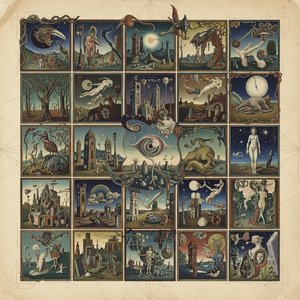
Max Ernst: As 25 Obras-Primas do Surrealismo para Decorar com Arte e História
Descubra as 25 obras-primas de Max Ernst, o mestre do surrealismo! Explore a história por trás da arte inovadora, frottage e paisagens oníricas. Encontre reproduções de alta qualidade para decorar com estilo em TopImpressionists.com.

Urban Visions: A Historical & Artistic Exploration of the Cityscape in Painting
Explore the evolution of cityscape painting from historical maps to Impressionist masterpieces. Discover artists like Caillebotte & Utrillo. Find museum-quality reproductions at TopImpressionists.

Urban Visions: A Historical & Artistic Exploration of the Cityscape in Painting
Explore the evolution of cityscape painting from historical maps to Impressionist masterpieces. Discover artists like Caillebotte, Utrillo & Matsumoto Shunsuke. Find museum-quality reproductions at TopImpressionists.

Concrete Visions: Exploring the Urban Landscape in Painting – From Realism to Contemporary Art
Explore the evolution of cityscape painting from Realism to contemporary art with TopImpressionists. Discover key artists & invest in timeless urban visions. Expert guidance, museum-quality reproductions.
Explore obras de arte organizadas por temas, estilos e características.


