


 Visualizar em escala
 Enviar
 Compartilhar
 Ver detalhes
 Guia de Obras do Aluno

 Baixar imagem
 Semelhantes
 Raio X
 Apresentação de slides
 Estatísticas
O Crepúsculo do Dia


O Crepúsculo do Dia: Uma paisagem impressionista de Roerich que captura a beleza suave da luz e da natureza em uma cena tranquila de rio e árvores. Explore a obra completa!
 Ver mais
Explore a vida e obra de Nicholas Roerich: simbolismo, paisagens himalaias, design de ballets Russes e um defensor da preservação cultural. Uma jornada artística e espiritual única.
Giclée / Impressão de Arte
Impressão giclée ou em tela de qualidade de museu, com produção rápida e opções flexíveis de acabamento. ( Encomendar reprodução pintada à mão Ver Imagem Digital)




P118B €10

P118H €10

P118W €10

P438Z €10

P508JH €12

P508YH €12

P805H €10

P805Z €10

P919BZ €10

P919G €10

P919XJ €10

P959ZH €10

P968JZ €12

W106C €8

W218G €10

W218JH €8

W218Y €10

W307PJ €10

W316G €10

W316PJ €8

W316Y €10

W398PJ €8

W4111J €10

W500HY €15

W500JH €15

W692G €12

W849H €8

W940BG €15

W953PJ €8




Padrão
sob medida
CM
INCH
Escolha entre os nossos tamanhos pré-definidos que respeitam as proporções originais da obra de arte.
Loading sizes...

largura
altura
Digite a largura e a altura de que necessita, para se ajustar à sua moldura ou à sua parede. Uma impressão só pode ser cortada, nunca ampliada além da imagem original, pelo que um tamanho com uma proporção diferente perderá parte da imagem. Enviamos-lhe uma maquete digital para aprovação antes de imprimirmos qualquer coisa. A imagem apresentada nesta página não mostra o corte real — apenas a maquete o faz.
Entrega mundial () em 2 semanas, em vez das 4/5 semanas padrão. (21 Outubro)

Envio expresso gratuito para todo o mundo

Tela de Linho Premium

Seguro de transporte total

Garantia de Reembolso de Impostos Alfandegários

Garantia de Fidelidade de Cor

Política de Devolução em 100 Dias (Apenas para Defeitos)

Garantia de reembolso de 100%

Desconto para múltiplas unidades
 A opção de vidro está disponível apenas para tamanhos inferiores a 110 cm

O Crepúsculo do Dia
Giclée / Impressão de Arte
Dimensões da Reprodução
-


Preço Total
€ 60
Uma Jornada Entre Luz e Espírito: Uma Análise da Obra "O Crepúsculo do Dia" de Nicholas Roerich
A pintura “O Crepúsculo do Dia”, criada em 1902 pelo renomado pintor russo Nicholas Roerich, representa uma paisagem serena que transcende o mero registro visual para alcançar profundezas espirituais e simbólicas. Esta obra emblemática do estilo Art Nouveau (Modernismo) é um testemunho da visão artística de Roerich e da sua busca incessante pela beleza transcendental em meio à natureza.A Paisagem como Espelho da Alma
Roerich capturou magistralmente a atmosfera suave e difusa do crepúsculo numa margem fluvial, onde árvores imponentes dominam o horizonte e um pequeno barco desliza silenciosamente sobre as águas calmas. Não se trata apenas de uma reprodução fiel à realidade; é uma expressão artística que busca transmitir uma sensação de paz interior e contemplação. Os artistas da época buscavam inspiração na natureza como fonte de beleza e harmonia, refletindo valores filosóficos e religiosos importantes.Técnica Impasto: Uma Linguagem Visual Sensorial
A pintura emprega uma técnica impasto – aplicação abundante de tinta sobre a tela em camadas grossas e texturizadas – que confere à obra uma qualidade táctil marcante. Os pinceladas soltas e onduladas revelam uma atenção meticulosa aos detalhes da luz e sombra, criando uma ilusão de profundidade espacial que convida o observador a entrar no universo artístico do pintor. Esta abordagem técnica é característica do Art Nouveau e demonstra o desejo de criar obras que estimulem os sentidos e transmitam emoções poderosas.Simbolismo Himalayano: Uma Busca pela Ageless Wisdom
O trabalho de Roerich está profundamente influenciado pelo simbolismo hindu e budista, especialmente pelas paisagens montanhosas do Himalaia, onde o artista passou grande parte de sua vida buscando inspiração e conhecimento espiritual. O barco solitário na margem fluvial pode ser interpretado como um símbolo da jornada humana em direção à iluminação, enquanto as árvores altas representam força e estabilidade diante das forças da natureza. Roerich acreditava que a arte tinha o poder de elevar o espírito humano e transmitir mensagens universais sobre amor, paz e harmonia.Um Legado Duradouro na Arte Moderna
“O Crepúsculo do Dia” permanece como uma obra fundamental da arte moderna, celebrando a beleza da natureza e explorando temas espirituais que continuam relevantes até hoje. Sua influência pode ser observada em diversas obras de artistas posteriores que compartilhavam o mesmo desejo de capturar momentos fugazes e transmitir emoções profundas através da linguagem visual da pintura. Uma peça excepcional para quem aprecia a arte como expressão da alma humana e busca inspiração na contemplação do mundo natural.Perguntas e Respostas
"O Crepúsculo do Dia" possui uma prévia em realidade aumentada?
"O Crepúsculo do Dia" possui uma prévia em realidade aumentada: a página de Visualização em RA da obra mostra como ela ficaria no seu próprio espaço através de um dispositivo compatível.
O que "O Crepúsculo do Dia" compartilha com o restante da obra de Nicolás Roerich?
"O Crepúsculo do Dia" pertence à obra Impressionistic Landscape de Nicolás Roerich, cujos temas recorrentes incluem mountains mysticism, spiritual landscape, cultural symbolism, peaceful vision, artist legacy.
Onde posso comprar uma imagem digital de "O Crepúsculo do Dia" de Nicolás Roerich?
Uma imagem digital de "O Crepúsculo do Dia" de Nicolás Roerich pode ser adquirida em sua página de Imagem Digital: download de imagem digital em alta resolução.


Biografia do Artista
A Life Immersed in Art and Spirit
Nicholas Roerich, born October 9, 1874, in the vibrant cultural heart of Saint Petersburg, Russia, was a figure whose life transcended the boundaries of artistic expression. He wasn’t merely a painter; he was an archaeologist, a writer, a philosopher, and a tireless advocate for peace and cultural preservation. His upbringing, steeped in both intellectual rigor – his father was a notary public – and artistic appreciation thanks to his mother, laid the foundation for a remarkably multifaceted career. Roerich simultaneously pursued studies in law and art at St. Petersburg University and the Imperial Academy of Arts beginning in 1893, demonstrating an early commitment to a broad understanding of the world. This dual path wasn’t contradictory for him; rather, it reflected a belief that artistic vision needed grounding in historical context and intellectual discipline. He received his artist designation in 1897 and completed his law degree the following year, setting the stage for a life dedicated to both creative exploration and reasoned action.The Allure of Symbolism and Theatrical Innovation
Roerich’s artistic development was profoundly shaped by the currents of Russian Symbolism, a movement that sought to evoke emotional and spiritual depths through evocative imagery and suggestive forms. He quickly became involved with Sergei Diaghilev's influential “World of Art” society, eventually assuming its presidency from 1910 to 1916. This association proved pivotal, exposing him to a network of innovative artists, composers, and thinkers who were redefining the landscape of Russian art. His early work revealed a fascination with archaeology and stage design, leading to groundbreaking collaborations with Diaghilev’s Ballets Russes. Roerich's designs for productions like Alexander Borodin's *Prince Igor* (1909) and, most famously, Igor Stravinsky’s revolutionary *The Rite of Spring* (1913), were not simply backdrops; they were integral components of the theatrical experience. He blended meticulous historical research with a bold imaginative vision, creating visually stunning environments that amplified the emotional power of the music and choreography. These designs weren't merely decorative; they were attempts to evoke primordial forces and ancient rituals, reflecting the Symbolist interest in myth and spirituality. His work was also influenced by apocrypha and medieval sectarian writings like the Dove Book, adding layers of esoteric meaning to his artistic creations.A Journey Towards Mysticism and Himalayan Visions
As Roerich’s career progressed, his paintings underwent a significant transformation, increasingly embracing mystical and spiritual themes. This shift was fueled by his growing interest in Theosophy and Eastern religions, philosophies that emphasized the interconnectedness of all things and the pursuit of inner wisdom. His *Architectural Studies* series (1904–1905) showcased not only his architectural skill but also a deep commitment to preserving cultural heritage, foreshadowing his later advocacy for protecting art during times of conflict. Recurring motifs began to emerge in his work: majestic landscapes, ancient cities shrouded in mystery, and figures imbued with spiritual significance like St. Panteleimon and Kuan Yin. He embarked on extensive travels throughout Central Asia, conducting archaeological research and documenting ancient cultures, experiences that deeply informed his artistic vision and reinforced his belief in the importance of cultural understanding. The Himalayas became a central subject in his paintings, representing not just a geographical location but a realm of profound spiritual power and enlightenment – a place he considered to be the source of all creative energy.Key Works & Continuing Relevance
- Saint Nicholas: A detailed monochrome mural showcasing medieval art and heraldic symbolism.
- City: Evocative depictions of ancient urban landscapes, reflecting his archaeological interests.
- Lake of the Nagas: A tempera painting blending symbolism and nature, exemplifying his unique artistic vision.
A Pioneer in Cultural Preservation
Beyond his artistic achievements, Nicholas Roerich was a passionate advocate for the protection of cultural treasures. Recognizing the devastating impact of war on art and architecture, he dedicated much of his life to raising awareness about this threat and promoting international cooperation to safeguard these invaluable legacies. His tireless efforts culminated in the creation of the Roerich Pact in 1935 – an unprecedented agreement among nations aimed at preventing the destruction of cultural property during armed conflicts. This initiative demonstrated his profound commitment to humanity and earned him multiple nominations for the Nobel Peace Prize, solidifying his place as a true humanitarian figure. His work serves as a powerful reminder that art is not merely aesthetic pleasure but also a vital link to our past and a crucial element in building a more peaceful future.
Nicolás Roerich
1874 - 1947 , Rússia
Informações Rápidas
- Artistic Movement Or Style: Simbolismo, Arte Espiritual
- Artists Or Movements Influenced By This Artist: ['Simbolismo Russo']
- Artists Who Influenced This Artist: ['Diaghilev']
- Date Of Birth: 9 de Outubro de 1874
- Date Of Death: 13 de Dezembro de 1947
- Full Name: Nicholas Roerich
- Nationality: Russo
- Notable Artworks:
- Saint Nicholas
- Cidade
- Lago dos Nagas
- Place Of Birth: São Petersburgo, Rússia
Artigos Relacionados

Capturing the Soul: The Most Emotionally Moving Impressionist and Post-Impressionist Masterpieces
Discover the profound emotional depth of Impressionist and Post-Impressionist masterpieces. Explore how legends like Monet, Van Gogh, and Gauguin captured light and soul through evocative landscapes and vibrant brushwork for a timeless connection to art history.

Beyond the Light: Capturing Raw Emotion and Subjective Vision in Post-Impressionist Landscapes
Explore the profound emotional depth of Post-Impressionist landscapes. Discover how masters like Van Gogh moved beyond light to capture raw human feeling through vibrant color and expressive texture in this expert art history retrospective.

Capturing Emotion: A Journey Through the Soul of Expressionist Landscapes
Explore the profound emotional depth of Expressionist landscapes. Discover how Post-Impressionist masters moved beyond light to capture the soul through vibrant color and form. A curated journey for true art lovers seeking the beauty of expressive mastery.
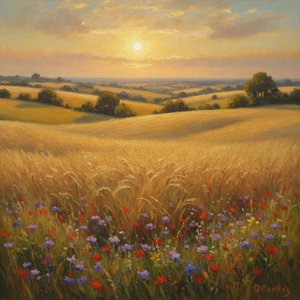
Golden Fields & Sun-Drenched Meadows: Capturing the Soul of Impressionist Landscapes
Immerse yourself in the luminous world of Impressionist landscapes. Discover how masters like Monet and Gauguin captured ephemeral light through plein air painting, and learn to bring the soul of sun-drenched meadows into your home with exquisite, hand-painted oil reproductions.

The Beauty of Impermanence: Capturing Decay through Impressionist Eyes
Explore the profound beauty of impermanence through Impressionist and Post-Impressionist eyes. Discover how masters like Monet and Van Gogh captured fleeting light and the poetic essence of nature's transitions in our deep dive into art history and emotional landscapes.
Explore obras de arte organizadas por temas, estilos e características.


