


 Visualizar na parede
 Compartilhar
 Compartilhar
 Detalhes
 Guia
Guia

 Baixar imagem
 Semelhantes
 Raio X
 Ver diaporama
 Estatísticas
O Obstpfluckerin
 Óleo sobre tela
- Arte de Parede
- Post-Impressionism
 1877
1877- Século XIX
 15.0 x 22.0 cm
Descubra "O Obstpfluckerin", uma obra-prima de Paul Cézanne! Uma pintura icônica do pós-impressionismo que captura a vida rural com cores vibrantes e uma perspectiva inovadora. Explore a arte de Cézanne!
 Ler mais
Descubra Paul Cézanne (1839-1906): Pioneiro pós-impressionista ligando Impressionismo e Cubismo. Explore formas geométricas, naturezas mortas e seu legado na arte moderna! #Cézanne
Reprodução em Óleo Feita à Mão
Óleo sobre tela pintado à mão no tamanho e moldura de sua escolha, feito sob encomenda pelos nossos artistas. ( Alternar para Impressão Alternar para Imagem Digital)




P118B €10

P118H €10

P118W €10

P438Z €10

P508JH €12

P508YH €12

P805H €10

P805Z €10

P919BZ €10

P919G €10

P919XJ €10

P959ZH €10

P968JZ €12

W106C €8

W218G €10

W218JH €8

W218Y €10

W307PJ €10

W316G €10

W316PJ €8

W316Y €10

W398PJ €8

W4111J €10

W500HY €15

W500JH €15

W692G €12

W849H €8

W940BG €15

W953PJ €8




Tamanho padrão
personalizado
CM
INCH
Escolha entre os nossos tamanhos pré-definidos que respeitam as proporções originais da obra de arte.
Loading sizes...

largura
altura
Insira a largura e a altura desejadas para se ajustarem à sua moldura ou parede. Como esta obra é pintada à mão, para um tamanho com proporções diferentes, o artista poderá pintar um pouco mais ao redor da imagem ou reduzir ligeiramente a composição — você escolhe. Enviamos uma maquete digital para sua aprovação antes de iniciar a pintura. A imagem exibida nesta página não representa o resultado real — apenas a maquete mostra o resultado final.
Exemplos do que pode ser personalizado: Substituir o rosto pela foto do cliente; Adicionar um animal de estimação (ex: substituir gato por cão); Incluir uma mensagem oculta no fundo; Alterar a paisagem ou elementos do fundo.
Após o pedido, a equipa TopImpressionists.com enviará um e-mail ao cliente para solicitar instruções e fornecer uma prévia do esboço.
Após o pedido, a equipa TopImpressionists.com enviará um e-mail ao cliente para solicitar instruções e fornecer uma prévia do esboço.
Entrega mundial () em 3 a 4 semanas, em vez das 5 semanas padrão. (25 Outubro). Sem comprometer a qualidade.

Envio expresso gratuito para todo o mundo

Tela de Linho de Alta Qualidade

Seguro de transporte completo

Garantia de Reembolso de Impostos Alfandegários

Garantia de Fidelidade Cromática

Política de Devolução em 100 Dias (Apenas para Defeitos)

Garantia de reembolso de 100%

Oferta de desconto por quantidade
 A opção de vidro está disponível apenas para tamanhos inferiores a 110 cm

O Obstpfluckerin
Técnica de Reprodução
Tamanho da Reprodução
-


Preço Total
€ 236
A Glimpse of Rural Life: “The Obstpfluckerin” by Paul Cézanne
Paul Cézanne’s “The Obstpfluckerin,” painted in 1877, isn't merely a depiction of a scene; it’s an invitation into the heart of everyday life, imbued with the artist’s revolutionary vision. This oil on canvas, measuring just 15 x 22 cm, represents a pivotal moment in art history – a bridge between the fleeting impressions of Impressionism and the nascent explorations of Cubism. More than a simple snapshot of fruit pickers at work, it's a carefully constructed meditation on form, color, and the essence of human experience within the natural world.
Cézanne’s approach to painting was profoundly different from his predecessors. He wasn’t interested in capturing the ephemeral effects of light as Impressionists did; instead, he sought to reveal the underlying structure of objects – their geometric forms and spatial relationships. “The Obstpfluckerin” exemplifies this pursuit. Notice how Cézanne breaks down the figures and foliage into simplified planes of color and shape, creating a sense of depth and solidity that feels both familiar and strikingly new. The brushstrokes are visible, deliberate, and contribute to the painting’s dynamic energy.
Post-Impressionism: A Reaction and a Revolution
“The Obstpfluckerin” firmly places itself within the Post-Impressionist movement – an era of artistic experimentation that arose as a reaction against the limitations of Impressionism. Artists like Cézanne, Vincent van Gogh, and Paul Gauguin felt that Impressionism lacked emotional depth and intellectual rigor. They sought to imbue their work with greater personal expression, exploring themes of memory, emotion, and spirituality. Cézanne’s use of bold colors – vibrant greens, blues, and whites – and his distorted forms are key elements of this shift towards subjective experience.
The painting's context is crucial to understanding its significance. France in the late 19th century was undergoing rapid social and economic change, with urbanization and industrialization transforming rural landscapes. Cézanne’s work reflects a nostalgic longing for a simpler, more authentic way of life – a sentiment that resonated deeply with many artists and intellectuals of his time. The scene itself, depicting ordinary people engaged in a common task, speaks to the enduring value of human connection and labor.
Symbolism and Emotional Resonance
Beyond its formal qualities, “The Obstpfluckerin” is rich in symbolic meaning. The two figures, one holding a basket overflowing with fruit and the other wearing a hat, represent the cycle of harvest and sustenance – a fundamental aspect of human existence. Their postures suggest a quiet dignity and resilience, reflecting the strength and endurance required to work the land. The background, featuring a horse and rider, adds a layer of dynamism and movement to the composition, hinting at the broader rhythms of rural life.
Cézanne’s masterful use of color and light creates an emotional atmosphere that is both serene and vibrant. The dappled sunlight filtering through the trees evokes a sense of warmth and tranquility, while the bold colors capture the energy and vitality of the scene. “The Obstpfluckerin” isn't just a painting; it’s a window into another world – a world where beauty can be found in the simplest of moments and where the connection between humanity and nature is celebrated with profound grace.
Bringing Cézanne Home: A High-Quality Reproduction
TopImpressionists offers meticulously crafted, hand-painted reproductions of “The Obstpfluckerin” that capture the essence of this iconic masterpiece. Our skilled artists recreate Cézanne’s unique style and technique with exceptional attention to detail, ensuring that your reproduction will be a stunning addition to any home or office. Whether you're an art enthusiast, a collector, or simply seeking to infuse your space with beauty and inspiration, a TopImpressionists reproduction of “The Obstpfluckerin” is the perfect choice.
Perguntas e Respostas
Qual é o nível de contraste de "O Obstpfluckerin", de Paul Cézanne?
"O Obstpfluckerin", de Paul Cézanne apresenta um contraste Alto contraste entre suas áreas claras e escuras.
Qual é a forma e as dimensões de "O Obstpfluckerin", de Paul Cézanne?
O formato de "O Obstpfluckerin" é Paisagem e a obra original mede 15 x 22 cm. Ambas as informações são úteis ao planejar uma reprodução.
Onde posso encontrar estatísticas sobre "O Obstpfluckerin", de Paul Cézanne?
Existe uma página de Estatísticas para "O Obstpfluckerin". Ela apresenta o gráfico de visitas mensais da obra e de outras obras do artista, com detalhamento por país e idioma.
Obras Relacionadas


Biografia do Artista
Uma Visão Revolucionária: A Vida e a Arte de Paul Cézanne
Paul Cézanne, nascido em Aix-en-Provence em 1839, ergue-se como uma figura monumental na transição entre as impressões fugazes do Impressionismo e as formas fragmentadas do Cubismo. Sua jornada não foi marcada por aclamação imediata; ao contrário, foi uma lenta combustão de exploração artística, pontuada por períodos de dúvida e rejeição crítica, culminando em um legado que alteraria irrevogavelmente o curso da arte moderna. Nascido em uma família próspera – seu pai inicialmente um fabricante de chapéus que mais tarde se tornou banqueiro – Cézanne desfrutou de uma segurança financeira incomum para artistas aspirantes, permitindo-lhe dedicar-se à sua paixão sem as pressões imediatas do sucesso comercial. Embora inicialmente direcionado a uma carreira jurídica pelas ambições de seu pai, o apelo da expressão artística provou ser irresistível, e ele acabou abandonando a lei para seguir a pintura, uma decisão que definiria sua vida. As primeiras influências incluíram o Romantismo prevalecente em sua juventude e a dedicação da escola de Barbizon à paisagem, mas foi através do contato com artistas como Paul Gauguin e Georges Seurat, e suas abordagens inovadoras à cor e à forma, que Cézanne começou a forjar seu próprio caminho distinto.Das Trevas para a Estrutura: A Evolução de um Estilo
O trabalho inicial de Cézanne frequentemente refletia os temas dramáticos e carregados de emoção característicos da pintura Romântica – paletas escuras e pinceladas expressivas dominando suas telas. No entanto, esta fase inicial foi apenas um degrau para uma abordagem muito mais analítica e inovadora. Insatisfeito em simplesmente capturar impressões fugazes de luz, como favorecido pelos Impressionistas, Cézanne embarcou em uma busca para entender e representar a estrutura subjacente dos próprios objetos. Ele não buscava apenas *o que* via, mas *como* percebia as formas fundamentais que constituíam a realidade. Isso o levou a decompor formas naturais em seus equivalentes geométricos – cones, cilindros, esferas – antecipando a revolução Cubista décadas antes de ela se materializar. Sua técnica tornou-se caracterizada por pequenas pinceladas repetitivas, meticulosamente sobrepostas para construir campos complexos de cor e textura, criando uma sensação de solidez e profundidade anteriormente inexistente na pintura. Ele não estava interessado no espaço ilusionístico; em vez disso, frequentemente apresentava objetos de múltiplos pontos de vista simultaneamente, desafiando as noções tradicionais de perspectiva e forçando o espectador a se envolver ativamente com a natureza construída de suas composições. Essa distorção deliberada não era arbitrária, mas sim uma tentativa de transmitir uma compreensão mais completa da forma, representando não apenas um momento no tempo, mas uma síntese de percepção.Paisagens, Naturezas-Mortas e a Forma Humana: Obras Chave e Motivos Recorrentes
A obra de Cézanne é notavelmente diversa, abrangendo paisagens, naturezas-mortas, retratos e representações de banhistas, mas todas são unificadas por sua abordagem única à forma e à cor. A Lagoa em Jas de Bouffan, pintada em 1880, exemplifica seu trabalho na paisagem, mostrando sua capacidade de capturar a essência da natureza através de um cuidadoso arranjo de formas e tons. Retrato de Émile Zola, criado em 1866, revela seu estilo em desenvolvimento e oferece um vislumbre convincente da intensidade intelectual de seu amigo próximo e colega escritor. Suas naturezas-mortas, como aquelas com maçãs e outras frutas, não são meramente representações de objetos, mas sim explorações de volume, luz e relações espaciais. A série Mont Sainte-Victoire tornou-se uma obsessão para Cézanne, um motivo recorrente que lhe permitiu investigar incansavelmente a forma e a perspectiva ao longo de décadas. Essas pinturas não são simplesmente representações de uma montanha; elas são estudos sobre como percebemos profundidade, volume e a interação da luz e da sombra. Finalmente, sua série de Banhistas, retratando figuras nuas em paisagens idílicas, representa uma profunda exploração da forma humana e sua conexão com a natureza, frequentemente imbuída de um senso de atemporalidade e contemplação silenciosa.Um Legado Forjado na Inovação: A Influência de Cézanne na Arte Moderna
O impacto de Paul Cézanne nas gerações subsequentes de artistas é imensurável. Ele é amplamente considerado o “pai da arte moderna” por suas contribuições inovadoras à linguagem pictórica, abrindo caminho para muitos dos principais movimentos artísticos do século XX. Pablo Picasso e Georges Braque estavam profundamente endividados com a ênfase de Cézanne nas formas geométricas e múltiplas perspectivas, que se tornaram elementos centrais do Cubismo. Seu uso ousado da cor também inspirou o movimento Fauvista, liderado por artistas como Henri Matisse, que abraçaram tons vibrantes e não naturalistas. Até mesmo os artistas surrealistas encontraram ressonância na exploração de percepção subjetiva e profundidade psicológica de Cézanne. Além dos movimentos específicos, a insistência de Cézanne na visão pessoal do artista e sua rejeição às restrições acadêmicas tradicionais libertou gerações de pintores para explorar novas formas de expressão. Ele desafiou a própria definição de representação, deslocando o foco da imitação da realidade para a construção de uma experiência visual baseada em estrutura subjacente e percepção subjetiva. Sua morte em 1906 não marcou um fim, mas um começo – o amanhecer de uma nova era na história da arte, profundamente moldada por sua visão revolucionária.
Paul Cézanne
1839 - 1906 , França
Dados Rápidos
- Artistas Que O Influenciaram:
- Romantismo
- Barbizon school
- Paul Gauguin
- Georges Seurat
- Artistas/Movimentos Influenciados:
- Cubismo
- Fauvismo
- Surrealismo
- Data Da Morte: 22 de outubro de 1906
- Data De Nascimento: 19 de janeiro de 1839
- Local De Nascimento: Aix-en-Provence, França
- Movimento Artístico: Pós-Impressionismo
- Nacionalidade: Francês
- Nome Completo: Paul Cézanne
- Obras Notáveis:
- The Pond at Jas de Bouffan
- Portrait of Émile Zola
- Mont Sainte-Victoire
Artigos Relacionados

Cultivating Visions: Rural Life & Social Commentary in Art History
Explore the rich history of rural life in art! Discover masterpieces from Dutch Masters to Van Gogh & Courbet. Uncover artistic movements, social significance & expert collecting insights at TopImpressionists.

Paul Cézanne: As 25 Obras-Primas que Definiram um Gênio da Arte Moderna | TopImpressionists
Descubra as 25 obras-primas de Paul Cézanne, o mestre do pós-impressionismo! Explore a história, técnica e cores vibrantes por trás de quadros icônicos como 'Les Baigneurs' e 'Mont Sainte-Victoire'. Encontre reproduções de arte exclusivas para decorar sua casa com elegância em TopImpressionists.com.

Echoes of Rural Life: Art's Enduring Representations of the Countryside
Explore the rich history of rural life in art! Discover masterpieces from Millet to Mauve & beyond. Learn about Realism, Barbizon School & find inspiration for your home with TopImpressionists.
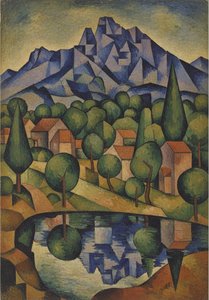
Mastering the Post-Impressionist Vision: A Definitive Guide to the Geometric Soul of Cézanne’s Artistry
Explore the profound legacy of Paul Cézanne. Discover how his mastery of geometric forms and vibrant color bridged Impressionism and Cubism, offering timeless inspiration for fine art collectors and enthusiasts seeking to understand the foundations of modern art.

Echoes of Rural Life: Nostalgia, Labor & Identity in Art History
Explore the rich history of rural life in art! Discover how Realism captured labor & identity through masterpieces by Van Gogh, Millet & more. Expert analysis for collectors and enthusiasts.
Explore obras de arte organizadas por temas, estilos e características.


