


 Visualizar na parede
 Compartilhar
 Compartilhar
 Detalhes
 Guia
Guia

 Baixar imagem
 Semelhantes
 Raio X
 Ver diaporama
 Estatísticas
Still Life with Apples 1


Paul Cézanne's 'Still Life with Apples' captures the artist’s revolutionary approach to form and color, bridging Impressionism & Cubism. Explore geometric shapes, vibrant hues, and a timeless composition.
 Ler mais
Descubra Paul Cézanne (1839-1906): Pioneiro pós-impressionista ligando Impressionismo e Cubismo. Explore formas geométricas, naturezas mortas e seu legado na arte moderna! #Cézanne
Giclée / Impressão de Arte
Impressão giclée ou em tela de qualidade de museu, com produção rápida e opções flexíveis de acabamento. ( Comprar pintura feita à mão Alternar para Imagem Digital)




P118B €10

P118H €10

P118W €10

P438Z €10

P508JH €12

P508YH €12

P805H €10

P805Z €10

P919BZ €10

P919G €10

P919XJ €10

P959ZH €10

P968JZ €12

W106C €8

W218G €10

W218JH €8

W218Y €10

W307PJ €10

W316G €10

W316PJ €8

W316Y €10

W398PJ €8

W4111J €10

W500HY €15

W500JH €15

W692G €12

W849H €8

W940BG €15

W953PJ €8




Tamanho padrão
personalizado
CM
INCH
Escolha entre os nossos tamanhos pré-definidos que respeitam as proporções originais da obra de arte.
Loading sizes...

largura
altura
Insira a largura e a altura desejadas para se ajustarem à sua moldura ou parede. Uma impressão pode ser apenas cortada, nunca ampliada além da imagem original; portanto, um tamanho com proporções diferentes resultará na perda de parte da imagem. Enviamos uma maquete digital para sua aprovação antes de realizarmos a impressão. A imagem exibida nesta página não mostra o corte real — apenas a maquete o faz.
Entrega mundial () em 2 semanas, em vez das 4/5 semanas padrão. (26 Outubro)

Envio expresso gratuito para todo o mundo

Tela de Linho de Alta Qualidade

Seguro de transporte completo

Garantia de Reembolso de Impostos Alfandegários

Garantia de Fidelidade Cromática

Política de Devolução em 100 Dias (Apenas para Defeitos)

Garantia de reembolso de 100%

Oferta de desconto por quantidade
 A opção de vidro está disponível apenas para tamanhos inferiores a 110 cm

Still Life with Apples 1
Giclée / Impressão de Arte
Tamanho da Reprodução
-


Preço Total
€ 61
A Moment Frozen in Time: Paul Cézanne’s Still Life with Apples
Paul Cézanne's *Still Life with Apples* (c. 1895-98) isn’t merely a depiction of fruit; it’s a profound exploration of form, light, and the very essence of perception. Painted during a pivotal period in his artistic development, this work represents a decisive shift away from the Impressionist tendencies that had initially shaped his early career and towards the nascent principles of Cubism – though Cézanne himself vehemently resisted any categorization as a “Cubist.” The painting, now housed within the collection at King’s College (Keynes Collection) in Cambridge, offers a glimpse into a mind relentlessly seeking to understand and represent the world around him with unprecedented rigor. It's a testament to his belief that art should not simply mimic reality but rather reveal its underlying structure, much like a sculptor revealing the form within a block of stone.The Composition: Geometric Harmony in a Domestic Setting
Cézanne’s genius lies in his ability to transform a commonplace scene – a simple table laden with apples and two cups – into a complex geometric arrangement. The composition is deliberately unbalanced, defying traditional notions of symmetry and creating a sense of dynamic tension. The apples themselves are not rendered as soft, yielding fruits; instead, they are fragmented into sharp planes of color and form, suggesting their three-dimensionality with remarkable precision. Notice how the curves of the fruit echo the angles of the table and the cups, establishing a visual dialogue between the objects. The placement of the two cups – one nestled in the upper left corner, the other on the right side – creates an asymmetrical balance that draws the eye across the canvas. The bowl at the bottom left acts as an anchor, grounding the composition while simultaneously contributing to the overall sense of depth and spatial awareness.Color and Light: A Painterly Exploration
Cézanne’s use of color is equally revolutionary. He abandons the bright, fleeting hues favored by Impressionism in favor of a more subdued palette dominated by earthy tones – ochres, browns, greens, and blues. These colors are not blended smoothly; rather, they are applied in small, broken brushstrokes that create a shimmering effect, capturing the play of light on the surfaces of the fruit and the surrounding objects. The lighting itself is ambiguous, suggesting an unseen source and casting subtle shadows that further enhance the sense of volume and form. The artist’s deliberate manipulation of color creates a feeling of stillness and contemplation, inviting the viewer to linger and examine the details with careful attention.Symbolism and the Pursuit of Truth
While Cézanne avoided overt symbolism in his work, *Still Life with Apples* is rich in subtle visual cues. The apples themselves have long been associated with knowledge, temptation, and immortality – potent symbols that resonate throughout Western art history. The presence of the cups hints at refreshment and conviviality, suggesting a moment of quiet contemplation or shared experience. More profoundly, this painting represents Cézanne’s lifelong quest to capture not just the appearance of objects but their underlying essence—their “truth.” He believed that by dissecting forms into their fundamental geometric components, he could arrive at a more complete and enduring representation of reality. This work stands as a cornerstone in his journey toward a new visual language, one that would profoundly influence generations of artists to come.A Reproduction for Your Space: Bringing Cézanne’s Vision Home
TopImpressionists offers meticulously hand-painted reproductions of Paul Cézanne's *Still Life with Apples*, capturing the artist’s revolutionary approach to form, color, and light. Our skilled artisans recreate the painting’s intricate details and nuanced atmosphere with exceptional fidelity, ensuring that your reproduction will be a stunning addition to any interior space. Available in a range of sizes, our reproductions are printed on archival-quality canvas using vibrant pigments, guaranteeing long-lasting beauty and authenticity. Whether you're an art enthusiast, collector, or simply seeking to infuse your home with the timeless elegance of Cézanne’s vision, TopImpressionists provides a remarkable opportunity to own a piece of art history.Perguntas e Respostas
O que "Still Life with Apples 1" compartilha com o restante da obra de Paul Cézanne?
"Still Life with Apples 1" integra a produção Post-Impressionism de Paul Cézanne, cujos temas recorrentes incluem impressionism, geometric forms, color studies, modern art, pioneering style.
Quais temas aparecem em "Still Life with Apples 1", de Paul Cézanne?
Os temas presentes em "Still Life with Apples 1", de Paul Cézanne incluem apples, fruit, cézanne, composition, table, still life, color. Juntos, eles sintetizam o assunto da obra.
De que material é feita a obra "Still Life with Apples 1" e em qual estilo?
"Still Life with Apples 1" é feita em Acrylic On Canvas, no estilo Post-Impressionism.
Obras Relacionadas


Biografia do Artista
Uma Visão Revolucionária: A Vida e a Arte de Paul Cézanne
Paul Cézanne, nascido em Aix-en-Provence em 1839, ergue-se como uma figura monumental na transição entre as impressões fugazes do Impressionismo e as formas fragmentadas do Cubismo. Sua jornada não foi marcada por aclamação imediata; ao contrário, foi uma lenta combustão de exploração artística, pontuada por períodos de dúvida e rejeição crítica, culminando em um legado que alteraria irrevogavelmente o curso da arte moderna. Nascido em uma família próspera – seu pai inicialmente um fabricante de chapéus que mais tarde se tornou banqueiro – Cézanne desfrutou de uma segurança financeira incomum para artistas aspirantes, permitindo-lhe dedicar-se à sua paixão sem as pressões imediatas do sucesso comercial. Embora inicialmente direcionado a uma carreira jurídica pelas ambições de seu pai, o apelo da expressão artística provou ser irresistível, e ele acabou abandonando a lei para seguir a pintura, uma decisão que definiria sua vida. As primeiras influências incluíram o Romantismo prevalecente em sua juventude e a dedicação da escola de Barbizon à paisagem, mas foi através do contato com artistas como Paul Gauguin e Georges Seurat, e suas abordagens inovadoras à cor e à forma, que Cézanne começou a forjar seu próprio caminho distinto.Das Trevas para a Estrutura: A Evolução de um Estilo
O trabalho inicial de Cézanne frequentemente refletia os temas dramáticos e carregados de emoção característicos da pintura Romântica – paletas escuras e pinceladas expressivas dominando suas telas. No entanto, esta fase inicial foi apenas um degrau para uma abordagem muito mais analítica e inovadora. Insatisfeito em simplesmente capturar impressões fugazes de luz, como favorecido pelos Impressionistas, Cézanne embarcou em uma busca para entender e representar a estrutura subjacente dos próprios objetos. Ele não buscava apenas *o que* via, mas *como* percebia as formas fundamentais que constituíam a realidade. Isso o levou a decompor formas naturais em seus equivalentes geométricos – cones, cilindros, esferas – antecipando a revolução Cubista décadas antes de ela se materializar. Sua técnica tornou-se caracterizada por pequenas pinceladas repetitivas, meticulosamente sobrepostas para construir campos complexos de cor e textura, criando uma sensação de solidez e profundidade anteriormente inexistente na pintura. Ele não estava interessado no espaço ilusionístico; em vez disso, frequentemente apresentava objetos de múltiplos pontos de vista simultaneamente, desafiando as noções tradicionais de perspectiva e forçando o espectador a se envolver ativamente com a natureza construída de suas composições. Essa distorção deliberada não era arbitrária, mas sim uma tentativa de transmitir uma compreensão mais completa da forma, representando não apenas um momento no tempo, mas uma síntese de percepção.Paisagens, Naturezas-Mortas e a Forma Humana: Obras Chave e Motivos Recorrentes
A obra de Cézanne é notavelmente diversa, abrangendo paisagens, naturezas-mortas, retratos e representações de banhistas, mas todas são unificadas por sua abordagem única à forma e à cor. A Lagoa em Jas de Bouffan, pintada em 1880, exemplifica seu trabalho na paisagem, mostrando sua capacidade de capturar a essência da natureza através de um cuidadoso arranjo de formas e tons. Retrato de Émile Zola, criado em 1866, revela seu estilo em desenvolvimento e oferece um vislumbre convincente da intensidade intelectual de seu amigo próximo e colega escritor. Suas naturezas-mortas, como aquelas com maçãs e outras frutas, não são meramente representações de objetos, mas sim explorações de volume, luz e relações espaciais. A série Mont Sainte-Victoire tornou-se uma obsessão para Cézanne, um motivo recorrente que lhe permitiu investigar incansavelmente a forma e a perspectiva ao longo de décadas. Essas pinturas não são simplesmente representações de uma montanha; elas são estudos sobre como percebemos profundidade, volume e a interação da luz e da sombra. Finalmente, sua série de Banhistas, retratando figuras nuas em paisagens idílicas, representa uma profunda exploração da forma humana e sua conexão com a natureza, frequentemente imbuída de um senso de atemporalidade e contemplação silenciosa.Um Legado Forjado na Inovação: A Influência de Cézanne na Arte Moderna
O impacto de Paul Cézanne nas gerações subsequentes de artistas é imensurável. Ele é amplamente considerado o “pai da arte moderna” por suas contribuições inovadoras à linguagem pictórica, abrindo caminho para muitos dos principais movimentos artísticos do século XX. Pablo Picasso e Georges Braque estavam profundamente endividados com a ênfase de Cézanne nas formas geométricas e múltiplas perspectivas, que se tornaram elementos centrais do Cubismo. Seu uso ousado da cor também inspirou o movimento Fauvista, liderado por artistas como Henri Matisse, que abraçaram tons vibrantes e não naturalistas. Até mesmo os artistas surrealistas encontraram ressonância na exploração de percepção subjetiva e profundidade psicológica de Cézanne. Além dos movimentos específicos, a insistência de Cézanne na visão pessoal do artista e sua rejeição às restrições acadêmicas tradicionais libertou gerações de pintores para explorar novas formas de expressão. Ele desafiou a própria definição de representação, deslocando o foco da imitação da realidade para a construção de uma experiência visual baseada em estrutura subjacente e percepção subjetiva. Sua morte em 1906 não marcou um fim, mas um começo – o amanhecer de uma nova era na história da arte, profundamente moldada por sua visão revolucionária.
Paul Cézanne
1839 - 1906 , França
Dados Rápidos
- Artistas Que O Influenciaram:
- Romantismo
- Barbizon school
- Paul Gauguin
- Georges Seurat
- Artistas/Movimentos Influenciados:
- Cubismo
- Fauvismo
- Surrealismo
- Data Da Morte: 22 de outubro de 1906
- Data De Nascimento: 19 de janeiro de 1839
- Local De Nascimento: Aix-en-Provence, França
- Movimento Artístico: Pós-Impressionismo
- Nacionalidade: Francês
- Nome Completo: Paul Cézanne
- Obras Notáveis:
- The Pond at Jas de Bouffan
- Portrait of Émile Zola
- Mont Sainte-Victoire
Artigos Relacionados
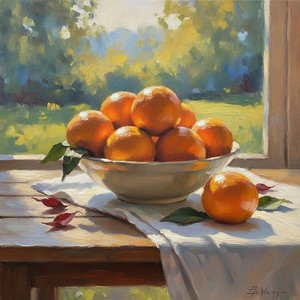
Sun-Drenched Citrus: The Vibrant Beauty of Oranges in Impressionist Masterpieces
Embark on a sensory journey through Impressionist masterpieces. Discover how Renoir and Cézanne captured the vibrant light and luscious textures of sun-drenched oranges in exquisite still life paintings designed to inspire and transform your home.

Beyond the Light: Discovering the Soul and Emotional Depth of Post-Impressionism
Embark on a cultural journey through Post-Impressionism. Discover the profound emotional depth of masters like Van Gogh and Cézanne, exploring how they moved beyond light to capture the very soul of human experience through vibrant color and symbolic form.

Capturing the Light: A Journey Through the Ethereal Magic of Impressionism and Post-Impressionism
Embark on a cultural journey through the luminous world of Impressionism. Discover the profound beauty of Monet, Van Gogh, and Cézanne through expert art history insights and explore how to bring these timeless masterpieces into your home with museum-quality hand-painted reproductions.

A Journey Through Time: From the Dark Ages to Contemporary Masterpieces
Embark on a visual journey through art history. Explore the luminous evolution from Impressionism to Post-Impressionism, celebrating the masters of light and form like Monet, Renoir, and Cézanne in this curated cultural retrospective.
Explore obras de arte organizadas por temas, estilos e características.


