

 Visualizar na parede
 Compartilhar
 Compartilhar
 Detalhes
 Guia
Guia

 Baixar imagem
 Semelhantes
 Raio X
 Ver diaporama
 Estatísticas
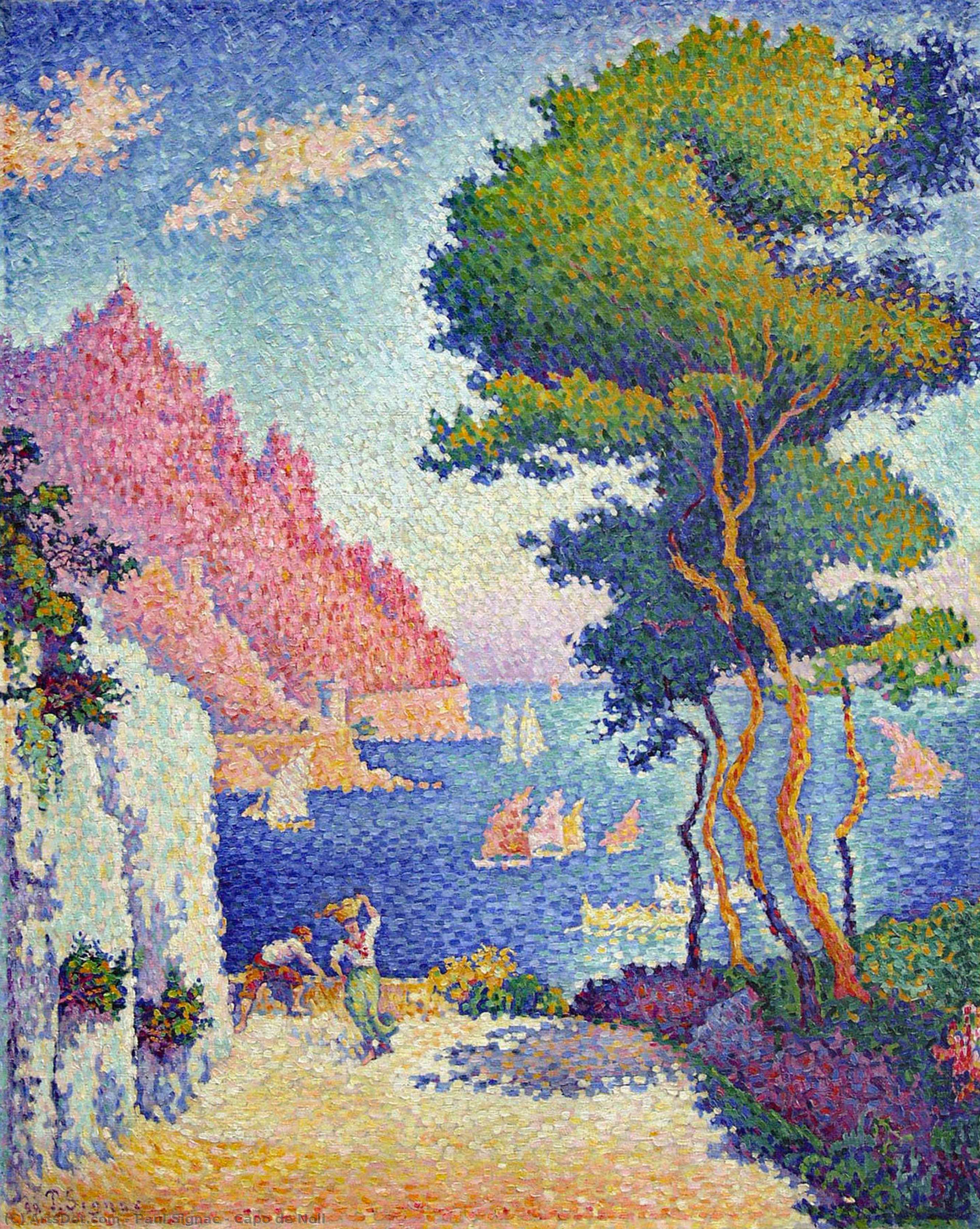
Capo de Noli


Paul Signac’s ‘Capo di Noli,’ a stunning Neo-Impressionist masterpiece from 1898, captures coastal serenity through its revolutionary Pointillism technique. Explore the luminous beauty of this iconic artwork and bring it into your collection.
 Ler mais
Paul Signac (1863-1935): Um pintor neoimpressionista e mestre do Pontilhismo, conhecido por suas paisagens costeiras vibrantes e a aplicação meticulosa de cores em seus painéis. Explore sua obra!
Reprodução em Óleo Feita à Mão
Óleo sobre tela pintado à mão no tamanho e moldura de sua escolha, feito sob encomenda pelos nossos artistas. ( Alternar para Impressão Alternar para Imagem Digital)




P118B €10

P118H €10

P118W €10

P438Z €10

P508JH €12

P508YH €12

P805H €10

P805Z €10

P919BZ €10

P919G €10

P919XJ €10

P959ZH €10

P968JZ €12

W106C €8

W218G €10

W218JH €8

W218Y €10

W307PJ €10

W316G €10

W316PJ €8

W316Y €10

W398PJ €8

W4111J €10

W500HY €15

W500JH €15

W692G €12

W849H €8

W940BG €15

W953PJ €8




Tamanho padrão
personalizado
CM
INCH
Escolha entre os nossos tamanhos pré-definidos que respeitam as proporções originais da obra de arte.
Loading sizes...

largura
altura
Insira a largura e a altura desejadas para se ajustarem à sua moldura ou parede. Como esta obra é pintada à mão, para um tamanho com proporções diferentes, o artista poderá pintar um pouco mais ao redor da imagem ou reduzir ligeiramente a composição — você escolhe. Enviamos uma maquete digital para sua aprovação antes de iniciar a pintura. A imagem exibida nesta página não representa o resultado real — apenas a maquete mostra o resultado final.
Exemplos do que pode ser personalizado: Substituir o rosto pela foto do cliente; Adicionar um animal de estimação (ex: substituir gato por cão); Incluir uma mensagem oculta no fundo; Alterar a paisagem ou elementos do fundo.
Após o pedido, a equipa TopImpressionists.com enviará um e-mail ao cliente para solicitar instruções e fornecer uma prévia do esboço.
Após o pedido, a equipa TopImpressionists.com enviará um e-mail ao cliente para solicitar instruções e fornecer uma prévia do esboço.
Entrega mundial () em 3 a 4 semanas, em vez das 5 semanas padrão. (26 Outubro). Sem comprometer a qualidade.

Envio expresso gratuito para todo o mundo

Tela de Linho de Alta Qualidade

Seguro de transporte completo

Garantia de Reembolso de Impostos Alfandegários

Garantia de Fidelidade Cromática

Política de Devolução em 100 Dias (Apenas para Defeitos)

Garantia de reembolso de 100%

Oferta de desconto por quantidade
 A opção de vidro está disponível apenas para tamanhos inferiores a 110 cm

Capo de Noli
Técnica de Reprodução
Tamanho da Reprodução
-


Preço Total
€ 236
A Symphony of Light and Color: The Luminous Vision of Capo di Noli
In the pantheon of Neo-Impressionist masterpieces, few works capture the ethereal dance between science and soul quite like Paul Signac’s 1898 triumph, Capo di Noli. This breathtaking canvas is far more than a mere coastal landscape; it is a profound meditation on the Mediterranean spirit, rendered through a lens of meticulous optical precision. As the viewer’s gaze meets the sun-drenched shores of the Italian Riviera, they are immediately transported to a tranquil vista overlooking Genoa. The scene unfolds with a rhythmic grace, where a solitary woman wanders along a path lined with lush, vibrant vegetation, her silhouette poised against the expansive, shimmering blue of the sea. Small boats dot the water like scattered jewels, while the subtle presence of another figure and a resting dog adds a layer of pastoral intimacy, grounding the vastness of the horizon in a moment of quiet, everyday serenity.
To behold Capo di Noli is to witness the revolutionary power of Pointillism. Moving beyond the spontaneous, fleeting brushstrokes of his Impressionist predecessors, Signac embraced a more systematic and scientific approach to color. He utilized tiny, distinct dots of pure, unblended pigment—often employing complementary hues—that do not merge on the physical canvas but rather interact within the viewer's own eye. This technique, known as Divisionism, creates an unparalleled sense of luminosity; the light does not simply sit upon the surface of the painting but seems to radiate from within it. For the discerning collector or interior designer, this creates a dynamic visual experience where the artwork breathes with a life of its own, constantly shifting in intensity as one moves through the room.
Historical Resonance and Aesthetic Elegance
The historical significance of this work lies in Signac’s role as a pioneer who bridged the gap between the sensory freedom of Monet and the structured modernism of the twentieth century. Painted during a period of intense fascination with optical physics, Capo di Noli embodies the artist's desire to push the boundaries of color to their absolute extreme. Every dot of paint was a deliberate choice, a calculated step toward capturing the true essence of light as it strikes the Mediterranean coast. This dedication to accuracy and atmosphere makes the piece a cornerstone of art history, representing a moment when the artist became an explorer of both nature and the mechanics of human perception.
For those seeking to infuse a space with sophistication and calm, this painting offers an unparalleled emotional impact. Its palette—a harmonious blend of azure, emerald, and sun-kissed earth tones—evokes a sense of timelessness and peace. Whether placed in a grand gallery setting or as a focal point in a contemporary living space, a high-quality reproduction of Capo di Noli serves as a window to another world. It invites contemplation, offering a sanctuary of color and light that can transform the atmosphere of any interior, turning a room into a curated experience of beauty and historical depth.
Perguntas e Respostas
Qual era a idade de Paul Signac quando "Capo de Noli" foi criada?
Paul Signac tinha 35 anos quando criou "Capo de Noli" em 1898. A idade é calculada a partir do ano de nascimento do artista, 1863.
O que "Capo de Noli", de Paul Signac retrata e qual é a sua atmosfera?
"Capo de Noli", de Paul Signac combina italian riviera, coastal landscape, mediterranean sea, color texture, pointillism technique, impressionistic influence, seaside scene com uma atmosfera Serene.
Os direitos autorais de "Capo de Noli", de Paul Signac permitem reproduções?
O status de direitos autorais de "Capo de Noli", de Paul Signac é claro: a obra está em em domínio público — seus direitos autorais expiraram. Sua presença no Museu Wallraf-Richartz não altera esse status.
Obras Relacionadas




Biografia do Artista
The Harmonious Vision of Paul Signac
Paul Victor Jules Signac, nascido em Paris em 1863, emergiu como uma figura central na evolução da arte moderna, inextricavelmente ligado ao nascimento e desenvolvimento do Neo-Impressionismo. Inicialmente atraído pela arquitetura, um encontro juvenil com a exposição de Claude Monet despertou nele uma paixão duradoura pela pintura, lançando-o em um caminho que redefiniria a teoria das cores e a expressão artística. Signac não era apenas um pintor; ele era um explorador dedicado à luz, cor e à própria ciência subjacente à percepção visual. Suas obras iniciais, embora demonstrassem tendências impressionistas, evoluíram rapidamente sob a profunda influência de Georges Seurat, forjando uma parceria que deu origem ao Pointillismo – uma técnica caracterizada pela aplicação meticulosa de minúsculas manchas de cor pura destinadas a se fundir ópticamente no olho do espectador. Isso não era simplesmente uma questão de estética; era um esforço para sistematizar a pintura, fundamentando-a em princípios científicos e desafiando as normas artísticas convencionais.Um Diálogo com Seurat e o Nascimento do Neo-Impressionismo
O encontro entre Signac e Seurat em 1884 provou ser transformador para ambos os artistas. Compartilhavam uma fascinação pelas escritas de Eugène Delacroix sobre teoria das cores, particularmente sua exploração dos contrastes complementares e do impacto emocional da tonalidade. Juntos, embarcaram em uma investigação rigorosa desses princípios, traduzindo-os em uma técnica pictórica revolucionária. Signac abraçou com entusiasmo a visão de Seurat, abandonando as pinceladas fugazes do Impressionismo para a aplicação precisa e calculada de pontos de cor. *Boulevard de Clichy* (1886) é um testemunho precoce dessa nova abordagem, demonstrando o estilo meticuloso de Signac e seu compromisso em capturar a vibração da vida urbana por meio de uma lente científica. No entanto, sua colaboração não foi meramente técnica; foi intelectual, alimentada por um desejo compartilhado de elevar a pintura ao nível de uma rigorosidade científica. Signac tornou-se um defensor incansável das ideias de Seurat, promovendo ativamente o Neo-Impressionismo e defendendo seus princípios contra críticas. A trágica morte precoce de Seurat em 1891 deixou Signac como o principal campeão da visão compartilhada deles, um papel que ele abraçou com dedicação inabalável.Reverências Costeiras e Independência Artística
Após a morte de Seurat, a jornada artística de Signac tomou uma nova dimensão, profundamente influenciada por seu amor apaixonado pelo mar e o fascínio das costas mediterrâneas. Ele descobriu Saint-Tropez em 1892, estabelecendo uma casa lá que se tornou um refúgio para artistas e uma fonte inesgotável de inspiração. As águas cintilantes, os portos ensolarados e as pitorescas paisagens costeiras forneceram o cenário ideal para explorar a interação entre luz e cor. *The Red Buoy, Saint-Tropez* (1895) exemplifica este período, demonstrando sua maestria no Pointillismo na captura das tonalidades vibrantes e da energia dinâmica do mar. Sua técnica evoluiu, tornando-se mais fluida e expressiva, mantendo ao mesmo tempo sua base científica. Ele começou a experimentar com pinceladas maiores e uma paleta mais ampla, abandonando a adesão estrita aos pontos de cor precisos de Seurat. Signac viajou amplamente além da França, incluindo Itália, Holanda e até Istambul, cada viagem enriquecendo seu vocabulário artístico e ampliando sua perspectiva.Um Patrono da Vanguarda e Legado Duradouro
Além de suas próprias atividades artísticas, Signac desempenhou um papel crucial no desenvolvimento da arte moderna por meio de sua liderança na Société des Artistes Indépendants. Como presidente de 1908 até sua morte em 1935, ele defendeu a liberdade artística e forneceu uma plataforma para talentos emergentes, incluindo Henri Matisse, André Derain e outros pioneiros do Fauvismo e Cubismo. Ele foi um dos primeiros a reconhecer e apoiar seu trabalho inovador. Suas obras teóricas, notavelmente *From Eugène Delacroix to Neo-Impressionism* (1899), solidificaram ainda mais sua posição como uma figura intelectual de liderança no mundo da arte. Paul Signac deixou um legado duradouro que vai muito além de suas pinturas cativantes; ele foi um artista visionário, um teórico dedicado e um patrono generoso que influenciou profundamente o curso da arte moderna, deixando uma marca indelével nas gerações futuras de artistas.Principais Datas & Conquistas
- 1863: Nasceu em Paris, França.
- 1884: Co-fundou a Société des Artistes Indépendants com Georges Seurat.
- 1886: Pintou *Boulevard de Clichy*, um exemplo precoce do Pointillismo.
- 1895: Criou *The Red Buoy, Saint-Tropez*, demonstrando sua maestria nas cenas costeiras.
- 1899: Publicou *From Eugène Delacroix to Neo-Impressionism*, um trabalho seminal sobre teoria das cores.
- 1908 – 1935: Serviu como Presidente da Société des Artistes Indépendants, promovendo artistas vanguardistas.
- 1935: Faleceu em Paris aos 72 anos, deixando um rico legado artístico.

Paul Signac
1863 - 1935 , França
Dados Rápidos
- Artistic Movement Or Style: Neo-Impressionismo, Pontilhismo
- Artists Or Movements Influenced By This Artist:
- Henri Matisse
- Fauvismo
- Artists Who Influenced This Artist:
- Claude Monet
- Georges Seurat
- Date Of Birth: 11 de Novembro de 1863
- Date Of Death: 15 de Agosto de 1935
- Full Name: Paul Victor Jules Signac
- Nationality: Francês
- Notable Artworks:
- Boulevard de Clichy
- A Gaivota
- A Farol Vermelho
- Place Of Birth: Paris, França
Artigos Relacionados

Capturing the Drama: How Impressionist Light and Shadow Transform Your Living Space
Discover how the luminous light and dramatic shadows of Impressionist masterpieces can transform your home. Explore expert insights on using Renoir, Monet, and Cézanne to create a serene, culturally rich sanctuary through museum-quality, hand-painted oil reproductions.

Capturing the Light of Amsterdam: A Journey Through Impressionist Masterpieces of the Dutch Canals
Embark on a visual journey through the luminous Amsterdam canals. Discover how Impressionist masters captured the fleeting light of the Dutch landscape through evocative brushwork and color. Explore the timeless beauty of these masterpieces for your private art collection.

Capturing the Soul: The Ethereal Magic and Timeless Technique of Impressionist Portraiture
Discover the ethereal beauty of Impressionist portraiture. Explore how masters like Monet and Renoir captured light and soul through brushwork, and learn how to bring this timeless magic into your home with exquisite, hand-painted oil reproductions from TopImpressionists.com.

Dining Room Elegance: Transforming Your Space with Impressionist Masterpieces
Elevate your dining room with the luminous beauty of Impressionist masterpieces. Discover how hand-painted Claude Monet and Renoir reproductions can transform your space into a sanctuary of light, color, and timeless elegance for your home.
Explore obras de arte organizadas por temas, estilos e características.


