

 Visualizar na parede
 Compartilhar
 Compartilhar
 Detalhes
 Guia
Guia

 Baixar imagem
 Semelhantes
 Raio X
 Ver diaporama
 Perguntas e Respostas
 Estatísticas
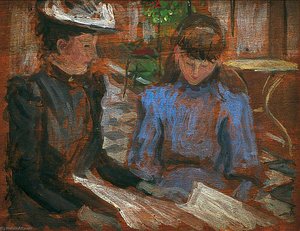
The Worktable

- 21.0 x 26.0 cm


Admire 'The Worktable' by Philip Wilson Steer (1894). An exquisite oil on panel portrait of a woman sewing, showcasing Impressionist light & detail. Hand-painted reproduction available.
 Ler mais
Philip Wilson Steer (1860-1942) foi um pintor impressionista britânico conhecido por paisagens e cenas marítimas luminosas. Influenciado por Manet e Whistler, suas obras são celebradas no Tate e Uffizi, capturando a beleza da costa inglesa.
Giclée / Impressão de Arte
Impressão giclée ou em tela de qualidade de museu, com produção rápida e opções flexíveis de acabamento. ( Comprar pintura feita à mão Alternar para Imagem Digital)




P118B €10

P118H €10

P118W €10

P438Z €10

P508JH €12

P508YH €12

P805H €10

P805Z €10

P919BZ €10

P919G €10

P919XJ €10

P959ZH €10

P968JZ €12

W106C €8

W218G €10

W218JH €8

W218Y €10

W307PJ €10

W316G €10

W316PJ €8

W316Y €10

W398PJ €8

W4111J €10

W500HY €15

W500JH €15

W692G €12

W849H €8

W940BG €15

W953PJ €8




Tamanho padrão
personalizado
CM
INCH
Escolha entre os nossos tamanhos pré-definidos que respeitam as proporções originais da obra de arte.
Loading sizes...

largura
altura
Insira a largura e a altura desejadas para se ajustarem à sua moldura ou parede. Uma impressão pode ser apenas cortada, nunca ampliada além da imagem original; portanto, um tamanho com proporções diferentes resultará na perda de parte da imagem. Enviamos uma maquete digital para sua aprovação antes de realizarmos a impressão. A imagem exibida nesta página não mostra o corte real — apenas a maquete o faz.
Entrega mundial () em 2 semanas, em vez das 4/5 semanas padrão. (8 Novembro)

Envio expresso gratuito para todo o mundo

Tela de Linho de Alta Qualidade

Seguro de transporte completo

Garantia de Reembolso de Impostos Alfandegários

Garantia de Fidelidade Cromática

Política de Devolução em 100 Dias (Apenas para Defeitos)

Garantia de reembolso de 100%

Oferta de desconto por quantidade
 A opção de vidro está disponível apenas para tamanhos inferiores a 110 cm

The Worktable
Giclée / Impressão de Arte
Tamanho da Reprodução
-


Preço Total
€ 62
A Moment Frozen in Light: Philip Wilson Steer’s “The Worktable”
Philip Wilson Steer's "The Worktable," painted in 1894, isn't merely a depiction of a woman engaged in domestic activity; it’s a carefully constructed tableau vivant—a snapshot of Victorian life imbued with an exquisite sense of light and atmosphere. The painting immediately draws the viewer into a quiet, intimate scene within a modestly furnished room. A woman, her features softened by the diffused afternoon light, sits at a simple wooden table, her hands deftly manipulating fabric – likely engaged in sewing or embroidery. The composition is remarkably restrained, focusing entirely on this single, compelling interaction. There’s no grand gesture, no dramatic narrative; instead, Steer masterfully captures a fleeting moment of focused concentration and quiet industry.
Steer's style leans heavily into the tenets of Impressionism, yet he transcends simple replication of visual effects. He employs loose, broken brushstrokes—particularly noticeable in the rendering of the fabrics and the play of light on the table surface—to create a shimmering, almost ethereal quality. The palette is muted, dominated by soft blues, greens, and browns, reflecting the natural light filtering through an unseen window. This deliberate restraint allows the subtle nuances of color and texture to take precedence, contributing significantly to the painting’s overall mood.
The Context of a Changing Era
To fully appreciate “The Worktable,” it's crucial to understand the historical context in which it was created. The late 19th century witnessed significant social and economic shifts in Britain, marked by rapid industrialization and urbanization. Traditional rural life was giving way to new urban realities, and domestic roles were undergoing subtle transformations. Steer’s painting reflects this evolving landscape, portraying a scene of quiet productivity within the confines of the home—a space increasingly valued as a sanctuary from the pressures of modern life. The inclusion of books and papers on the table suggests an intellectual engagement alongside the practical tasks at hand, hinting at the multifaceted roles women played in Victorian society.
Furthermore, Steer’s work aligns with the broader artistic currents of his time. He was a key figure in the British Impressionist movement, influenced by artists like Monet and Whistler. However, unlike some of his contemporaries who embraced purely optical effects, Steer sought to capture not just the appearance of light but also its emotional impact—the sense of warmth, tranquility, and domestic comfort that permeated Victorian interiors.
Symbolism and Emotional Resonance
Beyond its surface details, “The Worktable” is rich in symbolic meaning. The woman’s posture – her hands resting gently on the table – conveys a sense of contentment and self-sufficiency. She's not presented as a passive figure but rather as an active participant in shaping her own world. The unfinished task at hand—the fabric being worked upon—represents both labor and creativity, highlighting the value placed on domestic skills during this period. The clock hanging on the wall subtly underscores the passage of time, reminding us that this moment is fleeting, a precious fragment captured for posterity.
Ultimately, “The Worktable” evokes a powerful sense of nostalgia—a longing for simpler times and a connection to traditional values. It’s a painting that invites contemplation, prompting viewers to reflect on the beauty of everyday moments and the enduring significance of human connection. Its quiet elegance and subtle emotional depth make it a truly remarkable example of Victorian art.
Useful Links:
- The Worktable art print by Philip Wilson Steer (1860–1942) | Custom ...
- Robert Wilson
- Philip Wilson Steer: Capturing Modern Life & British Impressionism's Essence
Perguntas e Respostas
Qual é a orientação de "The Worktable", de Philip Wilson Steer?
"The Worktable", de Philip Wilson Steer possui um formato Landscape. O formato descreve as proporções da composição.
As cores de "The Worktable" são vibrantes ou suaves?
As cores de "The Worktable", de Philip Wilson Steer apresentam uma saturação Subtle Color com uma intensidade Monochromatic.
Quais são os direitos de reprodução de "The Worktable" no Museu Ashmolean de Arte e Arqueologia?
O status de direitos autorais de "The Worktable", de Philip Wilson Steer é claro: a obra está em em domínio público — seus direitos autorais expiraram. Sua presença no Museu Ashmolean de Arte e Arqueologia não altera esse status.
Obras Relacionadas




Biografia do Artista
Os Primeiros Anos e a Formação Artística de Philip Wilson Steer
Philip Wilson Steer, nascido em Birkenhead em 1860, floresceu num ambiente familiar profundamente imerso no mundo da arte – seu pai era tanto retratista quanto um dedicado professor de artes. Essa exposição precoce revelou-se fundamental, nutrindo uma sensibilidade que definiria o curso de sua vida. A mudança para Whitchurch, perto de Monmouth, quando tinha apenas três anos, instilou uma conexão com a paisagem britânica que ressoaria ao longo de toda a sua obra. Sua educação formal começou na Hereford Cathedral School, proporcionando uma base sólida antes de se dedicar integralmente às suas ambições artísticas. A formação de Steer continuou na Gloucester School of Art e nas South Kensington Drawing Schools, mas foi sua estadia em Paris entre 1880 e 1884 que provou ser verdadeiramente transformadora. Estudando na Académie Julian e posteriormente com Alexandre Cabanel na École des Beaux Arts, ele encontrou um mundo repleto de novas ideias e abordagens para a pintura.A Adoção do Impressionismo e um Estilo Distinto
Paris tornou-se um cadinho para o desenvolvimento artístico de Steer. Ele ficou profundamente comovido pelas obras de Édouard Manet e James McNeill Whistler, absorvendo suas técnicas inovadoras na captura da luz, cor e atmosfera. Essa exposição acendeu nele uma paixão pelo Impressionismo, embora ele nunca o tenha simplesmente replicado. Steer habilmente combinou essas influências francesas com sua sensibilidade inglesa inerente, forjando um estilo exclusivamente seu. Suas pinturas são caracterizadas por uma notável capacidade de capturar momentos fugazes – o jogo da luz solar na água, a qualidade efêmera do ar costeiro. Ele empregou pinceladas soltas e cores vibrantes não apenas para retratar cenas, mas para evocar emoções e criar uma sensação imersiva de imediatismo. Temas recorrentes em seu trabalho incluem cenas de praia e paisagens marinhas, frequentemente banhadas por luz prateada e translúcida, demonstrando um domínio na representação do frescor e da luminosidade desses ambientes. Obras como The Music Room, no início de sua carreira, mostram sua crescente habilidade com composição e luz, enquanto peças como Girls Running: Walberswick Pier explodem com a energia e a vitalidade de uma cidade costeira de Suffolk.Um Defensor da Arte Moderna e a Influência de Étaples
Steer não se contentou apenas em pintar; ele moldou ativamente o cenário artístico da Grã-Bretanha. Ele desempenhou um papel fundamental na fundação do New English Art Club, uma organização dedicada à defesa da expressão artística moderna – uma mudança ousada num momento em que os gostos tradicionais ainda prevaleciam. Através desta plataforma e exposições regulares na Royal Academy, incluindo a participação na inovadora London Impressionist Exhibition de 1889, ele ajudou a introduzir novas ideias e desafiar as normas convencionais. Seu tempo gasto na colônia artística de Étaples em 1887 refinou ainda mais sua visão artística. Esta vibrante comunidade de artistas proporcionou um ambiente estimulante para experimentação e colaboração, solidificando sua capacidade de capturar a luz e a atmosfera com crescente nuance e habilidade. Steer inspirou-se numa variedade diversificada de mestres – John Constable, J.M.W. Turner e até mesmo François Boucher – mas sempre filtrava essas influências através de sua própria perspectiva única.Legado, Reconhecimento e Influência Duradoura
Philip Wilson Steer continuou a pintar prolificamente até que problemas de saúde o forçaram a parar em 1940, falecendo dois anos depois aos 81 anos. Suas contribuições foram amplamente reconhecidas durante sua vida, culminando numa Ordem do Mérito. Hoje, suas obras estão presentes em coleções prestigiadas em todo o mundo, incluindo a Tate Gallery e até mesmo a Galeria Uffizi – um testemunho de seu reconhecimento internacional. Além de suas pinturas, o legado de Steer se estende por sua longa atuação como tutor de pintura na Slade School of Art. Por muitos anos, ele influenciou profundamente gerações de jovens artistas, transmitindo não apenas habilidades técnicas, mas também uma profunda apreciação pela observação e integridade artística. Sua contribuição para o desenvolvimento e aceitação do Impressionismo na Grã-Bretanha é inegável, consolidando seu lugar como uma figura significativa na história da arte britânica – um pintor que conseguiu preencher a lacuna entre tradição e modernidade, deixando uma marca duradoura na paisagem artística britânica. Obras notáveis como Convalescent, com suas ricas texturas e olhar evocativo, e The Teme at Ludlow, destacando a beleza serena e o magistral trabalho de pincel, continuam a cativar o público hoje, demonstrando a qualidade atemporal de sua visão artística.
Philip Wilson Steer
1860 - 1942 , Reino Unido
Dados Rápidos
- Artistas Que O Influenciaram:
- Manet
- Whistler
- Artistas/Movimentos Influenciados: ['Impressionismo Britânico']
- Data Da Morte: 18 de março de 1942
- Data De Nascimento: 28 de dezembro de 1860
- Local De Nascimento: Birkenhead, Reino Unido
- Movimento Artístico: Impressionismo
- Nacionalidade: Britânico
- Nome Completo: Philip Wilson Steer
- Obras Notáveis:
- The Music Room
- Girls Running
Artigos Relacionados

The Timeless Beauty of Oil on Panel: Capturing Light and Texture through the Impressionist Lens
Discover the exquisite depth of oil on panel. Explore how Impressionist masters captured light and texture through tactile brushwork, and learn how to bring these museum-quality, hand-painted masterpieces into your home with expert curation.

The Soul of Impressionism: Why Oil on Canvas Captures Eternal Light and Timeless Emotion
Discover the enchanting alchemy of Impressionism. Explore how the mastery of oil on canvas, through glazing and impasto, captures eternal light and emotion. Perfect for lovers of Monet and Van Gogh seeking the profound depth of hand-painted fine art.

The Art of Safe Transit: How We Protect Masterpiece Oil Paintings Globally
Discover the sophisticated science of protecting Impressionist masterpieces. From climate-controlled transit to vibration-resistant engineering, learn how we ensure every hand-painted oil work arrives safely and perfectly preserved for collectors worldwide.

From Fleeting Moments to Eternal Masterpieces: Transform Your Memories into Bespoke Impressionist Oil Paintings
Elevate your cherished memories with TopImpressionists.com. We transform your photos into exquisite, hand-painted Impressionist oil masterpieces. Experience the timeless texture of real brushstrokes and professional artistry to create a lasting legacy for your home.

The Luminous Living Room: Curating Your Space with Timeless Impressionist Masterpieces
Transform your living room with the luminous beauty of Impressionist masterpieces. Discover museum-quality, hand-painted oil reproductions from Monet to Renoir, curated for the discerning collector seeking timeless elegance and soulful interior design.
Explore obras de arte organizadas por temas, estilos e características.