


 Visualizar na parede
 Compartilhar
 Compartilhar
 Detalhes
 Guia
Guia

 Baixar imagem
 Semelhantes
 Raio X
 Ver diaporama
 Estatísticas
Reflection


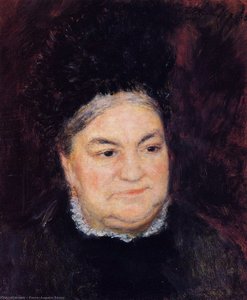
Experience Pierre-Auguste Renoir’s ‘Reflection,’ an Impressionist masterpiece capturing a woman's enigmatic gaze and vibrant Parisian light. A serene portrait brimming with nostalgia & beauty.
 Ler mais
Key Works and Themes</h2>
<p>Renoir's oeuvre is a celebration of life’s simple pleasures – intimate gatherings
Giclée / Impressão de Arte
Impressão giclée ou em tela de qualidade de museu, com produção rápida e opções flexíveis de acabamento. ( Comprar pintura feita à mão Alternar para Imagem Digital)




P118B €10

P118H €10

P118W €10

P438Z €10

P508JH €12

P508YH €12

P805H €10

P805Z €10

P919BZ €10

P919G €10

P919XJ €10

P959ZH €10

P968JZ €12

W106C €8

W218G €10

W218JH €8

W218Y €10

W307PJ €10

W316G €10

W316PJ €8

W316Y €10

W398PJ €8

W4111J €10

W500HY €15

W500JH €15

W692G €12

W849H €8

W940BG €15

W953PJ €8




Tamanho padrão
personalizado
CM
INCH
Escolha entre os nossos tamanhos pré-definidos que respeitam as proporções originais da obra de arte.
Loading sizes...

largura
altura
Insira a largura e a altura desejadas para se ajustarem à sua moldura ou parede. Uma impressão pode ser apenas cortada, nunca ampliada além da imagem original; portanto, um tamanho com proporções diferentes resultará na perda de parte da imagem. Enviamos uma maquete digital para sua aprovação antes de realizarmos a impressão. A imagem exibida nesta página não mostra o corte real — apenas a maquete o faz.
Entrega mundial () em 2 semanas, em vez das 4/5 semanas padrão. (26 Outubro)

Envio expresso gratuito para todo o mundo

Tela de Linho de Alta Qualidade

Seguro de transporte completo

Garantia de Reembolso de Impostos Alfandegários

Garantia de Fidelidade Cromática

Política de Devolução em 100 Dias (Apenas para Defeitos)

Garantia de reembolso de 100%

Oferta de desconto por quantidade
 A opção de vidro está disponível apenas para tamanhos inferiores a 110 cm

Reflection
Giclée / Impressão de Arte
Tamanho da Reprodução
-


Preço Total
€ 61
Reflection: A Moment Frozen in Light – Renoir’s Impressionistic Intimacy
Pierre-Auguste Renoir's “Reflection,” painted in 1877, isn’t merely a portrait; it’s an exquisitely captured slice of Parisian life imbued with a profound sense of nostalgia and quiet observation. This captivating oil on canvas immediately draws the viewer into a private moment, a fleeting impression of a woman lost in thought as she gazes off-camera. The painting exemplifies the core tenets of Impressionism – not just a style, but a philosophy of seeing and representing the world around us. Renoir’s masterful manipulation of light and color transforms a simple scene into an evocative meditation on beauty, memory, and the elusive nature of emotion.
The subject herself remains subtly enigmatic. Dressed in a fashionable black hat adorned with a vibrant red ribbon – a detail that immediately commands attention – she possesses a captivating stillness. Her posture suggests a gentle contemplation, perhaps a fleeting smile or a hint of melancholy playing on her lips, though her gaze is directed beyond the frame, inviting us to imagine what occupies her thoughts. The background, featuring a simple chair, isn’t merely decorative; it grounds the scene in reality and adds a layer of intimacy, as if we are privileged witnesses to this private reverie. The brushstrokes themselves are loose and visible, characteristic of Impressionism's rejection of academic precision in favor of capturing the immediacy of perception.
The Language of Light: Renoir’s Revolutionary Technique
Renoir’s approach to light is arguably the painting’s most striking element. He abandons traditional shading techniques and instead employs a vibrant, almost luminous palette to depict the scene. The red ribbon, rendered in bold strokes of crimson and pink, practically vibrates with color, while the black hat provides a dramatic contrast. This deliberate use of color isn't simply decorative; it’s a fundamental aspect of Impressionism’s exploration of how light affects our perception. As discussed in articles like those found on Light in painting, Renoir was pushing the boundaries of artistic representation by prioritizing the *effect* of light over a literal depiction of form and shadow. He sought to capture the transient qualities of sunlight as it danced across surfaces, creating an atmosphere of warmth and vibrancy.
The technique employed is remarkably fluid – short, broken brushstrokes layered upon each other to build up color and texture. This creates a sense of movement and luminosity, mirroring the way light itself seems to shimmer and shift. It’s a deliberate departure from the smooth, polished surfaces favored by earlier artists, reflecting a new emphasis on spontaneity and direct observation.
A Bridge Between Styles: Renoir's Influence and Legacy
Pierre-Auguste Renoir stands as a pivotal figure in the transition from Realism to Impressionism. His work resonated with the burgeoning artistic circles of 19th-century Paris, influencing generations of artists who followed. As noted in resources like Paul Cézanne, the Post-Impressionist painter was deeply impacted by Renoir’s emphasis on color and form. Cézanne's later explorations of planes of color and simplified forms can be seen as a direct response to Renoir’s pioneering approach. The influence extends beyond Cézanne; artists like Monet and Sisley, with whom Renoir collaborated closely, also built upon his innovations.
“Reflection” itself serves as a testament to this legacy – a beautiful example of Impressionism's commitment to capturing the fleeting beauty of everyday life. Further exploration of Renoir’s oeuvre, such as in pieces like Portrait of Margot (Portrait of a Model), reveals the breadth and depth of his artistic vision.
Bringing “Reflection” Home: A High-Quality Reproduction
TopImpressionists offers meticulously crafted hand-painted reproductions of Pierre-Auguste Renoir’s “Reflection,” allowing you to experience this iconic artwork in stunning detail. Each reproduction is created by skilled artists who painstakingly recreate the original's delicate brushstrokes, vibrant colors, and atmospheric quality. Whether displayed in a formal setting or cherished as a personal treasure, our reproductions capture the essence of Renoir’s masterpiece – its quiet beauty, evocative mood, and timeless appeal. For those seeking to delve deeper into Renoir’s world, we encourage you to visit the Museu Rhode Island School of Design Museum of Art in Providence, Rhode Island, to view original works and gain further insight into Renoir’s artistic journey.
Perguntas e Respostas
Quão harmoniosas são as cores de "Reflection" entre si?
A harmonia de cores de "Reflection" é definida como Strong Color Unity.
A qual artista "Reflection" é atribuída?
O artista por trás de "Reflection" é Pierre-Auguste Renoir. A obra está catalogada sob o nome de Pierre-Auguste Renoir.
Onde posso comprar uma impressão de "Reflection", de Pierre-Auguste Renoir?
Para obter uma impressão de "Reflection", de Pierre-Auguste Renoir, basta encomendá-la na sua página de Impressão Fine Art: uma impressão fine art em tela de algodão ou papel canvas de arquivo.
Obras Relacionadas




Biografia do Artista
Uma Vida Banhada em Luz: O Mundo de Pierre-Auguste Renoir
Nascido na província francesa de Limoges, em 1841, a trajetória de Pierre-Auguste Renoir, desde suas origens humildes como pintor de porcelana até se tornar um celebrado mestre do Impressionismo, é uma prova de sua dedicação inabalável e visão artística. Sua juventude foi marcada por uma mudança para Paris com sua família, em busca de oportunidades econômicas – uma experiência que moldaria profundamente sua sensibilidade artística. A vibrante cidade, com seu agitado cotidiano e personagens diversos, tornou-se a fonte de inspiração para grande parte de sua obra posterior. Inicialmente aprendiz de pintor de porcelana – uma necessidade prática ditada por restrições financeiras –, o jovem Renoir encontrava consolo em frequentes visitas ao Louvre, onde estudava meticulosamente os grandes mestres, absorvendo suas técnicas e desenvolvendo um apreço pela beleza que se tornaria a marca registrada de seu estilo. Essa exposição inicial despertou nele uma paixão que transcendia o mero artesanato; era um chamado para capturar as qualidades efêmeras da luz e da vida na tela. Mais tarde, ingressou no ateliê de Charles Gleyre, onde forjou amizades duradouras com aspirantes a artistas como Claude Monet, Alfred Sisley e Frédéric Bazille – um momento crucial que lançaria as bases para o movimento Impressionista.Do Realismo às Radiantes Impressões
O desenvolvimento artístico de Renoir foi uma evolução fascinante, influenciada por uma diversidade de mestres. Inicialmente inclinou-se ao realismo de Gustave Courbet e Édouard Manet, admirando seu compromisso em retratar a vida contemporânea com honestidade e franqueza. No entanto, foram as paletas luminosas e formas sensuais de Peter Paul Rubens e Jean-Antoine Watteau que verdadeiramente o cativaram, instilando em sua obra uma profunda apreciação pela beleza e uma inclinação para retratar cenas de alegria e lazer. Essas primeiras influências se consolidaram à medida que Renoir começou a forjar seu próprio estilo único, caracterizado por cores vibrantes, pinceladas soltas e um foco na captura dos efeitos fugazes da luz. Sua participação na primeira exposição Impressionista em 1874 foi um momento decisivo, embora inicialmente recebido com críticas de círculos artísticos tradicionais. Essa ousada iniciativa sinalizou uma rejeição das convenções acadêmicas e a adoção de uma nova visão artística – que buscava capturar não apenas o que o olho vê, mas como *se sente* ao experimentar um determinado momento no tempo. Pinturas como Dance at Le Moulin de la Galette (1876) exemplificam essa abordagem, imergindo os espectadores na atmosfera animada da vida noturna parisiense com sua luz difusa e figuras alegres.Capturando os Momentos Fugazes da Vida: Obras-Chave e Temas
A obra de Renoir é uma celebração dos prazeres simples da vida – encontros íntimos, paisagens ensolaradas e a beleza radiante da forma humana. Luncheon of the Boating Party (1880-81) destaca-se como uma de suas obras mais icônicas, retratando um grupo animado desfrutando de uma tarde de lazer no Sena. A pintura é uma aula magistral na captura da luz e do movimento, com figuras banhadas pela luz quente do sol e reflexos cintilantes na água. After the Bath (1885-87) demonstra a habilidade requintada de Renoir em retratar o corpo feminino nu, enfatizando tons delicados de pele e poses graciosas. Suas pinturas não são meras representações da realidade; elas são imbuídas de uma sensação de calor, intimidade e alegria que ressoa profundamente com os espectadores. Ele não se interessava por narrativas históricas grandiosas ou alegorias dramáticas; em vez disso, concentrou-se em capturar a beleza inerente à vida cotidiana, elevando momentos comuns ao status de obras de arte. Dance at Bougival, outra peça celebrada, demonstra sua capacidade de capturar impressões fugazes e efeitos atmosféricos, criando uma sensação de movimento e espontaneidade.Uma Mudança em Direção à Forma e Estrutura: Anos Posteriores e Legado
Na década de 1890, o estilo de Renoir passou por uma transformação significativa. Embora nunca tenha abandonado completamente suas raízes impressionistas, ele começou a se mover em direção a uma abordagem mais escultórica e clássica, influenciada por suas viagens à Itália e um renovado interesse pela forma e estrutura. Essa mudança foi parcialmente motivada por limitações físicas – a artrite restringia gradualmente sua mobilidade, forçando-o a adaptar sua técnica. Apesar desses desafios, Renoir continuou a pintar com dedicação inabalável, produzindo obras caracterizadas por figuras mais cheias e uma paleta mais quente. Suas pinturas posteriores frequentemente refletem um humor mais contemplativo, mas mantêm a mesma celebração subjacente da beleza que definiu seu trabalho anterior. Além de suas conquistas artísticas, o legado de Renoir se estende através de sua família; seu filho, Jean Renoir, tornou-se um renomado cineasta, transmitindo um espírito criativo através das gerações. Pierre-Auguste Renoir morreu em 1919, deixando para trás um corpo duradouro de trabalho que continua a inspirar e encantar o público em todo o mundo. Ele permanece uma das figuras mais amadas na história da arte, celebrado por sua capacidade de capturar a alegria da vida e a beleza da experiência humana com sensibilidade e graça incomparáveis.Influência Duradoura
- A influência de Renoir nas gerações subsequentes de artistas é inegável. Sua ênfase na luz, cor e captura de momentos fugazes abriu caminho para muitos movimentos artísticos modernos.
- Sua celebração da beleza e sensualidade continua a ressoar com o público hoje, tornando seu trabalho universalmente atraente.
- Ele desempenhou um papel fundamental no estabelecimento do Impressionismo como uma força importante na história da arte, desafiando as convenções tradicionais e abrindo novas possibilidades para a expressão artística.
- A popularidade duradoura de suas pinturas – reproduzidas em inúmeros pôsteres, calendários e outros produtos – testemunha a qualidade atemporal de seu trabalho.

Pierre-Auguste Renoir
1841 - 1919 , França
Dados Rápidos
- Artistas Que O Influenciaram:
- Rubens
- Watteau
- Courbet
- Manet
- Artistas/Movimentos Influenciados: ['Impressionismo']
- Data Da Morte: 3 de dezembro de 1919
- Data De Nascimento: 25 de fevereiro de 1841
- Local De Nascimento: Limoges, França
- Movimento Artístico: Impressionismo
- Nacionalidade: Francês
- Nome Completo: Pierre-Auguste Renoir
- Obras Notáveis:
- Dance at Le Moulin...
- Luncheon of the Boating...
- After the Bath
- Dance at Bougival
Artigos Relacionados

As 10 Pinturas Mais Famosas Dominadas pelo Preto: Arte, História e Decoração
Descubra as 10 pinturas mais icônicas dominadas pelo preto! Explore a história, técnica e emoção por trás de obras-primas do Romantismo, Realismo e Expressionismo. Encontre reproduções de arte exclusivas na TopImpressionists.com.

Renoir: As 25 Obras-Primas do Mestre Impressionista | TopImpressionists
Descubra as 25 obras-primas de Renoir, o mestre do Impressionismo! Explore a história, cores vibrantes e emoção por trás de quadros icônicos como 'Bal au moulin de la Galette'. Encontre reproduções de arte exclusivas para decorar sua casa com elegância em TopImpressionists.com.

Os 10 Ícones do Impressionismo que Transformaram a Arte e Decoram o Lar
Descubra os 10 quadros impressionistas que revolucionaram a arte! Explore Monet, Renoir e outros artistas icônicos. Encontre reproduções de alta qualidade para decorar seu lar com beleza e história em TopImpressionists.com.

Crimson Threads of Narrative: Exploring Symbolism & Representation in Artworks Featuring the Red Dress
Explore the rich symbolism of the red dress in art history! From ancient power displays to iconic portraits like Cézanne’s 'Madame Cezanne', discover the cultural and artistic significance behind this captivating color. Expert analysis & insights.

Os 10 Clássicos do Impressionismo que Transformaram a Arte e Decoram Sua Casa
Descubra os 10 quadros impressionistas que revolucionaram a arte! Explore Monet, Renoir e outros mestres do Impressionismo. Encontre reproduções de alta qualidade para decorar sua casa com beleza e história em TopImpressionists.com.
Explore obras de arte organizadas por temas, estilos e características.


