

 Visualizar na parede
 Compartilhar
 Compartilhar
 Detalhes
 Guia
Guia

 Baixar imagem
 Semelhantes
 Raio X
 Ver diaporama
 Perguntas e Respostas
 Estatísticas
Composição com Vermelho, Azul e Amarelo

- 45.0 x 45.0 cm


Descubra a obra-prima de Piet Mondrian! Esta composição geométrica em vermelho, azul e amarelo é um símbolo da harmonia universal e uma referência essencial ao movimento De Stijl.
 Ler mais
Mondrian’s Enduring Influence</h2>
<p>Piet Mondrian's impact on the art world is immeasurable. He wasn’t simply an artist; he was a visionary who fundamentally altered our understanding of abstraction and its potential for expressing universal truths. His work profoundly influenced countless artists
Giclée / Impressão de Arte
Impressão giclée ou em tela de qualidade de museu, com produção rápida e opções flexíveis de acabamento. ( Comprar pintura feita à mão Alternar para Imagem Digital)




P118B €10

P118H €10

P118W €10

P438Z €10

P508JH €12

P508YH €12

P805H €10

P805Z €10

P919BZ €10

P919G €10

P919XJ €10

P959ZH €10

P968JZ €12

W106C €8

W218G €10

W218JH €8

W218Y €10

W307PJ €10

W316G €10

W316PJ €8

W316Y €10

W398PJ €8

W4111J €10

W500HY €15

W500JH €15

W692G €12

W849H €8

W940BG €15

W953PJ €8




Tamanho padrão
personalizado
CM
INCH
Escolha entre os nossos tamanhos pré-definidos que respeitam as proporções originais da obra de arte.
Loading sizes...

largura
altura
Insira a largura e a altura desejadas para se ajustarem à sua moldura ou parede. Uma impressão pode ser apenas cortada, nunca ampliada além da imagem original; portanto, um tamanho com proporções diferentes resultará na perda de parte da imagem. Enviamos uma maquete digital para sua aprovação antes de realizarmos a impressão. A imagem exibida nesta página não mostra o corte real — apenas a maquete o faz.
Entrega mundial () em 2 semanas, em vez das 4/5 semanas padrão. (3 Novembro)

Envio expresso gratuito para todo o mundo

Tela de Linho de Alta Qualidade

Seguro de transporte completo

Garantia de Reembolso de Impostos Alfandegários

Garantia de Fidelidade Cromática

Política de Devolução em 100 Dias (Apenas para Defeitos)

Garantia de reembolso de 100%

Oferta de desconto por quantidade
 A opção de vidro está disponível apenas para tamanhos inferiores a 110 cm

Composição com Vermelho, Azul e Amarelo
Giclée / Impressão de Arte
Tamanho da Reprodução
-


Preço Total
€ 62
Composition with Red, Blue and Yellow: A Geometric Revelation
Piet Mondrian’s “Composition with Red, Blue and Yellow,” created in 1930, transcends mere pigment on canvas; it represents a profound philosophical statement—a cornerstone of De Stijl and an enduring emblem of geometric harmony. More than just visual aesthetics, this artwork delves into the core tenets of abstraction, challenging conventional artistic perceptions and inviting contemplation about universal beauty.
Early Life and Artistic Beginnings: Pieter Cornelis Mondriaan’s journey began in Amersfoort, Netherlands, where he absorbed influences from his uncle Frits Mondriaan—a painter deeply rooted in the Hague School's Impressionistic tradition. From a young age, Mondrian demonstrated exceptional artistic talent, nurtured by familial encouragement. Initially captivated by landscapes – mirroring the stylistic explorations of Impressionism and Dutch Romanticism – works like *The Red Mill* reveal an artist diligently studying nature, mastering technique, yet subtly hinting at aspirations beyond simple representation. Even in these formative pieces, a preoccupation with simplification persisted; Mondrian wasn’t merely replicating what he observed but striving to distill its essence.
- Pointillism and Fauvism: Mondrian's artistic experimentation extended beyond landscapes, encompassing styles like Pointillism and Fauvism. These movements offered distinct perspectives on color and form, providing valuable insights into his evolving aesthetic sensibilities.
- Influence of Cubism: Exposure to Cubism profoundly impacted Mondrian’s worldview, prompting him to dismantle traditional notions of perspective and spatial representation – a crucial step toward liberating art from representational constraints.
The Birth of Neoplasticism
Around 1920, Mondrian formulated “Neoplasticism,” a revolutionary artistic doctrine that prioritized geometric abstraction—specifically vertical and horizontal lines—and the use of primary colors: red, blue, and yellow. This method deliberately rejected illusionistic representation, asserting that art could convey fundamental visual elements and express universal truths. It wasn’t merely about aesthetics; it was about embracing a conceptual framework that sought to transcend subjective experience.
“Composition with Red, Blue and Yellow” embodies this Neoplastic ideal perfectly. The central red rectangle dominates the composition, flanked by wide horizontal strips meticulously divided into parallel lines—a deliberate simplification designed to eliminate extraneous detail and emphasize pure geometric form. This careful arrangement contributes to a sense of balance and serenity, reflecting Mondrian’s belief in the inherent orderliness of the cosmos.
Symbolism and Emotional Impact
Beyond its formal structure, “Composition with Red, Blue and Yellow” carries significant symbolic weight. The chosen colors—red, blue, and yellow—represent fundamental elements of existence: passion, tranquility, and intellect respectively. Their harmonious juxtaposition symbolizes unity and balance – concepts central to Mondrian’s philosophical worldview.
This artwork continues to resonate with audiences today because it speaks to a timeless desire for clarity and beauty. Its austere elegance invites contemplation about the relationship between art and spirituality, reminding us that true artistic expression can transcend superficial appearances and connect us to something deeper—a universal harmony that persists across cultures and eras.
Technical Considerations
Executed with meticulous precision using oil paints on canvas, “Composition with Red, Blue and Yellow” exemplifies Mondrian’s commitment to craftsmanship. The artist employed a technique known as alla prima – applying paint directly onto the canvas without any underpainting—resulting in vibrant colors and textural nuances that capture the essence of the artwork.
Perguntas e Respostas
Que tipo de obra de arte é "Composição com Vermelho, Azul e Amarelo", de Piet Mondrian?
No catálogo, "Composição com Vermelho, Azul e Amarelo", de Piet Mondrian está registrado como Arte de Parede. A categoria ajuda a encontrar obras semelhantes.
Qual é o nível de popularidade de "Composição com Vermelho, Azul e Amarelo" dentro do De Stijl?
Dentro do movimento De Stijl, "Composição com Vermelho, Azul e Amarelo" possui um nível de popularidade Icônico.
Que tom emocional acompanha o estilo De Stijl de "Composição com Vermelho, Azul e Amarelo"?
Dentro do movimento De Stijl, "Composição com Vermelho, Azul e Amarelo" é registrada com um tom Calma.
Biografia do Artista
Uma Vida Revelada: A Jornada de Piet Mondrian
Nascido Pieter Cornelis Mondriaan em 1872, na tranquila cidade holandesa de Amersfoort, o percurso artístico de Piet Mondrian não foi uma revelação imediata, mas um desdobramento gradual. Sua juventude foi imersa na tradição; seu tio, Frits Mondriaan, já era um pintor estabelecido, e essa conexão familiar inicialmente o direcionou para a pintura paisagística. Essas primeiras obras, que lembram a Escola de Haia e o Impressionismo holandês – como *O Moinho Vermelho* – revelam um jovem artista estudando diligentemente a natureza, dominando a técnica, mas sutilmente buscando algo além da mera representação. Mesmo naquele período inicial, uma ânsia por simplificação parecia puxar seus traços de pincel. Ele não se contentava em simplesmente espelhar o mundo; ele queria destilar sua essência. Essa fase inicial foi marcada pela experimentação com Pontilhismo e Fauvismo, cada estilo oferecendo uma lente diferente para visualizar cor e forma, mas nenhum satisfazendo plenamente sua crescente visão artística. Foi um tempo de exploração, um prelúdio necessário à ruptura radical que definiria seu legado.O Despertar em Paris e o Nascimento do Neoplasticismo
Um momento crucial chegou em 1912 com a mudança de Mondrian para Paris. A cidade pulsava com energia vanguardista, e ele se viu imerso no mundo revolucionário do Cubismo. Esse encontro provou ser transformador. Ele começou a decompor formas, dividindo objetos em seus componentes geométricos, afastando-se da representação do *que* via para explorar o *como* via. Mas Mondrian não estava apenas adotando um novo estilo; ele estava embarcando numa busca espiritual. Profundamente influenciado pela Teosofia – uma filosofia mística que enfatiza princípios universais subjacentes – ele acreditava que a arte poderia ser um veículo para expressar essas verdades ocultas. Essa crença alimentou sua incansável busca pela abstração, impulsionando-o a reduzir cor e forma aos seus elementos mais fundamentais. Por volta de 1917, essa jornada culminou na formulação do Neoplasticismo, frequentemente referido como “arte plástica pura”. Era uma estética radical baseada em formas essenciais – linhas retas, ângulos retos – e uma paleta limitada: cores primárias (vermelho, azul, amarelo), preto, branco e cinza. Para Mondrian, essa redução não era sobre vazio; era sobre revelar a harmonia subjacente do universo, uma manifestação visual da ordem espiritual. Ele co-fundou o movimento *De Stijl* com Theo van Doesburg para promover essas ideias, solidificando o Neoplasticismo como uma força definidora na arte moderna. Obras-primas como *Composição com Vermelho, Azul e Amarelo* e *Tableau no. 2 Composição no. V* são testemunhos desse período, representações icônicas de seu compromisso inabalável com a pureza geométrica.Ritmos Novos: Um Florescimento Tardia em Nova York
O início da Segunda Guerra Mundial forçou Mondrian a fugir da Europa em 1940, encontrando refúgio na metrópole vibrante de Nova York. Essa mudança provou ser inesperadamente revigorante. A estrutura rígida da cidade – um contraste marcante com as paisagens mais orgânicas que ele conhecera – ressoava com seus princípios artísticos. Seus trabalhos posteriores, notavelmente *Broadway Boogie Woogie* (1943), refletem essa influência. Mantendo os princípios fundamentais do Neoplasticismo, a pintura introduz uma energia dinâmica, um ritmo vibrante inspirado na vida pulsante da cidade e no jazz. As linhas retas ainda estão presentes, mas agora dançam e se cruzam com maior liberdade, criando uma sensação de movimento e alegria. Era como se Mondrian tivesse encontrado uma nova linguagem dentro de seu vocabulário estabelecido, uma maneira de expressar as complexidades da existência urbana moderna através da simplicidade da abstração geométrica. Ele continuou refinando seu estilo até sua morte em 1944, deixando para trás um corpo de trabalho que continua a cativar e inspirar.Um Legado Duradouro: A Influência Contínua de Mondrian
O impacto de Piet Mondrian no mundo da arte é imensurável. Ele não era apenas um artista; ele era um visionário que alterou fundamentalmente nossa compreensão da abstração e seu potencial para expressar verdades universais. Seu trabalho influenciou profundamente inúmeros artistas, movimentos e disciplinas. O Expressionismo Abstrato, o Minimalismo e a Pintura de Campo de Cor devem uma dívida ao seu espírito pioneiro. Mas sua influência se estende muito além da tela. Os princípios do Neoplasticismo – simplicidade, clareza, ordem geométrica – permearam a arquitetura, o design e a moda. De móveis e têxteis a fachadas de edifícios e layouts gráficos, a estética de Mondrian continua a moldar nosso mundo visual. Ele permanece uma figura icônica na arte moderna, um símbolo da busca incansável pela abstração e do poder duradouro da inovação artística. Como o historiador do design Stephen Bayley observou com precisão, Mondrian se tornou um “totem para tudo o que o Modernismo se propôs a ser”. Seu legado não é apenas de beleza estética, mas de rigor intelectual, profundidade espiritual e uma crença inabalável no potencial transformador da arte.Influências e Obras Chave
- Influências Iniciais: A Escola de Haia, o Impressionismo holandês, o Pontilhismo e o Fauvismo forneceram a base para suas primeiras explorações artísticas.
- Influência Transformadora: O Cubismo em Paris foi crucial para sua mudança em direção à abstração e às formas geométricas.
- Fundamento Filosófico: A Teosofia informou profundamente sua crença de que a arte poderia expressar princípios espirituais universais.
- Obras Chave: *O Moinho Vermelho* (período naturalista inicial), *Composição com Vermelho, Azul e Amarelo* (Neoplasticismo quintessencial), *Tableau no. 2 Composição no. V* (demonstra a redução a formas essenciais), *Broadway Boogie Woogie* (dinamismo tardio influenciado pela cidade de Nova York).
- Impacto Duradouro: O trabalho de Mondrian continua a inspirar artistas, arquitetos e designers, moldando a estética moderna em várias disciplinas.

Piet Mondrian
1872 - 1944 , Países Baixos
Dados Rápidos
- Artistas Que O Influenciaram:
- Hague School
- Cubismo
- Teosofia
- Artistas/Movimentos Influenciados:
- Expressionismo Abstrato
- Minimalismo
- Color Field
- Data Da Morte: 1 de fevereiro de 1944
- Data De Nascimento: 7 de março de 1872
- Local De Nascimento: Amersfoort, Países Baixos
- Movimento Artístico: Neoplasticismo, De Stijl
- Nacionalidade: Holandês
- Nome Completo: Pieter Cornelis Mondriaan
- Obras Notáveis:
- Composição com Vermelho...
- Tableau no. 2 Composição V
- Broadway Boogie Woogie
Artigos Relacionados

Goya: As 25 Obras-Primas que Definem um Mestre da Arte Espanhola | TopImpressionists
Descubra as 25 obras-primas de Francisco Goya, o mestre espanhol do Romantismo. Explore retratos icônicos, gravuras impactantes e a história por trás de 'Saturno Devorando seu Filho' e 'A Majas'. Encontre reproduções de arte exclusivas para decorar sua casa com TopImpressionists.com.
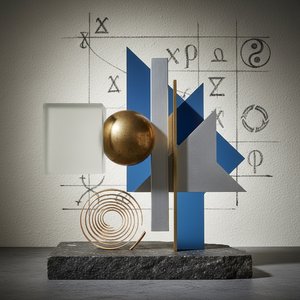
Beyond Form: Exploring the Philosophical Foundations of Geometric Abstraction
Explore the philosophical roots & artistic evolution of geometric abstraction with TopImpressionists. Discover Mondrian, Malevich, De Stijl & more. Expert insights for collectors and art enthusiasts.

Theo van Doesburg: Pioneering De Stijl & the Evolution of Neo-Plasticism
Explore the revolutionary De Stijl movement & Neo-Plasticism with our expert guide. Discover Piet Mondrian, Theo van Doesburg, and the lasting impact of this influential art style. Learn about collecting & investing in De Stijl masterpieces.

Neoplasticism Unveiled: The Power of Pure Color and Geometric Form in Modern Abstract Art
Explore the profound essence of Neoplasticism. Discover how Piet Mondrian and De Stijl masters used pure color and geometric form to redefine modern art. An essential guide for collectors seeking to understand the enduring power of abstract harmony and universal order.

Abstração Geométrica: 10 Obras-Primas que Moldaram a Arte Moderna | TopImpressionists.com
Descubra as 10 obras-primas da Abstração Geométrica que revolucionaram a arte moderna! Explore Kandinsky, Mondrian e outros artistas icônicos. Encontre reproduções de alta qualidade para decorar sua casa com TopImpressionists.com.
Explore obras de arte organizadas por temas, estilos e características.


