

 Visualizar na parede
 Compartilhar
 Compartilhar
 Detalhes
 Guia
Guia

 Baixar imagem
 Semelhantes
 Raio X
 Ver diaporama
 Perguntas e Respostas
 Estatísticas
Uncle Tom and LIttle Eva


Explore 'Uncle Tom and Little Eva' by Robert Seldon Duncanson, a poignant 1866 painting reflecting abolitionism & the complexities of race in American art. Discover its historical context & artistic significance.
 Ler mais
Robert Seldon Duncanson (1821-1872) foi o primeiro artista afro-americano a alcançar reconhecimento internacional por paisagens. Sua obra, influenciada pela Escola de Hudson, retrata a beleza serena do Ohio Valley e carrega potenciais metáforas raciais dentro do Romantismo.
Giclée / Impressão de Arte
Impressão giclée ou em tela de qualidade de museu, com produção rápida e opções flexíveis de acabamento. ( Comprar pintura feita à mão Alternar para Imagem Digital)




P118B €10

P118H €10

P118W €10

P438Z €10

P508JH €12

P508YH €12

P805H €10

P805Z €10

P919BZ €10

P919G €10

P919XJ €10

P959ZH €10

P968JZ €12

W106C €8

W218G €10

W218JH €8

W218Y €10

W307PJ €10

W316G €10

W316PJ €8

W316Y €10

W398PJ €8

W4111J €10

W500HY €15

W500JH €15

W692G €12

W849H €8

W940BG €15

W953PJ €8




Tamanho padrão
personalizado
CM
INCH
Escolha entre os nossos tamanhos pré-definidos que respeitam as proporções originais da obra de arte.
Loading sizes...

largura
altura
Insira a largura e a altura desejadas para se ajustarem à sua moldura ou parede. Uma impressão pode ser apenas cortada, nunca ampliada além da imagem original; portanto, um tamanho com proporções diferentes resultará na perda de parte da imagem. Enviamos uma maquete digital para sua aprovação antes de realizarmos a impressão. A imagem exibida nesta página não mostra o corte real — apenas a maquete o faz.
Entrega mundial () em 2 semanas, em vez das 4/5 semanas padrão. (4 Novembro)

Envio expresso gratuito para todo o mundo

Tela de Linho de Alta Qualidade

Seguro de transporte completo

Garantia de Reembolso de Impostos Alfandegários

Garantia de Fidelidade Cromática

Política de Devolução em 100 Dias (Apenas para Defeitos)

Garantia de reembolso de 100%

Oferta de desconto por quantidade
 A opção de vidro está disponível apenas para tamanhos inferiores a 110 cm

Uncle Tom and LIttle Eva
Giclée / Impressão de Arte
Tamanho da Reprodução
-


Preço Total
€ 62
A Poignant Encounter in the American Landscape
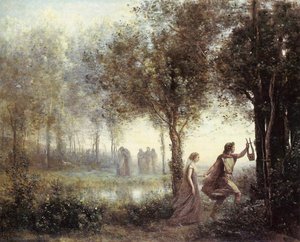
In the tender brushstrokes of Robert Seldon Duncanson’s 1853 masterpiece, Uncle Tom and Little Eva, we are invited into a moment of profound stillness and quiet connection. The painting presents a scene of serene companionship, where a man and a young girl sit nestled beneath the protective canopy of a sprawling tree. Clad in luminous white garments that seem to catch the soft, filtered light of the afternoon, they exist in a world seemingly removed from the turbulence of their era. As the woman—or perhaps the youthful figure representing Eva—points toward a distant horizon, her gesture draws our eyes across the tranquil water where a solitary boat rests near the shore. This delicate interaction between the figures and the vastness of the landscape creates a sense of longing and wonder, capturing a fleeting instance of peace amidst the shifting tides of history.
Duncanson, a pioneer of the American landscape tradition, utilizes his mastery of light and atmosphere to elevate this narrative scene into something much more than a mere portrait. The composition is enriched by the presence of birds in flight, scattered throughout the sky like living notes of music, adding a layer of kinetic energy to an otherwise motionless tableau. Through his expert use of color and texture, Duncanson achieves a luminous quality that breathes life into the natural elements, from the verdant foliage of the sheltering tree to the shimmering reflections on the water's surface. For the discerning collector or interior designer, this piece offers a sophisticated interplay of light and shadow, making it an ideal centerpiece for spaces that value tranquility, depth, and historical resonance.
Historical Resonance and Symbolic Depth
To understand the emotional weight of Uncle Tom and Little Eva, one must look through the lens of its mid-19th-century context. Created in 1853, a period of intense social upheaval in the United States, the painting subtly engages with the cultural zeitgeist of the time. The figures, evocative of characters from Harriet Beecher Stowe’s influential literature, represent much more than a simple pastoral scene; they embody themes of innocence, resilience, and the enduring human spirit. The choice of white clothing serves as a powerful symbol of purity and spiritual light, contrasting beautifully with the earthy, grounded tones of the American landscape that Duncanson so loved to depict.
The artistry lies in how Duncanson weaves these heavy historical themes into a soft, romanticized aesthetic. He does not rely on overt political statements but instead uses the harmony of nature—the calm water, the steady tree, and the rhythmic flight of birds—to suggest a yearning for peace and justice. This subtle approach allows the artwork to resonate on multiple levels: as a beautiful landscape, a touching character study, and a profound historical document. For those seeking to adorn their homes with art that inspires contemplation, this reproduction offers an unparalleled opportunity to possess a piece that is as intellectually stimulating as it is visually breathtaking.
A Timeless Addition to the Refined Interior
For the art enthusiast or the professional decorator, a high-quality reproduction of this work serves as more than just decoration; it acts as a window into a pivotal moment in American art history. The painting’s palette—a sophisticated blend of soft whites, deep greens, and tranquil blues—complements a wide array of interior styles, from classic traditionalism to modern organic aesthetics. Its ability to evoke a sense of calm and nostalgia makes it a transformative element in any room, providing a focal point that invites guests to linger and reflect.
Owning a piece that celebrates the legacy of Robert Seldon Duncanson means bringing into one's environment a testament to perseverance and artistic brilliance. The meticulous detail captured in every leaf and every ripple of water ensures that this reproduction maintains the soul of the original 1853 masterpiece. Whether placed in a sunlit library or a quiet study, Uncle Tom and Little Eva continues to tell a story of connection, beauty, and the enduring power of the natural world.
Perguntas e Respostas
"Uncle Tom and LIttle Eva" é mais claro ou mais escuro no geral?
"Uncle Tom and LIttle Eva", de Robert Seldon Duncanson apresenta um brilho de bright, com uma luminância de Gentle Luminance.
Que sentimento "Uncle Tom and LIttle Eva", de Robert Seldon Duncanson expressa dentro de Hudson River School?
"Uncle Tom and LIttle Eva" carrega um tom emocional Tranquil dentro do movimento Hudson River School.
Que sensação as cores de "Uncle Tom and LIttle Eva", de Robert Seldon Duncanson transmitem?
"Uncle Tom and LIttle Eva", de Robert Seldon Duncanson combina uma paleta Earthy com um tom Tranquil.


Biografia do Artista
A Pioneer of the American Landscape
Robert Seldon Duncanson, um nome que ressoa com brilhantismo artístico e significado histórico, emergiu como uma figura central na arte americana do século XIX. Nascido por volta de 1821 em Fayetteville, Nova York, filho de pais de origem europeia e africana – seu pai, John Dean Duncanson, um comerciante negro livre que transmitiu valores de diligência e aprendizado – Duncanson navegou por um mundo marcado pelo preconceito racial, ao mesmo tempo em que alcançou reconhecimento internacional como pintor de paisagens. Sua jornada foi uma de autossuficiência, dedicação inabalável e uma profunda conexão com o mundo natural, estabelecendo-o finalmente como o primeiro artista afro-americano a alcançar ampla notoriedade tanto nos Estados Unidos quanto na Europa. A mudança da família para Monroe, Michigan, viu Robert aprendizado artesanalmente e trabalhando como pintor itinerante, revelando uma aptidão precoce para a arte que logo definiria seu caminho de vida.De Retratos a Vistas Panorâmicas
O desenvolvimento artístico de Duncanson começou com retratos, um meio prático de estabelecer-se como artista profissional. No entanto, a cena cultural em ascensão de Cincinnati, Ohio – uma cidade conhecida como a “Atenas do Oeste” – chamou sua atenção em 1840, oferecendo oportunidades de crescimento e exposição que não estavam disponíveis em outro lugar. Largamente autodidata, Duncanson aprimorou suas habilidades através de estudo diligente de gravuras e impressões, esboços diretos da natureza e cópias meticulosas das obras de mestres estabelecidos. Essa abordagem rigorosa permitiu-lhe desenvolver um olhar apurado para o detalhe e uma notável proficiência técnica, apesar de não ter recebido treinamento formal. Foi em Cincinnati que ele começou sua transição para a pintura de paisagens, atraído pelos ideais românticos e pela beleza sublime da natureza americana. A influência da Escola do Rio Hudson tornou-se cada vez mais evidente em seu trabalho, particularmente nas composições evocativas de Thomas Cole, cujas representações dramáticas da natureza ressoaram profundamente com as sensibilidades artísticas de Duncanson. Ele não se limitava a reproduzir cenas; estava interpretando-as através de uma lente pessoal única, imbuindo suas telas com um senso de tranquilidade e conexão espiritual.Uma Sobeira Europeia e Reconhecimento Internacional
Um ponto de virada na carreira de Duncanson ocorreu em 1853-1854 com uma extensa viagem pela Europa. Essa jornada lhe proporcionou exposição inestimável às obras de mestres europeus, expandindo seus horizontes artísticos e refinando sua técnica. Estudou os Mestres da Velha Guarda, absorvendo suas abordagens à luz, cor e composição, que ele então integrou ao seu estilo distinto. Ao retornar, a obra de Duncanson demonstrou uma nova sofisticação e maturidade, atraindo atenção não apenas nos Estados Unidos, mas também na Inglaterra, Escócia e Canadá. Exposições se seguiram, consolidando sua reputação como um artista de talento considerável e visão. Tornou-se uma figura-chave no desenvolvimento da tradição da paisagem do Rio Ohio, capturando a beleza serena da região com notável habilidade. Suas pinturas não eram apenas representações de lugar; eram expressões de humor, atmosfera e o poder sublime da natureza.Legado e Significado Histórico
O legado de Robert Seldon Duncanson se estende além de suas conquistas artísticas. Ele quebrou barreiras para artistas afro-americanos durante um período marcado pela discriminação racial generalizada, servindo como inspiração para futuras gerações. Seu sucesso desafiou as normas sociais prevalecentes e demonstrou o poder da arte para transcender o preconceito. Embora os estudiosos de arte continuem a debater a extensão em que sua raça influenciou sua expressão artística – alguns sugerindo representações simbólicas sutis de temas raciais em suas paisagens – não há como negar que a história de vida de Duncanson é um testemunho de resiliência, talento e do espírito humano duradouro. Tragicamente, ele sofreu uma forma de demência no final de sua vida, possivelmente devido à intoxicação por chumbo presente nas tintas que usava, e morreu repentinamente em 1872 enquanto se preparava para uma exposição em Detroit. Hoje, Robert Seldon Duncanson permanece como uma figura pioneira – um testemunho do poder da arte para superar a adversidade e deixar uma impressão indelével no mundo. Suas vistas serenas continuam a cativar o público, lembrando-nos da beleza duradoura da natureza e do talento notável de um artista que ousou sonhar além das limitações impostas por seu tempo.- Temas Principais: Pintura de paisagens, influência Romântica, Escola do Rio Hudson.
- Obras Notáveis: “Paisagem com Ovelhas”, “Vida em Rosa” e inúmeras representações da paisagem do Rio Ohio.

Robert Seldon Duncanson
1821 - 1872 , Estados Unidos da América
Dados Rápidos
- Artistic Movement Or Style: Hudson River School
- Artists Or Movements Influenced By This Artist: ['Tradição Ohio River Valley']
- Artists Who Influenced This Artist: ['Thomas Cole']
- Date Of Birth: c. 1821
- Date Of Death: 1872
- Full Name: Robert Seldon Duncanson
- Nationality: Americano
- Notable Artworks:
- Paisagem com Ovelhas
- Rosa em Silho
- Place Of Birth: Fayetteville, EUA
Artigos Relacionados

Capturing the Soul of Nature: A Journey Through the Sublime Majesty of American Romanticism
Explore the breathtaking beauty of American Romanticism. Discover how Hudson River School masters captured the sublime spirit of the wilderness through luminous oil landscapes and emotional depth. A journey into the soul of nature for the true art enthusiast.
Explore obras de arte organizadas por temas, estilos e características.
