


 Visualizar na parede
 Compartilhar
 Compartilhar
 Detalhes
 Guia
Guia

 Baixar imagem
 Semelhantes
 Raio X
 Ver diaporama
 Q&A
Q&A Estatísticas
A Cloud Study, Exmoor
 Oil On Canvas
- WallArt
- Impressionism
 19th Century
 34.0 x 61.0 cm
 The Munnings Art Museum
Explore Sir Alfred Munnings’ ‘A Cloud Study, Exmoor’. A stunning Impressionistic landscape of billowing clouds & rural beauty. Discover its atmospheric style & unique charm.
 Ler mais
Sir Alfred Munnings: O mestre da pintura equina e retratista da vida rural inglesa! Celebre a beleza dos cavalos, caçadores e paisagens tradicionais com este artista icônico.
A obra de arte exibida nesta página é protegida por leis de direitos autorais, o que significa que não podemos criar ou vender legalmente uma reprodução idêntica. Esta proteção é aplicada por meio de acordos internacionais, tais como a Convenção de Berna e pelas leis nacionais, incluindo as estabelecidas por Lei de Direitos Autorais dos EUA - Título 17.
Este método cumpre plenamente as regulamentações de direitos autorais, pois não envolve a cópia ou duplicação da obra protegida. Em vez disso, trata-se de uma reinterpretação criativa — uma nova pintura que é influenciada pela original, mas não idêntica a ela.
Giclée / Impressão de Arte
Impressão giclée ou em tela de qualidade de museu, com produção rápida e opções flexíveis de acabamento. ( Comprar pintura feita à mão Alternar para Imagem Digital)




P118B €10

P118H €10

P118W €10

P438Z €10

P508JH €12

P508YH €12

P805H €10

P805Z €10

P919BZ €10

P919G €10

P919XJ €10

P959ZH €10

P968JZ €12

W106C €8

W218G €10

W218JH €8

W218Y €10

W307PJ €10

W316G €10

W316PJ €8

W316Y €10

W398PJ €8

W4111J €10

W500HY €15

W500JH €15

W692G €12

W849H €8

W940BG €15

W953PJ €8




Tamanho padrão
personalizado
CM
INCH
Escolha entre os nossos tamanhos pré-definidos que respeitam as proporções originais da obra de arte.
Loading sizes...

largura
altura
Insira a largura e a altura desejadas para se ajustarem à sua moldura ou parede. Uma impressão pode ser apenas cortada, nunca ampliada além da imagem original; portanto, um tamanho com proporções diferentes resultará na perda de parte da imagem. Enviamos uma maquete digital para sua aprovação antes de realizarmos a impressão. A imagem exibida nesta página não mostra o corte real — apenas a maquete o faz.
Entrega mundial () em 2 semanas, em vez das 4/5 semanas padrão. (29 Outubro)

Envio expresso gratuito para todo o mundo

Tela de Linho de Alta Qualidade

Seguro de transporte completo

Garantia de Reembolso de Impostos Alfandegários

Garantia de Fidelidade Cromática

Política de Devolução em 100 Dias (Apenas para Defeitos)

Garantia de reembolso de 100%

Oferta de desconto por quantidade
 A opção de vidro está disponível apenas para tamanhos inferiores a 110 cm

A Cloud Study, Exmoor
Giclée / Impressão de Arte
Tamanho da Reprodução
-


Preço Total
€ 61
The Ethereal Majesty of the Exmoor Skies
In the quiet, sweeping expanses of the English countryside, there are moments when the heavens descend to meet the earth in a breathtaking display of light and shadow. Sir Alfred James Munnings, a master of capturing the fleeting soul of the British landscape, achieves this sublime connection in A Cloud Study, Exmoor. This piece is not merely a depiction of weather; it is an immersive experience of the atmosphere itself. The viewer is immediately drawn into a panoramic vista where the sky reigns supreme, filled with billowing, monumental clouds that seem to pulse with a life of their own. Below this celestial drama, a muted band of earth—rendered in soft beiges and deep, loamy browns—provides a grounding presence, acting as a silent stage for the light show unfolding above.
The technique employed here speaks to Munnings’s profound ability to translate movement onto canvas. Eschewing rigid, clinical detail in favor of a more Impressionistic and Luminist approach, the artist utilizes loose, expressive brushwork to build volume within the cloud formations. One can almost feel the moisture in the air and the gentle drift of the wind through the visible layers of paint. This tactile quality creates a sense of profound depth; as the clouds recede toward the horizon, they soften into a hazy, atmospheric distance, while the foreground textures remain palpable. It is a masterclass in using tonal variation to create a three-dimensional world within a two-dimensional plane.
A Legacy of Rural Tranquility
To understand this work, one must look to the heart of Munnings’s artistic identity. While he is globally celebrated for his unparalleled depictions of equine grace and the vibrant energy of fox hunting, his "studies" reveal a more contemplative side of his genius. A Cloud Study, Exmoor represents the artist at his most observant and meditative. It captures a vanishing era of the British landscape—a time of stillness and natural rhythm that feels increasingly precious in our modern, frenetic world. There is no explicit narrative or overt symbolism here; instead, the painting relies on the raw, naturalistic beauty of the Exmoor moorlands to evoke emotion.
For the discerning collector or interior designer, this artwork offers a unique opportunity to introduce a sense of vastness and peace into a living space. The subdued color palette and soft, organic lines make it an incredibly versatile piece, capable of anchoring a room with its quiet dignity. Whether placed in a sunlit gallery or a more intimate study, the painting radiates a sense of tranquility and a touch of melancholy that invites long periods of reflection. It is an invitation to pause, to breathe, and to reconnect with the enduring, atmospheric beauty of the natural world.
Perguntas e Respostas
Quão harmoniosas são as cores de "A Cloud Study, Exmoor" entre si?
A harmonia de cores de "A Cloud Study, Exmoor" é definida como Softly Mixed Palette.
Como é construída a composição cromática de "A Cloud Study, Exmoor", de Alfred Munnings?
A análise cromática de "A Cloud Study, Exmoor", de Alfred Munnings revela um contraste Serene e uma harmonia Softly Mixed Palette.
Qual ambiente combina com as cores de "A Cloud Study, Exmoor", de Alfred Munnings?
Com sua paleta Neutrals, "A Cloud Study, Exmoor", de Alfred Munnings é recomendado para um Wellness Center. As cores são parte do motivo desta sugestão.
Obras Relacionadas


Biografia do Artista
A Life Immersed in Equine Grace
Sir Alfred James Munnings, a name inextricably linked to the vibrant depiction of horses and the romantic allure of rural England, occupies a pivotal position within 20th-century British art. Born in 1878 amidst the rolling landscapes of Suffolk, his life was profoundly shaped by an enduring connection with the equine world – a bond that would define his artistic vision and propel him to prominence. Munnings wasn’t simply recording what he saw; he was preserving a feeling, an atmosphere, a world poised on the brink of irreversible change. He captured a vanishing way of life, a keenly observed portrait of Britain steeped in tradition, hunting, and the rhythms of the countryside. His early works often depicted rural scenes, particularly those featuring gypsies and horses roaming the Suffolk countryside, imbued with a romantic sensibility that showcased his growing mastery of color and light. These paintings weren’t merely representations; they were expressions of a deep affection for the land and its inhabitants.From Rural Beginnings to Artistic Development
Munnings’s artistic journey began not within the formal confines of an academy, but in the practical world of a Norwich printing house. This apprenticeship honed his skills in design and observation while simultaneously allowing him to pursue studies at the Norwich School of Art. It was a formative period, instilling a discipline that would serve him well as he navigated the challenges of establishing himself as an artist. Early influences included the plein air painters of the Newlyn School in Cornwall, where he embraced their commitment to capturing light and atmosphere directly from nature. This immersion in Impressionistic techniques laid the groundwork for his signature style – loose brushwork, a vibrant palette, and a palpable sense of movement. He was particularly drawn to the work of Henri de Toulouse-Lautrec, whose depictions of Parisian nightlife influenced his later compositions. Munnings’s early subjects often included scenes of rural life, capturing the essence of working horses and the traditions associated with farming and hunting. His ability to convey both the physical beauty of these animals and the emotional connection between humans and horses quickly established him as a distinctive voice in British art.War, Recognition, and a Champion of Tradition
The First World War profoundly shaped both Munnings's artistic perspective and his public profile. Though initially deemed unfit for combat due to an eye injury sustained in 1908, he was nonetheless commissioned by the Canadian War Memorials Fund to document the role of horses in the conflict. This led him to France, where he spent several months meticulously painting scenes of the Canadian Cavalry Brigade – not glorifying battle but capturing the quiet dignity and resilience of both men and animals amidst the horrors of war. These paintings, characterized by their understated realism and poignant emotional depth, garnered significant acclaim and brought Munnings national recognition. Following the war, Munnings continued to paint extensively, establishing a studio in Dedham, Essex, where he created a prolific body of work depicting hunting scenes, racing events, and portraits of prominent figures from the aristocracy and sporting world. He became known for his ability to capture not only physical likeness but also the character and spirit of his subjects. However, Munnings was also a staunch defender of traditional artistic values, often expressing his disapproval of modern art movements such as Cubism and Surrealism with outspokenness and conviction.Major Achievements
- Royal Academy President: Elected President of the Royal Academy in 1944, serving until 1949.
- Knighthood: Knighted Bachelor in 1944 and appointed a Knight Commander of the Royal Victorian Order in 1947.
- War Artist Commissions: Recognized for his work documenting the Canadian Cavalry during WWI.
- Sculptural Work: Created sculptures, including an equestrian statue of Edward Horner.
His legacy endures not only through his masterful paintings but also as a passionate advocate for artistic tradition in a rapidly modernizing world.

Alfred Munnings
1878 - 1959 , Reino Unido
Dados Rápidos
- Artistic Movement Or Style: Impressionismo
- Artists Or Movements Influenced By This Artist: ['Modernismo']
- Artists Who Influenced This Artist: ['Escola de Newlyn']
- Date Of Birth: 1878
- Date Of Death: 1959
- Full Name: Sir Alfred James Munnings
- Nationality: Britânico
- Notable Artworks:
- A Fancy Dress Ball
- A Piper
- Sky Study -
- Place Of Birth: Mendham, Reino Unido
Artigos Relacionados

Beyond the Light: Capturing Raw Emotion and Subjective Vision in Post-Impressionist Landscapes
Explore the profound emotional depth of Post-Impressionist landscapes. Discover how masters like Van Gogh moved beyond light to capture raw human feeling through vibrant color and expressive texture in this expert art history retrospective.

The Beauty of Impermanence: Capturing Decay through Impressionist Eyes
Explore the profound beauty of impermanence through Impressionist and Post-Impressionist eyes. Discover how masters like Monet and Van Gogh captured fleeting light and the poetic essence of nature's transitions in our deep dive into art history and emotional landscapes.
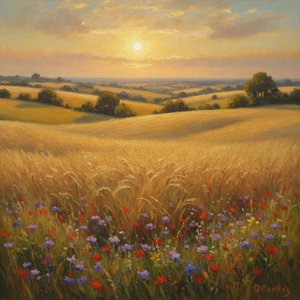
Golden Fields & Sun-Drenched Meadows: Capturing the Soul of Impressionist Landscapes
Immerse yourself in the luminous world of Impressionist landscapes. Discover how masters like Monet and Gauguin captured ephemeral light through plein air painting, and learn to bring the soul of sun-drenched meadows into your home with exquisite, hand-painted oil reproductions.

Capturing the Mist: The Timeless Beauty of British Landscape Impressionism
Explore the ethereal beauty of British Landscape Impressionism. Discover how masters captured light and mist through plein air techniques, offering a profound connection to the English countryside's timeless, atmospheric soul.

Capturing the Soul: The Most Emotionally Moving Impressionist and Post-Impressionist Masterpieces
Discover the profound emotional depth of Impressionist and Post-Impressionist masterpieces. Explore how legends like Monet, Van Gogh, and Gauguin captured light and soul through evocative landscapes and vibrant brushwork for a timeless connection to art history.
Explore obras de arte organizadas por temas, estilos e características.


