


 Visualizar na parede
 Compartilhar
 Compartilhar
 Detalhes
 Guia
Guia

 Baixar imagem
 Semelhantes
 Raio X
 Ver diaporama
 Estatísticas
Beach Scene
 Oil On Canvas
- WallArt
- Impressionism
 1905
1905 56.0 x 69.0 cm
 Towner
Admire Munnings’ ‘Beach Scene’ (1905), an Impressionistic landscape of seaside leisure. Explore its vibrant colors, loose brushstrokes & tranquil composition – a captivating piece by a British master.
 Ler mais
Sir Alfred Munnings: O mestre da pintura equina e retratista da vida rural inglesa! Celebre a beleza dos cavalos, caçadores e paisagens tradicionais com este artista icônico.
A obra de arte exibida nesta página é protegida por leis de direitos autorais, o que significa que não podemos criar ou vender legalmente uma reprodução idêntica. Esta proteção é aplicada por meio de acordos internacionais, tais como a Convenção de Berna e pelas leis nacionais, incluindo as estabelecidas por Lei de Direitos Autorais dos EUA - Título 17.
Como uma alternativa respeitosa e legal, oferecemos obras de arte personalizadas e pintadas à mão, inspiradas na obra original. Nossos artistas profissionais e experientes estudam cuidadosamente o estilo, a atmosfera e a essência artística da obra original para criar uma peça nova e única que evoque a mesma sensação — permanecendo como uma criação original por direito próprio.
Este método cumpre plenamente as regulamentações de direitos autorais, pois não envolve a cópia ou duplicação da obra protegida. Em vez disso, trata-se de uma reinterpretação criativa — uma nova pintura que é influenciada pela original, mas não idêntica a ela.
Reprodução em Óleo Feita à Mão
Óleo sobre tela pintado à mão no tamanho e moldura de sua escolha, feito sob encomenda pelos nossos artistas. ( Alternar para Impressão Alternar para Imagem Digital)




P118B €10

P118H €10

P118W €10

P438Z €10

P508JH €12

P508YH €12

P805H €10

P805Z €10

P919BZ €10

P919G €10

P919XJ €10

P959ZH €10

P968JZ €12

W106C €8

W218G €10

W218JH €8

W218Y €10

W307PJ €10

W316G €10

W316PJ €8

W316Y €10

W398PJ €8

W4111J €10

W500HY €15

W500JH €15

W692G €12

W849H €8

W940BG €15

W953PJ €8




Tamanho padrão
personalizado
CM
INCH
Escolha entre os nossos tamanhos pré-definidos que respeitam as proporções originais da obra de arte.
Loading sizes...

largura
altura
Insira a largura e a altura desejadas para se ajustarem à sua moldura ou parede. Como esta obra é pintada à mão, para um tamanho com proporções diferentes, o artista poderá pintar um pouco mais ao redor da imagem ou reduzir ligeiramente a composição — você escolhe. Enviamos uma maquete digital para sua aprovação antes de iniciar a pintura. A imagem exibida nesta página não representa o resultado real — apenas a maquete mostra o resultado final.
Exemplos do que pode ser personalizado: Substituir o rosto pela foto do cliente; Adicionar um animal de estimação (ex: substituir gato por cão); Incluir uma mensagem oculta no fundo; Alterar a paisagem ou elementos do fundo.
Após o pedido, a equipa TopImpressionists.com enviará um e-mail ao cliente para solicitar instruções e fornecer uma prévia do esboço.
Após o pedido, a equipa TopImpressionists.com enviará um e-mail ao cliente para solicitar instruções e fornecer uma prévia do esboço.
Entrega mundial () em 3 a 4 semanas, em vez das 5 semanas padrão. (28 Outubro). Sem comprometer a qualidade.

Envio expresso gratuito para todo o mundo

Tela de Linho de Alta Qualidade

Seguro de transporte completo

Garantia de Reembolso de Impostos Alfandegários

Garantia de Fidelidade Cromática

Política de Devolução em 100 Dias (Apenas para Defeitos)

Garantia de reembolso de 100%

Oferta de desconto por quantidade
 A opção de vidro está disponível apenas para tamanhos inferiores a 110 cm

Beach Scene
Técnica de Reprodução
Tamanho da Reprodução
-


Preço Total
€ 368
A Moment of Tranquil Leisure: Unpacking Munnings' "Beach Scene"
Sir Alfred James Munnings’ 1905 painting, “Beach Scene,” isn’t merely a depiction of a seaside vista; it’s a carefully constructed tableau brimming with the spirit of Edwardian England and a profound appreciation for the natural world. Captured in an Impressionistic style – a hallmark of Munnings' oeuvre – the canvas vibrates with light and atmosphere, eschewing photographic realism in favor of conveying a fleeting, sensory experience. The scene unfolds on a grassy cliff overlooking a shimmering expanse of sea, populated by figures engaged in relaxed leisure activities: families picnicking, boats bobbing gently in the water, and individuals strolling along the shore. Munnings masterfully utilizes loose brushstrokes and a vibrant color palette – predominantly greens and blues that mimic the coastal environment – to create an immediate sense of warmth and tranquility. It’s a scene designed not for grand narrative, but for quiet contemplation and the simple pleasures of summer.
- Technique: Munnings employs oil paints with remarkable skill, layering colors to achieve depth and luminosity. The visible brushstrokes contribute to the painting's textured surface, hinting at the physicality of the landscape and inviting closer inspection.
- Composition: A strong diagonal line created by the cliff edge draws the viewer’s eye into the scene, anchoring the composition and establishing a sense of perspective.
- Color Palette: The dominant greens and blues evoke the refreshing qualities of the sea and shore, while subtle variations in hue suggest shifting light conditions.
The Artist's Vision: Munnings and the Newlyn School
To fully appreciate “Beach Scene,” it’s crucial to understand the context within which Munnings was working – specifically, his association with the Newlyn School of artists. This group, centered in Cornwall during the early 20th century, rejected the rigid conventions of academic art and embraced a more direct, observational approach. They were deeply connected to the rural landscape and sought to capture its essence with honesty and immediacy. Munnings’ work exemplifies this ethos; he wasn't striving for idealized beauty but rather documenting the authentic experience of coastal life. His background as a printer and illustrator honed his eye for detail and composition, while his lifelong passion for horses – another recurring theme in his art – undoubtedly informed his ability to capture movement and energy within the scene.
Born in Mendham Township, Suffolk, in 1878, Munnings’ early life was steeped in agricultural traditions. This connection to the land profoundly shaped his artistic sensibilities, influencing his choice of subject matter and his commitment to portraying rural England with a deep sense of respect and affection. His later years were marked by a shift towards equine art, but “Beach Scene” offers a beautiful glimpse into his earlier explorations of landscape and human interaction with nature.
Symbolism and the Edwardian Spirit
Beyond its immediate visual appeal, "Beach Scene" is rich in symbolic meaning. The tents scattered across the cliff represent temporary shelter and community – a gathering place for families and friends to enjoy the summer months. The boats symbolize exploration and movement, hinting at the adventurous spirit of the era. More subtly, the painting captures a specific moment in time—the leisurely pace of Edwardian England, before the looming shadows of World War I began to darken the horizon. The scene exudes a sense of optimism and contentment, reflecting a society that valued tradition, leisure, and connection with nature.
The inclusion of figures engaged in various activities – picnicking, strolling, boating – suggests a shared experience of joy and camaraderie. Munnings’ ability to capture these subtle nuances of human interaction elevates the painting beyond a simple landscape depiction, transforming it into a poignant portrait of a bygone era.
A Timeless Masterpiece: Reproductions and Beyond
TopImpressionists is proud to offer high-quality reproductions of Sir Alfred James Munnings’ “Beach Scene.” Whether you're an art collector seeking to expand your collection or an interior designer searching for a captivating piece to adorn your walls, this painting offers a timeless appeal. The vibrant colors and evocative brushstrokes will bring a touch of coastal charm to any space, while the historical significance of the work adds depth and intellectual interest. Consider commissioning a hand-painted reproduction – a faithful recreation that captures the essence of Munnings’ original masterpiece, ensuring its beauty endures for generations to come.
Perguntas e Respostas
Em que ano foi criado "Beach Scene", de Alfred Munnings?
"Beach Scene" data de 1905. A data situa a obra na carreira de Alfred Munnings e em sua época.
A qual estilo pertence "Beach Scene"?
O movimento associado a "Beach Scene", de Alfred Munnings é Impressionism. Esta classificação situa a obra entre artistas e obras de arte relacionados.
A que fase da carreira de Alfred Munnings corresponde a data de 1905 de "Beach Scene"?
Dada a sua data de 1905, "Beach Scene" insere-se no período Mature Period de Alfred Munnings.
Obras Relacionadas


Biografia do Artista
A Life Immersed in Equine Grace
Sir Alfred James Munnings, a name inextricably linked to the vibrant depiction of horses and the romantic allure of rural England, occupies a pivotal position within 20th-century British art. Born in 1878 amidst the rolling landscapes of Suffolk, his life was profoundly shaped by an enduring connection with the equine world – a bond that would define his artistic vision and propel him to prominence. Munnings wasn’t simply recording what he saw; he was preserving a feeling, an atmosphere, a world poised on the brink of irreversible change. He captured a vanishing way of life, a keenly observed portrait of Britain steeped in tradition, hunting, and the rhythms of the countryside. His early works often depicted rural scenes, particularly those featuring gypsies and horses roaming the Suffolk countryside, imbued with a romantic sensibility that showcased his growing mastery of color and light. These paintings weren’t merely representations; they were expressions of a deep affection for the land and its inhabitants.From Rural Beginnings to Artistic Development
Munnings’s artistic journey began not within the formal confines of an academy, but in the practical world of a Norwich printing house. This apprenticeship honed his skills in design and observation while simultaneously allowing him to pursue studies at the Norwich School of Art. It was a formative period, instilling a discipline that would serve him well as he navigated the challenges of establishing himself as an artist. Early influences included the plein air painters of the Newlyn School in Cornwall, where he embraced their commitment to capturing light and atmosphere directly from nature. This immersion in Impressionistic techniques laid the groundwork for his signature style – loose brushwork, a vibrant palette, and a palpable sense of movement. He was particularly drawn to the work of Henri de Toulouse-Lautrec, whose depictions of Parisian nightlife influenced his later compositions. Munnings’s early subjects often included scenes of rural life, capturing the essence of working horses and the traditions associated with farming and hunting. His ability to convey both the physical beauty of these animals and the emotional connection between humans and horses quickly established him as a distinctive voice in British art.War, Recognition, and a Champion of Tradition
The First World War profoundly shaped both Munnings's artistic perspective and his public profile. Though initially deemed unfit for combat due to an eye injury sustained in 1908, he was nonetheless commissioned by the Canadian War Memorials Fund to document the role of horses in the conflict. This led him to France, where he spent several months meticulously painting scenes of the Canadian Cavalry Brigade – not glorifying battle but capturing the quiet dignity and resilience of both men and animals amidst the horrors of war. These paintings, characterized by their understated realism and poignant emotional depth, garnered significant acclaim and brought Munnings national recognition. Following the war, Munnings continued to paint extensively, establishing a studio in Dedham, Essex, where he created a prolific body of work depicting hunting scenes, racing events, and portraits of prominent figures from the aristocracy and sporting world. He became known for his ability to capture not only physical likeness but also the character and spirit of his subjects. However, Munnings was also a staunch defender of traditional artistic values, often expressing his disapproval of modern art movements such as Cubism and Surrealism with outspokenness and conviction.Major Achievements
- Royal Academy President: Elected President of the Royal Academy in 1944, serving until 1949.
- Knighthood: Knighted Bachelor in 1944 and appointed a Knight Commander of the Royal Victorian Order in 1947.
- War Artist Commissions: Recognized for his work documenting the Canadian Cavalry during WWI.
- Sculptural Work: Created sculptures, including an equestrian statue of Edward Horner.
His legacy endures not only through his masterful paintings but also as a passionate advocate for artistic tradition in a rapidly modernizing world.

Alfred Munnings
1878 - 1959 , Reino Unido
Dados Rápidos
- Artistic Movement Or Style: Impressionismo
- Artists Or Movements Influenced By This Artist: ['Modernismo']
- Artists Who Influenced This Artist: ['Escola de Newlyn']
- Date Of Birth: 1878
- Date Of Death: 1959
- Full Name: Sir Alfred James Munnings
- Nationality: Britânico
- Notable Artworks:
- A Fancy Dress Ball
- A Piper
- Sky Study -
- Place Of Birth: Mendham, Reino Unido
Artigos Relacionados
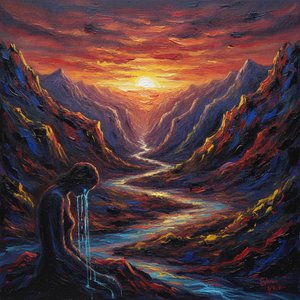
Capturing Emotion: A Journey Through the Soul of Expressionist Landscapes
Explore the profound emotional depth of Expressionist landscapes. Discover how Post-Impressionist masters moved beyond light to capture the soul through vibrant color and form. A curated journey for true art lovers seeking the beauty of expressive mastery.
Explore obras de arte organizadas por temas, estilos e características.


