


 Visualizar na parede
 Compartilhar
 Compartilhar
 Detalhes
 Guia
Guia

 Baixar imagem
 Semelhantes
 Raio X
 Ver diaporama
 Estatísticas
Flaming June
 Oil On Canvas
- WallArt
- Academic Classicism
 1895
1895- 19th Century
 121.0 x 121.0 cm
Sir Frederic Leighton’s "Flaming June," an opulent Academic masterpiece from 1895, captures the ethereal beauty of slumber amidst a Mediterranean vista—a timeless exploration of classical ideals and sensual grace. Explore exquisite reproductions at TopImpressionists.com.
 Ler mais
Sir Frederic Leighton (1830-1896): Mestre da pintura acadêmica e Pre-Rafaelita, famoso por 'Clytie' e revitalizando a escultura britânica. Explore suas obras clássicas, bíblicas e históricas no Museu Leighton House!
Giclée / Impressão de Arte
Impressão giclée ou em tela de qualidade de museu, com produção rápida e opções flexíveis de acabamento. ( Comprar pintura feita à mão Alternar para Imagem Digital)




P118B €10

P118H €10

P118W €10

P438Z €10

P508JH €12

P508YH €12

P805H €10

P805Z €10

P919BZ €10

P919G €10

P919XJ €10

P959ZH €10

P968JZ €12

W106C €8

W218G €10

W218JH €8

W218Y €10

W307PJ €10

W316G €10

W316PJ €8

W316Y €10

W398PJ €8

W4111J €10

W500HY €15

W500JH €15

W692G €12

W849H €8

W940BG €15

W953PJ €8




Tamanho padrão
personalizado
CM
INCH
Escolha entre os nossos tamanhos pré-definidos que respeitam as proporções originais da obra de arte.
Loading sizes...

largura
altura
Insira a largura e a altura desejadas para se ajustarem à sua moldura ou parede. Uma impressão pode ser apenas cortada, nunca ampliada além da imagem original; portanto, um tamanho com proporções diferentes resultará na perda de parte da imagem. Enviamos uma maquete digital para sua aprovação antes de realizarmos a impressão. A imagem exibida nesta página não mostra o corte real — apenas a maquete o faz.
Entrega mundial () em 2 semanas, em vez das 4/5 semanas padrão. (26 Outubro)

Envio expresso gratuito para todo o mundo

Tela de Linho de Alta Qualidade

Seguro de transporte completo

Garantia de Reembolso de Impostos Alfandegários

Garantia de Fidelidade Cromática

Política de Devolução em 100 Dias (Apenas para Defeitos)

Garantia de reembolso de 100%

Oferta de desconto por quantidade
 A opção de vidro está disponível apenas para tamanhos inferiores a 110 cm

Flaming June
Giclée / Impressão de Arte
Tamanho da Reprodução
-


Preço Total
€ 61
A Vision of Eternal Summer: The Radiance of Flaming June
In the pantheon of Victorian masterpieces, few images possess the hypnotic pull of Sir Frederic Lord Leighton’s Flaming June. Painted in 1895, this monumental canvas is far more than a mere depiction of a sleeping woman; it is an immersive sensory experience that captures the very essence of warmth, languor, and the fleeting beauty of a Mediterranean afternoon. As one gazes upon the vibrant, sun-drenched orange drapery that cascades around the central figure, there is an immediate sense of being transported to a world where time has slowed to a rhythmic, peaceful crawl. The painting serves as a cornerstone of the Academic style, where every fold of fabric and every soft shadow is rendered with a precision that borders on the miraculous, inviting the viewer into a dreamscape of pure, unadultered tranquility.
The technical brilliance of Leighton lies in his ability to marry controlled realism with an almost ethereal luminosity. Eschewing the rapid, spontaneous brushstrokes of the Impressionists, Leighton embraced the rigorous traditions of the masters, utilizing chiaroscuro to sculpt the sleeping form through a delicate interplay of light and deep shadow. The way the sunlight seems to soak into the heavy, silken textures of the orange gown creates an illusion of palpable weight and warmth. This meticulous attention to detail—from the soft waves of the woman's hair to the subtle musculature of her relaxed limbs—ensures that the painting possesses a lifelike presence, making it a breathtaking focal point for any sophisticated interior space.
Classical Echoes and Symbolic Depth
Beyond its surface beauty, Flaming June is steeped in the classical and mythological resonances that defined Leighton’s illustrious career. The composition is far from accidental; the reclining pose of the figure draws a profound line back to the Renaissance, specifically referencing Michelangelo’s exploration of human vulnerability and spiritual repose. This connection to antiquity lends the work a timeless quality, elevating it from a seasonal portrait to a universal symbol of peace and introspection. The choice of a Mediterranean backdrop—visible through an intricate window frame—further reinforces this connection to a classical past, suggesting a world of ancient grandeur and enduring grace.
For the discerning collector or interior designer, the emotional impact of this piece lies in its ability to evoke a sense of "aestheticism"—a movement that prioritized beauty for beauty's sake. The painting does not demand attention through shock or narrative complexity; instead, it seduces through color harmony and atmospheric depth. The contrast between the fiery, warm tones of the central figure and the cooler, distant blues of the sea and mountains creates a balanced tension that is both stimulating and soothing. To possess a high-quality reproduction of this work is to bring a piece of history into the home—a window into an era of unparalleled elegance and a permanent invitation to contemplate the sublime.
Perguntas e Respostas
Quem é o autor e qual é a data de "Flaming June"?
"Flaming June" foi criado por Frederic Leighton em 1895.
Qual é a técnica utilizada em "Flaming June", de Frederic Leighton?
Frederic Leighton utilizou a técnica de Oil On Canvas para "Flaming June". A técnica define a natureza material da obra original.
"Flaming June", de Frederic Leighton utiliza contrastes fortes ou harmonias suaves?
A composição cromática de "Flaming June", de Frederic Leighton combina um contraste Statement com uma harmonia Strong Color Unity.
Biografia do Artista
A Life Bathed in Light: The World of Sir Frederic Leighton
Born into privilege in Scarborough, England, in 1830, Frederic Leighton’s path to artistic renown was paved by a unique confluence of wealth, education, and an insatiable curiosity for the classical world. His grandfather's distinguished service as physician to the Russian Tsars provided a financial foundation that allowed young Frederic to pursue his passion without constraint—a rare advantage in the often-precarious life of a 19th-century artist. This freedom enabled him to embark on extensive travels across Europe, immersing himself in the artistic currents of Italy, Germany, and France. It was during these formative years, studying under masters like Eduard von Steinle and Giovanni Costa, that Leighton began to cultivate his distinctive style—a blend of academic precision, Pre-Raphaelite sensuality, and a deep reverence for classical antiquity. A particularly poignant moment in his early life occurred at the age of seventeen when he encountered the philosopher Arthur Schopenhauer in Frankfurt, creating the only known full-length portrait of the famously reclusive thinker. This encounter hints at Leighton’s intellectual depth and his fascination with exploring the complexities of the human condition—themes that would permeate his art for decades to come.The Painterly Embrace of Myth and History
Leighton's artistic career flourished in an era captivated by historical narratives, biblical tales, and classical mythology. He didn’t merely illustrate these subjects; he *inhabited* them, meticulously researching costumes, settings, and the nuances of ancient life to create works that felt both authentic and dramatically compelling. His paintings weren’t simply depictions—they were immersive experiences, transporting viewers to worlds of gods, heroes, and forgotten empires. Clytie, perhaps one of his most celebrated works, exemplifies this approach. The painting portrays the nymph Clytie transformed into a sunflower, yearning for the sun god Apollo. It's not just a beautiful image; it’s an exploration of unrequited love, longing, and the transformative power of nature—rendered with breathtaking detail and a luminous quality that seems to emanate from within. Similarly, The Daphnephoria, depicting a procession honoring the god Apollo, showcases Leighton’s mastery of composition, color, and his ability to capture movement and energy on canvas. He wasn’t afraid to embrace opulent textures, rich fabrics, and dramatic lighting—elements that contributed to the sheer visual splendor of his work. His meticulous attention to detail extended beyond mere representation; he sought to evoke a sense of atmosphere and emotion, drawing inspiration from the works of artists like Titian and Rubens.Beyond the Canvas: Sculpture and Architectural Vision
While primarily known as a painter, Leighton's artistic ambitions extended beyond the two-dimensional realm. He was a gifted sculptor, and his Athlete Wrestling with a Python, created between 1888 and 1891, marked a pivotal moment in British sculpture—often credited with marking a renaissance in contemporary sculptural practice known as the “New Sculpture.” This work, carved from pristine white marble, embodies both physical power and dramatic tension. The sculpture’s dynamic pose and realistic musculature were revolutionary for its time, demonstrating a newfound emphasis on naturalism and anatomical accuracy. But Leighton’s creative vision didn't stop there. He was also an avid collector of art and artifacts, particularly those from the Near East. These treasures weren’t merely displayed; they were integrated into the very fabric of his home, Leighton House in Holland Park, London. Designed by George Aitchison, Leighton House is a masterpiece in its own right—a stunning example of Aestheticism that served as both a residence and a studio. The iconic Arab Hall, with its intricate tilework and soaring arches, stands as a testament to Leighton’s eclectic tastes and his desire to create a total work of art—an environment that would inspire and nurture his creativity.A Royal Patron and the Shaping of an Era
Leighton's success was not solely due to his artistic talent but also to his impeccable social standing and connections. He cultivated relationships with members of the royal family, including Queen Victoria herself, who became a devoted patron of his work. His paintings were immensely popular during his lifetime, commanding high prices and earning him widespread acclaim. He served as President of the Royal Academy from 1878 until his death in 1896, a position he held with distinction, championing artistic excellence and fostering a vibrant creative community. He was knighted in 1878, made a baronet in 1886, and remarkably, granted a peerage just one day before his passing—a testament to the immense respect he commanded within the art world and beyond. Leighton’s influence extended far beyond the realm of painting; he was a respected figure in London society, known for his charm, generosity, and intellectual curiosity.Legacy and the Echoes of an Era
Leighton's influence on British art was profound. He represented Britain at the Great Exhibition of 1900 in Paris, showcasing the nation’s artistic achievements to a global audience. While his work fell out of favor for some time after his death, eclipsed by the rise of modernism, there has been a significant resurgence of interest in Leighton’s art in recent decades. Today, his paintings and sculptures are celebrated for their technical brilliance, their evocative power, and their ability to transport viewers to worlds of beauty and wonder. His legacy is not merely one of aesthetic achievement but also of a life dedicated to the pursuit of beauty, knowledge, and artistic innovation. Leighton House Museum remains a vital cultural landmark, offering visitors a glimpse into the world of this extraordinary artist and his remarkable home.- His works continue to inspire artists and captivate audiences around the globe.
- Leighton House Museum stands as a lasting tribute to his artistic vision and remains a vital cultural landmark.
- He represents a fascinating intersection of Victorian ideals, classical influences, and Pre-Raphaelite sensibilities—a unique voice in the history of British art.

Frederic Leighton
1830 - 1896 , Reino Unido
Dados Rápidos
- Artistic Movement Or Style: Acadêmico, Pré-rafaelita
- Artists Or Movements Influenced By This Artist:
- Nova Escultura
- Aestheticismo
- Artists Who Influenced This Artist:
- Steinle
- Costa
- Date Of Birth: 3 de dezembro de 1830
- Date Of Death: 25 de janeiro de 1896
- Full Name: Sir Frederic Lord Leighton
- Nationality: Britânico
- Notable Artworks:
- Clytie
- Flaming June
- Ath. Wrestling Python
- Place Of Birth: Scarborough, Reino Unido
Artigos Relacionados
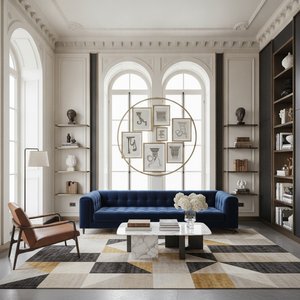
Beyond the Basics: The Power of Academic Classicism Reimagined for Modern Interiors
Discover the enduring power of Academic Classicism reimagined. Explore how technical mastery, light, and form from historical masterpieces can elevate modern interiors through premium, hand-painted oil reproductions and expert art consultation.

Edmund Blair Leighton: Victorian Romance & Narrative Painting's Golden Age
Explore the captivating world of Edmund Blair Leighton, Victorian master of romantic narrative painting. Discover his iconic works & Pre-Raphaelite influences at TopImpressionists.

The Enduring Legacy of Oil on Canvas: Technique, History & Aesthetic Impact
Explore the rich history & techniques of oil painting – from Renaissance masters to Impressionism. Discover pigments, layering methods, and why this timeless medium endures. Expert insights for artists & art enthusiasts.

Mastering Perfection: A Definitive Guide to the Elegance and Precision of Academic Classicism
Discover the profound beauty of Academic Classicism. Explore the principles of order, anatomical precision, and the enduring legacy of Neoclassical masters through this expert guide to timeless elegance and technical perfection in fine art.

Sir Frederic Leighton: Aestheticism, Academic Mastery & Victorian Masculinity
Explore the life & art of Sir Frederic Leighton, a master of Victorian Aestheticism. Discover his academic training, sculptural innovations, and captivating depictions of beauty. Expert insights for collectors.