


 Visualizar em escala
 Enviar
 Compartilhar
 Ver detalhes
 Guia de Obras do Aluno

 Baixar imagem
 Semelhantes
 Raio X
 Apresentação de slides
 Estatísticas
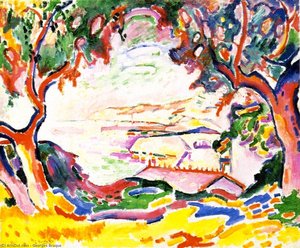
A Winding Road - Cornish Landscape
 Oil On Canvas
- WallArt
- Fauvist Landscape
 1920
1920 650.0 x 536.0 cm
 British Council
Sir Matthew Smith’s "A Winding Road - Cornish Landscape" (1920) captures a vibrant British landscape with bold colors and energetic brushwork, reminiscent of Fauvism. Discover this stunning 650x536cm hand-painted reproduction and bring art home.
 Ver mais
Explore as vibrantes pinturas fauvistas de Sir Matthew Smith, com cores ousadas e pinceladas exuberantes. Descubra seus nus, naturezas-mortas e paisagens na TopImpressionists.
A obra de arte exibida nesta página é protegida por leis de direitos autorais, o que significa que não podemos criar ou vender legalmente uma reprodução idêntica. Esta proteção é aplicada por meio de acordos internacionais, tais como a Convenção de Berna e pelas leis nacionais, incluindo as estabelecidas por Lei de Direitos Autorais dos EUA - Título 17.
Este método cumpre plenamente as regulamentações de direitos autorais, pois não envolve a cópia ou duplicação da obra protegida. Em vez disso, trata-se de uma reinterpretação criativa — uma nova pintura que é influenciada pela original, mas não idêntica a ela.
Giclée / Impressão de Arte
Impressão giclée ou em tela de qualidade de museu, com produção rápida e opções flexíveis de acabamento. ( Encomendar reprodução pintada à mão Ver Imagem Digital)




P118B €10

P118H €10

P118W €10

P438Z €10

P508JH €12

P508YH €12

P805H €10

P805Z €10

P919BZ €10

P919G €10

P919XJ €10

P959ZH €10

P968JZ €12

W106C €8

W218G €10

W218JH €8

W218Y €10

W307PJ €10

W316G €10

W316PJ €8

W316Y €10

W398PJ €8

W4111J €10

W500HY €15

W500JH €15

W692G €12

W849H €8

W940BG €15

W953PJ €8




Padrão
sob medida
CM
INCH
Escolha entre os nossos tamanhos pré-definidos que respeitam as proporções originais da obra de arte.
Loading sizes...

largura
altura
Digite a largura e a altura de que necessita, para se ajustar à sua moldura ou à sua parede. Uma impressão só pode ser cortada, nunca ampliada além da imagem original, pelo que um tamanho com uma proporção diferente perderá parte da imagem. Enviamos-lhe uma maquete digital para aprovação antes de imprimirmos qualquer coisa. A imagem apresentada nesta página não mostra o corte real — apenas a maquete o faz.
Entrega mundial () em 2 semanas, em vez das 4/5 semanas padrão. (25 Outubro)

Envio expresso gratuito para todo o mundo

Tela de Linho Premium

Seguro de transporte total

Garantia de Reembolso de Impostos Alfandegários

Garantia de Fidelidade de Cor

Política de Devolução em 100 Dias (Apenas para Defeitos)

Garantia de reembolso de 100%

Desconto para múltiplas unidades
 A opção de vidro está disponível apenas para tamanhos inferiores a 110 cm

A Winding Road - Cornish Landscape
Giclée / Impressão de Arte
Dimensões da Reprodução
-


Preço Total
€ 61
A Winding Road - Cornish Landscape by Sir Matthew Smith
Sir Matthew Smith’s “A Winding Road – Cornish Landscape,” completed in 1920, is more than just a depiction of a rural scene; it's a vibrant testament to the burgeoning artistic currents of the early 20th century. This expansive canvas, measuring 650 x 536 cm, transports the viewer directly into the heart of Cornwall’s rugged beauty, capturing not merely its visual elements but also an undeniable sense of atmosphere and emotion. The painting immediately draws the eye along the dirt track, a ribbon of earth cutting through a landscape dominated by ancient trees – a motif frequently employed in British art to represent timelessness and connection to the land.
A Fauvist Influence & Cornish Inspiration
- Artist’s Background: Born in Manchester in 1879, Sir Matthew Smith's artistic journey was profoundly shaped by his time with Henri Matisse in Paris. His early training at the Manchester and Slade Schools instilled a rigorous approach to form and color, but it was in France that he embraced the radical ideas of Fauvism – a movement characterized by its unrestrained use of intense, non-naturalistic colors.
- Cornish Subject Matter: Smith’s relocation to Cornwall in the early 1920s provided him with a new source of inspiration. The dramatic light and shadow, the wild coastline, and the traditional farming communities offered a rich palette for his artistic explorations. This landscape isn't simply a picturesque view; it’s infused with the spirit of the region.
Technique & Color – A Symphony of Impressionism
Smith’s technique in “A Winding Road” is immediately recognizable as a masterful blend of Impressionistic and Fauvist influences. Thick, visible brushstrokes—a hallmark of his style—create a sense of movement and energy across the canvas. The color palette is extraordinarily rich, dominated by vibrant blues, pinks, and greens that evoke the Cornish light at different times of day. Note the deliberate use of complementary colors – the juxtaposition of blue and orange, for instance – to heighten visual impact and create a dynamic tension within the scene. The artist’s handling of light is particularly noteworthy; he doesn't simply record it but actively manipulates it to convey warmth and atmosphere. The presence of birds, subtly integrated into the composition, adds an element of spontaneity and life to the otherwise tranquil landscape.
Symbolism & Emotional Impact
Beyond its aesthetic qualities, “A Winding Road” carries a subtle symbolic weight. The winding road itself can be interpreted as a metaphor for life’s journey – a path filled with twists and turns, leading to an unknown destination. The houses in the background represent human settlement and connection to the land, while the trees stand as silent witnesses to centuries of history. The overall effect is one of serene contemplation and quiet beauty. The painting evokes a feeling of nostalgia, inviting the viewer to step back in time and experience the timeless charm of the Cornish countryside. It’s a piece that speaks to our innate desire for escape and connection with nature.
Perguntas e Respostas
Sobre o que trata "A Winding Road - Cornish Landscape" e qual é a sua atmosfera?
"A Winding Road - Cornish Landscape" apresenta landscape painting, cornish scene, winding road, british art, sir matthew smith, color palette, rural setting, e o seu estado de espírito registrado é Serene.
Qual é a recomendação de impressão para "A Winding Road - Cornish Landscape" — qual tamanho e qual orientação?
Tamanho Large, orientação Landscape: esta é a configuração de impressão sugerida para "A Winding Road - Cornish Landscape" de Sir Matthew Smith.
Quando e com quais materiais foi feita a obra "A Winding Road - Cornish Landscape"?
"A Winding Road - Cornish Landscape" foi criada em 1920 utilizando a técnica de Oil On Canvas. O material e a data descrevem como e quando o original foi feito.




Biografia do Artista
primeiros anos e formação
sir matthew smith, um renomado pintor britânico, nasceu em 22 de outubro de 1879, em Halifax, Yorkshire. Ele iniciou seus estudos de design na Manchester School of Art e, posteriormente, frequentou a Slade School of Art, em Londres. Sob a orientação de henri matisse em Paris, smith desenvolveu um profundo interesse pelo fauvismo, um estilo caracterizado pela ênfase em cores audaciosas e pinceladas energéticas.estilo artístico e obras notáveis
o estilo artístico de smith era marcado pelo uso de cores vibrantes e irreais, acompanhadas por uma técnica de pinceladas exuberantes. sua obra frequentemente apresentava nus, composições de naturezas-mortas e paisagens, demonstrando seu domínio magistral sobre a cor e a forma. entre suas obras mais notáveis, destacam-se:- natureza-morta com maçãs, uma peça cativante em óleo sobre tela que demonstra a habilidade de smith em capturar o jogo de luz e cor.
- o jardim em les lauves, uma obra de inspiração cubista que revela a experimentação de smith com formas geométricas e conceitos abstratos.
- formas contrastantes, uma peça de tubismo que ressalta a abordagem inovadora de smith em relação à cor e à composição.
coleções de museus e exposições
a obra de smith pode ser encontrada em diversos museus, incluindo o ucl art museum e a tate britain. suas pinturas foram exibidas em inúmeras instituições, como a barbican art gallery, em Londres. um importante grupo de seus trabalhos foi apresentado na bienal de Veneza em 1950.prêmios e legado
smith foi nomeado comandante da ordem do império britânico (cbe) em 1949 e recebeu o título de cavaleiro em 1954. suas contribuições para a arte britânica foram reconhecidas através de várias exposições, incluindo uma grande retrospectiva na barbican art gallery em 1983.- veja as obras de smith em TopImpressionists.com
- explore o fauvismo e sua influência na arte britânica na página de fauvismo da TopImpressionists.com
- descubra mais sobre a vida e obra de smith no site da tate
referências
- sir matthew smith, wikipedia
- ucl art museum, TopImpressionists.com
- tate britain, TopImpressionists.com

Sir Matthew Smith
1879 - 1959 , Reino Unido
Artigos Relacionados

Top 10 Obras de Arte Audazes para Decorar com Impacto | TopImpressionists.com
Descubra 10 obras de arte audazes que inspiram e transformam! Explore a história por trás de Van Gogh, Picasso, Monet e outros mestres. Encontre reproduções de alta qualidade para decorar sua casa com impacto. TopImpressionists.com: Arte para todos os estilos.

Thomas Stuart Smith: A Study in British Impressionism & the Poetic Landscape
Explore the captivating world of Thomas Stuart Smith (1815-1869), a Scottish painter bridging Romantic realism and British Impressionism. Discover his genre scenes, philanthropic legacy & stunning interiors.

Sir Joshua Reynolds: 25 Obras-Primas que Definem um Ícone da Arte Britânica | TopImpressionists
Descubra as 25 obras-primas de Sir Joshua Reynolds, o mestre dos retratos ingleses do século XVIII. Explore a elegância neoclássica e a história por trás de cada pintura. Reproduções de arte exclusivas em TopImpressionists.com!
Fauvismo: 10 Obras-Primas que Revolucionaram a Arte Moderna | TopImpressionists
Descubra as 10 obras-primas do Fauvismo, com Matisse e Derain! Explore a história, cores vibrantes e técnicas revolucionárias deste movimento artístico. Encontre reproduções de arte exclusivas para decorar sua casa em TopImpressionists.com.

As 25 Obras-Primas de Alfred Munnings: Arte Equina e a Alma Inglesa | TopImpressionists
Descubra as 25 obras-primas de Alfred Munnings, o mestre da pintura equina e da alma inglesa. Explore a história, técnica e beleza atemporal de cada quadro. Reproduções de arte exclusivas em TopImpressionists.com! Explore a coleção online.