
Shown: · With its frame:
 Visualizar na parede
 Compartilhar
 Compartilhar
 Detalhes
 Guia
Guia

 Baixar imagem
 Semelhantes
 Raio X
 Ver diaporama
 Q&A
Q&A Estatísticas

€ 239
Reprodução em Óleo Feita à Mão
Óleo sobre tela pintado à mão no tamanho e moldura de sua escolha, feito sob encomenda pelos nossos artistas. ( Alternar para Impressão Alternar para Imagem Digital)
Size
·Tamanho padrão
personalizado
CM
INCH
Escolha entre os nossos tamanhos pré-definidos que respeitam as proporções originais da obra de arte.
Loading sizes...

largura
altura
Insira a largura e a altura desejadas para se ajustarem à sua moldura ou parede. Como esta obra é pintada à mão, para um tamanho com proporções diferentes, o artista poderá pintar um pouco mais ao redor da imagem ou reduzir ligeiramente a composição — você escolhe. Enviamos uma maquete digital para sua aprovação antes de iniciar a pintura. A imagem exibida nesta página não representa o resultado real — apenas a maquete mostra o resultado final.
 Leia mais
Finish
·
White €1

Blurside €1

Extended €1

P118B €10

P118H €10

P118W €10

P438Z €10

P508JH €12

P508YH €12

P805H €10

P805Z €10

P919BZ €10

P919G €10

P919XJ €10

P959ZH €10

P968JZ €12

W106C €8

W218G €10

W218JH €8

W218Y €10

W307PJ €10

W316G €10

W316PJ €8

W316Y €10

W398PJ €8

W4111J €10

W500HY €15

W500JH €15

W692G €12

W849H €8

W940BG €15

W953PJ €8

H24-GOLD €30

H24-SILVER €30

H36-GOLD €45

H36-SILVER €45
Shipped in a protective tube, ready for your own framer.
Above 105 cm the frame is shipped as a kit for a professional framer — read the details.
Extras
optionalWhat do the extras include?
Examples of what can be changed: Replace face with customer photo; Add pet (e.g., replace cat with dog); Include hidden message in background; Change background landscape or elements.
After order, TopImpressionists.com team will email client for instructions and provide a mockup preview
After order, TopImpressionists.com team will email client for instructions and provide a mockup preview
Entrega mundial () em 3 a 4 semanas, em vez das 5 semanas padrão. (31 Outubro). Sem comprometer a qualidade.
Verniz de Proteção
Etiqueta de identificação
Detalhes da Placa de Bronze Gravada
This elegant plaque features the artist's name and the title of the artwork, finely engraved for a timeless presentation.
It is made from bronze with a refined, elegant finish. The text is precisely laser-engraved for a sharp and permanent result. Measuring 9x2 cm, the plaque is compact yet easy to read. It's built to be durable and scratch-resistant, offering a professional, museum-quality look. Mounting is simple thanks to the included adhesive backing.
Detalhes da Placa de Acrílico Transparente
The plaque includes essential engraved details such as the artist's name, the title of the artwork, the date it was created, the type of media used-like oil on canvas or watercolor-a brief description of the piece, and a QR code that links to the complete artwork information.
It is crafted from clear acrylic, offering a sleek, modern appearance. The text is UV-engraved in black to ensure strong visual contrast. With a size of 10x15 cm, it ensures optimal readability. It comes equipped with two metal hooks for secure wall mounting. The plaque is designed to be weather-resistant, making it suitable for various environments, and it includes interactive features that work seamlessly with smartphone scanning.
Detalhes da Placa de Acrílico Preto
This elegant plaque includes engraved information such as the artist's name, the title of the artwork, the date it was created, the type of media used (like oil on canvas or watercolor), a short description of the artwork, and a QR code for quick access to more information.
The plaque itself is made from refined black acrylic with a premium finish. The text is laser-engraved in white for high contrast and readability. Its size is 10x15 cm, designed to be easy to read. It comes with two metal hooks for professional mounting. The design is sleek and fits any interior style. It is also weather-resistant and durable, with built-in digital integration for mobile compatibility.
A opção de vidro está disponível apenas para tamanhos inferiores a 110 cm
 A opção de vidro está disponível apenas para tamanhos inferiores a 110 cm
- Envio expresso gratuito para todo o mundo
- Tela de Linho de Alta Qualidade
- Seguro de transporte completo
- Garantia de Reembolso de Impostos Alfandegários
- Garantia de Fidelidade Cromática
- Política de Devolução em 100 Dias (Apenas para Defeitos)
- Garantia de reembolso de 100%
- Oferta de desconto por quantidade


Descrição do Item
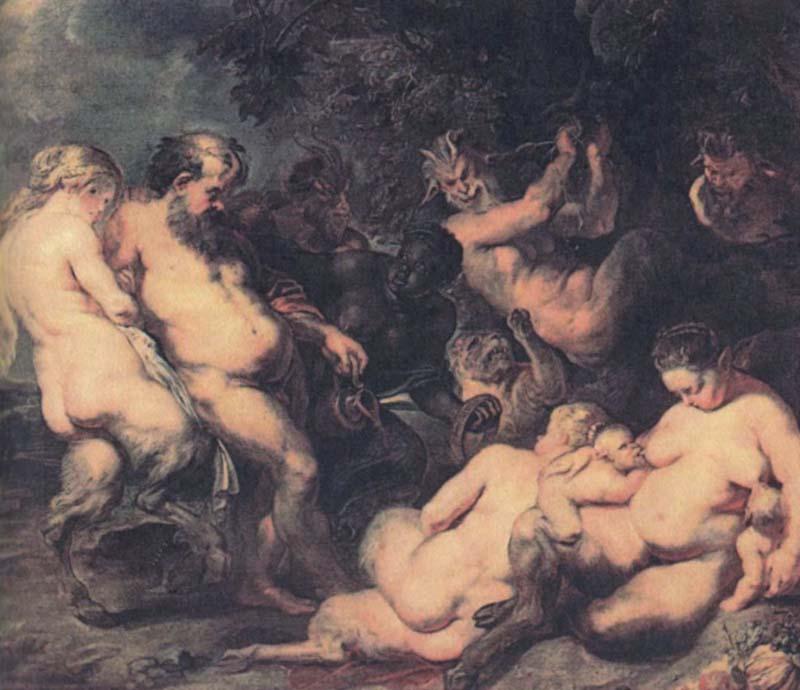
Experience the raw energy of Rubens' "Bacchanale"! This Baroque masterpiece captures a wild celebration with nude figures, vibrant colors, and dynamic movement – a captivating glimpse into 17th-century ecstasy.
Biografia do Artista
Sir Peter Paul Rubens: mestre barroco! Conhecido por composições dinâmicas, cores vibrantes e obras icônicas como 'A Descida da Cruz'. Explore sua vida e arte!
About the painting
The Frenzied Dance of Divinity: Peter Paul Rubens’s “Bacchanale”
Peter Paul Rubens' "Bacchanale," painted around 1615, isn’t merely a depiction of revelry; it’s a visceral embodiment of the Baroque spirit—a tempestuous collision of classical mythology, raw emotion, and dynamic movement. This monumental oil on canvas transports us to a moonlit forest, teeming with figures caught in an ecstatic dance before Bacchus, the god of wine and fertility. The painting pulsates with life, demanding our attention and inviting us into its chaotic, intoxicating world. It’s a work that speaks not just to the eye but directly to the senses, capturing the very essence of unbridled joy and primal instinct.
Rubens, a master of color and composition, was deeply influenced by the Counter-Reformation's need for dramatic religious imagery. Yet, he skillfully blended this influence with his own exuberant style, creating works that were both profoundly spiritual and intensely sensual. “Bacchanale” exemplifies this duality perfectly. The figures, rendered in Rubens’ signature glowing palette of reds, golds, and deep blues, are not idealized heroes but deeply human—prone to lust, intoxication, and a complete abandonment of restraint. This departure from the more restrained styles of earlier periods was revolutionary, reflecting a shift towards embracing earthly pleasures within a framework of religious devotion.
A Symphony of Form and Color
Technically, “Bacchanale” is a tour de force. Rubens’s brushwork is loose and energetic, creating an immediate sense of movement and dynamism. Notice how he uses rapid, short strokes to depict the swirling fabrics and the frenzied gestures of the dancers. The figures are not meticulously rendered with anatomical precision; instead, they are captured in moments of intense emotion, their forms simplified and exaggerated to heighten the drama. The use of *chiaroscuro* – the dramatic contrast between light and dark – further emphasizes this sense of movement and adds a layer of theatricality to the scene. The lighting seems to emanate from within the figures themselves, bathing them in an otherworldly glow.
Rubens’s mastery of color is equally remarkable. He employs a vibrant, almost overwhelming palette, using rich reds and golds to represent the intoxicating effects of wine and revelry. These warm tones are juxtaposed with cooler blues and greens, creating a dynamic visual tension that mirrors the emotional turmoil of the scene. The sheer intensity of the colors contributes significantly to the painting’s overall impact, drawing the viewer into its chaotic embrace.
Mythological Roots and Symbolic Layers
The subject matter itself—the bacchanal—is steeped in classical mythology. The Bacchanalia were wild festivals held in honor of Dionysus (Bacchus), where participants indulged in wine, music, dance, and ecstatic rituals. These celebrations represented a temporary escape from the constraints of civilized society, a return to primal instincts and a celebration of life’s fleeting pleasures. In “Bacchanale,” Rubens transforms this ancient myth into a powerful allegory for human nature—a reminder of our capacity for both joy and excess.
Beyond the mythological narrative, the painting is rich in symbolic detail. The abundance of food and drink symbolizes fertility and prosperity, while the nudity of the figures represents freedom from shame and social constraints. Even the forest setting itself can be interpreted symbolically—representing a wild, untamed space where human desires are unleashed without restraint. The inclusion of satyrs and nymphs further reinforces the painting’s connection to pagan traditions, adding another layer of complexity to its meaning.
A Legacy of Baroque Grandeur
“Bacchanale” stands as one of Rubens' most celebrated works, a testament to his artistic genius and his ability to capture the spirit of the Baroque era. Its dramatic composition, vibrant colors, and powerful emotional impact continue to resonate with viewers today. Reproductions of this masterpiece offer a remarkable opportunity to experience the intensity and dynamism of Rubens’s vision—a chance to step into a world of ecstatic revelry and witness the raw beauty of human passion. It's a painting that invites contemplation, sparking questions about our own relationship to pleasure, excess, and the enduring power of myth.
Perguntas e Respostas
Como é descrita a atmosfera de "Bacchanale", de Peter Paul Rubens?
A atmosfera geral de "Bacchanale", de Peter Paul Rubens é Dramatic. O clima descreve a sensação predominante da obra.
Posso examinar "Bacchanale" com mais detalhes?
A página Raio X de "Bacchanale", de Peter Paul Rubens é um visualizador interativo que permite percorrer onze camadas ópticas da imagem da obra, incluindo uma visualização em estilo raio-X.
Qual tamanho de impressão de "Bacchanale", de Peter Paul Rubens se adequa ao ambiente recomendado?
Para um(a) Living Room, o tamanho de impressão recomendado para "Bacchanale", de Peter Paul Rubens é Large.
Quick facts and art quiz
About Peter Paul Rubens

Peter Paul Rubens
1577 - 1640, Alemanha
Biografia do Artista
A Vida Forjada em Splendor Barroco
Sir Peter Paul Rubens, um nome que ressoa com a própria essência do dinamismo barroco, foi muito mais do que simplesmente um pintor. Ele foi um diplomata, um estudioso e um arquiteto cultural que remodelou fundamentalmente o cenário artístico da Europa no século XVII. Nascido em Siegen, Alemanha, em 1577, sua vida inicial foi marcada por deslocamento – uma experiência formativa que permeia sutilmente seu trabalho posterior com uma corrente de drama e profundidade emocional. Seu pai, Jan Rubens, um advogado fugindo de perseguições religiosas por suas crenças calvinistas, desfez a família de sua terra natal, Antuérpia, então sob o domínio espanhol. Essa primeira exílio instilou em Peter Paul um senso de resiliência e adaptabilidade, qualidades que lhe serviriam bem ao longo de sua multifacetada carreira. Após a morte do pai em 1587, a família retornou a Antuérpia, onde ele recebeu uma educação humanista antes de embarcar em seu treinamento artístico por volta de 1590, aprendendo com Tobias Verhaecht e Adam van Noort, aprimorando habilidades fundamentais em desenho e técnicas de pintura. No entanto, seu tempo com Otto van Veen provou ser crucial, expondo-o ao rico legado da arte renascentista italiana – um mundo que ele logo abraçaria plenamente.O Despertar Italiano e a Síntese Artística
Em 1600, Rubens embarcou em uma jornada transformadora para a Itália, uma peregrinação que moldou irrevogavelmente sua visão artística. Por oito anos, mergulhou-se nas obras-primas de Michelangelo, Rafael e Tician, absorvendo sua maestria na forma, cor e composição. A influência desses gigantes renascentistas é evidente em seus primeiros trabalhos italianos, caracterizados por temas clássicos e figuras idealizadas. No entanto, Rubens não apenas imitou; ele sintetizou essas influências com seu próprio talento inato, desenvolvendo um estilo distinto marcado por tons vibrantes, composições dinâmicas e uma representação sensual da forma humana. Estudou a anatomia meticulosamente, resultando em figuras que possuíam tanto realismo físico quanto poder emocional – corpos robustos imbuidos de vida e movimento. Este período não foi apenas um desenvolvimento artístico; foi uma profunda despertar intelectual, fomentando uma apreciação profunda pela mitologia e literatura clássicas, que se tornariam motivos recorrentes em sua obra. Ao retornar a Antuérpia em 1608, Rubens rapidamente estabeleceu-se como o principal artista da época, recebendo uma torrente de comissões que testemunhavam sua crescente reputação e solidificavam sua posição na vanguarda da arte flamenga.Um Mestre de Muitas Formas: Pintura Além dos Limites
A produção artística de Rubens foi incrivelmente diversa e prolífica. Ele não se restringiu a um único gênero; em vez disso, destacou-se em pinturas históricas, cenas mitológicas, retratos, paisagens e obras religiosas – um testemunho de sua versatilidade e criatividade ilimitada. Suas telas grandiosas, frequentemente destinadas a igrejas, palácios e espaços públicos, eram displays impressionantes de virtuosismo técnico e narrativa dramática. A Descida da Cruz (c. 1616-1617) exemplifica seu domínio magistral no uso de luz e sombra para criar uma cena de intensidade emocional profunda, envolvendo os espectadores no coração da narrativa. O Levantamento da Cruz (1610-1611), com suas figuras em turbilhão e composição dinâmica, demonstra sua capacidade de transmitir movimento e energia – um traço característico de seu estilo barroco. Mesmo em temas estáticos como O Julgamento de Paris (c. 1636), Rubens infundiu um senso de vida e vitalidade por meio de sua paleta de cores vibrantes e representação sensual da forma humana. Sua técnica foi igualmente notável – um domínio magistral da pintura a óleo, empregando impasto para criar textura e profundidade, juntamente com técnicas delicadas de esmalte para alcançar efeitos luminosos. Frequentemente, ele incorporava figuras alegóricas e simbolismo, sobrepondo narrativas com significados complexos que convidavam à contemplação e interpretação.Diplomacia, Legado e Influência Duradoura
A influência de Rubens se estendeu muito além do reino da arte. Suas habilidades diplomáticas eram altamente procuradas pelos Países Baixos do Sul (moderno Bélgica), e ele realizou inúmeras missões para a Inglaterra, França e Espanha, negociando tratados e promovendo alianças políticas – um papel dual único que lhe proporcionou uma perspectiva refinada sobre os assuntos europeus e reforçou ainda mais sua reputação como um homem de inteligência e influência. Em 1630, ele se casou com Hélène Fourment, quem se tornou tanto sua musa quanto tema frequente em suas pinturas – sua juventude adornando muitos de seus trabalhos posteriores, personificando a sensualidade e vitalidade que caracterizavam seu estilo. Ele continuou a pintar prolifixamente até sua morte em Antuérpia em 1640, deixando para trás um legado vasto que continua a inspirar admiração e apreço. Seu impacto nas gerações futuras de artistas é imensurável; pintores como Anthony van Dyck, Jacob Jordaens e Eugène Delacroix todos se inspiraram em suas composições dinâmicas, cores vibrantes e figuras sensuais. Rubens não apenas definiu o estilo barroco – ele elevou a pintura a um novo nível de prestígio e influência, solidificando Antuérpia como um importante centro de produção artística durante o século XVII. Ele permanece, séculos depois, uma figura imponente na história da arte, um testemunho do poder da criatividade humana e do fascínio duradouro do esplendor barroco.Características Chave do Estilo de Rubens
- Composição Dinâmica: As pinturas de Rubens são conhecidas por suas composições enérgicas e dramáticas de figuras.
- Paleta de Cores Vibrantes: Ele empregou uma paleta de cores rica e quente que deu vida às suas telas.
- Figuras Sensuais: Suas representações da forma humana eram caracterizadas por plenitude, vitalidade e frequentemente, sensualidade aberta.
- Uso Magistral de Luz e Sombra: Rubens manipulou habilmente a luz e a sombra para criar profundidade, drama e impacto emocional.
- Simbolismo Alegórico: Suas obras frequentemente incorporavam figuras alegóricas e simbolismo, adicionando camadas de significado e complexidade.
Quick facts about Peter Paul Rubens
- Artistic Movement Or Style: Barroco
- Artists Or Movements Influenced By This Artist:
- Van Dyck
- Jordaens
- Delacroix
- Artists Who Influenced This Artist:
- Michelangelo
- Rafael
- Tician
- Date Of Birth: 1577
- Date Of Death: 1640
- Full Name: Sir Peter Paul Rubens
- Nationality: Flamengo
- Notable Artworks:
- Descent do Cruz
- A Relação da Cruz
- Retrato de Isabella Brant
- Place Of Birth: Siegen, Alemanha
Explore obras de arte organizadas por temas, estilos e características.


Peter Paul Rubens
Bacchanale
() ·
With its frame: · Hand-painted in oil on linen
Total