


 Visualizar em escala
 Enviar
 Compartilhar
 Ver detalhes
 Guia de Obras do Aluno

 Baixar imagem
 Semelhantes
 Raio X
 Apresentação de slides
 Estatísticas
Bacchus e Ariadne
 Óleo sobre tela
- Arte de Parede
- Baroque
 1523
1523- Renascimento
 176.0 x 191.0 cm
Uma obra-prima renascentista que captura o encontro entre Baco e Ariadne, símbolo de paixão divina e abandono épico. Titian demonstra maestria em cores vibrantes e técnica inovadora.
 Ver mais
Tiziano (1488-1576): Mestre veneziano da cor e luz, revolucionou a pintura com retratos, cenas mitológicas e técnicas inovadoras. Explore sua vida e obra!
Giclée / Impressão de Arte
Impressão giclée ou em tela de qualidade de museu, com produção rápida e opções flexíveis de acabamento. ( Encomendar reprodução pintada à mão Ver Imagem Digital)




P118B €10

P118H €10

P118W €10

P438Z €10

P508JH €12

P508YH €12

P805H €10

P805Z €10

P919BZ €10

P919G €10

P919XJ €10

P959ZH €10

P968JZ €12

W106C €8

W218G €10

W218JH €8

W218Y €10

W307PJ €10

W316G €10

W316PJ €8

W316Y €10

W398PJ €8

W4111J €10

W500HY €15

W500JH €15

W692G €12

W849H €8

W940BG €15

W953PJ €8




Padrão
sob medida
CM
INCH
Escolha entre os nossos tamanhos pré-definidos que respeitam as proporções originais da obra de arte.
Loading sizes...

largura
altura
Você pode inserir suas próprias dimensões para se ajustar a uma moldura ou espaço específico. Se o tamanho selecionado não corresponder às proporções da imagem original, iremos recortar a obra de arte ou estender a imagem com uma borda espelhada ou preenchimento sólido. Um mockup digital será enviado para sua aprovação antes do início da produção.
Por favor, observe que a visualização na tela não reflete o recorte ou a extensão real. Apenas o mockup mostrará com precisão a composição final.
Embora tamanhos personalizados estejam disponíveis, recomendamos selecionar uma dimensão da lista predefinida para preservar as proporções originais.
Entrega mundial () em 2 semanas, em vez das 4/5 semanas padrão. (11 Outubro)

Envio expresso gratuito para todo o mundo

Tela de Linho Premium

Seguro de transporte total

Garantia de Reembolso de Impostos Alfandegários

Garantia de Fidelidade de Cor

Política de Devolução em 100 Dias (Apenas para Defeitos)

Garantia de reembolso de 100%

Desconto para múltiplas unidades
 A opção de vidro está disponível apenas para tamanhos inferiores a 110 cm

Bacchus e Ariadne
Giclée / Impressão de Arte
Dimensões da Reprodução
-


Preço Total
€ 59
A Renaissance Masterpiece of Love and Abandon
Painted in 1523 by Titian (Tiziano Vecellio), this monumental artwork captures a pivotal moment from classical mythology – the encounter between Bacchus, the god of wine and revelry, and Ariadne, abandoned on the island of Naxos. More than just an illustration of a myth, it’s a vibrant exploration of passion, divine intervention, and the intoxicating power of emotion.
Mythological Narrative & Historical Context
The scene depicts Ariadne's despair after being forsaken by Theseus, beautifully contrasted with Bacchus’s sudden arrival amidst a frenzied procession. Commissioned for Alfonso I d'Este, Duke of Ferrara, as part of a series decorating the Camerino d'Alabastro, this painting reflects the Renaissance fascination with classical literature and its allegorical potential. Originally intended to fill a private chamber, it was designed to inspire contemplation and evoke a sense of grandeur.
A Symphony of Color & Technique
Titian’s mastery is evident in his breathtaking use of color. Rich crimson draperies, luminous golds, and cool blues create a dynamic interplay that draws the eye across the canvas. He employed layers of oil paint with masterful glazing techniques, achieving remarkable depth and luminosity. The visible brushwork adds texture and vitality, while the dramatic chiaroscuro – the contrast between light and shadow – heightens the emotional intensity of the scene.
Stylistic Innovation: Embracing Mannerism
While rooted in Renaissance principles, this work displays emerging characteristics of Mannerism. Note the elongated figures, exaggerated poses, and a subtle artificiality that departs from strict naturalism. Titian prioritizes conveying emotion and movement over precise anatomical accuracy, resulting in a composition that feels both dynamic and dreamlike.
Symbolism & Emotional Resonance
Beyond its narrative, the painting is rich with symbolism. The cheetahs drawing Bacchus’ chariot were exotic status symbols for the Duke of Ferrara, while Ariadne's constellation above her head foreshadows her immortalization. More profoundly, the artwork explores themes of abandonment, rescue, and transformative love. The frenzied energy of Bacchus’ followers embodies ecstatic abandon, contrasting with Ariadne’s initial fear and eventual acceptance of divine grace.
Bringing Renaissance Grandeur to Your Space
This iconic work is more than just a painting; it's a window into the artistic brilliance of the Italian Renaissance. A reproduction allows you to infuse your home or office with its timeless beauty, captivating color palette, and profound emotional depth. Whether seeking a statement piece for a grand living room or an inspiring focal point for a study, this artwork promises to elevate any interior.
- Artist: Titian (Tiziano Vecellio)
- Born Year: 1490
- Death Year: 1576
- Birth City: Pieve di Cadore
- Birth Country: Italy
Titian’s biography reveals a prodigious talent nurtured by his family, who recognized his artistic potential and arranged for him to apprentice with an artist in Venice. This formative experience established the foundation for his unparalleled career as one of the foremost painters of the Renaissance.
Venice at the turn of the 16th century was a vibrant hub of commerce, culture, and artistic innovation—a crucible where Titian honed his skills and developed his distinctive style. His mastery of color and technique cemented his reputation as a visionary artist who redefined the possibilities of oil painting.
- Size: 176 x 191 cm
- Date: 1523
The artwork’s meticulous execution—primarily oil paint on canvas—demonstrates Titian's unwavering dedication to achieving unparalleled realism and emotional impact. The use of ultramarine pigment, particularly in the sky, exemplifies his mastery of color and reflects the artistic standards of the era.
Perguntas e Respostas
Em que ano foi criado "Bacchus e Ariadne" de Tiziano Vecellio?
"Bacchus e Ariadne" de Tiziano Vecellio foi criado em 1523.
Posso examinar "Bacchus e Ariadne" com mais detalhes?
A página Raio X de "Bacchus e Ariadne" de Tiziano Vecellio é um visualizador interativo que permite percorrer onze camadas ópticas da imagem da obra, incluindo uma visualização em estilo raio-X.
Que humor e emoção se unem em "Bacchus e Ariadne"?
"Bacchus e Ariadne" de Tiziano Vecellio transmite um sentimento Passional dentro de uma atmosfera geral Dramático.
De onde vêm os visitantes de "Bacchus e Ariadne" de Tiziano Vecellio?
Existe uma página de Estatísticas para "Bacchus e Ariadne". Ela apresenta o gráfico de visitas mensais da obra e de outras obras do artista, com detalhamento por país e idioma.
Quem criou "Bacchus e Ariadne"?
"Bacchus e Ariadne" foi criado por Tiziano Vecellio. As informações nesta página descrevem a obra original de Tiziano Vecellio.
Com que idade Tiziano Vecellio criou "Bacchus e Ariadne"?
Tiziano Vecellio tinha 33 anos quando criou "Bacchus e Ariadne" em 1523. A idade é calculada a partir do ano de nascimento do artista, 1490.
Qual tamanho de impressão de "Bacchus e Ariadne" de Tiziano Vecellio se adequa ao ambiente recomendado?
Em um(a) Sala de Estar, sugere-se que "Bacchus e Ariadne" seja impresso no tamanho Grande formato.
Biografia do Artista
The Venetian Titan: A Life in Color and Canvas
Tiziano Vecellio, mundialmente conhecido como Titian, emerge como uma figura monumental do Renascimento italiano – talvez sua mais celebrada colorista e um mestre que redefiniu as possibilidades da pintura a óleo. Nascido por volta de 1490 em Pieve di Cadore, aninhado entre os dramáticos cenários das montanhas Dolomitas venezianas, sua jornada de origens humildes ao reconhecimento internacional é um testemunho do talento prodigioso e de uma dedicação inabalável à inovação artística. Os detalhes sobre a vida inicial de Titian permanecem em certa medida envoltos em mistério, mas sabemos que ele era um dos filhos de Gregorio Vecellio, um militar, e Lucia. Reconhecendo o potencial de seus filhos, a família organizou para que jovens Tiziano e seu irmão Francesco aprendessem com um artista em Veneza – uma decisão que alteraria irrevogavelmente o curso da história da arte. Veneza, no início do século XVI, era um centro vibrante de comércio, cultura e fermento artístico. O treinamento inicial de Titian ocorreu dentro do ateliê de Sebastiano Zuccato, um mosaicista, seguido por breves períodos sob a tutela de Gentile Bellini e, crucialmente, seu irmão Giovanni. No entanto, sua associação com Giorgione – um pintor veneziano cuja obra possuía uma qualidade poética etérea – provou ser a mais formativa. Os dois artistas colaboraram em vários projetos, incluindo os afrescos externos para o Fondaco dei Tedeschi, um movimentado centro comercial para comerciantes alemães. Mesmo nessas obras iniciais, a excepcional habilidade de Titian se tornou evidente, ganhando-lhe reconhecimento entre seus contemporâneos e prenunciando o brilho que logo floresceria.A Evolução do Estilo de um Mestre
O desenvolvimento artístico de Titian pode ser caracterizado por uma versatilidade notável e uma exploração contínua das técnicas pictóricas. Suas obras iniciais, fortemente influenciadas por Giorgione, exibem lirismo delicado e um uso magistral da cor para criar efeitos atmosféricos. Pinturas como *A Man with a Quilted Sleeve* (cerca de 1509) demonstram seu talento emergente para o retrato, capturando não apenas a semelhança física de seus assuntos, mas também sua essência interior. À medida que amadurecia, Titian começou a se afastar das tonalidades sutis de Giorgione e a abraçar uma abordagem mais ousada e dramática à cor. *The Visitation of Mary and Elizabeth* (agora na Galleria Accademia, Veneza) exemplifica essa mudança, mostrando sua crescente confiança no manejo de composições complexas e cores vibrantes. Ao longo de sua longa carreira, Titian consistentemente desafiou os limites da expressão artística. Ele experimentou com diferentes pinceladas – desde superfícies suaves e fundidas até marcas soltas e expressivas – e desenvolveu uma técnica única para sobrepor cores para criar efeitos luminosos. Seus retratos tornaram-se renomados por sua profundidade psicológica e representação realista de texturas e tecidos. Simultaneamente, ele se destacou em temas mitológicos e religiosos, imbuindo-os com uma sensualidade e intensidade dramática que cativavam o público. *Venus of Urbino* é um exemplo primário dessa maestria, uma obra-prima que redefiniu a representação do corpo feminino nu e estabeleceu Titian como uma figura de destaque na pintura veneziana.Patrocínio, Prestígio e Influência Duradoura
O talento de Titian atraiu a atenção de poderosos mecenas em toda a Europa. Ele serviu como pintor de corte para o Imperador Carlos V, o Rei Filipe II da Espanha e o Papa Paulo III, entre outros. Esse patrocínio não apenas lhe proporcionou segurança financeira, mas também permitiu que ele criasse obras monumentais que exibissem sua habilidade artística em grande escala. Sua capacidade de adaptar seu estilo aos gostos de diferentes cortes, ao mesmo tempo em que mantinha sua própria voz distinta, é um testemunho de sua excepcional habilidade e diplomacia. Titian faleceu em Veneza em 1576, deixando para trás um extraordinário corpo de trabalho que continua a inspirar admiração e apreço. Suas pinturas podem ser encontradas em museus ao redor do mundo, incluindo a Galleria Palatina em Florença, o Prado Museum em Madri e a National Gallery em Londres. Para experimentar uma obra de Titian é encontrar um mestre artesão no auge de seus poderes – um pintor que possuía uma habilidade incomparável para capturar a beleza, o drama e a complexidade da condição humana.Explorando Mais
- Museus & Coleções: Descubra as obras de Titian na Scuola del Santo em Pádua e San Salvador em Veneza, ambas exibindo seus deslumbrantes afrescos.
- Artistas Relacionados: Explore a influência de Giorgione no estilo inicial de Titian e o impacto posterior de Titian em artistas como Rubens e Delacroix.
- Contexto Histórico: Mergulhe no mundo da Renascença Italiana e da pintura veneziana para apreciar plenamente as conquistas artísticas de Titian.

Tiziano Vecellio
1490 - 1576 , Itália
Informações Rápidas
- Artistic Movement Or Style: Renascimento, Pintura Veneziana
- Artists Or Movements Influenced By This Artist:
- Pintores Ocidentais
- Renascimento Tardio
- Artists Who Influenced This Artist:
- Giovanni Bellini
- Giorgione
- Date Of Birth: c. 1490
- Date Of Death: 1576
- Full Name: Tiziano Vecellio
- Nationality: Italiano
- Notable Artworks:
- A Man com Mangas Quilted
- Assunção da Virgem
- Place Of Birth: Pieve di Cadore, Itália
Artigos Relacionados
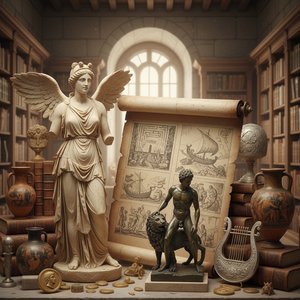
Timeless Legends: A Curated Guide to the Eternal Allure of Mythological Masterpieces
Embark on a sophisticated journey through the eternal allure of mythological art. Discover how master painters breathe life into ancient legends, from Greek deities to Baroque masterpieces, and learn to curate these timeless narratives within your own exquisite art collection.

Echoes of Olympus: Mythological Narratives in Western Art Through the Ages
Explore the captivating history of mythological narratives in Western art! From ancient Greece to modern masterpieces, discover iconic artworks & symbolism. Expert analysis and high-quality reproductions at TopImpressionists.

Os 25 Tesouros do Hermitage: Arte Clássica para Decorar com Elegância
Descubra os 25 tesouros do Museu Hermitage em São Petersburgo! Explore a história de Rembrandt, Leonardo da Vinci e outros mestres. Encontre reproduções de arte clássica para decorar sua casa com elegância. TopImpressionists.com: a beleza atemporal ao seu alcance.

Titian: Innovation, Technique & the Venetian Renaissance Portrait Tradition
Explore the revolutionary techniques & enduring legacy of Titian, the master of Venetian Renaissance portraiture. Discover insights for collectors & appreciate his impact on art history.

Os 25 Tesouros da Galeria Uffizi: Arte Renascentista para Sua Casa | TopImpressionists
Descubra os 25 tesouros da Galeria Uffizi, em Florença! Explore a história de Botticelli, Leonardo da Vinci e Michelangelo. Encontre reproduções de arte renascentista para decorar sua casa com elegância. TopImpressionists.
Explore obras de arte organizadas por temas, estilos e características.


