

 Visualizar na parede
 Compartilhar
 Compartilhar
 Detalhes
 Guia
Guia

 Baixar imagem
 Semelhantes
 Raio X
 Ver diaporama
 Estatísticas
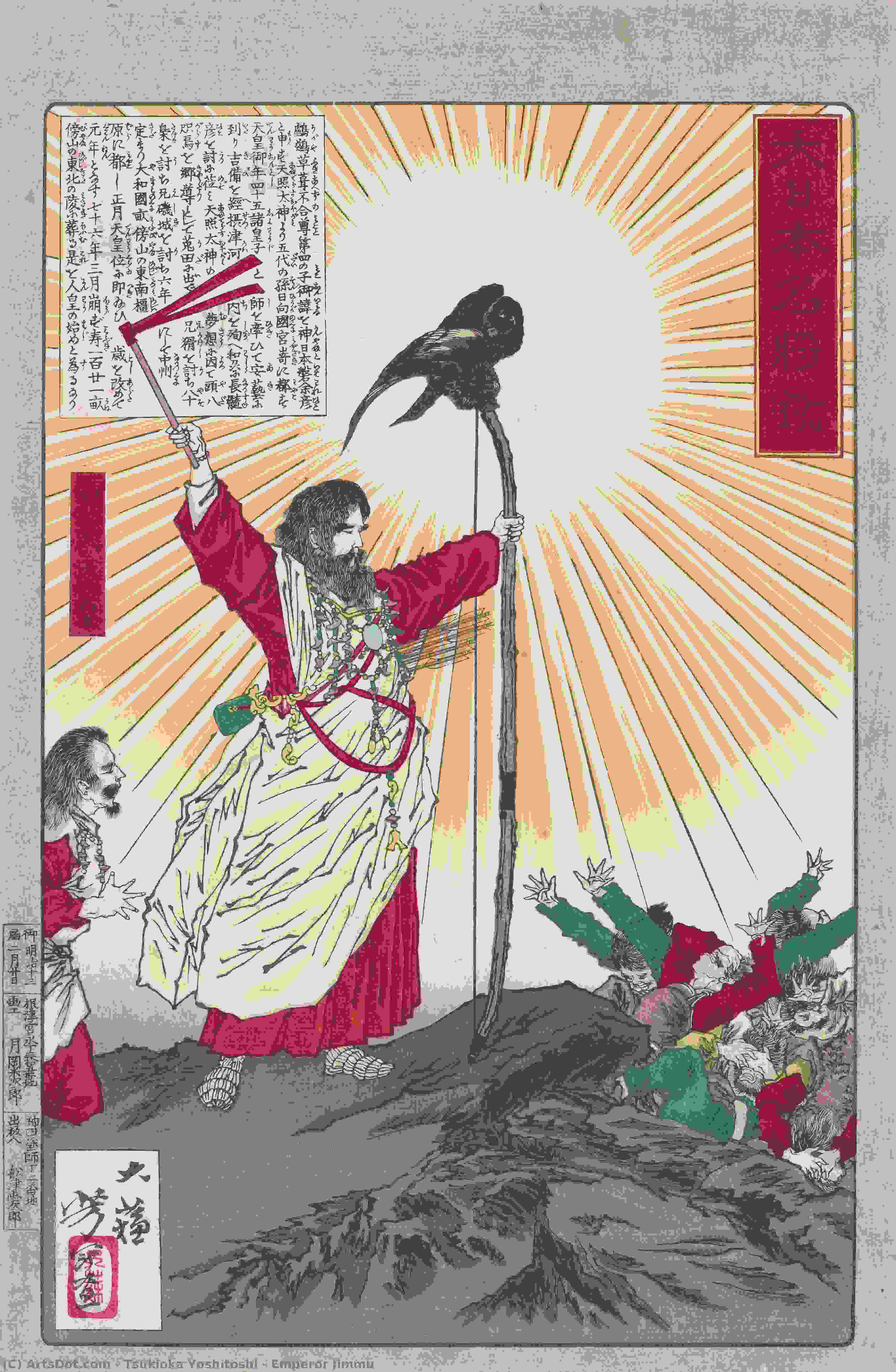
Emperor Jimmu

Explore uma obra-prima de Tsukioka Yoshitoshi! Este retrato épico do primeiro imperador japonês, 'Emperor Jimmu', captura o espírito da história e inovação artística do período Edo em uma reprodução meticulosa.
 Ler mais
Tsukioka Yoshitoshi (1839-1892): Último mestre do ukiyo-e, famoso por cenas dramáticas e arte inovadora refletindo a turbulenta transição do Japão. Explore suas estampas de guerreiros e seu legado.
Reprodução em Óleo Feita à Mão
Óleo sobre tela pintado à mão no tamanho e moldura de sua escolha, feito sob encomenda pelos nossos artistas. ( Alternar para Impressão Alternar para Imagem Digital)




P118B €10

P118H €10

P118W €10

P438Z €10

P508JH €12

P508YH €12

P805H €10

P805Z €10

P919BZ €10

P919G €10

P919XJ €10

P959ZH €10

P968JZ €12

W106C €8

W218G €10

W218JH €8

W218Y €10

W307PJ €10

W316G €10

W316PJ €8

W316Y €10

W398PJ €8

W4111J €10

W500HY €15

W500JH €15

W692G €12

W849H €8

W940BG €15

W953PJ €8




Tamanho padrão
personalizado
CM
INCH
Escolha entre os nossos tamanhos pré-definidos que respeitam as proporções originais da obra de arte.
Loading sizes...

largura
altura
Insira a largura e a altura desejadas para se ajustarem à sua moldura ou parede. Como esta obra é pintada à mão, para um tamanho com proporções diferentes, o artista poderá pintar um pouco mais ao redor da imagem ou reduzir ligeiramente a composição — você escolhe. Enviamos uma maquete digital para sua aprovação antes de iniciar a pintura. A imagem exibida nesta página não representa o resultado real — apenas a maquete mostra o resultado final.
Exemplos do que pode ser personalizado: Substituir o rosto pela foto do cliente; Adicionar um animal de estimação (ex: substituir gato por cão); Incluir uma mensagem oculta no fundo; Alterar a paisagem ou elementos do fundo.
Após o pedido, a equipa TopImpressionists.com enviará um e-mail ao cliente para solicitar instruções e fornecer uma prévia do esboço.
Após o pedido, a equipa TopImpressionists.com enviará um e-mail ao cliente para solicitar instruções e fornecer uma prévia do esboço.
Entrega mundial () em 3 a 4 semanas, em vez das 5 semanas padrão. (27 Outubro). Sem comprometer a qualidade.

Envio expresso gratuito para todo o mundo

Tela de Linho de Alta Qualidade

Seguro de transporte completo

Garantia de Reembolso de Impostos Alfandegários

Garantia de Fidelidade Cromática

Política de Devolução em 100 Dias (Apenas para Defeitos)

Garantia de reembolso de 100%

Oferta de desconto por quantidade
 A opção de vidro está disponível apenas para tamanhos inferiores a 110 cm

Emperor Jimmu
Técnica de Reprodução
Tamanho da Reprodução
-


Preço Total
€ 237
Emperor Jimmu: A Vision of Mythic Leadership Captured in Woodblock Print
Tsukioka Yoshitoshi’s “Emperor Jimmu” stands as a cornerstone of Ukiyo-e art, embodying the final flourish of Japan's artistic heritage during the Meiji Restoration. Published in 1880 as part of his monumental "Illustrated History of Great Japan" (*Dai nippon-shi ryaku zue*), this triptych isn’t merely a depiction; it’s an immersive experience into the formative myths that shaped Japanese identity. Yoshitoshi, recognizing the importance of conveying narrative and emotion through visual art, skillfully employed techniques honed over decades to create a masterpiece that continues to resonate with audiences today.- Subject Matter: The painting portrays Emperor Jimmu, Japan’s legendary first monarch, positioned atop a dramatic hillside—a deliberate choice mirroring the Buddhist saint Shôki, symbolizing divine authority and unwavering resolve.
- Symbolism: Yoshitoshi imbues the image with profound symbolism. The bird held by Jimmu represents Amaterasu Ōmikami, the sun goddess – Jimmu’s maternal ancestor – signifying his connection to the cosmos and reinforcing his role as protector of Japan. Notably, a mirror rests upon Jimmu's chest, referencing Buddhist iconography and hinting at introspection and spiritual contemplation.
- Composition & Technique: Yoshitoshi’s masterful use of perspective contributes to the painting’s dynamism. The figures surrounding Jimmu are rendered with meticulous detail, capturing everyday life amidst the grandeur of imperial history. His innovative approach to color—particularly the vibrant blues—creates a striking visual contrast against the earthy tones of the hillside, enhancing the dramatic impact of the scene.
- Influence: Yoshitoshi’s stylistic innovations profoundly impacted subsequent generations of artists, establishing precedents for expressive composition and vibrant color palettes within Ukiyo-e.
- Notable Works Alongside “Emperor Jimmu”: Explore Yoshitoshi's broader oeuvre, including "First Law Enforcer Torii Sun," which similarly delves into historical narratives with striking visual impact.
Perguntas e Respostas
Onde posso comprar reproduções pintadas à mão de "Emperor Jimmu", de Tsukioka Yoshitoshi?
Reproduções pintadas à mão de "Emperor Jimmu", de Tsukioka Yoshitoshi podem ser adquiridas no este site: uma reprodução a óleo pintada à mão sobre tela de linho, através da sua página de encomendas Reprodução Pintada à Mão.
Onde posso comprar uma impressão de "Emperor Jimmu", de Tsukioka Yoshitoshi?
"Emperor Jimmu" está disponível como uma impressão fine art em tela de algodão ou papel canvas de arquivo. Os pedidos podem ser feitos na página de Impressão Fine Art, no tamanho de sua escolha.
Qual técnica e estilo caracterizam "Emperor Jimmu", de Tsukioka Yoshitoshi?
"Emperor Jimmu", de Tsukioka Yoshitoshi combina a técnica de Acrílico sobre tela com o estilo Ukiyo-e Art Movement. Técnica e movimento descrevem a execução e o estilo da obra.
Biografia do Artista
A Life Etched in Ink and Wood: The World of Tsukioka Yoshitoshi
Tsukioka Yoshitoshi, born Owariya Yonejiro in 1839 amidst the bustling streets of Edo (modern Tokyo), stands as a monumental figure in the history of Japanese art. He is widely celebrated as the last great master of *ukiyo-e*, the “pictures of the floating world,” yet to define him solely by this title feels insufficient. Yoshitoshi wasn’t merely a preserver of tradition; he was an innovator, a visual storyteller who fearlessly captured the tumultuous spirit of a Japan undergoing radical transformation. His life unfolded against a backdrop of societal upheaval – the waning years of the Tokugawa shogunate, the Meiji Restoration, and the rapid influx of Western ideas – all profoundly shaping his artistic vision. From humble beginnings as the son of a merchant elevated to samurai status, Yoshitoshi’s path led him into an apprenticeship with Utagawa Kuniyoshi, a master whose influence would be indelible. This formative period instilled in him not only technical skill but also a deep appreciation for narrative and dynamic composition.From Apprenticeship to Artistic Independence
Yoshitoshi's early years were steeped in the rigorous discipline of *ukiyo-e* training under Kuniyoshi. He absorbed his master’s techniques, honing his draftsmanship and learning to translate stories into compelling visual form. However, Yoshitoshi quickly began to forge his own path. While initially working within established conventions, he soon demonstrated a willingness to push boundaries, particularly in his depictions of violence and death. These weren't gratuitous displays but rather reflections of the era’s unrest and personal tragedies – the loss of both his father and Kuniyoshi deeply impacted his artistic direction. The mid-1860s saw Yoshitoshi gaining recognition for what became known as his “bloody prints,” a series characterized by graphic imagery and dramatic intensity. Series like *Eimei nijûhasshûku* (Twenty-Eight Famous Murders with Verse) shocked and captivated audiences, showcasing scenes of brutal killings rendered with startling realism. This willingness to confront dark themes set him apart from many of his contemporaries. He experimented with different series and subjects, including the popular *Tsūzoku saiyūki* (“A Modern Journey to the West”) and *Wakan hyaku monogatari* (“One Hundred Stories of China and Japan”), demonstrating a versatility that further cemented his reputation.Innovation in a Changing World
Yoshitoshi’s genius lay not only in his subject matter but also in his artistic technique. He masterfully blended traditional Japanese aesthetics with Western influences, incorporating elements of perspective and composition gleaned from imported prints and engravings. This fusion created a unique visual language that was both distinctly Japanese and strikingly modern. As Japan embraced modernization, new technologies like photography and lithography threatened the very existence of *ukiyo-e*. Yoshitoshi recognized this challenge and responded by elevating his craft to unprecedented levels of artistry. He experimented with color palettes, refined his carving techniques, and pushed the boundaries of narrative storytelling within the woodblock medium. His series *Musha Burui* (Warrior Prints) exemplifies this dedication – each print a dynamic explosion of action and emotion, showcasing his skill in portraying heroic figures and dramatic battles. He understood that to survive, *ukiyo-e* had to evolve, and he dedicated himself to ensuring its continued relevance.Legacy and Enduring Influence
Yoshitoshi’s life was a struggle against time, a valiant effort to safeguard a cherished artistic tradition in the face of overwhelming change. He succeeded not only in preserving *ukiyo-e* but also in transforming it, leaving behind a body of work that continues to captivate and inspire. Despite facing immense challenges – financial hardship, personal struggles, and the decline of traditional art forms – Yoshitoshi remained steadfast in his commitment to *ukiyo-e*. He worked tirelessly until his death in 1892, leaving behind a vast body of work that continues to be studied and admired by collectors and scholars worldwide. His prints are more than just beautiful objects; they are windows into a bygone era, powerful expressions of human emotion, and enduring symbols of artistic excellence.A Final Flourish: Yoshitoshi’s Lasting Impact
- Preservation of Tradition: In a rapidly modernizing Japan, Yoshitoshi championed traditional woodblock printing techniques.
- Artistic Innovation: He seamlessly blended Japanese aesthetics with Western influences, creating a unique and dynamic style.
- Narrative Power: His prints are renowned for their compelling storytelling and dramatic intensity.
- Historical Documentation: Yoshitoshi’s work provides valuable insights into the social, political, and cultural landscape of 19th-century Japan.
- A testament to his enduring legacy is the continued appreciation for his artistry by collectors and art enthusiasts worldwide.

Tsukioka Yoshitoshi
1839 - 1892 , Japão
Dados Rápidos
- Artistic Movement Or Style: *Ukiyo-e*
- Artists Or Movements Influenced By This Artist: ['Futuros artistas']
- Artists Who Influenced This Artist: ['Kuniyoshi']
- Date Of Birth: 30 de abril de 1839
- Date Of Death: 9 de junho de 1892
- Full Name: Tsukioka Yoshitoshi
- Nationality: Japonês
- Notable Artworks:
- Tokugawa Iemitsu
- Musha-e Series
- Sukune - Yoshitoshi
- Place Of Birth: Tóquio, Japão
Artigos Relacionados

Floating Worlds: The Timeless Elegance and Cultural Magic of Ukiyo-e Art
Embark on a cultural journey through the enchanting world of Ukiyo-e. Discover the history, masters like Hokusai, and the vibrant Edo period aesthetics that continue to inspire art lovers worldwide with their timeless beauty and intricate woodblock craftsmanship.
Explore obras de arte organizadas por temas, estilos e características.


