


 Visualizar em escala
 Enviar
 Compartilhar
 Ver detalhes
 Guia de Obras do Aluno

 Baixar imagem
 Semelhantes
 Raio X
 Apresentação de slides
 Estatísticas
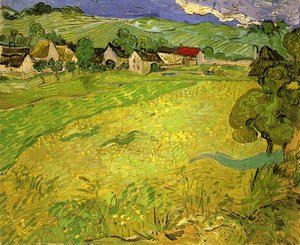
Cottages


Experience Vincent van Gogh's 'Cottages,' a serene depiction of rural life brimming with vibrant colors and Post-Impressionist charm. A hand-painted reproduction captures the beauty of Dutch countryside.
 Ver mais
Vincent van Gogh (1853-1890): Explore a vida e a arte do mestre pós-impressionista holandês por trás de 'A Noite Estrelada' e 'Os Girassóis'. Descubra seu estilo audacioso e o impacto duradouro na arte moderna.
Giclée / Impressão de Arte
Impressão giclée ou em tela de qualidade de museu, com produção rápida e opções flexíveis de acabamento. ( Encomendar reprodução pintada à mão Ver Imagem Digital)




P118B €10

P118H €10

P118W €10

P438Z €10

P508JH €12

P508YH €12

P805H €10

P805Z €10

P919BZ €10

P919G €10

P919XJ €10

P959ZH €10

P968JZ €12

W106C €8

W218G €10

W218JH €8

W218Y €10

W307PJ €10

W316G €10

W316PJ €8

W316Y €10

W398PJ €8

W4111J €10

W500HY €15

W500JH €15

W692G €12

W849H €8

W940BG €15

W953PJ €8




Padrão
sob medida
CM
INCH
Escolha entre os nossos tamanhos pré-definidos que respeitam as proporções originais da obra de arte.
Loading sizes...

largura
altura
Digite a largura e a altura de que necessita, para se ajustar à sua moldura ou à sua parede. Uma impressão só pode ser cortada, nunca ampliada além da imagem original, pelo que um tamanho com uma proporção diferente perderá parte da imagem. Enviamos-lhe uma maquete digital para aprovação antes de imprimirmos qualquer coisa. A imagem apresentada nesta página não mostra o corte real — apenas a maquete o faz.
Entrega mundial () em 2 semanas, em vez das 4/5 semanas padrão. (24 Outubro)

Envio expresso gratuito para todo o mundo

Tela de Linho Premium

Seguro de transporte total

Garantia de Reembolso de Impostos Alfandegários

Garantia de Fidelidade de Cor

Política de Devolução em 100 Dias (Apenas para Defeitos)

Garantia de reembolso de 100%

Desconto para múltiplas unidades
 A opção de vidro está disponível apenas para tamanhos inferiores a 110 cm

Cottages
Giclée / Impressão de Arte
Dimensões da Reprodução
-


Preço Total
€ 61
Cottages: A Window into Post-Impressionist Tranquility
Vincent van Gogh’s “Cottages,” painted in 1883, isn't merely a depiction of a rural village; it’s an immersive experience—a carefully constructed tableau designed to evoke a profound sense of peace and nostalgia. This oil on canvas, residing within the broader series exploring peasant life, offers a glimpse into Van Gogh’s evolving artistic vision during a pivotal period in his career. The scene unfolds with a quiet dignity: humble cottages, their thatched roofs blending seamlessly with the surrounding greenery, nestled beneath a serene sky. It's a landscape imbued with a palpable sense of warmth and community, yet simultaneously tinged with a subtle melancholy—a characteristic hallmark of Van Gogh’s mature style.
The painting’s genesis lies within the burgeoning Post-Impressionist movement, an era defined by artists seeking to move beyond the fleeting impressions of light and color favored by their predecessors. Post-Impressionism wasn't a rigid school but rather a diverse collection of artists—including Van Gogh himself, Paul Cézanne, Paul Gauguin, and Georges Seurat—who experimented with subjective expression, symbolic content, and emotional depth. Van Gogh’s “Cottages” exemplifies this shift; he abandons the purely observational approach of earlier Impressionists, instead layering his own feelings and interpretations onto the scene. The vibrant yellows dominating the cottages aren't simply a representation of color but rather convey warmth, light, and perhaps even a hint of optimism—a deliberate choice to imbue the humble dwellings with an aura of comfort and security.
The Language of Color and Texture
Van Gogh’s distinctive technique is immediately apparent. He employs thick, impasto brushstrokes – literally building up layers of paint directly onto the canvas – creating a tactile surface that invites close inspection. The individual strokes are visible, contributing to the painting's dynamism and energy. Notice how he uses short, broken lines to depict the thatched roofs, suggesting their texture and movement in the breeze. The greens and blues of the landscape aren’t blended smoothly; instead, they’re applied with a sense of urgency, conveying a feeling of vitality and growth. This deliberate manipulation of color and texture is central to Van Gogh's expressive style—a means of communicating not just what he *saw*, but how he *felt* about what he saw.
The composition itself is carefully considered. The cottages are arranged in a loose, asymmetrical grouping, creating a sense of visual interest and preventing the scene from feeling static. A few figures—likely peasants engaged in daily tasks—are scattered throughout the landscape, adding to the painting’s narrative quality. These figures aren't idealized or romanticized; they appear as ordinary people going about their lives, contributing to the overall sense of authenticity and realism.
Symbolism and Emotional Resonance
Beyond its visual appeal, “Cottages” is rich in symbolism. The humble cottages represent a connection to rural life, a theme that was increasingly important to Van Gogh during this period. He saw in these simple dwellings a sense of stability and community—a stark contrast to the alienation and uncertainty he often experienced in urban environments. The sky, painted in shades of blue and grey, suggests both tranquility and melancholy – reflecting the artist’s own complex emotional state. The presence of animals, likely dogs, adds another layer of meaning, symbolizing loyalty, companionship, and a connection to nature.
Van Gogh's fascination with rural life stemmed from his desire to understand the lives of ordinary people—particularly the working class. He believed that art should serve as a means of social commentary, offering insights into the experiences of those often overlooked by society. “Cottages” is therefore not just a pretty picture; it’s a poignant meditation on themes of poverty, community, and the beauty of the natural world.
Bringing "Cottages" Home: A Hand-Painted Reproduction
At TopImpressionists.com, we are proud to offer meticulously hand-painted oil reproductions of Van Gogh's “Cottages,” capturing the essence of this iconic artwork with unparalleled detail and authenticity. Our skilled artists utilize only the finest materials—traditional oil paints on archival canvas—to faithfully recreate every brushstroke, color nuance, and textural element of the original. Each reproduction is a testament to our commitment to preserving Van Gogh’s legacy and making his art accessible to collectors and admirers worldwide.
Whether you're an avid art collector, an interior designer seeking to add a touch of Post-Impressionist charm to your home, or simply someone who appreciates the beauty of Van Gogh’s work, our hand-painted reproduction of “Cottages” offers a unique opportunity to own a piece of art history. Explore our collection and discover how you can bring this timeless masterpiece into your life today. Special offer on oil paintings.
Perguntas e Respostas
Qual uso e espaço são recomendados para "Cottages" de Vincent Van Gogh?
O uso de (Peça de impacto) e o espaço (Sala de Estar) são as duas recomendações registradas para "Cottages" de Vincent Van Gogh.
Qual tamanho de impressão de "Cottages" de Vincent Van Gogh se adequa ao ambiente recomendado?
Para um(a) Sala de Estar, o tamanho de impressão recomendado para "Cottages" de Vincent Van Gogh é Grande.
Como o movimento e a época se encontram em "Cottages" de Vincent Van Gogh?
"Cottages" pertence ao movimento Post-Impressionism, e seu criador trabalhou na era Século XIX.
Obras Relacionadas



Biografia do Artista
Uma Vida Pintada com Paixão: Vincent van Gogh
Vincent Willem van Gogh, um nome sinônimo de cores vibrantes e emoção pura, permanece como uma das figuras mais reconhecíveis e amadas da história da arte. Nascido em 30 de março de 1853, em Zundert, na Holanda, sua jornada — de um jovem atormentado em busca de propósito a um visionário artístico — é um conto comovente de dedicação, luta e, finalmente, um legado eterno. Embora tenha alcançado pouco sucesso comercial durante sua vida — vendendo apenas uma pintura, A Vinha Tinta, antes de sua morte — o impacto de Van Gogh na arte moderna é imensurável, abrindo caminho para o Expressionismo e influenciando inúmeros artistas que o sucederam. Sua história não trata apenas de pinceladas e telas; é um testemunho do poder da expressão humana diante da adversidade.
Anos Iniciais e o Despertar Artístico
A vida de Van Gogh foi marcada por uma série de aspirações não realizadas. Ele experimentou diversas profissões — negociante de arte, professor e até missionário — antes de finalmente se dedicar à pintura na idade relativamente tardia de 27 anos. Essas experiências anteriores moldaram profundamente sua visão de mundo e encontraram eco em sua arte. Suas obras iniciais, retratando cenas da vida camponesa na zona rural da Bélgica, refletem uma profunda empatia pela classe trabalhadora e uma paleta sombria que espelhava suas dificuldades. Influenciado por artistas como Jean-François Millet, Van Gogh buscou capturar a dignidade e a resiliência desses indivíduos através de um realismo cru. No entanto, foi sua mudança para Paris, em 1886, que se mostrou transformadora. Lá, ele encontrou o Impressionismo e o Pós-Impressionismo, absorvendo as técnicas de mestres como Monet, Renoir e Pissarro. Essa exposição ampliou seus horizontes artísticos, levando-o a experimentar cores mais brilhantes e pinceladas mais soltas, embora mantendo uma intensidade emocional distinta, ausente em muitos de seus contemporâês. Seu irmão Theo, um negociante de arte, desempenhou um papel crucial durante este período, fornecendo apoio financeiro e atuando como um elo vital com o mundo artístico parisiense. A extensa correspondência entre eles oferece percepções inestimáveis sobre o desenvolvimento artístico e as lutas pessoais de Van Gogh.
A Luz do Sul e a Criatividade Explosiva
Buscando uma paisagem mais vibrante e um senso de renovação, Van Gogh mudou-se para Arles, no sul da França, em 1888. Este movimento marcou um período de intensa produção criativa, caracterizado por uma explosão de cores e uma técnica de impasto distinta — aplicando a tinta generosamente sobre a tela, criando uma superfície texturizada que parece pulsar com energia. Foi aqui que ele produziu algumas de suas obras mais icônicas: Girassóis, O Café Noturno e A Noite Estrelada. A luz intensa da Provence parecia incendiar sua imaginação, levando-o a retratar paisagens e naturezas-mortas com uma vivacidade sem precedentes. Seu desejo por colaboração artística o levou a convidar Paul Gauguin para se juntar a ele em Arles, na esperança de estabelecer uma colônia utópica de artistas. No entanto, o relacionamento entre eles provou ser volátil, culminando em um confronto dramático que resultente na automutilação da própria orelha por Van Gogh. Este evento sublinhou a fragilidade de seu estado mental e marcou o início de um período de institucionalização e crescente sofrimento psicológico.
Anos Finais e Legado Duradouro
Após seu colapso, Van Gogh internou-se voluntariamente em um manicômio em Saint-Rémy, onde continuou a pintar profusamente, capturando as paisagens circundantes com beleza e turbulência. Obras como A Noite Estrelada, pintadas durante esse tempo, são imbuídas de um senso de maravilhamento cósmico e profunda profundidade emocional. Mais tarde, ele mudou-se para Auvers-sur-Oise sob os cuidados do Dr. Paul Gachet, mas suas lutas persistiram. Em 29 de julho de 1890, aos 37 anos, Van Gogh morreu tragicamente devido a um ferimento de arma de fogo autoinfligido. Apesar de ter alcançado pouco reconhecimento em vida, seu trabalho começou a ganhar aclamação póstuma graças, em grande parte, aos esforços incansáveis de sua cunhada, Johanna van Gogh-Bonger, que herdou seu espólio e dedicou-se a promover sua arte. Hoje, as pinturas de Van Gogh são celebradas mundialmente por sua intensidade emocional, técnicas inovadoras e beleza duradoura. Seu legado estende-se muito além da tela; ele tornou-se um símbolo da paixão artística, da perseverança diante da adversidade e do poder da arte em expressar as emoções humanas mais profundas.
Principais Influências e Desenvolvimento Artístico
- Realismo Inicial: As representações da vida camponesa de Jean-François Millet influenciaram os primeiros trabalhos de Van Gogh.
- Impressionismo e Pós-Impressionismo: A exposição a Monet, Renoir, Pissarro e outros em Paris ampliou sua paleta e técnica.
- Gravuras Japonesas: Van Gogh foi profundamente influenciado pelas xilogravuras japonesas, que colecionava avidamente. Suas composições ousadas e planos de cores chapados impactaram seu próprio estilo.
- Expressão Emocional: Acima de tudo, Van Gogh buscava transmitir emoção através de sua arte, priorizando a experiência subjetiva sobre a representação objetiva. Esse foco na intensidade emocional tornou-se uma característica definidora de seu trabalho e abriu caminho para o Expressionismo.

Vincent Van Gogh
1853 - 1890 , Países Baixos
Informações Rápidas
- Artistic Movement Or Style: Pós-Impressionismo
- Artists Or Movements Influenced By This Artist:
- Expressionismo
- Fauvismo
- Artists Who Influenced This Artist:
- Rembrandt
- Millet
- Date Of Birth: 30 de Março de 1853
- Date Of Death: 29 de Julho de 1890
- Full Name: Vincent Willem van Gogh
- Nationality: Holandês
- Notable Artworks:
- O Pintor de Camponeses
- Girassóis
- Noite Estrelada
- Café à Noite
- Place Of Birth: Zundert, Holanda
Artigos Relacionados

The Soul of the Brushstroke: Decoding Van Gogh's Emotional Impasto
Explore the profound emotional depth of Van Gogh's impasto technique. Discover how his sculptural brushstrokes and textured oil layers define Post-Impressionism through an expert art-historical lens, perfect for discerning collectors and fine art enthusiasts.

Capturing the Light: A Journey Through the Ethereal Magic of Impressionism and Post-Impressionism
Embark on a cultural journey through the luminous world of Impressionism. Discover the profound beauty of Monet, Van Gogh, and Cézanne through expert art history insights and explore how to bring these timeless masterpieces into your home with museum-quality hand-painted reproductions.

Beyond the Light: Capturing Raw Emotion and Subjective Vision in Post-Impressionist Landscapes
Explore the profound emotional depth of Post-Impressionist landscapes. Discover how masters like Van Gogh moved beyond light to capture raw human feeling through vibrant color and expressive texture in this expert art history retrospective.

Timeless Impressionism: Bringing the Soul of Monet and Van Gogh into Your Cultural Space
Discover the soul of Impressionism. Explore how the luminous light of Monet and the emotional depth of Van Gogh can transform your home with premium, hand-painted oil reproductions designed for the discerning art lover.

Beyond the Light: Discovering the Soul and Emotional Depth of Post-Impressionism
Embark on a cultural journey through Post-Impressionism. Discover the profound emotional depth of masters like Van Gogh and Cézanne, exploring how they moved beyond light to capture the very soul of human experience through vibrant color and symbolic form.
Explore obras de arte organizadas por temas, estilos e características.


