


 Visualizar em escala
 Enviar
 Compartilhar
 Ver detalhes
 Guia de Obras do Aluno

 Baixar imagem
 Semelhantes
 Raio X
 Apresentação de slides
 Estatísticas
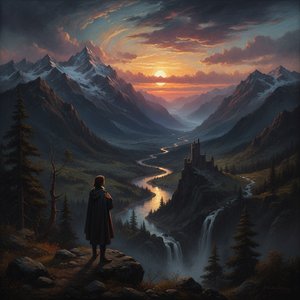
Castle Eden Dene
 Romanticism
 43.0 x 34.0 cm
 Darlington Library
Admire 'Castle Eden Dene' by William Bewick – a captivating landscape painting. Hand-painted reproduction available in various sizes. Bring timeless art into your home!
William Bewick foi um renomado pintor inglês conhecido por suas obras detalhadas sobre animais e paisagens britânicas, especialmente pela criação da Escola Sir William Dunn de Patologia e pelas ilustrações em madeira de "As Fábulas de Ésope". Sua arte inspirou gerações!
 Ver mais
A obra de arte exibida nesta página é protegida por leis de direitos autorais, o que significa que não podemos criar ou vender legalmente uma reprodução idêntica. Esta proteção é aplicada por meio de acordos internacionais, tais como a Convenção de Berna e pelas leis nacionais, incluindo as estabelecidas por Lei de Direitos Autorais dos EUA - Título 17.
Como uma alternativa respeitosa e legal, oferecemos obras de arte personalizadas e pintadas à mão, inspiradas na obra original. Nossos artistas profissionais e experientes estudam cuidadosamente o estilo, a atmosfera e a essência artística da obra original para criar uma peça nova e única que evoque a mesma sensação — permanecendo como uma criação original por direito próprio.
Este método cumpre plenamente as regulamentações de direitos autorais, pois não envolve a cópia ou duplicação da obra protegida. Em vez disso, trata-se de uma reinterpretação criativa — uma nova pintura que é influenciada pela original, mas não idêntica a ela.
Reprodução em Óleo Feita à Mão
Óleo sobre tela pintado à mão no tamanho e moldura de sua escolha, feito sob encomenda pelos nossos artistas. ( Alternar para Impressão Ver Imagem Digital)




P118B €10

P118H €10

P118W €10

P438Z €10

P508JH €12

P508YH €12

P805H €10

P805Z €10

P919BZ €10

P919G €10

P919XJ €10

P959ZH €10

P968JZ €12

W106C €8

W218G €10

W218JH €8

W218Y €10

W307PJ €10

W316G €10

W316PJ €8

W316Y €10

W398PJ €8

W4111J €10

W500HY €15

W500JH €15

W692G €12

W849H €8

W940BG €15

W953PJ €8




Padrão
sob medida
CM
INCH
Escolha entre os nossos tamanhos pré-definidos que respeitam as proporções originais da obra de arte.
Loading sizes...

largura
altura
Digite a largura e a altura de que necessita, para se ajustar à sua moldura ou à sua parede. Esta obra é pintada à mão, por isso, para um tamanho com uma proporção diferente, o artista pode pintar um pouco mais ao redor da imagem ou cortar um pouco — você escolhe. Enviamos-lhe uma maquete digital para aprovação antes de a pintura começar. A imagem exibida nesta página não mostra o resultado real — apenas a maquete mostra.
Exemplos do que pode ser personalizado: Substituir o rosto pela foto do cliente; Adicionar um animal de estimação (ex: substituir gato por cão); Incluir uma mensagem oculta no fundo; Alterar a paisagem ou elementos do fundo.
Após o pedido, a equipa TopImpressionists.com enviará um e-mail ao cliente para solicitar instruções e fornecer uma prévia do esboço.
Após o pedido, a equipa TopImpressionists.com enviará um e-mail ao cliente para solicitar instruções e fornecer uma prévia do esboço.
Entrega mundial () em 3 a 4 semanas, em vez das 5 semanas padrão. (18 Outubro). Sem comprometer a qualidade.

Envio expresso gratuito para todo o mundo

Tela de Linho Premium

Seguro de transporte total

Garantia de Reembolso de Impostos Alfandegários

Garantia de Fidelidade de Cor

Política de Devolução em 100 Dias (Apenas para Defeitos)

Garantia de reembolso de 100%

Desconto para múltiplas unidades
 A opção de vidro está disponível apenas para tamanhos inferiores a 110 cm

Castle Eden Dene
Técnica de Reprodução
Dimensões da Reprodução
-


Preço Total
€ 234
Biografia do Artista
William Bewick: A Pioneer of British Wildlife Illustration
William Bewick (1824-1886) stands as a monumental figure in the annals of English art history, particularly revered for his groundbreaking contributions to wildlife illustration and his pivotal role in establishing the Sir William Dunn School of Pathology. Born in Ministeracres, Northumberland, he embarked on a remarkable artistic journey marked by unwavering faith and an unparalleled dedication to capturing the beauty and intricacies of the natural world—a passion that would profoundly shape his oeuvre and solidify his legacy as one of Britain’s foremost engravers and artists. Bewick's formative years were steeped in religious devotion, instilled by his parents who adhered to Roman Catholicism. This spiritual grounding served as a bedrock for his artistic sensibilities, fostering an appreciation for moral contemplation alongside meticulous observation—a duality that would permeate his work throughout his life. His early education encompassed Latin and Greek, equipping him with the intellectual tools necessary to engage critically with classical literature and philosophy, influences which subtly informed his artistic vision. His artistic apprenticeship began under John Harrison, a celebrated Newcastle engraver who imparted invaluable skills in printmaking techniques—a craft Bewick would master with exceptional precision. Harrison’s guidance instilled in Bewick not merely technical proficiency but also an understanding of the aesthetic principles underpinning masterful engraving, shaping him into a craftsman of discerning taste and unwavering dedication. This formative experience cemented his commitment to the art form and propelled him toward ambitious creative endeavors. Bewick's artistic breakthrough arrived with his collaboration on “Aesop’s Fables,” a monumental undertaking that showcased his unparalleled ability to transform literary narratives into stunning visual representations. Alongside John Harrison, Bewick meticulously crafted exquisitely detailed wood engravings—a technique demanding extraordinary patience and technical virtuosity—that breathed life into the timeless tales of Aesop's moral lessons. The resulting prints captivated audiences across Britain and cemented Bewick’s reputation as a visionary artist capable of elevating literature to new heights of artistic expression. He was particularly celebrated for his depiction of “The Sir William Dunn School of Pathology,” where he championed the creation of an institution dedicated to advancing immunological research—a testament to his belief in the transformative potential of scientific inquiry and its role in improving human wellbeing. His artistic output extended beyond “Aesop’s Fables” and the School's founding; Bewick produced a prolific body of work encompassing portraits, landscapes, and decorative prints—each imbued with a distinctive blend of realism and symbolic resonance. His meticulous attention to detail—evident in his engravings of British wildlife and his evocative depictions of Northumberland scenery—demonstrated an unwavering commitment to capturing the essence of his subjects with breathtaking accuracy. Furthermore, Bewick’s artistic explorations probed deeper into philosophical themes, reflecting his profound engagement with moral contemplation and spiritual inquiry—a characteristic that distinguishes him as a truly multifaceted artist. Bewick's legacy transcends mere artistic achievement; he served as Bishop of Hexham and Newcastle from 1882 until his death in 1886, embodying the virtues of piety, compassion, and intellectual rigor. During his episcopacy, he championed social reform initiatives aimed at alleviating poverty and promoting educational opportunities—a reflection of his unwavering conviction that faith should inspire action and contribute to the betterment of society. His steadfast devotion to his pastoral responsibilities cemented his reputation as a moral exemplar and underscored his commitment to upholding Christian values within the broader community. Ultimately, William Bewick’s artistic vision—rooted in religious faith, honed by masterful engraving techniques, and fueled by an ardent passion for capturing the beauty of British wildlife—established him as a pivotal figure in Victorian art history. His enduring influence continues to resonate today, inspiring artists and scholars alike to appreciate the transformative power of observation, meticulous craftsmanship, and moral contemplation—a testament to his indelible mark on the artistic landscape of Britain.
William Bewick
Inglaterra
Informações Rápidas
- Artistic Movement Or Style: Romanticism
- Artists Who Influenced This Artist: ['John Harrison']
- Date Of Birth: 1824
- Date Of Death: October 29, 1886
- Full Name: William Bewick
- Nationality: English
- Notable Artworks:
- Cauldron Snout
- The Sir William Dunn School of Pathology
- Place Of Birth: Ministeracres, Northumberland
Artigos Relacionados
Capturing the Soul: The Emotional Majesty and Sublime Power of Romantic Landscape Painting
Explore the profound emotional depth of Romantic landscape painting. Discover how masters like Turner and Friedrich captured the sublime power of nature through intuition and imagination in this expert art history retrospective.

Capturing the Soul: The Emotional Magic and Sublime Grandeur of Romantic Landscape Painting
Explore the profound emotional depth of Romantic landscape painting. Discover how masters like Friedrich and Turner captured the sublime through light, shadow, and nature's power in this expert art history retrospective for discerning collectors.