

 Visualizar na parede
 Compartilhar
 Compartilhar
 Detalhes
 Guia
Guia

 Baixar imagem
 Semelhantes
 Raio X
 Ver diaporama
 Q&A
Q&A Estatísticas
Great Water, No.4

- 66.0 x 66.0 cm


Zhu Wei’s ‘Great Water, No.4’ captures dynamic ocean waves in a captivating style reminiscent of traditional Chinese ink painting, reflecting the artist's nuanced commentary on modern China and offering a beautiful piece to own.
 Ler mais
Explore as instigantes pinturas e gravuras chinesas de Zhu Wei! Uma voz contemporânea vital, ele combina técnicas clássicas com críticas sutis às complexidades da China moderna.
A obra de arte exibida nesta página é protegida por leis de direitos autorais, o que significa que não podemos criar ou vender legalmente uma reprodução idêntica. Esta proteção é aplicada por meio de acordos internacionais, tais como a Convenção de Berna e pelas leis nacionais, incluindo as estabelecidas por Lei de Direitos Autorais dos EUA - Título 17.
Este método cumpre plenamente as regulamentações de direitos autorais, pois não envolve a cópia ou duplicação da obra protegida. Em vez disso, trata-se de uma reinterpretação criativa — uma nova pintura que é influenciada pela original, mas não idêntica a ela.
Giclée / Impressão de Arte
Impressão giclée ou em tela de qualidade de museu, com produção rápida e opções flexíveis de acabamento. ( Comprar pintura feita à mão Alternar para Imagem Digital)




P118B €10

P118H €10

P118W €10

P438Z €10

P508JH €12

P508YH €12

P805H €10

P805Z €10

P919BZ €10

P919G €10

P919XJ €10

P959ZH €10

P968JZ €12

W106C €8

W218G €10

W218JH €8

W218Y €10

W307PJ €10

W316G €10

W316PJ €8

W316Y €10

W398PJ €8

W4111J €10

W500HY €15

W500JH €15

W692G €12

W849H €8

W940BG €15

W953PJ €8




Tamanho padrão
personalizado
CM
INCH
Escolha entre os nossos tamanhos pré-definidos que respeitam as proporções originais da obra de arte.
Loading sizes...

largura
altura
Insira a largura e a altura desejadas para se ajustarem à sua moldura ou parede. Uma impressão pode ser apenas cortada, nunca ampliada além da imagem original; portanto, um tamanho com proporções diferentes resultará na perda de parte da imagem. Enviamos uma maquete digital para sua aprovação antes de realizarmos a impressão. A imagem exibida nesta página não mostra o corte real — apenas a maquete o faz.
Entrega mundial () em 2 semanas, em vez das 4/5 semanas padrão. (1 Novembro)

Envio expresso gratuito para todo o mundo

Tela de Linho de Alta Qualidade

Seguro de transporte completo

Garantia de Reembolso de Impostos Alfandegários

Garantia de Fidelidade Cromática

Política de Devolução em 100 Dias (Apenas para Defeitos)

Garantia de reembolso de 100%

Oferta de desconto por quantidade
 A opção de vidro está disponível apenas para tamanhos inferiores a 110 cm

Great Water, No.4
Giclée / Impressão de Arte
Tamanho da Reprodução
-


Preço Total
€ 61
Zhu Wei’s ‘Great Water, No.4’: A Meditation on Movement and Memory
“Great Water, No.4,” a captivating work by contemporary Chinese artist Zhu Wei, presents a powerful evocation of the ocean's restless energy. Measuring 66 x 66 cm, this painting immediately draws the viewer into its dynamic composition – a series of waves rendered with remarkable sensitivity and technical skill. The blue background serves not as a mere backdrop but as an active participant in the scene, intensifying the sense of depth and movement. Zhu Wei’s masterful handling of color and form creates a visual experience that is both serene and profoundly evocative.
- Subject Matter: The painting's subject – waves – holds universal significance, representing change, power, and the cyclical nature of life itself.
- Style & Technique: Zhu Wei’s style blends traditional Chinese ink wash techniques with a contemporary sensibility. His approach is characterized by loose brushstrokes and subtle gradations of color, creating an impressionistic effect that captures the ephemeral quality of water. The artist employs layering and glazing to build up depth and luminosity, resulting in a rich and textured surface.
A Legacy Forged in Transition
Zhu Wei’s artistic journey is inextricably linked to the tumultuous period following the Tiananmen Square protests of 1989. Born in Beijing in 1966, he initially served in the military and attended the People's Liberation Army Art Academy, receiving formal training that included creating propaganda art. This early experience shaped his understanding of state-sanctioned art and its role within Chinese society – a context that continues to subtly inform his work today. His commitment to traditional Chinese painting while offering nuanced commentary on its historical context makes him one of the most visible practitioners of post-Tiananmen era art.
Decoding the Symbolism
Within “Great Water, No.4,” the waves themselves are laden with symbolic meaning. They can be interpreted as representing both chaos and order, destruction and creation – fundamental forces that shape our world. The varying sizes and shapes of the waves contribute to this sense of dynamism, suggesting a constant state of flux and transformation. The artist’s deliberate use of negative space further enhances the painting's contemplative mood, inviting viewers to contemplate the vastness and mystery of the ocean.
Emotional Resonance and Artistic Value
More than just a depiction of waves, “Great Water, No.4” is an exploration of memory, emotion, and the human connection to nature. Zhu Wei’s ability to capture the essence of this powerful natural element resonates deeply with viewers, evoking feelings of awe, tranquility, and perhaps even a sense of longing. This piece represents a significant addition to Zhu Wei's body of work, showcasing his continued mastery of traditional techniques while pushing the boundaries of contemporary Chinese art. A hand-painted reproduction offers an unparalleled opportunity to experience the beauty and depth of this remarkable artwork in your own space.
Perguntas e Respostas
Onde se recomenda exibir o formato Square de "Great Water, No.4"?
Com o seu formato Square, uma reprodução de "Great Water, No.4" é sugerida para um(a) Living Room.
As cores de "Great Water, No.4", de Zhu Wei são vibrantes ou suaves?
As cores de "Great Water, No.4", de Zhu Wei apresentam uma saturação Clear Color Presence com uma intensidade Vivid.
Qual é o lugar de "Great Water, No.4", de Zhu Wei na história da arte?
"Great Water, No.4", de Zhu Wei pertence ao movimento Contemporary Realism, dentro do período Contemporary. Juntos, eles conferem à obra o seu lugar na história da arte.
Biografia do Artista
Zhu Wei: Uma Voz Contemporânea na Pintura a Nanquim Chinesa
Nascido em Pequim, China, em 1966, Zhu Wei é um proeminente artista contemporâneo chinês, reconhecido pelo seu engajamento sutilmente crítico com a política e a sociedade dentro do cenário em rápida evolução da China moderna. Ele se posiciona como um dos praticantes mais visíveis da arte da era pós-Tiananmen, demonstrando uma fidelidade notável à pintura tradicional chinesa enquanto oferece, simultaneamente, um comentário matizado sobre o seu contexto histórico.
Vida Precoce e Formação Artística
- Serviço Militar e Academia de Arte: A jornada de Zhu Wei começou com o serviço militar ainda na adolescência. Este período culminou com sua admissão na Academia de Arte do Exército de Libertação Popular em 1989, onde recebeu treinamento artístico formal.
- Arte de Propaganda e Desmobilização: Após a graduação, ele passou vários anos criando arte de propaganda antes de sua unidade ser desmobilizada em 1992. Esta experiência proporcionou-lhe uma compreensão fundamental da arte sancionada pelo Estado, ao mesmo tempo que fomentou uma perspectiva crítica.
- Estudos de Cinema e o Retorno à Tradição: Posteriormente, ele estudou na Academia de Cinema de Pequim, demonstrando um interesse que transcendia as artes puramente visuais. Apesar dessa educação mais ampla, Zhu Wei mantém um conhecimento profundo da tradição artística chinesa, dedicando esforços significativos para dominar as intrincadas técnicas da pintura a nanquim (shuimohua), um estilo profundamente enraizado em práticas taoistas que remontam a séculos.
Estilo Artístico e Temas Centrais
- Maestria do Nanquim: A obra de Zhu Wei é caracterizada por sua habilidade excepcional nas técnicas tradicionais de lavagem de nanquim, demonstrando uma compreensão profunda do pincel, da composição e do potencial expressivo dos tons monocromáticos.
- Crítica Sutil e Alienação: Sua visão artística frequentemente transmite um senso de angústia e alienação, mesclando a introspecção pessoal com o comentário político. Ele não se envolve em protestos explícitos, mas utiliza pistas visuais sutis para questionar as normas sociais e as estruturas de poder.
- Diversidade de Mídias: Embora seja primordialmente um pintor, Zhu Wei também explora a gravura e a escultura figurativa, expandindo o escopo de sua expressão artística.
- A Série "China China": Sua obra mais icônica é, sem dúvida, a série “China China” (iniciada em 2000), que apresenta representações monumentais de quadros chineses trajando as jaquetas da era Mao. Estas obras são instantaneamente reconhecíveis e tornaram-se símbolos da arte chinesa contemporânea, provocando reflexões sobre história, ideologia e identidade nacional.
Obras Principais e Exposições
- Pinturas Notáveis: Entre suas obras fundamentais estão "Zhu Wei: Utopia, No.4 de 46", que exemplifica sua maestria nas técnicas de nanquim, e a já mencionada série “China China”. Outras peças notáveis exploram temas da vida urbana, do consumismo e da transformação cultural na China contemporânea.
- Reconhecimento Internacional: O trabalho de Zhu Wei é amplamente colecionado por museus e colecionadores particulares na Europa, Estados Unidos e Ásia. Suas pinturas aparecem frequentemente em leilões internacionais, atestando seu valor de mercado e importância artística.
- Histórico de Exposições: Ele tem exposto extensivamente tanto no âmbito doméstico quanto internacional, incluindo locais prestigiados como o Museu de Arte de Hubei, o Museu de Arte de Tel Aviv, o Beijing Today Art Museum, o Centro Nacional de Arte Contemporânea da Grécia, entre muitos outros em diversos continentes.
Significância Histórica e Legado
Zhu Wei ocupa uma posição crucial na arte chinesa contemporânea. Como um artista que emergiu nos anos subsequentes à Praça da Paz Celestial, sua obra reflete uma negociação complexa entre tradição e modernidade, controle estatal e expressão individual. Sua crítica sutil às estruturas políticas e sociais, entregue através da lente da pintura clássica chinesa, oferece uma perspectiva única sobre a rápida transformação da China. Ele demonstra que as formas artísticas tradicionais podem ser poderosamente adaptadas para abordar preocupações contemporâneas, consolidando seu legado como uma voz vital no discurso artístico global.

Zhu Wei
1966 - , China
Dados Rápidos
- Artistic Movement Or Style: Pintura chinesa, Arte contemporânea
- Artists Who Influenced This Artist: ['Artistas taoistas']
- Date Of Birth: 1966
- Full Name: Zhu Wei
- Nationality: Chinês
- Notable Artworks:
- China Diary, No.54
- Curtain, No.8
- Zhu Wei: Utopia, No.46
- Série China China
- Place Of Birth (City And Country): Pequim, China
Artigos Relacionados

The Alchemy of Ink: Mastering the Timeless Beauty and Art History of Paper and Brush
Embark on a sophisticated exploration of ink wash painting and Sumi-e. Uncover the profound historical lineages, Zen philosophies, and technical mastery behind this timeless medium in our authoritative guide for fine art enthusiasts.
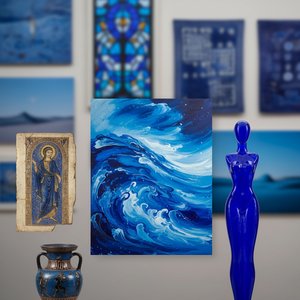
The Allure of Azure: Exploring the Symbolic & Aesthetic Depths of Blue in Art History
Explore the rich history of blue in art! Discover its symbolism, from ancient pigments to modern masterpieces by Kandinsky & Seurat. Uncover the psychological impact and cultural meanings behind this captivating hue.

Ephemeral Expressions: Exploring the Nuances of Ink on Paper Through History & Contemporary Art
Explore the captivating world of ink wash painting – from its ancient origins to contemporary masters. Discover techniques, symbolism & conservation insights with TopImpressionists.com.

Katsushika Hokusai: As 25 Obras-Primas que Definem um Mestre da Arte Japonesa
Descubra as 25 obras-primas de Katsushika Hokusai, o mestre do ukiyo-e! Explore a história por trás de 'A Grande Onda' e outras gravuras japonesas icônicas. Encontre reproduções de arte exclusivas para decorar sua casa com elegância em TopImpressionists.com.

As 10 Obras Mais Famosas em Tons de Azul Ardósia | TopImpressionists.com
Descubra as 10 pinturas mais emblemáticas em tons de azul ardósia! Explore a história, artistas como Monet e Van Gogh, e o significado da cor na arte. Encontre reproduções de alta qualidade para decorar sua casa com TopImpressionists.com.