Ateliê — Envio gratuito para todo o mundo — Entrega em 2–6 semanas
      Império Asteca, 1300 – 1521

      As 70 pinturas mais famosas de Império Asteca

      Mosaic of a Double-headed Serpent (1521) é a pintura pela qual Império Asteca é mais lembrado; pertence ao British Museum, Londres. Head from a Figure, Xochipilli Macuilxochitl (1521) e Figure (1521) completam o trio das telas mais amadas. O nosso catálogo conta com 70 obras de Império Asteca. Aqui estão as 70 mais famosas, com o ano, o museu e a história de cada tela.

      Classificado de acordo com o nosso índice de popularidade, que combina buscas, visitas e pedidos de cada obra. Atualizado em Outubro 2026. Cada pintura nesta página pode ser encomendada como uma reprodução a óleo pintada à mão sobre tela de linho, ou como uma impressão fine art, feita no tamanho que escolher.

      Retrato de Império Asteca
      Império Asteca · 1300 – 1521
      Nascimento · falecimento
      1300 – 1521, Tenochtitlán
      Obras em nosso catálogo
      70
      Mais famosas
      Mosaic of a Double-headed Serpent (1521)
      Mais obras em
      Metropolitan Museum of Art

      As dez pinturas mais amadas de Império Asteca

      Mosaic of a Double-headed Serpent (1521) de Império Asteca
      1

      Mosaic of a Double-headed Serpent

      1521 · Mosaic · British Museum, Londres

      To gaze upon this mosaic of a double-headed serpent is to step directly into the vibrant, myth-laden heart of the Aztec Empire. It is not merely an object of decoration; it is a captured echo of profound belief, a testament to a civilization whose artistry wove the sacred into the very fabric of daily existence. The serpentine form dominates the composition, its sinuous body rendered in breathtaking detail across countless…

      Head from a Figure, Xochipilli Macuilxochitl (1521) de Império Asteca
      2

      Head from a Figure, Xochipilli Macuilxochitl

      1521 · Sculpture · Metropolitan Museum of Art, Nova York

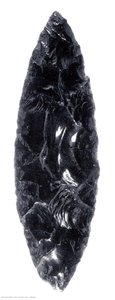
      The obsidian head before us—a dark, almost brooding presence—isn’t merely a sculpture; it's a portal into the vibrant and complex world of the Aztec Empire. Carved in the early 16th century, just decades before the arrival of the Spanish conquistadors, this intimate portrait of Xochipilli Macuilxochitl offers a rare and compelling glimpse into the beliefs, artistry, and ultimately, the fleeting beauty of a vanished civilization. The piece speaks not only…

      Figure (1521) de Império Asteca
      3

      Figure

      1521 · Stone · Metropolitan Museum of Art, Nova York

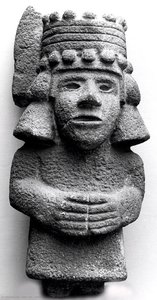
      Before you stands an echo from a civilization whose very name whispers tales of empire and profound spiritual depth: the magnificent "Figure" sculpture. Carved from enduring stone, this piece is not merely an object of antiquity; it is a frozen moment of sacred contemplation. The overall impression is one of solemn power, a tangible connection to the sophisticated worldview of the Aztec people who flourished in the heart of Mesoamerica.…

      Kneeling Male Figure (1521) de Império Asteca
      4

      Kneeling Male Figure

      1521 · Stone · Metropolitan Museum of Art, Nova York

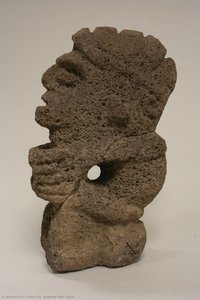
      To gaze upon this fragment is to reach across the vast chasm of five centuries, touching the solemn breath of an empire long dissolved into myth and archaeological wonder. This kneeling male figure, carved from a dark, porous stone—perhaps basalt itself—is more than mere sculpture; it is a captured moment of profound spiritual engagement. The very texture of the material speaks of time, bearing the patina of ritual smoke and…

      Labret Serpente com Língua Articulada de Império Asteca
      5

      Labret Serpente com Língua Articulada

      Acrílico sobre tela · Metropolitan Museum of Art, Nova York

      O labret serpente com língua articulada é uma obra de arte extraordinária que transcende o tempo, oferecendo um vislumbre fascinante da cultura e da estética do Império Azteca. Criado entre 1300 e 1521 AD, este pequeno objeto dourado – hoje considerado um dos mais belos sobreviventes da conquista espanhola – permanece como um testemunho eloquente da maestria artesanal e da profunda simbologia que caracterizaram uma das civilizações mais sofisticadas do…

      Pendent in the Shape of a Warrior (1350) de Império Asteca
      6

      Pendent in the Shape of a Warrior

      1350 · Metalwork · Cleveland Museum of Art, Cleveland

      To hold this piece in your mind is to encounter the quiet strength of the Post-classic period. This small, metallic figure, likely worn close to the body, captures a warrior in a moment of poised readiness. The figure is rendered with a striking sense of presence, characterized by a prominent nose, wide eyes, and a slightly protruding mouth that gives the face a distinct, human character. There is a certain…

      Figure (1521) de Império Asteca
      7

      Figure

      1521 · Stone · Metropolitan Museum of Art, Nova York

      This monochrome photograph captures an ancient Aztec sculpture titled Figure. The piece presents a stylized representation of a human figure, likely a deity or important individual within the Aztec culture. Set against a dark background that emphasizes its intricate details, the sculpture is positioned slightly off-center towards the right of the frame.

      Vulture Vessel (1521) de Império Asteca
      8

      Vulture Vessel

      1521 · Ceramic · Metropolitan Museum of Art, Nova York

      This ceramic vessel, produced around 1521 by Aztec artists, takes the shape of a stylized vulture. The object is constructed from earthenware with a robust, cylindrical body. Four curved legs support the structure, positioned to suggest a sense of movement or a bird prepared to perch. The surface is primarily covered in a reddish-brown hue, likely derived from iron oxide pigments. Black glaze defines specific areas, creating bands that outline…

      Standard Bearer (1521) de Império Asteca
      9

      Standard Bearer

      1521 · Stone · Metropolitan Museum of Art, Nova York

      The Aztec sculpture titled "Standard Bearer," a remarkable testament to the artistry and symbolic depth of the pre-Columbian civilization, stands as more than just a carved stone figure. It’s a window into a complex society—a warrior, a leader, a conduit between the earthly realm and the divine. Dating back to approximately 1450-1521 CE, this piece, originating from the region of Veracruz, offers a tangible connection to a world both familiar…

      Crested Figure (Macuilxochitl) (1521) de Império Asteca
      10

      Crested Figure (Macuilxochitl)

      1521 · Metropolitan Museum of Art, Nova York

      Crested Figure (Macuilxochitl): Echoes of Aztec Cosmology The photograph presents a striking depiction of an Aztec sculpture titled “Crested Figure (Macuilxochitl),” originating from the 15th–early 16th century during the height of the Mexica Empire. This artwork embodies the artistic spirit of Mesoamerica, reflecting profound religious beliefs and political authority—a testament to the enduring legacy of a civilization that captivated imaginations for centuries. Overall Impression: The image captures a sculpture crafted…

      Império Asteca: telas de 11 a 70 do ranking

      Seated Male Deity (1521) de Império Asteca
      #12

      Seated Male Deity

      1521 · Metropolitan Museum of Art

      In the quiet presence of the Seated Male Deity, one does not merely observe a sculpture; one encounters a profound fragment of a lost cosmos. Carved during the…

      Kneeling Female Figure (1521) de Império Asteca
      #13

      Kneeling Female Figure

      1521 · Metropolitan Museum of Art

      In the quiet halls of art history, few objects command as much silent reverence as the Kneeling Female Figure. Carved from the dark, enduring strength of basalt, this…

      Labret, Eagle Head (1521) de Império Asteca
      #14

      Labret, Eagle Head

      1521 · Metropolitan Museum of Art

      To gaze upon this artifact is to be transported across the vast expanse of time, directly into the heart of the mighty Aztec Empire. This exquisite labret, fashioned…

      Leve esta luz para casa →
      Miniature Bowl (1521) de Império Asteca
      #15

      Miniature Bowl

      1521 · Metropolitan Museum of Art

      To gaze upon this miniature bowl is to hold a fragment of deep time in one's hands. It is not merely an object, but a tangible whisper from…

      Fragment of An Anthropomorphic Brazier (1300) de Império Asteca
      #16

      Fragment of An Anthropomorphic Brazier

      1300

      This ceramic fragment presents a vertical arrangement of human-like faces. The central feature is a large, sculpted head, upon which smaller faces are positioned in a stacked, layered…

      Ear Spool (1521) de Império Asteca
      #18

      Ear Spool

      1521 · Metropolitan Museum of Art

      Before us lies a fragment of a vanished world, a tangible link to the ingenuity and ritualistic practices of the Aztec Empire. This meticulously crafted ear spool, fashioned…

      Encomende uma pintura feita à mão →
      Seated Female Deity (1521) de Império Asteca
      #19

      Seated Female Deity

      1521 · Metropolitan Museum of Art

      In the quiet shadows of history, certain objects possess the power to bridge the gap between the mortal realm and the eternal. The Seated Female Deity, a profound…

      Aztec Sun Stone (Calendar Stone) (1427) de Império Asteca
      #20

      Aztec Sun Stone (Calendar Stone)

      1427

      The Aztec Sun Stone (Calendar Stone) is a significant work attributed to the Aztec Empire. Carved by the Mexica at the end of the Mesoamerican Postclassic Period, this…

      Seated Male Deity (1521) de Império Asteca
      #31

      Seated Male Deity

      1521 · Metropolitan Museum of Art

      Before us stands a testament to the profound artistry and spiritual depth of the Aztec Empire – a weathered stone sculpture known as the “Seated Male Deity,” or…

      Bell (1521) de Império Asteca
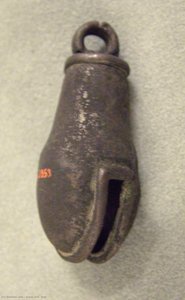
      #32

      Bell

      1521 · Metropolitan Museum of Art

      Imagine holding a piece of history – not just an artifact, but a tangible echo of a vanished empire. This bronze bell, unearthed from the ruins of Tenochtitlan…

      Leve esta luz para casa →
      Spider Monkey (1521) de Império Asteca
      #33

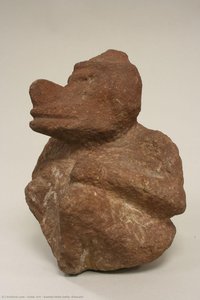
      Spider Monkey

      1521 · Rhode Island School of Design Museum of Art

      This exceptional hand-painted reproduction captures a pivotal moment in Aztec artistic expression – the creation of a remarkably detailed sculpture depicting a spider monkey, dating back to 1521.…

      Cihuateotl (1521) de Império Asteca
      #34

      Cihuateotl

      1521 · Metropolitan Museum of Art

      The stone sculpture known as “Cihuateotl,” a formidable figure emerging from the heart of the Aztec Empire, offers more than just a visual representation; it’s a window into…

      Encomende uma pintura feita à mão →
      Stamp (1521) de Império Asteca
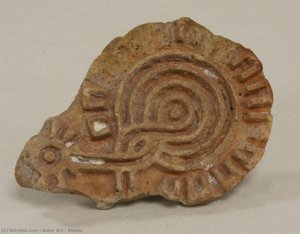
      #35

      Stamp

      1521 · Metropolitan Museum of Art

      Before us lies a terracotta fragment, not merely an artifact but a window into the heart of the Aztec Empire. Designated simply as “Stamp,” this weathered ceramic seal…

      Leve esta luz para casa →
      Feathered Serpent Ornament (1521) de Império Asteca
      #36

      Feathered Serpent Ornament

      1521 · Metropolitan Museum of Art

      In the quiet, hallowed halls of the Metropolitan Museum of Art, there exists a treasure that transcends the boundaries of time and geography. The Feathered Serpent Ornament is…

      Relief (1521) de Império Asteca
      #37

      Relief

      1521 · Metropolitan Museum of Art

      “Relief,” a meticulously crafted stone carving from the heart of the Aztec Empire, stands as more than just an artistic object; it's a window into a vanished world.…

      Leve esta luz para casa →
      Eagle Head Ornament de Império Asteca
      #38

      Eagle Head Ornament

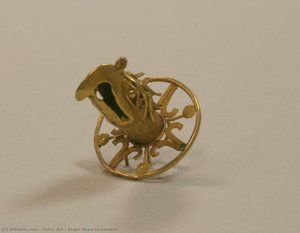
      Metropolitan Museum of Art

      Before us lies a captivating artifact – an Aztec Eagle Head Ornament, a tangible link to one of Mesoamerica's most formidable empires. More than just a decorative object,…

      Leve esta luz para casa →
      Skull Pendant de Império Asteca
      #39

      Skull Pendant

      Metropolitan Museum of Art

      Gazing upon this black and white photograph, one is immediately drawn to the stark simplicity and profound symbolism of the Aztec skull pendant. More than a mere decorative…

      Encomende esta tela →
      Stamp (1521) de Império Asteca
      #40

      Stamp

      1521 · Metropolitan Museum of Art

      Within the realm of ancient Mesoamerica lies a deceptively simple object – a terracotta stamp, often referred to as a “stamp” in modern parlance. Yet, this unassuming artifact…

      Encomende esta tela →
      Female Deity de Império Asteca
      #41

      Female Deity

      Metropolitan Museum of Art

      The photograph before you offers an arresting window into the heart of Aztec spirituality – a sculpted representation of a female deity, rendered with a profound sense of…

      Encomende uma pintura feita à mão →
      Tripod Bowl de Império Asteca
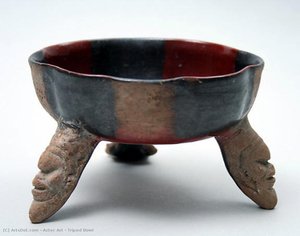
      #42

      Tripod Bowl

      Metropolitan Museum of Art

      To gaze upon this Tripod Bowl is to reach across the vast expanse of time, directly into the vibrant heart of the Aztec Empire. It is not merely…

      Maize Deity (Chicomecoatl) de Império Asteca
      #43

      Maize Deity (Chicomecoatl)

      Metropolitan Museum of Art

      Carved from basalt, this sculpture represents Chicomecoatl, the Mexica goddess of maize. The figure is rendered in a frontal, upright posture with arms raised in a gesture of…

      Seated Female Deity de Império Asteca
      #44

      Seated Female Deity

      Metropolitan Museum of Art

      Seated Female Deity: A Reflection of Aztec Spirituality The image presents a grayscale photograph of an Aztec sculpture depicting a seated female deity. The sculpture is rendered in…

      Kneeling Male Figure de Império Asteca
      #45

      Kneeling Male Figure

      Metropolitan Museum of Art

      To gaze upon the Kneeling Male Figure is to reach across the vast chasm of five centuries, touching the solemn breath of an empire long dissolved into myth…

      Seated Male de Império Asteca
      #46

      Seated Male

      Metropolitan Museum of Art

      is a stone sculpture created by the Aztec Empire. Originating from Mexico, Mesoamerica, the work belongs to the Mexica (Aztec) culture. It dates to the 15th–early 16th century.

      Pedra Ritual (Pulidor) (1521) de Império Asteca
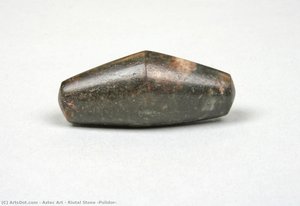
      #47

      Pedra Ritual (Pulidor)

      1521 · Metropolitan Museum of Art

      Ritual Stone (Pulidor): Echoes of Aztec Majesty A fragment of history sculpted in jade – that’s precisely what “Ritual Stone (pulidor)” represents, a remarkable artifact originating from the…

      Encomende esta tela →
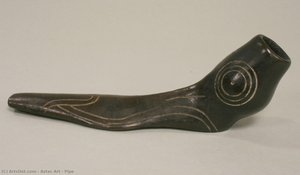
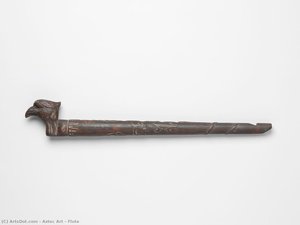
      Pipe (1521) de Império Asteca
      #50

      Pipe

      1521 · Metropolitan Museum of Art
      Seated Male Deity de Império Asteca
      #51

      Seated Male Deity

      Metropolitan Museum of Art

      The Aztec Empire, a civilization that flourished in Mesoamerica for centuries, left behind a legacy of breathtaking artistry and profound spiritual belief. Among its most compelling creations stands…

      Encomende uma pintura feita à mão →
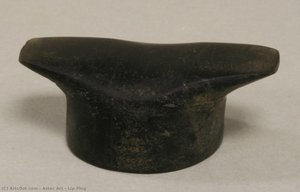
      Lip Plug de Império Asteca
      #52

      Lip Plug

      Metropolitan Museum of Art

      To gaze upon this artifact is to reach across the vast expanse of time, touching the cool, dark permanence of an ancient civilization. This piece, an Aztec Lip…

      Encomende uma pintura feita à mão →
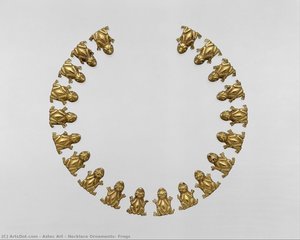
      Necklace Ornaments, Frogs de Império Asteca
      #53

      Necklace Ornaments, Frogs

      Metropolitan Museum of Art

      To gaze upon these meticulously crafted golden frog ornaments is to step directly into the vibrant heart of the ancient Aztec world. They are not merely decorative beads;…

      Leve esta luz para casa →
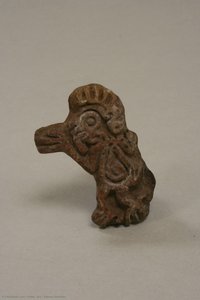
      Uilacapitztli (Pottery Flute) de Império Asteca
      #54

      Uilacapitztli (Pottery Flute)

      Metropolitan Museum of Art

      To gaze upon the Uilacapitztli is not merely to observe an artifact; it is to reach across the vast expanse of centuries and touch the very breath of…

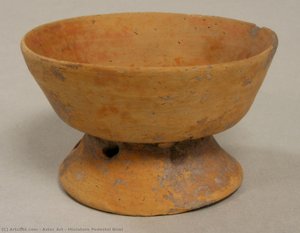
      Miniature Pedestal Bowl de Império Asteca
      #55

      Miniature Pedestal Bowl

      Metropolitan Museum of Art

      To gaze upon this miniature pedestal bowl is to reach across the vast expanse of time, to hold in one's hands a tangible whisper from the heart of…

      Drum (Teponaztli) de Império Asteca
      #58

      Drum (Teponaztli)

      Metropolitan Museum of Art

      To gaze upon this representation of an Aztec Teponaztli is not merely to observe an artifact; it is to listen for a silence that holds echoes. This magnificent…

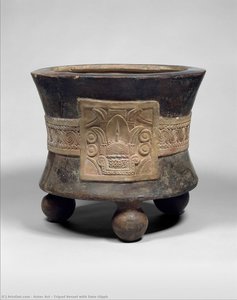
      Tripod Vessel with Date Glyph de Império Asteca
      #59

      Tripod Vessel with Date Glyph

      Metropolitan Museum of Art

      The image before us presents more than just a ceramic object; it’s a tangible fragment of the Aztec Empire, a silent chronicle etched in clay and imbued with…

      Bowl de Império Asteca
      #60

      Bowl

      Metropolitan Museum of Art

      Gazing upon this meticulously rendered reproduction of an Aztec bowl is akin to stepping back in time, directly into the heart of Tenochtitlan, the magnificent capital city of…

      Encomende esta tela →
      Maize Deity (Chicomecoatl) de Império Asteca
      #61

      Maize Deity (Chicomecoatl)

      Metropolitan Museum of Art

      Standing before this weathered stone sculpture, one is immediately transported to the heart of ancient Mexico – a realm where the divine intertwined seamlessly with the rhythms of…

      Stamp, Butterfly de Império Asteca
      #62

      Stamp, Butterfly

      Metropolitan Museum of Art

      Stamp, Butterfly - A Fragment of Aztec Cosmology The image presents a captivating glimpse into the artistic heritage of the Aztec Empire—specifically, a ceramic stamp depicting a butterfly…

      Leve esta luz para casa →
      Flute de Império Asteca
      #63

      Flute

      Metropolitan Museum of Art

      Within the vast tapestry of Aztec artistry lies a deceptively simple instrument – the flute, often referred to as *uilacapitztli* (meaning “flute-head”). More than just a musical device,…

      Encomende esta tela →
      Miniature Pedestal Bowl de Império Asteca
      #64

      Miniature Pedestal Bowl

      Metropolitan Museum of Art

      Gazing upon this exquisite miniature pedestal bowl offers more than just an appreciation of its delicate form; it’s a portal into the heart of the Aztec Empire, a…

      Ear Ornament de Império Asteca
      #65

      Ear Ornament

      Metropolitan Museum of Art

      To hold an object from the heart of the Aztec Empire is to touch the very pulse of Mesoamerican history. This exquisite ear ornament, a masterwork of the…

      Stamp, Monkey de Império Asteca
      #67

      Stamp, Monkey

      Metropolitan Museum of Art

      Imagine holding a tangible piece of history – a small, unassuming ceramic stamp from the heart of the Aztec Empire. This particular artifact, depicting a stylized monkey in…

      Leve esta luz para casa →
      Bowl de Império Asteca
      #68

      Bowl

      Metropolitan Museum of Art

      In the quiet presence of this ancient Aztec bowl, one can almost hear the rhythmic pulse of a civilization that once commanded the heart of Mesoamerica. This ceramic…

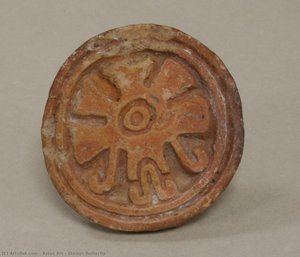
      Flat Stamp with Geometric Flower de Império Asteca
      #69

      Flat Stamp with Geometric Flower

      Metropolitan Museum of Art

      This striking ceramic stamp, a relic of the Aztec Empire, isn’t merely an artifact; it's a portal to a civilization brimming with intricate symbolism and profound artistic skill.…

      As telas de Império Asteca, período por período

      O que Império Asteca mais pintou

      Os quatro temas que mais aparecem nestas telas, cada um com o seu exemplo mais amado.

      Onde as telas de Império Asteca estão expostas

      Os 5 museus que detêm a maioria das pinturas desta página.

      Museu Cidade Obras de Império Asteca Pinturas desta lista
      Metropolitan Museum of Art, Nova YorkMetropolitan Museum of Art Nova York 51 Head from a Figure, Xochipilli Macuilxochitl, Figure, Kneeling Male Figure
      British Museum, LondresBritish Museum Londres 1 Mosaic of a Double-headed Serpent
      Cleveland Museum of Art, ClevelandCleveland Museum of Art Cleveland 1 Pendent in the Shape of a Warrior
      Rhode Island School of Design Museum of Art, ProvidenceRhode Island School of Design Museum of Art Providence 1 Spider Monkey
      Dumbarton Oaks Research Library and Collection, Washington, D.C.Dumbarton Oaks Research Library and Collection Washington, D.C. 1 Tlazolteotl (Birthing Figure)

      A tela mais famosa de Império Asteca, década após década

      1. 1350s
        Pendent in the Shape of a Warrior (1350) de Império Asteca
        Classificado em 6 de 70

        Pendent in the Shape of a Warrior

        Idade 50 – 59 · Cleveland Museum of Art

        To hold this piece in your mind is to encounter the quiet strength of the Post-classic period. This small, metallic figure, likely worn close to the body, captures…

      2. 1420s
        Aztec Sun Stone (Calendar Stone) (1427) de Império Asteca
        Classificado em 20 de 70

        Aztec Sun Stone (Calendar Stone)

        Idade 120 – 129

        The Aztec Sun Stone (Calendar Stone) is a significant work attributed to the Aztec Empire. Carved by the Mexica at the end of the Mesoamerican Postclassic Period, this…

      3. 1460s
      4. 1480s
      5. 1500s
        Coyote (1500) de Império Asteca
        Tela 23 de 70

        Coyote

        Idade 200 – 209
      6. 1510s
        Standard-Bearer (1519) de Império Asteca
        Tela 57 de 70

        Standard-Bearer

        Idade 210 – 219

        This stark figure displays the minimalism and monumentality of Aztec stone sculpture. The rigid pose resembles the block of stone from which it was carved. In contrast, the…

      7. 1520s
        Mosaic of a Double-headed Serpent (1521) de Império Asteca
        Classificado em 1 de 70

        Mosaic of a Double-headed Serpent

        Idade 220 – 221 · British Museum

        To gaze upon this mosaic of a double-headed serpent is to step directly into the vibrant, myth-laden heart of the Aztec Empire. It is not merely an object…

      As telas de Império Asteca, pergunta por pergunta

      Por qual tela Império Asteca é mais lembrado(a)?Leia a resposta

      Mosaic of a Double-headed Serpent (1521), British Museum, Londres. Seguidos por Head from a Figure, Xochipilli Macuilxochitl (1521) e Figure (1521).

      Mosaic of a Double-headed Serpent: que idade tinha Império Asteca quando foi pintada?Leia a resposta

      Império Asteca, nascido(a) em 1300, tinha 221 anos: Mosaic of a Double-headed Serpent data de 1521.

      Quais são as dez telas mais famosas de Império Asteca?Leia a resposta

      Mosaic of a Double-headed Serpent, Head from a Figure, Xochipilli Macuilxochitl, Figure, Kneeling Male Figure, Labret Serpente com Língua Articulada, Pendent in the Shape of a Warrior, Figure, Vulture Vessel, Standard Bearer e Crested Figure (Macuilxochitl). Cada tela no ranking acima inclui o seu ano e o seu museu.

      Quantas pinturas Império Asteca criou?Leia a resposta

      70 obras de Império Asteca estão em nosso catálogo, datadas de 1350 a 1521.

      Onde estão expostas hoje as telas mais famosas de Império Asteca?Leia a resposta

      Principalmente em Metropolitan Museum of Art (Nova York), British Museum (Londres) e Cleveland Museum of Art (Cleveland); a lista acima indica cada museu e as suas telas.

      Quando é que Império Asteca pintou as suas telas mais famosas?Leia a resposta

      Em 1520s, que compreende 29 das 70 obras desta página, Mosaic of a Double-headed Serpent entre elas.

      Qual tela famosa de Império Asteca veio primeiro e qual veio por último?Leia a resposta

      A tela mais antiga aqui é de Pendent in the Shape of a Warrior (1350); a mais recente é de Mosaic of a Double-headed Serpent (1521).

      Quais temas Império Asteca mais pintou?Leia a resposta

      Mesoamerica (20), Aztec (16) e Sculpture (13), entre as 70 obras nesta página.

      Qual técnica é mais presente nas pinturas de Império Asteca?Leia a resposta

      Stone, utilizado em 15 das 70 obras nesta página.

      Quais pinturas de Império Asteca estão no Metropolitan Museum of Art?Leia a resposta

      O Metropolitan Museum of Art, Nova York detém 51 das obras desta página, entre elas Head from a Figure, Xochipilli Macuilxochitl, Figure e Kneeling Male Figure.

      Onde posso comprar uma reprodução de uma pintura de Império Asteca?Leia a resposta

      Sim. Todas as pinturas desta página podem ser encomendadas a partir de sua própria página como uma reprodução a óleo pintada à mão, ou como uma impressão fine art, no tamanho de sua escolha.

      Conheça o pintor: Império Asteca

      Os Ecos da Pedra: Explorando a Arte e o Legado do Império Asteca

      O nome “Asteca” – derivado da palavra náuatle ātl-ce-tlācati–tlān, que significa "povo de muitas formas" – evoca imagens de um império vasto e complexo que dominou a Mesoamérica por séculos. Mais do que meros guerreiros e conquistadores, os astecas eram indivíduos profundamente artísticos, tecendo uma beleza intrincada em cada faceta de suas vidas — da arquitetura monumental ao delicado trabalho com penas, dos rituais sagrados aos objetos cotidianos. Sua arte não era meramente decorativa; era uma linguagem vibrante, comunicando crenças religiosas, poder político, narrativas histólen e hierarquias sociais dentro de uma sociedade que era, ao mesmo tempo, rigidamente estruturada e notavelmente inovadora.

      Nascidas no início do século XIV em Tenochtitlán, o coração do Império Asteca, as tradições artísticas dos astecas estavam profundamente enraizadas nos legados de civilizações mesoamericanas anteriores. Os olmecas, com suas cabeças colossais e sistemas calendáricos sofisticados; os teotihuacanos, renomados por suas pirâmides massivas e planejamento urbano; e os toltecas, mestres da metalurgia e da escultura, todos contribuíram para a rica tapeçaria artística que os astecas herdaram. No entanto, os astecas não foram meros imitadores; eles sintetizaram essas influências com suas próprias sensibilidades estéticas únicas, desenvolvendo um estilo distinto caracterizado por cores ousadas, padrões geométricos intrincados e representações simbólicas.

      Uma Paleta de Poder: Materiais e Técnicas

      A arte asteca era notavelmente diversa, empregando uma gama surpreendente de materiais e técnicas. A escultura em pedra ocupava um lugar de destaque, exemplificada por monumentos que retratavam divindades, governantes e criaturas míticas. A massiva Pedra do Sol (Calendário Asteca), descoberta em 1946, permanece como um testemunho de sua maestria neste meio — um relevo de pedra complexo e em camadas que combinava informações calendáرicas com simbolismo cosmológico. Artesãos habilidosos também trabalhavam com madeira, argila, penas – particularmente as vibrantes plumas de quetzal – jade, turquesa, obsidiana e ouro, refletindo tanto riqueza quanto status social.

      O trabalho com penas era talvez o aspecto visualmente mais impactante da arte asteca. Cocares, mantos, escudos e outros itens decorativos intrincadamente elaborados eram criados usando milhares de penas meticulosamente organizadas — um processo que exigia imensa habilidade e paciência. Esses objetos não eram apenas belos; serviam como símbolos potentes de autoridade, devoção religiosa e posição social. As próprias cores carregavam significados específicos: o azul representava os céus, o verde simbolizava a fertilidade, o vermelho significava a guerra e o amarelo representava o sol.

      Além disso, os artistas astecas eram mestres do mosaico, criando painéis decorativos deslumbrantes usando pequenas placas de pedra precisamente cortadas. Esses mosaicos adornavam templos, palácios e residências particulares, adicionando uma camada de riqueza visual ao ambiente construído. Sua cerâmica era igualmente impressionante, apresentando designs geométricos complexos e representações de animais e divindades.

      A Linguagem dos Símbolos: Temas e Motivos

      A arte asteca é repleta de simbolismo, com cada imagem carregando camadas de significado que exigiam uma interpretação cuidadosa por parte de sacerdotes, escribas e governantes. A divindade central, Huitzilopochtli, o deus da guerra e do sol, era frequentemente retratada em cocares elaborados, adornados com penas e pedras preciosas. Quetzalcoatl, a serpente emplumada associada ao conhecimento, à sabedoria e à criação, ocupava um lugar de destaque em seu panteão e aparecia em inúmeras representações artísticas.

      O sistema de calendário — uma combinação notavelmente sofisticada de ciclos solares e rituais — era outro motivo recorrente. Imagens de calendários, glifos e símbolos astronômicos eram incorporados em esculturas, mosaicos e códices (livros ilustrados), refletindo a profunda compreensão dos astecas sobre o tempo e a cosmologia. Representações de milho, o alimento básico de sua dieta, simbolizavam sustento e fertilidade. A iconografia animal — particularmente jaguares, águias, serpentes e beija-flores — carregava um significado simbólico relacionado ao poder, à coragem e à divindade.

      Um Legado em Fragmentos: Arte e Significância Histórica

      O colapso repentino do Império Asteca pelas mãos dos conquistadores espanhóis em 1521 resultou em uma perda devastadora para a cultura mesoamericana. Tragicamente, grande parte de sua herança artística foi destruída durante a conquista — templos foram arrasados, esculturas despedaçadas e códices queimados. No entanto, apesar dessas perdas, fragmentos da arte asteca sobrevivem hoje, oferecendo visões inestimáveis sobre esta civilização extraordinária.

      Exemplos notáveis incluem a Pedra do Sol, uma escultura monumental que demonstra o conhecimento avançado dos astecas em astronomia e matemática; cocares e mantos de penas intrincados preservados em museus ao redor do mundo; e os códices sobreviventes — livros manuscritos contendo relatos históricos, crenças religiosas e informações calendáricas. A Colección Andrés Blaisten, no México, abriga uma coleção significativa de arte latino-americana, incluindo exemplos que iluminam as tradições artísticas astecas.

      A influência do legado artístico do Império Asteca ainda pode ser vista hoje, inspirando artistas e designers contemporâneos. Suas técnicas inovadoras, imagens simbólicas e a profunda conexão com a natureza continuam a ressoar com o público mundial. Explorar a arte dos astecas não é apenas um exercício de apreciação histórica; é uma jornada ao coração de uma civilização complexa e cativante — um testemunho da criatividade, engenhosidade e profundidade espiritual humana.

      Para explorar mais obras de arte do Império Asteca e de outros artistas notáveis, visite TopImpressionists.com.

      Todas as 70 obras de Império Asteca →