


 Previzualizare
 Trimite prin felicitare
 Distribuie
 Detalii despre lucrare
 Ghid
Ghid

 Descarcă imaginea
 Produse similare
 Radiografie
 Galerie foto
 Statistici
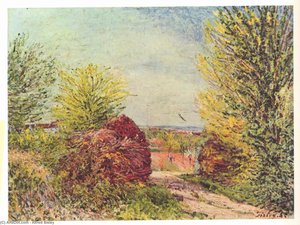
Boulevard Heloise, Argenteuil
 Oil On Canvas
- WallArt
- Impressionism
 1872
1872- 19th Century
 39.0 x 61.0 cm
Experience Alfred Sisley’s Impressionist masterpiece, Boulevard Heloise, Argenteuil, capturing a vibrant street scene in 1872 France with its detailed figures and bustling activity – perfect for art lovers to own.
 Vezi mai mult
Descoperă pictura impresionistă „Misty Morning în Veneux” de Alfred Sisley – o imagine încântătoare a naturii
Giclée / Imprimare artistică
Printuri giclée sau pe canvas de calitate muzeală, cu proces de producție rapid și opțiuni flexibile de finisare. ( Comandă pictură realizată manual Comută pe Imagine Digitală)




P118B lei10

P118H lei10

P118W lei10

P438Z lei10

P508JH lei12

P508YH lei12

P805H lei10

P805Z lei10

P919BZ lei10

P919G lei10

P919XJ lei10

P959ZH lei10

P968JZ lei12

W106C lei8

W218G lei10

W218JH lei8

W218Y lei10

W307PJ lei10

W316G lei10

W316PJ lei8

W316Y lei10

W398PJ lei8

W4111J lei10

W500HY lei15

W500JH lei15

W692G lei12

W849H lei8

W940BG lei15

W953PJ lei8




Standard
personalizat
CM
INCH
Alegeți dintre dimensiunile noastre prestabilite, care respectă proporțiile originale ale operei de artă.
Loading sizes...

lățime
înălțime
Introduceți lățimea și înălțimea necesare pentru a se potrivi ramei sau peretelui dumneavoastră. O printare poate fi doar tăiată, niciodată extinsă dincolo de dimensiunea imaginii originale, astfel încât o dimensiune cu o formă diferită va pierde o parte din imagine. Vă trimitem o simulare digitală pentru aprobare înainte de a imprima orice. Imaginea afișată pe această pagină nu prezintă tăierea reală — doar simularea arată acest lucru.
Livrare în întreaga lume () în 2 săptămâni, în loc de cele 4/5 săptămâni standard. (27 Octombrie)

Livrare expres gratuită la nivel mondial

Pânză de in de înaltă calitate

Asigurare completă pentru transport

Garanție de rambursare a taxelor vamale

Garanția fidelității culorilor

Politica de retur în 100 de zile (doar pentru defecte de fabricație)

Garanție de rambursare 100%

Ofertă pentru comenzi multiple
 Opțiunea cu sticlă este disponibilă doar pentru dimensiuni de sub 110 cm

Boulevard Heloise, Argenteuil
Giclée / Imprimare artistică
Dimensiune reproducere
-


Preț total calculat
lei 320
Boulevard Heloise, Argenteuil by Alfred Sisley: A Moment of Parisian Life
Alfred Sisley’s “Boulevard Heloise, Argenteuil,” painted in 1872, is more than just a depiction of a street scene; it's a carefully constructed evocation of a specific moment in time – the vibrant pulse of daily life within a burgeoning French town. This oil on canvas, measuring 39 x 61 cm, transports us to Argenteuil, a place where the Impressionist movement found fertile ground for its exploration of light and atmosphere. The painting captures a bustling boulevard, dominated by pedestrians navigating their way through the scene, some laden with handbags, adding a touch of domesticity to the urban landscape. Sisley’s masterful use of color and brushstroke creates an immediate sense of movement and energy, inviting the viewer to step into this fleeting moment.
A Symphony of Impressionist Technique
- Color Palette: Sisley employs a delicate yet impactful palette dominated by muted greens, blues, and browns – characteristic of his focus on atmospheric effects. The subtle variations in tone create depth and volume, particularly evident in the reflections on the wet cobblestones.
- Brushwork: Noticeable is the loose, broken brushstroke technique that defines Impressionism. Sisley doesn’t meticulously render details; instead, he uses short, rapid strokes to capture the fleeting effects of light and shadow, conveying a sense of immediacy and spontaneity.
- Texture: The artist skillfully utilizes texture through layering of paint, creating a palpable sense of surface – from the rough fabric of the pedestrians' clothing to the sheen of the horses’ coats.
Symbolism and Context within the Impressionist Movement
Painted during a period of significant social and urban change in France, “Boulevard Heloise, Argenteuil” reflects Sisley’s interest in documenting modern life. The presence of horses, commonplace transportation at the time, alongside the pedestrians highlights the evolving relationship between people and their environment. This work aligns with the broader Impressionist project – a rejection of academic conventions in favor of capturing subjective perceptions of reality. Sisley's focus on ordinary scenes, rather than grand historical or mythological subjects, was revolutionary for its time. It’s often compared to works by Renoir, demonstrating a shared commitment to portraying everyday life with sensitivity and nuance.
Historical Significance and Reproduction Value
Created in 1872, “Boulevard Heloise, Argenteuil” offers a valuable glimpse into the late 19th century. Sisley’s dedication to capturing the essence of Argenteuil's atmosphere cemented his place as a key figure in the Impressionist movement. TopImpressionists.com is proud to offer a meticulously crafted hand-painted reproduction of this iconic artwork, ensuring that its beauty and historical significance are preserved for generations to come. This reproduction faithfully recreates Sisley’s technique and color palette, allowing you to experience the painting's emotional impact in your own space.
Întrebări și răspunsuri
Este "Boulevard Heloise, Argenteuil" reprezentativ pentru temele abordate de obicei de Alfred Sisley?
"Boulevard Heloise, Argenteuil" înfățișează impressionism, argenteuil, boulevard, sisley, france, street scene, horses, în timp ce temele recurente ale lui Alfred Sisley sunt modern french life, impressionist techniques, urban landscapes focus, sisley’s key work, documenting daily scenes. Compararea celor două relevă modul în care această lucrare se raportează la subiectele obișnuite ale artistului.
Ce dimensiune de imprimare este recomandată pentru "Boulevard Heloise, Argenteuil"?
Dimensiunea de imprimare recomandată pentru "Boulevard Heloise, Argenteuil" de Alfred Sisley este Large.
În ce etapă a evoluției lui Alfred Sisley se încadrează „Boulevard Heloise, Argenteuil”?
„Boulevard Heloise, Argenteuil” aparține perioadei Mature Impressionism din cariera lui Alfred Sisley. Această clasificare corelează opera cu evoluția artistului.
Opere similare




Biografie artist
A Life Immersed in Light and Landscape
Alfred Sisley, a name often whispered alongside those of Monet, Renoir, and Pissarro, occupies a unique and profoundly beautiful space within the Impressionist movement. Born in Paris on October 30, 1839, to British parents—William Sisley, a silk merchant, and Felicia Sell, a music enthusiast—he carried a dual heritage that subtly informed his artistic vision. Though he would spend nearly his entire life in France, Sisley retained British citizenship, a fact that brought him personal disappointment later in life when applying for French naturalization was refused. His early years were comfortably bourgeois, affording him the opportunity to pursue studies initially intended for a commercial career in London at the age of eighteen. However, the allure of art proved too strong, and he returned to Paris in 1861, embarking on formal training under Swiss artist Marc-Charles-Gabriel Gleyre at the École des Beaux-Arts. It was here, amidst the burgeoning artistic ferment of the era, that Sisley forged crucial friendships with Monet, Renoir, and Bazille—relationships that would profoundly shape his artistic trajectory. These companions shared a rebellious spirit, rejecting the rigid conventions of academic painting in favor of capturing the fleeting effects of light and atmosphere directly from nature.The Quiet Master of Impressionism
Sisley’s dedication to *plein air* painting—working outdoors, directly observing the natural world—was unwavering. Unlike some of his contemporaries who experimented with diverse genres, Sisley remained steadfastly committed to landscape throughout his career. This focused devotion allowed him to refine a distinctive style characterized by tranquility, delicate color palettes, and a subtle rendering of light. His canvases are often awash in pale shades of green, pink, purple, dusty blue, and cream, creating an atmosphere of serene contemplation. While the early works remain largely lost to time, his mature paintings reveal a meticulous observation of nature combined with a poetic sensibility. He wasn’t interested in grand narratives or dramatic gestures; instead, he found beauty in the everyday—in the gentle flow of rivers, the dappled light filtering through trees, and the quiet charm of rural life. His early struggles for recognition were compounded by his father's financial difficulties following the Franco-Prussian War in 1870, forcing Sisley to rely solely on the sale of his art for sustenance—a precarious existence that shadowed much of his career. He was a true Impressionist, but one who often labored in relative obscurity during his lifetime.Rivers, Canals, and the Essence of Place
Recurring themes permeate Sisley’s oeuvre, most notably his fascination with water. River landscapes became a signature subject, exemplified by his series of paintings created during a trip to England in 1874 along the Thames near Molesey. These works, capturing the tranquil beauty of the river and its surroundings, are considered among his finest achievements—a “perfect moment of Impressionism,” as art historian Kenneth Clark described them. He also developed a deep connection with Moret-sur-Loing, where he lived for many years, immortalizing its canals, bridges, and surrounding countryside in numerous canvases. Paintings like "Watermill near Moret," "Barges on the Loing Canal, Spring", and “Fields around the Forest” showcase his ability to imbue ordinary scenes with a sense of poetic grace. He didn’t merely depict these places; he captured their *essence*, conveying not just what they looked like but how they felt—the gentle breeze, the warmth of the sun, the quiet murmur of the water. This sensitivity to atmosphere and mood is perhaps Sisley's most enduring legacy.Influences and a Lasting Legacy
Sisley’s artistic influences were multifaceted. Gleyre’s academic training provided a foundation in technique, while the camaraderie with Monet, Renoir, and Bazille fostered a shared commitment to Impressionist principles. He absorbed their emphasis on capturing fleeting moments of light and atmosphere but developed his own unique voice—one characterized by restraint and subtlety. Though he often labored in relative obscurity during his lifetime, Sisley’s work is now celebrated for its beauty, sensitivity, and unwavering dedication to portraying nature. His influence can be seen in the works of later landscape painters who sought to capture the ephemeral qualities of light and atmosphere with similar nuance. He was a true pioneer, pushing the boundaries of Impressionism while maintaining an intimate connection with the natural world.Historical Significance
Sisley’s historical significance extends beyond his technical skill and aesthetic sensibility. His unwavering commitment to *plein air* painting, even in the face of financial hardship and critical indifference, paved the way for future generations of artists who sought to break free from academic conventions and embrace a more direct engagement with nature. His paintings offer a glimpse into a rapidly changing world—a world on the cusp of modernity—and remind us of the enduring power of art to capture the beauty and tranquility that can be found even in the most humble of landscapes. He was, and remains, a master of light, atmosphere, and the quiet poetry of the natural world.- Major Themes: Landscapes, riverscapes, canals, rural life, atmospheric effects.
- Key Characteristics: Delicate color palettes, subtle rendering of light, tranquil mood, *plein air* painting.
- Influences: Marc-Charles-Gabriel Gleyre, Claude Monet, Pierre-Auguste Renoir, Frédéric Bazille, Barbizon school painters.

Alfred Sisley
1839 - 1899 , Franța
Detalii rapide
- Artistic Movement Or Style: Impressionism
- Artists Or Movements Influenced By This Artist: ['Barbizon']
- Artists Who Influenced This Artist:
- Gleyre
- Monet
- Renoir
- Date Of Birth: 1839-10-30
- Date Of Death: 1899-01-29
- Full Name: Alfred Sisley
- Nationality: British-Franțez
- Notable Artworks:
- Râul Loing
- Moară de apă
- Pajiștile din apropierea pădurii
- Place Of Birth: Paris, Franța
Articole similare

Top 10 Capodopere Impresioniste: Arta care a Schimbat Decorul și Istoria
Descoperă top 10 capodopere impresioniste de la Monet, Renoir și Degas! Explorează istoria artei impresioniste, culorile vibrante și tehnicile inovatoare. Reproduceri tablouri de calitate muzeală pe TopImpressionists.com.

Impressionism: Cele Mai Frumoase Opere de Artă și Inspirație pentru Decorul Casei
Descoperă cele mai frumoase 10 opere impresioniste de la Monet, Renoir și Degas! Explorează istoria, tehnicile și culorile vibrante ale acestui stil revoluționar. Găsește inspirație pentru decorul casei tale cu reproduceri de artă de calitate muzeală pe TopImpressionists.com.

Alfred Sisley: Capturing the Ephemeral Essence of Impressionist Landscape
Explore the life & art of Alfred Sisley, a master of Impressionist landscape painting. Discover his dedication to 'en plein air' techniques and serene depictions of nature. Learn about his legacy & find high-quality reproductions at TopImpressionists.

Top 10 Capodopere Impresioniste: Peisaje care au Definit Arta Modernă | TopImpressionists.ro
Descoperă top 10 capodopere impresioniste care au revoluționat arta! Monet, Manet, Renoir și alți maeștri ai peisajului. Reproduceri de tablouri de calitate muzeală pentru un decor inspirat. Explorează colecția completă pe TopImpressionists.com!

Top 10 Capodopere Impresioniste: Artă, Istorie și Decor de Lux | .ro
Descoperă top 10 capodopere impresioniste de la Monet, Manet, Renoir și alți artiști geniali. Explorează istoria, tehnicile și emoțiile din spatele picturilor celebre. Reproduceri tablouri de lux pe .ro! Explorează colecția online.
Explorați opere de artă organizate pe teme, stiluri și caracteristici.


