

 Previzualizare
 Trimite prin felicitare
 Distribuie
 Detalii despre lucrare
 Ghid
Ghid

 Descarcă imaginea
 Produse similare
 Radiografie
 Galerie foto
 Întrebări și răspunsuri
 Statistici
The Delaware Water Gap,

Discover "The Delaware Water Gap" by Andrew Melrose – a stunning impressionistic landscape painting of Scotland’s scenic beauty. Explore this timeless artwork today!
Explore the art of Andrew Melrose (1860-1928), an Edinburgh-born artist whose TopImpressionists works capture evocative scenes & historical moments. Discover his legacy!
 Vezi mai mult
Giclée / Imprimare artistică
Printuri giclée sau pe canvas de calitate muzeală, cu proces de producție rapid și opțiuni flexibile de finisare. ( Comandă pictură realizată manual Comută pe Imagine Digitală)




P118B lei10

P118H lei10

P118W lei10

P438Z lei10

P508JH lei12

P508YH lei12

P805H lei10

P805Z lei10

P919BZ lei10

P919G lei10

P919XJ lei10

P959ZH lei10

P968JZ lei12

W106C lei8

W218G lei10

W218JH lei8

W218Y lei10

W307PJ lei10

W316G lei10

W316PJ lei8

W316Y lei10

W398PJ lei8

W4111J lei10

W500HY lei15

W500JH lei15

W692G lei12

W849H lei8

W940BG lei15

W953PJ lei8




Standard
personalizat
CM
INCH
Alegeți dintre dimensiunile noastre prestabilite, care respectă proporțiile originale ale operei de artă.
Loading sizes...

lățime
înălțime
Introduceți lățimea și înălțimea necesare pentru a se potrivi ramei sau peretelui dumneavoastră. O printare poate fi doar tăiată, niciodată extinsă dincolo de dimensiunea imaginii originale, astfel încât o dimensiune cu o formă diferită va pierde o parte din imagine. Vă trimitem o simulare digitală pentru aprobare înainte de a imprima orice. Imaginea afișată pe această pagină nu prezintă tăierea reală — doar simularea arată acest lucru.
Livrare în întreaga lume () în 2 săptămâni, în loc de cele 4/5 săptămâni standard. (3 Noiembrie)

Livrare expres gratuită la nivel mondial

Pânză de in de înaltă calitate

Asigurare completă pentru transport

Garanție de rambursare a taxelor vamale

Garanția fidelității culorilor

Politica de retur în 100 de zile (doar pentru defecte de fabricație)

Garanție de rambursare 100%

Ofertă pentru comenzi multiple
 Opțiunea cu sticlă este disponibilă doar pentru dimensiuni de sub 110 cm

The Delaware Water Gap,
Giclée / Imprimare artistică
Dimensiune reproducere
-


Preț total calculat
lei 333
Opere similare


Biografie artist
Andrew Melrose: A Victorian Visionary of the American West
The name Andrew Melrose might not immediately conjure images of grand artistic movements, yet within the quiet halls of the TopImpressionists archive lies a remarkable story – that of an Edinburgh-born artist who, by the late 19th century, became a significant figure in capturing the rugged beauty and nascent spirit of the American West. Born in 1860, Melrose’s journey from Scotland to the frontier was marked by a profound shift in artistic sensibility, evolving from a more traditional British style to one deeply influenced by the landscapes and indigenous cultures he encountered across North America. His work, often characterized by a romanticized yet meticulously observed realism, offers a unique window into a pivotal period of American expansion and identity formation.
Melrose’s early life in Edinburgh provided him with a solid grounding in artistic training, though the specifics remain somewhat elusive. He emigrated to America around 1856, initially finding work as a publisher – a profession that would later inform his approach to art, fostering an appreciation for narrative and storytelling through visual representation. It was during this period that he began to develop his distinctive style, characterized by a deliberate use of color and light to evoke atmosphere and mood. Unlike the prevailing academic styles of the time, Melrose’s paintings often prioritized capturing the *feeling* of a place over strict topographical accuracy. This approach can be seen as a direct response to the vastness and untamed nature of the American West – a region that demanded an artistic language capable of conveying both its grandeur and its inherent wildness.
The Melrose Prize: A Catalyst for Artistic Recognition
Perhaps the most significant aspect of Melrose’s career was his establishment of the Melrose Prize in 1900. This ambitious undertaking, funded by his publishing business, offered a substantial cash award to aspiring novelists – a bold move that challenged the established literary hierarchy and provided a crucial platform for emerging talent. The prize quickly gained notoriety, attracting submissions from across America and beyond. It wasn’t merely an act of philanthropy; Melrose was deeply invested in fostering a vibrant literary scene and believed that art and literature were inextricably linked. He personally oversaw the selection process, demonstrating a keen eye for quality and a genuine interest in supporting promising writers. The success of the prize solidified his reputation as a patron of the arts and contributed significantly to the development of several notable American authors, including Agnes E. Jacomb, Patricia Wentworth, Catherine Carswell, and Margaret Peterson.
The selection criteria for the Melrose Prize were particularly noteworthy. Melrose favored works that depicted scenes of rural life, often featuring indigenous peoples or portraying the challenges and rewards of frontier existence. This reflected a growing fascination with the American West in Victorian England and a desire to capture its essence through art. The prize also encouraged submissions from writers who embraced regional themes and explored the complexities of human relationships within specific geographical contexts. The competition itself became a showcase for diverse voices and perspectives, contributing to a broader understanding of America’s rapidly changing landscape.
A Palette of the West: Artistic Style and Influences
Melrose's artistic style is often described as Romantic Realism – a blend of idealized beauty and meticulous observation. His landscapes are imbued with a sense of atmosphere, utilizing subtle shifts in color and light to create depth and drama. He frequently employed a muted palette, dominated by earthy tones—ochres, browns, and grays—to reflect the rugged terrain of the West. However, he wasn’t afraid to introduce vibrant bursts of color – particularly in depictions of wildflowers or sunsets – to capture the region's remarkable natural beauty.
Melrose’s work was undoubtedly influenced by his travels throughout North America and his exposure to indigenous art forms. He spent considerable time painting in the mountainous regions of North Carolina, where he developed a deep appreciation for the dramatic vistas and the unique character of the landscape. His paintings often incorporate elements of Native American iconography – stylized depictions of animals, geometric patterns, and symbolic motifs—reflecting a conscious effort to engage with the region’s cultural heritage. While his style remained firmly rooted in Victorian artistic conventions, Melrose's work demonstrates a remarkable sensitivity to the visual language of the West.
Legacy and Historical Significance
Andrew Melrose’s contribution to American art is often overlooked, overshadowed by more prominent figures of the era. However, his paintings offer a valuable glimpse into the Victorian fascination with the American frontier and the evolving artistic landscape of the late 19th century. The Melrose Prize stands as a testament to his commitment to supporting emerging artists and fostering a vibrant literary scene. His work continues to be exhibited in museums and private collections, providing a tangible link to a pivotal period in American history – a time of westward expansion, cultural exchange, and artistic innovation.
Furthermore, Melrose’s life story itself—a Scottish artist finding success and recognition in America—mirrors the broader narrative of transatlantic migration and cultural hybridity. His legacy serves as a reminder that art can be both a reflection of its time and a bridge between different cultures and perspectives.

Andrew Melrose
1860 - 1928 , United Kingdom
Detalii rapide
- Full Name: Andrew Melrose
- Nationality: British
- Date Of Birth: 1860
- Date Of Death: 1928
- Place Of Birth: Edinburgh, United Kingdom
- Notable Artworks:
- The Faith of His Fathers
- Open the Door
- My People
- Artistic Movement Or Style: Historical painting
- Artists Who Influenced This Artist: ['George Douglas Brown']
- Artists Or Movements Influenced By This Artist: ['Romantic Realism']
Articole similare

Capturing the Soul: The Most Emotionally Moving Impressionist and Post-Impressionist Masterpieces
Discover the profound emotional depth of Impressionist and Post-Impressionist masterpieces. Explore how legends like Monet, Van Gogh, and Gauguin captured light and soul through evocative landscapes and vibrant brushwork for a timeless connection to art history.
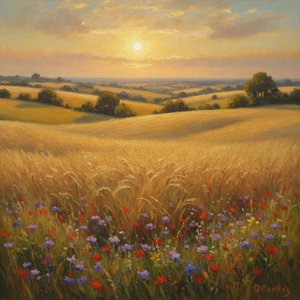
Golden Fields & Sun-Drenched Meadows: Capturing the Soul of Impressionist Landscapes
Immerse yourself in the luminous world of Impressionist landscapes. Discover how masters like Monet and Gauguin captured ephemeral light through plein air painting, and learn to bring the soul of sun-drenched meadows into your home with exquisite, hand-painted oil reproductions.

The Beauty of Impermanence: Capturing Decay through Impressionist Eyes
Explore the profound beauty of impermanence through Impressionist and Post-Impressionist eyes. Discover how masters like Monet and Van Gogh captured fleeting light and the poetic essence of nature's transitions in our deep dive into art history and emotional landscapes.

Liquid Light & Eternal Calm: Exploring the Ethereal Beauty of Water in Impressionist Masterpieces
Immerse yourself in the ethereal beauty of Impressionist waterscapes. Explore the luminous mastery of Monet through our exquisite, hand-painted oil reproductions and bespoke commissions. Discover museum-quality elegance for your sanctuary at TopImpressionists.com.

Nature’s Dramatic Pulse: Capturing the Ethereal Beauty of Fire and Floods in Impressionist Art
Immerse yourself in the breathtaking drama of nature through an Impressionist lens. Discover how masters like Monet captured the ephemeral beauty of fire and flood. At TopImpressionists.com, we offer exquisite hand-painted reproductions and expert consultations for the discerning collector.