

 Previzualizare
 Trimite prin felicitare
 Distribuie
 Detalii despre lucrare
 Ghid
Ghid

 Descarcă imaginea
 Produse similare
 Radiografie
 Galerie foto
 Întrebări și răspunsuri
 Statistici
Sadhu Kokila

- 25.0 x 33.0 cm


Meta Description: Sadhu Kokila - O operă impresionistă de António Xavier Trindade, capturată în anul 1921. Descoperă detalii despre artist și semnificația picturii în Fondul Orientului din Goa.
 Vezi mai mult
Descoperă António Xavier Trindade (1870-1935), pictor portughez emblematic al Școlii Bombay, celebrat drept „Rembrandtul Orientului”. Explorează portrete realizate în stil realist și detalii atent studiate pentru a surprinde emoțiile din operele sale.
Giclée / Imprimare artistică
Printuri giclée sau pe canvas de calitate muzeală, cu proces de producție rapid și opțiuni flexibile de finisare. ( Comandă pictură realizată manual Comută pe Imagine Digitală)




P118B lei10

P118H lei10

P118W lei10

P438Z lei10

P508JH lei12

P508YH lei12

P805H lei10

P805Z lei10

P919BZ lei10

P919G lei10

P919XJ lei10

P959ZH lei10

P968JZ lei12

W106C lei8

W218G lei10

W218JH lei8

W218Y lei10

W307PJ lei10

W316G lei10

W316PJ lei8

W316Y lei10

W398PJ lei8

W4111J lei10

W500HY lei15

W500JH lei15

W692G lei12

W849H lei8

W940BG lei15

W953PJ lei8




Standard
personalizat
CM
INCH
Alegeți dintre dimensiunile noastre prestabilite, care respectă proporțiile originale ale operei de artă.
Loading sizes...

lățime
înălțime
Introduceți lățimea și înălțimea necesare pentru a se potrivi ramei sau peretelui dumneavoastră. O printare poate fi doar tăiată, niciodată extinsă dincolo de dimensiunea imaginii originale, astfel încât o dimensiune cu o formă diferită va pierde o parte din imagine. Vă trimitem o simulare digitală pentru aprobare înainte de a imprima orice. Imaginea afișată pe această pagină nu prezintă tăierea reală — doar simularea arată acest lucru.
Livrare în întreaga lume () în 2 săptămâni, în loc de cele 4/5 săptămâni standard. (7 Noiembrie)

Livrare expres gratuită la nivel mondial

Pânză de in de înaltă calitate

Asigurare completă pentru transport

Garanție de rambursare a taxelor vamale

Garanția fidelității culorilor

Politica de retur în 100 de zile (doar pentru defecte de fabricație)

Garanție de rambursare 100%

Ofertă pentru comenzi multiple
 Opțiunea cu sticlă este disponibilă doar pentru dimensiuni de sub 110 cm

Sadhu Kokila
Giclée / Imprimare artistică
Dimensiune reproducere
-


Preț total calculat
lei 334
António Xavier Trindade: A Maestro of Light and Emotion
António Xavier Trindade (1870 – 1935) stands as an enduring figure in Portuguese art history, a testament to the profound influence of European naturalism interwoven with the vibrant spirit of Indian culture. Born into a Catholic family in Sanguem, Goa, Trindade’s formative years amidst colonial India instilled within him a unique artistic vision—one that would propel him to international acclaim and solidify his legacy as “The Rembrandt of the East.” His journey began at Sir Jamsetjee Jeejeebhoy School of Art in Bombay, where he absorbed the tenets of Impressionism alongside the burgeoning Indian artistic tradition.
- Early Life & Artistic Training: Trindade’s upbringing fostered a deep appreciation for both Western aesthetics and Eastern spirituality. This duality would become central to his distinctive style, characterized by meticulous observation combined with expressive brushwork.
- Bombay School Influence: The Bombay School of Art, championed by Ravi Verma and M. V. Dhurandhar, profoundly shaped Trindade’s artistic sensibilities. He embraced naturalism as a foundational technique, meticulously capturing the nuances of light and shadow to convey realism.
- Notable Achievements: His dedication earned him recognition through prestigious awards like the Mayo Silver Medal for Artistic Merit in 1892—a symbol of excellence within the Indian art world—and cemented his position as one of Portugal’s foremost painters.
A Portrait of Vishnu: Iconography and Symbolism
Trindade's oeuvre is distinguished by a masterful exploration of religious iconography, primarily centered on depictions of Vishnu – a deity revered throughout Hinduism. The inclusion of elements like sandalwood paste tikka on the forehead and topi—traditional attire signifying affiliation to the warkari sampraday from Maharashtra—immediately establishes Trindade’s connection to a significant segment of Indian spiritual tradition. These visual cues communicate reverence for Hindu faith and contribute to the artwork's overall solemnity.
- Vishnu Symbolism: The sandalwood paste tikka represents purity and devotion, while the topi embodies cultural identity and religious adherence.
- Warkari Tradition: Trindade’s work reflects the fervent piety of the warkari movement—a pilgrimage tradition rooted in Maharashtra—highlighting its importance within Hindu spirituality.
- Color Palette & Composition: Careful consideration was given to color palettes and compositional arrangements, designed to evoke contemplation and convey spiritual depth.
Watercolor Technique: Delicate Precision
Trindade’s artistic prowess shone through his masterful command of watercolor—a medium renowned for its luminosity and ability to capture subtle tonal variations. His technique involved layering translucent washes of pigment onto prepared canvas, achieving remarkable detail while maintaining an ethereal quality. This meticulous approach demanded patience and precision, resulting in paintings that radiate a captivating glow.
- Transparency & Luminosity: Watercolor’s transparency allows for the creation of luminous effects—essential to Trindade's style—that imbue his canvases with warmth and vibrancy.
- Layering Techniques: The artist skillfully employed layering techniques, building up color gradually to achieve complex textures and tonal harmonies.
- Detailed Observation: Trindade’s meticulous observation of the subject matter ensured that every nuance was faithfully reproduced—a hallmark of his artistic vision.
Legacy & Influence
António Xavier Trindade's enduring influence extends beyond his individual masterpieces; he represents a pivotal moment in Portuguese art history, bridging European naturalism with Indian spirituality. His work continues to inspire artists and collectors alike—serving as a poignant reminder of the transformative power of artistic exploration and cultural dialogue. The Museo Oriente in Lisbon houses a significant collection of Trindade’s paintings, offering visitors an unparalleled opportunity to appreciate his genius firsthand.
Fuente: Gracias, Fátima, Faces of Colonial India: The Work of Goan Artist António Xavier Trindade (1870-1935), Panjim, Goa, Fundação Oriente, 2014.Întrebări și răspunsuri
Unde pot găsi opere de artă similare cu "Sadhu Kokila" de António Xavier Trindade?
Pagina Lucrări similare pentru "Sadhu Kokila" de António Xavier Trindade prezintă opere de artă similare.
Ce atmosferă ar aduce "Sadhu Kokila" într-un spațiu?
"Sadhu Kokila" de António Xavier Trindade emană o atmosferă Serenitate și este recomandată pentru o Living Room. Întreaga dispoziție este ceea ce lucrarea aduce în spațiul din jurul său.
Ce vârstă avea António Xavier Trindade când a fost creat "Sadhu Kokila"?
António Xavier Trindade a creat "Sadhu Kokila" la vârsta de 51. Artistul s-a născut în 1870, iar lucrarea datează din 1921.
Biografie artist
O via sculptată în lumină: Lumea lui António Xavier Trindade
António Xavier Trindade, un nume care rezonează cu o putere discretă în analele istoriei artei indiene, a fost mult mai mult decât un simplu pictor; el a fost o punte culturală. Născut în Sanguem, Goa, în 1870, de părinți catolici, călătoria sa a început printre peisajele luxuriante și tapiseria colonială complexă a Indiei portugheze. Acest mediu formativ i-a modelat de neuitat viziunea artistică, cultivând un amestec unic între instruirea academică occidentală și o înțelegere intrinsecă a vieții și caracterului indian. Promisarea sa timpurie l-a condus către prestigioasa Sir Jamsetjee Jeejeebhoy School of Art din Bombay, o instituție crucială care l-a expus la naturalismul european, hrănind în același timp o generație de artiști indieni în ascensiune. Chiar aici, în acele săli sacre, și-a perfecționat abilitățile, stăpânind tehnici care vor defini ulterior stilul său semnătură și îi vor aduce onoruri precum Medalia de Argint Mayo pentru merit artistic în 1892 — o dovadă a talentului său în plină dezvoltare.Școala din Bombay și o stea ascendentă
Ascensiunea lui Trindade în scena artistică din Bombay a fost rapidă și sigură. Numit profesor de desen și pictură la Sir J.J. School of Art în 1898, el nu doar că a contribuit la educația generațiilor viitoare, dar și și-a consolidat poziția de figură de prim plan în expansiunea Școlii din Bombay. Ulterior, asumându-și rolul de Supintendent al Reay Workshop of Art între 1ду14 și 1926, a influențat și mai mult producția artistică și pedagogia vremii. Totuși, succesul său nu a fost marcat doar de recunoașterea instituțională; ci de calitatea captivantă a lucrării sale în sine. Deși inițial a îmbrățișat portretul tradițional și peisajul, Trindade a dezvoltat treptat un stil caracterizat prin realism, sensibilitate la lumină și o capacitate de a surprinde profunzimea psihologică a subiectelor sale. A devenit cunoscut pentru portretarea femeilor indiene cu o demnitate și o intimitate rar întâlnite în arta erei coloniale, oferind priviri asupra vieților lor dincolo de limitele așteptărilor sociale. Acest lucru i-a adus titlul afectuos de „Rembrandtul Orientului”, recunoașterea atât a măiestriei sale tehnice, cât și a înțelegerii sale profunde a emoției umane.Teme și tehnici: O sinteză de lumi
Anii 1920 au marcat o maturizare a expresiei artistice a lui Trindade, fiind definiți de un accent tot mai mare pe portrete, peisaje și naturi moarte. Canvasurile sale au devenit ferestre către viețile contemporanilor săi — patroni înstăriți, membri ai familiei și indivizi obișnuinți — fiecare fiind redată cu detalii meticuloase și o rezonanță emoțională subtilă, dar puternică. Dolce Far Niente (Flora sau Mama în repaus), premiat cu medalia de aur a Bombay Art Society în 1920, exemplifică această perioadă; nu este doar o reprezentare a unei femei în repaus, ci o explorare a maternității, a seniniei și a frumuseții liniștite a vieții domestice. În mod similar, New Year’s Song (1928) și Hindu Girl (1930), beneficiari ai premiului Guvernatorului, demonstrează capacitatea sa de a surprinde nuanțele culturale și personalitățile individuale cu o sensibilitate remarcabilă. Tehnica lui Trindade era înrădăcinată în principiile academice occidentale — o stăpânire a chiascurii, un desen precis și o înțelegere sofisticată a teoriei culorii — însă el a infuzat aceste elemente cu o sensibilitate indiană, creând un limbaj vizual unic ce a transcins granițele stilistice. El nu pur și simplu replica ceea ce învățase; el transforma, îmbuudând arta cu spiritul patriei sale.Moștenire și influență durabilă
În ciuda provocărilor personale — inclusiv declinul sănătății și orbirea trecătoare în anii de după}}^— Trindade a continuat să picteze, susținut de fiica sa, Ângela Trindade, ea însăși o artistă talentată care și-a dus mai departe moștenirea tatălui său. Opera sa a câștigat recunoaștere sporită odată cu o expoziție la Festivalul Imperiului în Wembley, Londra, în 1934, aducând arta sa în fața unui public internațional. Astăzi, picturile lui António Xavier Trindade sunt comori păstrate de muzee și colecționari privați, fiind reprezentate în mod notabil printr-o colecție semnificativă aflată la Fundação Oriente în Goa. Expozițiile permanente stabilite acolo — inclusiv o prezentare dedicată care a sărbătorit a 150-a aniversare în 2021 — asigură faptul că viziunea sa artistică va continua să inspire și să captive publicul pentru generații întregi. Influența sa depășește simpla apreciere estetică; el reprezintă un moment crucial în istoria artei indiene, o epocă în care artiștii au început să își modeleze propriile identități, îmbinând tradiția cu modernitatea și provocând privirea colonială dominantă. Viața și opera lui Trindade rămân mărturia puterii expresiei artistice de a transcende granițele culturale și de a lumina experiența umană comună.Lucrări Remarcabile

António Xavier Trindade
1870 - 1935 , India
Detalii rapide
- Artistic Movement Or Style: Bombay School, Realism
- Date Of Birth: 1870
- Full Name: António Xavier Trindade
- Nationality: Portuguese
- Notable Artworks:
- Dolce Far Niente
- New Year’s Song
- Hindu Girl
- Place Of Birth: Sanquém, India
Articole similare

The Barbizon School: The Soulful Origins of Impressionism's Natural Light and Atmospheric Mastery
Discover the profound influence of the Barbizon School on Impressionism. Explore how these masters captured natural light and atmospheric beauty through plein air painting, paving the way for Monet and Renoir. A journey into the soulful origins of landscape art history.

Capturing the Light: A Journey Through the Soul of American Impressionism and the Hudson River School
Explore the luminous beauty of American Impressionism and the Hudson River School. Discover a curated journey through light, landscape, and history, celebrating the enduring legacy of masters through exquisite, hand-painted oil reproductions for the discerning art lover.
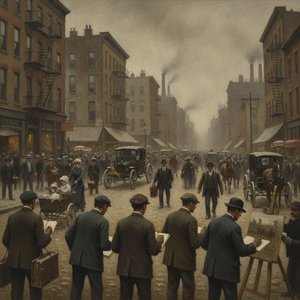
The Ashcan School: Capturing the Raw, Unfiltered Soul of Urban Life through American Realism
Discover the raw beauty of the Ashcan School. Explore how masters like Bellows and Henri captured the gritty, vibrant soul of early 20th-century New York through profound American Realism and evocative urban landscapes.
Explorați opere de artă organizate pe teme, stiluri și caracteristici.


