


 Previzualizare
 Trimite prin felicitare
 Distribuie
 Detalii despre lucrare
 Ghid
Ghid

 Descarcă imaginea
 Produse similare
 Radiografie
 Galerie foto
 Q&A
Q&A Statistici
Irony Point No. 57
 Impressionism
 2015
2015 59.0 x 43.0 cm
 Palatul Ideal al Poștașului Cheval
Explore 'Irony Point No. 57' by Arlette Varda (formerly Agnès Varda). This oil painting captures rural life with impressionistic brushwork & earthy tones. A unique piece reflecting nature, labor, and Belgian artistry.
 Vezi mai mult
Explore the groundbreaking work of Agnès Varda (formerly Arlette Varda), a pioneer of French New Wave cinema & photography. Discover her unique blend of documentary, art, and social commentary.
Lucrarea de artă afișată pe această pagină este protejată de legile privind drepturile de autor, ceea ce înseamnă că nu putem crea sau vinde în mod legal o reproducere identică. Această protecție este garantată prin acorduri internaționale, precum Convenția de la Berna și de legile naționale, inclusiv cele prevăzute de Legea dreptului de autor din S.U.A. – Titlul 17. Toate drepturile rezervate. Orice reproducere neautorizată este interzisă.
Această metodă respectă pe deplin reglementările privind drepturile de autor, deoarece nu implică copierea sau duplicarea operei protejate. În schimb, este o reinterpretare creativă – o pictură nouă, influențată de original, dar care nu este identică cu acesta.
Giclée / Imprimare artistică
Printuri giclée sau pe canvas de calitate muzeală, cu proces de producție rapid și opțiuni flexibile de finisare. ( Comandă pictură realizată manual Comută pe Imagine Digitală)




































Standard
personalizat
CM
INCH
Alegeți dintre dimensiunile noastre prestabilite, care respectă proporțiile originale ale operei de artă.
Loading sizes...

lățime
înălțime
Introduceți lățimea și înălțimea necesare pentru a se potrivi ramei sau peretelui dumneavoastră. O printare poate fi doar tăiată, niciodată extinsă dincolo de dimensiunea imaginii originale, astfel încât o dimensiune cu o formă diferită va pierde o parte din imagine. Vă trimitem o simulare digitală pentru aprobare înainte de a imprima orice. Imaginea afișată pe această pagină nu prezintă tăierea reală — doar simularea arată acest lucru.
Livrare în întreaga lume () în 2 săptămâni, în loc de cele 4/5 săptămâni standard. (29 Octombrie)

Livrare expres gratuită la nivel mondial

Pânză de in de înaltă calitate

Asigurare completă pentru transport

Garanție de rambursare a taxelor vamale

Garanția fidelității culorilor

Politica de retur în 100 de zile (doar pentru defecte de fabricație)

Garanție de rambursare 100%

Ofertă pentru comenzi multiple
 Opțiunea cu sticlă este disponibilă doar pentru dimensiuni de sub 110 cm

Irony Point No. 57
Giclée / Imprimare artistică
Dimensiune reproducere
-


Preț total calculat
lei 321
Carte blanche journal to Agnès Varda, written by agnès b.
Întrebări și răspunsuri
Sub ce alte nume este cunoscut/ă Arlette Varda?
Arlette Varda este cunoscut și sub numele de Agnès Varda, Agnes Varda.
Poate fi reprodusă în mod legal opera "Irony Point No. 57" de Arlette Varda, aflată la Palatul Ideal al Poștașului Cheval?
Statutul drepturilor de autor pentru "Irony Point No. 57" de Arlette Varda este clar: opera este încă protejată de drepturile de autor. Prezența sa la Palatul Ideal al Poștașului Cheval nu schimbă acest statut.
Cum se îmbină contrastul și armonia în "Irony Point No. 57"?
În "Irony Point No. 57", un Statement contrast se împletește cu o Strong Color Unity armonie.
Opere similare


Biografie artist
Agnès Varda: A Pioneer of the French New Wave
Arlette Varda, later known and celebrated as Agnès Varda, was a singular figure in 20th-century cinema – a Belgian-born French filmmaker, screenwriter, and photographer whose work fundamentally reshaped how movies were made and viewed. Born on May 30, 1928, in Ixelles, Brussels, to Christiane Pasquet and Eugène Jean Varda (a Greek refugee), her early life was steeped in the cultural crossroads of Europe. This heritage – a French mother with roots in Sète and a father tracing his lineage back through Ottoman Asia Minor – profoundly influenced her artistic sensibility, informing a deep appreciation for both urban and rural landscapes, and a keen awareness of social realities. Varda’s journey into art began not with film but with photography; she honed her skills as a still photographer, capturing the everyday lives of families and documenting events before dedicating herself to the moving image. This initial experience proved invaluable, instilling in her an observational eye and a respect for authentic representation – qualities that would become hallmarks of her distinctive cinematic style.Early Years & Photographic Beginnings
Varda’s formal artistic training laid the groundwork for her future success. She studied art history at the École du Louvre and photography at the École des Beaux-Arts, developing a sophisticated understanding of composition, form, and visual storytelling. Crucially, she also attended the Lycée et Collège Victor-Duruy, earning a bachelor’s degree in literature and psychology – disciplines that would later inform her nuanced portrayals of human relationships and psychological states. Her early career as a stage photographer for the Théâtre National Populaire provided an essential apprenticeship, exposing her to theatrical performance and demanding a collaborative approach to visual creation. It was during this period that she began to develop her own unique style, moving beyond mere documentation to explore questions of meaning and form through carefully constructed images. She described her initial foray into photography as “asking questions with composition, form, and meaning,” a philosophy that would permeate her entire cinematic oeuvre.The Birth of the New Wave & Unconventional Techniques
Varda’s emergence coincided with the burgeoning French New Wave movement in the 1950s, and she quickly became one of its most vital voices. Rejecting the polished aesthetics and studio-bound productions of traditional cinema, Varda embraced a radically different approach. She championed location shooting – often in unglamorous urban environments or remote rural areas – and utilized non-professional actors, bringing a sense of realism and immediacy to her films that was unprecedented at the time. This deliberate choice challenged established conventions and reflected a desire to capture authentic experiences rather than staged performances. Her early work, such as *La Pointe Courte* (1955), demonstrated this innovative spirit, employing a documentary-like style with handheld cameras and natural lighting, creating a sense of intimacy and immediacy rarely seen in French cinema. Her films frequently explored themes of female experience, social injustice, and the complexities of human relationships, often through a feminist lens.Notable Works & Lasting Influence
Varda’s filmography is remarkably diverse, encompassing both narrative features and experimental documentaries. *Cléo from 5 to 7* (1962), a poignant portrait of a pop singer grappling with mortality, remains one of her most celebrated works, lauded for its innovative use of time and space. *Vagabond* (1985) is a powerful meditation on homelessness and the search for identity, while *Kung Fu Hooligans* (1976) offered a playful critique of consumer culture. However, it’s her later films that perhaps best exemplify her evolving artistic vision. *Les Cent et une nuits de Simon Cinéma* (1995), a loving tribute to the art of cinema, and *Visages Villages* (2017), a visually stunning exploration of rural France, cemented her legacy as a filmmaker deeply committed to capturing the beauty and complexity of everyday life. Her work was consistently praised for its honesty, empathy, and refusal to adhere to conventional cinematic norms.A Legacy of Innovation & Social Commentary
Arlette Varda’s influence extends far beyond her individual films. She helped to establish a new aesthetic vocabulary for cinema, prioritizing observation, spontaneity, and the voices of ordinary people. Her commitment to social justice is evident in many of her works, particularly those that address issues of gender inequality, poverty, and displacement. Varda's later years saw her continue to push boundaries, experimenting with new technologies and approaches while retaining a deep respect for her artistic roots. She was awarded the Academy Award for Best Documentary Feature for *Visages Villages* in 2018, a testament to her enduring impact on cinema and art. Agnès Varda died on March 29, 2019, leaving behind a rich and influential body of work that continues to inspire filmmakers and audiences alike. Her legacy is not simply one of groundbreaking technique but also of a profound commitment to seeing the world with fresh eyes and telling stories that matter.
Arlette Varda
1928 - 2019 , Belgium
Detalii rapide
- Full Name: Arlette Varda (Agnès Varda)
- Nationality: Belgian-French
- Date Of Birth: 1928
- Date Of Death: 2019
- Place Of Birth: Ixelles, Belgium
- Notable Artworks:
- La Pointe Courte
- Cléo from 5 to 7
- Vagabond
- Artistic Movement Or Style: New Wave Cinema
- Artists Who Influenced This Artist:
- René Clair
- Jean Renoir
- Artists Or Movements Influenced By This Artist:
- François Truffaut
- Jean-Luc Godard
Articole similare

The Beauty of Impermanence: Capturing Decay through Impressionist Eyes
Explore the profound beauty of impermanence through Impressionist and Post-Impressionist eyes. Discover how masters like Monet and Van Gogh captured fleeting light and the poetic essence of nature's transitions in our deep dive into art history and emotional landscapes.

Whispers of Rural Serenity: A Journey Through the Enchanting Village Landscapes of Impressionism
Immerse yourself in the tranquil beauty of Impressionist village landscapes. Explore our exquisite collection of hand-painted oil reproductions, capturing the light and soul of masters like Monet and Pissarro. Bring a piece of art history into your home with TopImpressionists.com.

Capturing the Soul: The Most Emotionally Moving Impressionist and Post-Impressionist Masterpieces
Discover the profound emotional depth of Impressionist and Post-Impressionist masterpieces. Explore how legends like Monet, Van Gogh, and Gauguin captured light and soul through evocative landscapes and vibrant brushwork for a timeless connection to art history.
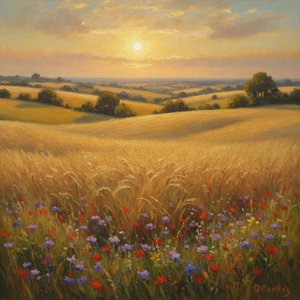
Golden Fields & Sun-Drenched Meadows: Capturing the Soul of Impressionist Landscapes
Immerse yourself in the luminous world of Impressionist landscapes. Discover how masters like Monet and Gauguin captured ephemeral light through plein air painting, and learn to bring the soul of sun-drenched meadows into your home with exquisite, hand-painted oil reproductions.

Beyond the Light: Capturing Raw Emotion and Subjective Vision in Post-Impressionist Landscapes
Explore the profound emotional depth of Post-Impressionist landscapes. Discover how masters like Van Gogh moved beyond light to capture raw human feeling through vibrant color and expressive texture in this expert art history retrospective.
Explorați opere de artă organizate pe teme, stiluri și caracteristici.
