


 Vezi în context
 Trimite
 Distribuie
 Detalii
 Ghidul

 Descarcă
 Produse similare
 Radiografie
 Diaporama
 Statistici
Cefalu
 Ulei pe pânză
- Artă de perete
- Romantic Landscape Painting
 1830
1830 63.0 x 79.0 cm
 Muzeul Wallraf-Richartz
Magnifică pictură impresionistă "Cefalu" de Rottmann (1830). Peisaj sicilian autentic cu arhitectură impresionantă și detalii naturale impresionante. Reproducții ulei pe pânză disponibile!
 Citește mai mult
Explore the evocative landscapes of Carl Rottmann – German Romanticism master! Discover his mythical scenes & Bavarian vistas. A key figure in 19th-century art.
Reproducere pictată manual în ulei
Pictură în ulei pe pânză, realizată manual de artiștii noștri la dimensiunea și ramele dorite de dumneavoastră, pe comandă. ( Comută pe versiunea Print Treci la imagine digitală)




P118B lei10

P118H lei10

P118W lei10

P438Z lei10

P508JH lei12

P508YH lei12

P805H lei10

P805Z lei10

P919BZ lei10

P919G lei10

P919XJ lei10

P959ZH lei10

P968JZ lei12

W106C lei8

W218G lei10

W218JH lei8

W218Y lei10

W307PJ lei10

W316G lei10

W316PJ lei8

W316Y lei10

W398PJ lei8

W4111J lei10

W500HY lei15

W500JH lei15

W692G lei12

W849H lei8

W940BG lei15

W953PJ lei8




Dimensiuni standard
personalizat
CM
INCH
Alegeți dintre dimensiunile noastre prestabilite, care respectă proporțiile originale ale operei de artă.
Loading sizes...

lățime
înălțime
Introduceți lățimea și înălțimea de care aveți nevoie, pentru a se potrivi ramei sau peretelui dumneavoastră. Această lucrare este pictată manual, așa că pentru o dimensiune cu o formă diferită, artistul poate picta puțin mai mult în jurul imaginii sau poate tăia puțin din margini — dumneavoastră decideți. Vă vom trimite o simulare digitală pentru aprobare înainte de a începe pictarea. Imaginea afișată pe această pagină nu reprezintă rezultatul real — doar simularea este reprezentativă.
Exemple de elemente ce pot fi personalizate: Înlocuiți fața cu fotografia clientului; Adăugați un animal de companie (de exemplu, înlocuiți pisica cu un câine); Includeți un mesaj ascuns în fundal; Schimbați peisajul sau elementele din fundal.
După plasarea comenzii, echipa TopImpressionists.com va contacta clientul prin e-mail pentru instrucțiuni și îi va furniza o previzualizare a machetei
După plasarea comenzii, echipa TopImpressionists.com va contacta clientul prin e-mail pentru instrucțiuni și îi va furniza o previzualizare a machetei
Livrare în întreaga lume () în 3-4 săptămâni, în loc de cele 5 săptămâni standard. (21 Octombrie). Fără compromisuri în ceea ce privește calitatea.

Livrare expres gratuită la nivel mondial

Pânză de in premium

Asigurare completă pentru transport

Garanție de rambursare a taxelor vamale

Garanția fidelității culorilor

Politica de retur în 100 de zile (doar pentru defecte)

Garanție de rambursare 100%

Reducere pentru comenzi multiple
 Opțiunea cu sticlă este disponibilă doar pentru dimensiuni de sub 110 cm

Cefalu
Tip de reproducere
Dimensiune reproducere
-


Preț total
lei 1236
Carl Anton Joseph Rottmann și Cefalu – O Simfonie în Lumină și Rococo Sicilian
Cefalu este mai mult decât o simplă pictură; este o captivantă mărturie a unei perioade istorice cruciale și un exemplu impresionant al virtuților artistice ale lui Carl Anton Joseph Rottmann, unul dintre cei mai influenți reprezentanți ai romantismului german. Creată în anul 1830, această operă monumentală în ulei pe pânză nu doar surprinde frumusețea extraordinară a orașului sicilian Cefalu și a împrejurimilor sale impresionante, ci și transmite emoții puternice și idei complexe despre condiția umană și relația dintre om și natură. Rottmann, cunoscut pentru abordarea sa dramatică și pentru utilizarea inovatoare a luminii și umbrelor în operele sale, a fost inspirat de atmosfera romantică dominantă în acea vreme și de dorința ardentă de a exprima sentimentele individuale într-un mod autentic și puternic.Un Cadru Epic: Natura și Arhitectura În Echilibru Perfect
În centrul atenției se află o formațiune rociară impozantă, dominând peisajul sicilian și reprezentând simbolul stabilității și rezistenței în fața timpului. Rottmann nu doar că a surprins cu măiestrie această caracteristică geografică impresionantă, ci și a reușit să creeze un echilibru armonios între elementele naturale și arhitectura orașului Cefalu, evidențiind astfel puterea sugestivă a artei romantice în exprimarea adevărurilor universale. Pereții orașului sunt reprezentați cu atenție la detalii, oferind o perspectivă fascinantă asupra vieții urbane din perioada respectivă și contribuind semnificativ la atmosfera generală picturii. Rottmann nu doar că a fost maestru în reprezentarea peisajelor impresionante ale Siciliei, ci și în capturarea atmosferei unei societăți aflate în schimbare rapidă, marcând astfel începutul erei industriale și provocând reflecții profunde asupra rolului umanității în lume.Tehnica Rottmann: Lumină și Umbre Pentru Dramă și Intensitate
Rottmann a aplicat o tehnică inovatoare pentru realizarea Cefalui, bazată pe utilizarea magistrală a luminii și umbrelor pentru a crea efecte dramatice și emoționale puternice. Artistul a folosit tehnica sfumato – caracteristică reprezentativă pentru picturile romantice italienești – pentru a obține o senzație de profunzime și realism impresionant, capturând astfel adevărul emoțional al scenei în mod autentic și expresiv. Această abordare tehnică sofisticată nu doar că a îmbogățit experiența vizuală a privitorului, ci și a transmis mesajul unei estetici romantice puternice și influente, marcând astfel un punct culminant în evoluția artei occidentale din secolul XIX. Rottmann nu doar că a fost maestru în reprezentarea luminii și umbrelor în operele sale, ci și în utilizarea culorilor pentru exprimarea emoțiilor individuale într-un mod autentic și puternic.Simbolism În Fiecare Pigment: Culoare și Lumină Pentru Mesaje Ascunse
Culorile folosite de Rottmann în Cefalu nu sunt doar frumoase în sine, ci au și semnificații simbolice importante, contribuind astfel la mesajul general al picturii. Tonurile calde ale pietrei și ale clădirilor evocă sentimente de căldură și confort, în timp ce tonurile reci ale cerului și ale apelor exprimă emoții de tristețe și nostalgie. Rottmann nu doar că a fost maestru în reprezentarea culorilor în operele sale, ci și în utilizarea luminii pentru crearea unei atmosfere dramatice și emoționale puternice. Această abordare artistică sofisticată nu doar că a îmbogățit experiența vizuală a privitorului, ci și a transmis mesajul unei estetici romantice puternice și influente.Un Testament Pentru Artă Romantică În Muzeele Germaniei
Opera Cefalui este prezentată în Muzeul Wallraf-Richartz din Köln, Germania, fiind astfel accesibilă unui public larg interesat de artă romantică și istorie europeană. Acest muzeu celebrează patrimoniul artistic german și oferă oportunități unice pentru studiu și contemplare artistică, contribuind astfel la perpetuarea tradiției culturale europene și încurajând aprecierea frumuseții și adevărului emoțional în operele de artă. Pentru cei interesați să exploreze mai departe operele lui Rottmann și să admira opere ale unor artiști precum Turner și Corot, puteți consulta site-ul https://TopImpressionists.com pentru a descoperi reproducerii handmade ale acestora.Întrebări și răspunsuri
Ce ton emoțional însoțește stilul Romantic Landscape Painting din "Cefalu"?
"Cefalu" transmite o Melancolic notă emoțională în cadrul mișcării Romantic Landscape Painting.
Cum se încadrează „Cefalu” în temele și stilul lui Carl Anton Joseph Rottmann?
„Cefalu” împarte cu celelalte opere ale lui Carl Anton Joseph Rottmann stilul Romantic Landscape Painting și temele recurente: german romantic landscape, nature appreciation style, dramatic light palette, symbolic composition vision, artist’s legacy focus.
"Cefalu" de Carl Anton Joseph Rottmann folosește contrastul puternic sau armonii delicate?
În "Cefalu", un Declarație contrast este împletuit cu o Paletă de culori delicate mixate armonie.
Biografie artist
The Visionary Landscapes of Carl Rottmann
Born in the tranquil setting of Handschuhsheim, Germany, in 1797, Carl Anton Joseph Rottmann emerged as a profound voice within the movement of German Romanticism. His life and artistry were deeply intertwined with the shifting landscapes of 19th-century Europe, reflecting a period where the sublime beauty of nature met the burgeoning spirit of national identity. Unlike many of his contemporaries who focused on the intimate or the domestic, Rottmann possessed an expansive vision, seeking to capture the monumental scale of the world through sweeping vistas and mythic atmospheres. His journey was one of constant movement, traveling through the rugged terrains of Greece, Italy, and the Bavarian Alps, each location leaving an indelible mark on his palette and his perception of the divine within the natural world.
The development of Rottmann’s style was a masterful evolution from classical precision to a more emotive, atmospheric approach. Influenced by the grand traditions of landscape painting, he moved beyond mere topographical accuracy to embrace the sublime—that specific Romantic quality of awe and terror inspired by the vastness of nature. His technique involved a sophisticated understanding of light and shadow, using them not just to define form, and shape, but to evoke a sense of historical weight and mythic presence. In his hands, a mountain range was never just stone and ice; it was a silent witness to antiquity, a stage for the legends of old. This ability to infuse physical geography with spiritual and historical narrative became the hallmark of his mature period.
A Legacy of Light and Myth
Rottmann’s achievements are most notably seen in his ability to bridge the gap between the tangible world and the realm of imagination. His works often serve as windows into a lost era, where the ruins of ancient civilizations seem to breathe under the soft glow of a Mediterranean sun or the misty shroud of a northern forest. Through his meticulous attention to the interplay of light upon textures—the roughness of weathered stone, the translucency of water, and the softness of clouds—he achieved a level of luminosity that captivated the art world of his time.
The historical significance of his oeuvre lies in its role as a cornerstone of Romantic landscape art. His contributions can be summarized through several key artistic pillars:
- The Synthesis of History and Nature: He pioneered a method of painting where the landscape itself acts as a vessel for historical memory, blending archaeological interest with poetic expression.
- Mastery of Atmospheric Perspective: His use of color temperature and clarity to create depth allowed viewers to feel immersed in the vastness of his depicted scenes.
- Cultural Documentation: Through his travels, he provided a visual record of the European landscapes that were central to the Romantic identity, particularly the Greek and Bavarian vistas.
Ultimately, the work of Carl Rottmann remains a testament to the power of the gaze to transform the ordinary into the extraordinary. He did not merely paint what he saw; he painted what he felt in the presence of greatness. His legacy continues to resonate with those who find beauty in the monumental and meaning in the silent, enduring features of our earth, ensuring his place as a vital figure in the tapestry of 19th-century European art.

Carl Anton Joseph Rottmann
1797 - 1850 , Germany
Informații rapide
- Full Name: Joseph Wright of Derby
- Nationality: English
- Date Of Birth: 1797
- Date Of Death: 1850
- Place Of Birth: Handschuhsheim, Germany
- Notable Artworks:
- An Experiment on a Bird in the Air Pump
- The Slaughtered Horse
- A Man Defending His Cart
- Artistic Movement Or Style: Romanticism, Neoclassicism
- Artists Who Influenced This Artist:
- Janys Zedres
- Rembrandt
- Artists Or Movements Influenced By This Artist:
- Joshua Reynolds
- Romanticism
Articole conexe

Capturing the Soul: The Emotional Magic and Sublime Grandeur of Romantic Landscape Painting
Explore the profound emotional depth of Romantic landscape painting. Discover how masters like Friedrich and Turner captured the sublime through light, shadow, and nature's power in this expert art history retrospective for discerning collectors.
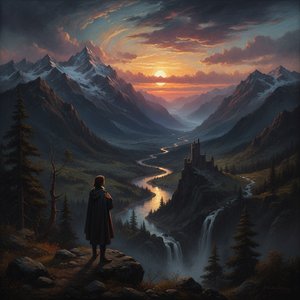
Capturing the Soul: The Emotional Majesty and Sublime Power of Romantic Landscape Painting
Explore the profound emotional depth of Romantic landscape painting. Discover how masters like Turner and Friedrich captured the sublime power of nature through intuition and imagination in this expert art history retrospective.
Explorați opere de artă organizate pe teme, stiluri și caracteristici.


