


 Vezi în context
 Trimite
 Distribuie
 Detalii
 Ghidul

 Descarcă
 Produse similare
 Radiografie
 Diaporama
 Statistici
Veliero e Molo

Explore Carlo Carrà’s ‘Veliero e Molo’! A stylized landscape blending urban & natural elements in an impressionistic style. Discover its vibrant colors, textured surface & symbolic depth.
Descoperă Carlo Carrà (1881-1966), un pictor italian fundamental pentru mișcarea futuristă și metafizică! Admira opere emblematice precum „Funeralul Anarhistului Galli” și „Ritmurile Obiectelor”, stil inovator și influență puternică asupra artei moderne.
 Citește mai mult
Lucrarea de artă afișată pe această pagină este protejată de legile privind drepturile de autor, ceea ce înseamnă că nu putem crea sau vinde în mod legal o reproducere identică. Această protecție este garantată prin acorduri internaționale, precum Convenția de la Berna și de legile naționale, inclusiv cele prevăzute de Legea dreptului de autor din S.U.A. – Titlul 17. Toate drepturile rezervate. Orice reproducere neautorizată este interzisă.
Ca alternativă respectuoasă și legală, oferim tablouri pictate manual, personalizate, inspirate de original. Artistii noștri experimentați și profesioniști studiază cu atenție stilul, starea de spirit și esența artistică a originalului pentru a crea o piesă nouă și unică, care evocă aceeași emoție – rămânând, în același timp, o creație originală în sine.
Această metodă respectă pe deplin reglementările privind drepturile de autor, deoarece nu implică copierea sau duplicarea operei protejate. În schimb, este o reinterpretare creativă – o pictură nouă, influențată de original, dar care nu este identică cu acesta.
Reproducere pictată manual în ulei
Pictură în ulei pe pânză, realizată manual de artiștii noștri la dimensiunea și ramele dorite de dumneavoastră, pe comandă. ( Comută pe versiunea Print Treci la imagine digitală)




































Dimensiuni standard
personalizat
CM
INCH
Alegeți dintre dimensiunile noastre prestabilite, care respectă proporțiile originale ale operei de artă.
Loading sizes...

lățime
înălțime
Introduceți lățimea și înălțimea de care aveți nevoie, pentru a se potrivi ramei sau peretelui dumneavoastră. Această lucrare este pictată manual, așa că pentru o dimensiune cu o formă diferită, artistul poate picta puțin mai mult în jurul imaginii sau poate tăia puțin din margini — dumneavoastră decideți. Vă vom trimite o simulare digitală pentru aprobare înainte de a începe pictarea. Imaginea afișată pe această pagină nu reprezintă rezultatul real — doar simularea este reprezentativă.
Exemple de elemente ce pot fi personalizate: Înlocuiți fața cu fotografia clientului; Adăugați un animal de companie (de exemplu, înlocuiți pisica cu un câine); Includeți un mesaj ascuns în fundal; Schimbați peisajul sau elementele din fundal.
După plasarea comenzii, echipa TopImpressionists.com va contacta clientul prin e-mail pentru instrucțiuni și îi va furniza o previzualizare a machetei
După plasarea comenzii, echipa TopImpressionists.com va contacta clientul prin e-mail pentru instrucțiuni și îi va furniza o previzualizare a machetei
Livrare în întreaga lume () în 3-4 săptămâni, în loc de cele 5 săptămâni standard. (20 Octombrie). Fără compromisuri în ceea ce privește calitatea.

Livrare expres gratuită la nivel mondial

Pânză de in premium

Asigurare completă pentru transport

Garanție de rambursare a taxelor vamale

Garanția fidelității culorilor

Politica de retur în 100 de zile (doar pentru defecte)

Garanție de rambursare 100%

Reducere pentru comenzi multiple
 Opțiunea cu sticlă este disponibilă doar pentru dimensiuni de sub 110 cm

Veliero e Molo
Tip de reproducere
Dimensiune reproducere
-


Preț total
lei 1234
Opere similare


Biografie artist
Early Life and the Seeds of Artistic Rebellion
Carlo Carrà, born in Quargnento near Alessandria, Italy, on February 11, 1881, embarked on a path diverging sharply from academic tradition. His youth was marked by necessity; at twelve years old, he left his family to apprentice as a mural decorator. This formative experience, steeped in the physicality of art-making and craftsmanship, indelibly shaped his artistic sensibilities. It wasn't merely applying paint—it was immersion into color, form, and visual communication. A sojourn to Paris at the turn of the century, decorating pavilions for the Exposition Universelle, exposed him to burgeoning currents of contemporary French art, a crucial awakening that broadened his horizons beyond Italian provincialism. This exposure was followed by a brief period in London, where he encountered exiled Italian anarchists—a political undercurrent subtly informing his early work with themes of social unrest and rebellion. Returning to Milan in 1901, Carrà honed his skills, eventually enrolling at the Brera Academy in 1906, studying under Cesare Tallone. Yet, even within the academy’s structure, a restless spirit persisted, yearning for artistic innovation.Embracing Dynamism: The Futurist Years
The year 1910 proved pivotal. Carrà joined Umberto Boccioni, Luigi Russolo, and Giacomo Balla, signing the manifesto of the Futurist painters—a declaration irrevocably altering Italian art’s course. Futurism was a radical ideology, an explosive celebration of modernity, speed, technology, youth, and the machine age's relentless energy. It rejected the past, embracing dynamism and anticipating a future defined by progress. Carrà’s early Futurist works, such as The Funeral of the Anarchist Galli (1911) and Rhythms of Objects (1911), vividly embody these principles. The Funeral of the Anarchist Galli, a chaotic yet compelling depiction of grief and protest, isn’t merely representation but a visceral experience of movement and emotion. The fractured forms and jarring colors convey the raw energy of the crowd and disruptive political force. Rhythms of Objects further demonstrates his exploration of dynamism, breaking down everyday objects into fragmented shapes suggesting motion and transformation. These paintings weren't about *what* was depicted but *how* it was perceived—a revolutionary approach to representation. Carrà wasn’t just painting scenes; he attempted to capture the very essence of modern life in all its frenetic glory. He sought to express the dynamism of urban life, mirroring the rapid pace and energy of the industrial age.Influences and Artistic Development
Carrà's artistic development was profoundly shaped by several key influences. His early apprenticeship as a mural decorator instilled in him a deep appreciation for craftsmanship and materiality—values that would permeate his subsequent work. The Parisian Exposition Universelle ignited his passion for Impressionism, exposing him to the innovative techniques of Monet and Renoir. Simultaneously, he encountered Cubist principles during this period, recognizing their ability to dismantle traditional perspective and challenge conventional artistic conventions. This multifaceted exposure fostered a synthesis of styles—a blend of dynamism and stillness, fragmentation and solidity—that characterized his distinctive visual language. He was particularly captivated by the expressive power of Giotto’s frescoes in Padua, which inspired him to explore tonal harmonies and simplified forms.Metaphysical Painting: A Shift Towards Inner Reflection
Around 1917, Carrà experienced a transformative encounter with Giorgio de Chirico—a meeting that would herald the emergence of Metaphysical Painting (*Pittura Metafisica*). De Chirico’s unsettling imagery—characterized by dreamlike landscapes and enigmatic figures—resonated deeply with Carrà's artistic sensibilities. He began incorporating mannequin imagery into his work, as seen in The Daughters of Lot (1919), creating scenes both familiar and disturbing. This period marked a move away from Futurism’s outward dynamism toward an inward exploration of psychological states and existential anxieties. The influence of De Chirico's aesthetic—a rejection of illusionistic representation in favor of symbolic suggestion—became central to Carrà’s artistic vision. He sought to convey emotions and ideas through carefully constructed compositions, prioritizing mood and atmosphere over literal depiction.Legacy and Recognition
Carlo Carrà left an indelible mark on Italian art history. His pioneering role in Futurism established him as a visionary artist who championed innovation and challenged artistic dogma. Simultaneously, his embrace of Metaphysical Painting demonstrated his intellectual curiosity and willingness to explore the depths of human consciousness. He was recognized as one of the foremost artists of his generation, earning acclaim for his distinctive style and profound engagement with philosophical concepts. His work continues to inspire artists today—a testament to his enduring artistic legacy. Carrà’s contribution extended beyond painting; he served as a respected art critic and educator, shaping the intellectual discourse surrounding modern Italian art. He died in Milan on April 13, 1966, leaving behind a rich body of work that embodies the spirit of experimentation and reflection—a legacy celebrated by scholars and admirers alike.
Carlo Carrà
1881 - 1966 , Italia
Informații rapide
- Artistic Movement Or Style: Futurism, Metaphysical art
- Artists Who Influenced This Artist:
- Umberto Boccioni
- Giorgio de Chirico
- Date Of Birth: Feb 11, 1881
- Date Of Death: Apr 13, 1966
- Full Name: Carlo Carrà
- Nationality: Italian
- Notable Artworks:
- Funeral of Galli
- Rhythms of Objects
- Daughters of Lot
- Place Of Birth: Alessandria, Italy
Articole conexe

Beyond the Light: Capturing Raw Emotion and Subjective Vision in Post-Impressionist Landscapes
Explore the profound emotional depth of Post-Impressionist landscapes. Discover how masters like Van Gogh moved beyond light to capture raw human feeling through vibrant color and expressive texture in this expert art history retrospective.

Capturing the Soul: The Most Emotionally Moving Impressionist and Post-Impressionist Masterpieces
Discover the profound emotional depth of Impressionist and Post-Impressionist masterpieces. Explore how legends like Monet, Van Gogh, and Gauguin captured light and soul through evocative landscapes and vibrant brushwork for a timeless connection to art history.

The Beauty of Impermanence: Capturing Decay through Impressionist Eyes
Explore the profound beauty of impermanence through Impressionist and Post-Impressionist eyes. Discover how masters like Monet and Van Gogh captured fleeting light and the poetic essence of nature's transitions in our deep dive into art history and emotional landscapes.
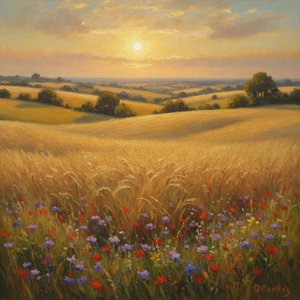
Golden Fields & Sun-Drenched Meadows: Capturing the Soul of Impressionist Landscapes
Immerse yourself in the luminous world of Impressionist landscapes. Discover how masters like Monet and Gauguin captured ephemeral light through plein air painting, and learn to bring the soul of sun-drenched meadows into your home with exquisite, hand-painted oil reproductions.

Capturing Eternal Glory: Impressionist Visions of the Roman Empire's Timeless Grandeur
Explore the breathtaking intersection of Roman grandeur and Impressionist light. Discover how masters like Monet reimagined classical ruins through vibrant, emotive brushstrokes. A cultural journey for true art lovers seeking to bring eternal glory into their homes.
Explorați opere de artă organizate pe teme, stiluri și caracteristici.
