


 Vezi în context
 Trimite
 Distribuie
 Detalii
 Ghidul

 Descarcă
 Produse similare
 Radiografie
 Diaporama
 Statistici
Maria Immaculata
 Oil On Canvas
- WallArt
- Baroque Classicizing Style
 1688
1688 181.0 x 128.0 cm
 Galeria de Picturi Vechi Alte Meister
Marvel at 'Maria Immaculata' by Carlo Maratta! This stunning Baroque masterpiece depicts the Virgin Mary with angels, showcasing exquisite detail and classicizing style from 1688. A timeless work of art.
 Citește mai mult
Descoperă Carlo Maratta (1625-1713), maestru romano-baroc cunoscut pentru stilul său clasicist, scene religioase și fresce comandate de papi. Explorează moștenirea sa astăzi!
Giclée / Imprimare artistică
Printuri giclée sau pe canvas de calitate muzeală, cu proces de producție rapid și opțiuni flexibile de finisare. ( Comandă pictură realizată manual Treci la imagine digitală)




P118B lei10

P118H lei10

P118W lei10

P438Z lei10

P508JH lei12

P508YH lei12

P805H lei10

P805Z lei10

P919BZ lei10

P919G lei10

P919XJ lei10

P959ZH lei10

P968JZ lei12

W106C lei8

W218G lei10

W218JH lei8

W218Y lei10

W307PJ lei10

W316G lei10

W316PJ lei8

W316Y lei10

W398PJ lei8

W4111J lei10

W500HY lei15

W500JH lei15

W692G lei12

W849H lei8

W940BG lei15

W953PJ lei8




Dimensiuni standard
personalizat
CM
INCH
Alegeți dintre dimensiunile noastre prestabilite, care respectă proporțiile originale ale operei de artă.
Loading sizes...

lățime
înălțime
Introduceți lățimea și înălțimea de care aveți nevoie, pentru a se potrivi ramei sau peretelui dumneavoastră. O printare poate fi doar tăiată, niciodată extinsă dincolo de dimensiunea imaginii originale, astfel încât o dimensiune cu o formă diferită va pierde o parte din imagine. Vă trimitem o simulare digitală pentru aprobare înainte de a imprima orice. Imaginea afișată pe această pagină nu prezintă tăierea reală — doar simularea arată acest lucru.
Livrare în întreaga lume () în 2 săptămâni, în loc de cele 4/5 săptămâni standard. (25 Octombrie)

Livrare expres gratuită la nivel mondial

Pânză de in premium

Asigurare completă pentru transport

Garanție de rambursare a taxelor vamale

Garanția fidelității culorilor

Politica de retur în 100 de zile (doar pentru defecte)

Garanție de rambursare 100%

Reducere pentru comenzi multiple
 Opțiunea cu sticlă este disponibilă doar pentru dimensiuni de sub 110 cm

Maria Immaculata
Giclée / Imprimare artistică
Dimensiune reproducere
-


Preț total
lei 319
A Divine Embrace: Exploring the Baroque Majesty of Maria Immaculata
Carlo Maratta’s “Maria Immaculata,” painted in 1688, isn't merely a depiction of the Virgin Mary; it’s a carefully constructed tableau of faith, grace, and the burgeoning classical ideals of the late Baroque period. The painting immediately draws the viewer into a scene brimming with serene beauty – a testament to Maratta’s mastery of light, composition, and his deep understanding of religious iconography. The work transcends simple portraiture, offering a glimpse into a world where divine presence is palpable, inviting contemplation on themes of motherhood, purity, and spiritual devotion.
Maratta, a pivotal figure in Roman art after the Mannerist style, skillfully blended the emotional intensity of the Baroque with a newfound emphasis on clarity and balance. He was deeply influenced by Andrea Sacchi, his mentor, who instilled within him a reverence for classical forms and a restraint that tempered the dramatic flourishes characteristic of earlier Baroque painters. This influence is evident in “Maria Immaculata” – the figures are rendered with elegant poise, their gestures refined and harmonious, creating an atmosphere of dignified serenity. The color palette is rich yet controlled, dominated by deep blues and golds, evoking a sense of majesty and spiritual depth.
- Subject & Composition: At the heart of the painting stands Mary, presented as a figure of profound grace and maternal tenderness. She cradles the infant Jesus, his face radiating an innocent beauty. Surrounding them are a host of angels – one hovering above her head, another descending from the heavens, and two more positioned on either side, acting as silent witnesses to this sacred moment. The composition is meticulously balanced, drawing the eye towards Mary’s central position while subtly guiding it through the intricate arrangement of figures and architectural elements.
- Technique & Style: Maratta's brushwork is remarkably smooth and polished, indicative of his meticulous attention to detail. He employs sfumato – a technique borrowed from Leonardo da Vinci – to soften edges and create an ethereal quality, particularly around Mary’s face and the infant Jesus. The use of gold leaf adds a luminous sheen to the garments and halos, further enhancing the painting's sense of grandeur.
- Historical Context: Painted in 1688, “Maria Immaculata” reflects the Counter-Reformation’s emphasis on religious art as a tool for spiritual instruction and inspiration. The Catholic Church actively commissioned artworks that reinforced its doctrines and promoted piety among the faithful. The depiction of Mary as Immaculate – signifying her sinless conception – was a key theological concept during this period, emphasizing her unique role in salvation history.
Symbolism Woven into Sacred Space
Beyond its immediate beauty, “Maria Immaculata” is laden with symbolic meaning. The angels themselves represent divine messengers and protectors, embodying the grace and guidance offered by God’s presence. Mary's pose – her hand gently shielding the infant Jesus – symbolizes protection, nurturing, and the safeguarding of faith. The architectural setting, though somewhat simplified, evokes a sense of heavenly space, suggesting the sacredness of this encounter. The inclusion of light is particularly significant; it emanates from Mary and the Christ Child, illuminating the scene and symbolizing divine grace.
Notably, the painting’s composition echoes classical ideals of harmony and proportion, reflecting Maratta's commitment to a refined aesthetic rooted in antiquity. The arrangement of figures creates a pyramidal structure, a compositional device frequently employed by Renaissance artists to convey stability and balance.A Legacy of Baroque Elegance
Carlo Maratta’s “Maria Immaculata” stands as a remarkable example of the Roman Baroque at its most refined. It showcases his ability to seamlessly blend technical mastery with profound spiritual insight, creating an artwork that continues to resonate with viewers centuries later. The painting's enduring appeal lies not only in its aesthetic beauty but also in its capacity to evoke feelings of reverence, peace, and a deep connection to the timeless themes of faith and motherhood. Reproductions of this masterpiece offer a chance to bring this serene vision into any space, fostering contemplation and reminding us of the profound beauty found within religious art.
Further Research: For more information about Carlo Maratta and “Maria Immaculata,” explore resources such as the TopImpressionists website (https://TopImpressionists.com/carlo-maratta-maria-immaculata) and Wikipedia’s entry on Carlo Maratta (https://en.wikipedia.org/wiki/Carlo_Maratta).
Întrebări și răspunsuri
Ce sentiment creează culorile din "Maria Immaculata" de Carlo Maratta?
Paleta Earthy a operei "Maria Immaculata" de Carlo Maratta se armonizează cu tonul său Tranquil. Culoarea este una dintre modalitățile prin care o lucrare transmite emoție.
Unde pot găsi statistici despre "Maria Immaculata" de Carlo Maratta?
Statistici despre "Maria Immaculata" de Carlo Maratta se regăsesc pe pagina Statistici a operei de artă: vizitele lunare ale operei, vizitele lucrărilor artistului și distribuția pe țări și limbi pentru vizitatorii recenti.
Ce atmosferă transmite "Maria Immaculata"?
"Maria Immaculata" de Carlo Maratta este descris ca având o atmosferă Calm. Această clasificare poate ajuta la potrivirea lucrării cu un anumit decor.
Biografie artist
Un maestru roman al stilului baroc clasicizant
Carlo Maratta, cunoscut adesea sub numele de Maratti, reprezintă o figură pivot în pictura italiană din secolul al XVII-lea, întruchipând tranziția de la Barocul înalt către o estetică mai rafinată și inspirată de clasicism. Născut pe 15 mai 1625, la Camerano, în cadrul Statelor Papale — acum parte din Italia — călătoria sa artistică a început odată cu mutarea timpurie la Roma, la vârsta de unsprezece ani. Această relocare s-a dovedit a fi transformatoare, deoarece a intrat în atelierul lui Andrea Sacchi, un pictor renumit pentru compozițiile sale măsurate și pentru devotamentul față de idealurile clasice. Influența lui Sacchi avea să modeleze profund stilul în devenire al lui Maratta, instilându-i o dedicare pentru claritate, echilibru și un emoționalism reținut care îl distingea de contemporanii săi baroci mai flamboyant. Acest ucenicie nu a fost doar un antrenament tehnic; a fost o imersiune într-o abordare filozofică a artei, una care prioritiza rigoarea intelectuală și designul armonios în detrimentul spectacolului dramatic. Maratta a absorbit aceste principii, însă nu a rămas limitat doar în aceste confinuri, demonstrând o capacitate remarcabilă de a sintetiza fundamentele clasice cu curentul dominant al sensibilității baroce.O carieră înfloritoare în Roma
Talentul lui Maratta a înflorit rapid și, spre mijlocul anilor 1650, începuse deja să atragă comenzi semnificative. Primele sale lucrări, precum Vizitarea (1656) pentru Santa Maria della Pace, dezvăluie o stăpânire magistrală a luminii și mișcării, însoțită de o capacitate emergentă de a îmbui scena religioasă cu un sentiment palpabil de profunzitate spirituală. El nu se limita pur și simplu la replicarea modelelor stabilite; le infuza cu propria viziune unică, caracterizată prin figuri grațioase, draperii elegante și o utilizare subtilă, dar puternică, a culorii. Această perioadă a marcat, de asemenea, creația operei Misterul Trinității Revelat Sfântului Augustin (circa 瓣655), o lucrare ce exemplifică abilitatea sa de a echilibra idealismul clasic cu dinamismul baroc. Pe măsură ce reputația sa creștea, așa făceau și amploarea și prestigiul comenzilor sale. A devenit un artist preferat al prominentelor familii romane și, esențial, al însăși papatului. Pe parcursul a șase decenii, Maratta a beneficiat de patronajul a nu mai puțin de șase pape — o dovadă a priceperii sale artistice și a înțelegerii politice. Acest sprijin papal constant nu i-a oferit doar siguranță financiară, ci l-a poziționat chiar în inima vieții artistice și culturale a Romei.O sinteză de stiluri și influențe
Stilul lui Maratta este adesea descris ca fiind „baroc clasicizant”, un termen care încapsulează poziția sa unică în peisajul istoriei artei. Deși profund înrădăcinat în tradiția clasică derivată din Rafael, el nu a fost imun la influența tendințelor mai teatrale ale Barocului. Contemporanul său, Giovanni Bellori, a recunoscut această sinteză, documentând abordarea artistică a lui Maratta într-o biografie timpurie. Artistul a integrat cu măiestrie utilizarea dramatică a luminii și umbrei, caracteristică picturii baroce, cu claritatea formei și echilibrul compozițional preferat clasiciștilor. Această fuziune a dat naștere unor lucrări care erau atât captivante din punct de vedere emoțional, cât și satisfăcătoare din punct de vedere intelectual. Paleta sa, deși vibrantă, era adesea reținută, prioritizând relațiile cromatice armonioase în locul contrastelor îndrăznețe. A excelat în reprezentarea narațiunilor religioase, îmbuiindu-le cu un sentiment de venerație și intensitate spirituală. Aparitia Fecioarei în fața Sfântului Filip Neri (circa 1675), găzduită acum în Palatul Pitti din Florența, este un exemplu de primă dorință a capacității sale de a interpreta astfel de teme cu grație și o profundă rezonanță emoțională.Dincolo de pictură: Restaurare și moștenire
Contribuțiile lui Maratta s-au extins dincolo de crearea de noi opere de artă; i s-a încredințat, de asemenea, conservarea patrimoniului artistic al Romei. În perioada 1702-1703, Inocențul XI l-a numit surintendent des chambres du vatican și l-a însărcinat cu repararea frescelor lui Rafael din Stanzele Vaticanului — o responsabilitate care i-a subliniat statutul de autoritate de vârf în arta clasică. Această întreprindere nu a fost doar o chestiune de restaurare tehnică; a fost un act de venerație față de una dintre cele mai mari comori artistice ale Italiei, încredințat unui maestru care îi înțelegea semnificația. Maratta a continuat să lucreze prolific până la moartea sa în Roma, pe 15 decembrie 1713, lăsând în urmă un corpus de lucrări vast și influent. Moștenirea sa ca maestru al manierismului clasicizant din Barocul tardiv a persistat pe tot parcursul secolului al XVIII-lea, influențând generații de artiști prin accentul său pe claritate, echilibru și compoziție armonioasă. Astăzi, picturile sale pot fi găsite în muzee din întreaga lume, asigurându-se că viziunea sa artistică continuă să inspire și să fascineze publicul pentru anii ce vor veni.Lucrări cheie și impact durabil
- Apollo urmărește Dafne: O reprezentare dinamică a mitului clasic, evidențiind îndemânarea lui Maratta de a surprinde mișcarea și emoția.
- Adorația Magilor (în garlandă): O compoziție bogat detaliată care exemplifică măiestria sa asupra culorii și formei.
- Adorația Păstorilor: O capodoperă barocă din 1690, celebrată pentru simbolismul său divin și dispunerea dinamică.
- <Vizitarea: O lucrare timpurie ce demonstrează talentul emergent al lui Maratta pentru lumină și mișcare într-un context religios.
- <Misterul Trinității Revelat Sfântului Augustin: Un exemplu convingător al capacității sale de a îmbina idealismul clasic cu elemente baroce.

Carlo Maratta
1625 - 1713 , Italia
Informații rapide
- Artistic Movement Or Style: Baroc clasicist
- Artists Who Influenced This Artist: ['Andrea Sacchi']
- Date Of Birth: 15 mai 1625
- Date Of Death: 15 decembrie 1713
- Full Name: Carlo Maratta
- Nationality: Italian
- Notable Artworks:
- Vizitarea Sfântului Ioan Nepolitan în biserica Santa Maria della Pace
- Misterul Trinității dezvăluit Sfântului Augustin
- Place Of Birth: Camerano, Italia
Articole conexe

The Dramatic Flourish: Exploring the Baroque Movement's Enduring Legacy in Art History
Explore the dramatic world of Baroque art! Discover iconic artists like Caravaggio & Rubens, defining techniques, and its lasting impact on art history. Expert insights for collectors & enthusiasts at TopImpressionists.

Baroque Classicism: The Grandeur of Order and Drama in 17th-Century Art History
Explore the profound elegance of Baroque Classicism. Discover how 17th-century masters synthesized dramatic emotion with classical order through the lens of the Counter-Reformation and the works of legends like Carlo Maratta and Andrea Sacchi.

Drama Barocă: Cum să Aduceți Splendoare și Emoție în Interioarele Contemporane
Descoperiți cum să integrați splendoarea stilului baroc în locuința dumneavoastră! Ghid complet cu elemente de design, culori și inspirație pentru interioare luxoase și pline de emoție.

The Visceral Stage: Exploring Dramatic Narratives & Emotional Intensity in Baroque Art
Explore the dramatic world of Baroque art! Discover iconic masters like Caravaggio & Rembrandt, their techniques, and the movement's lasting impact. Expert insights for collectors & enthusiasts at TopImpressionists.
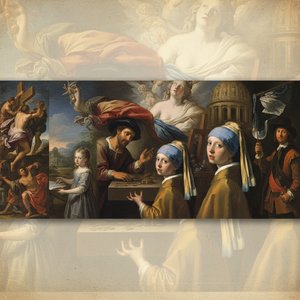
Barocul în Splendoare: Cele Mai Reprezentative 10 Capodopere Artistice | TopImpressionists.ro
Descoperă splendoarea Barocului! Explorează cele mai importante 10 capodopere ale lui Caravaggio, Rembrandt și Rubens. Află poveștile din spatele picturilor iconice și adu eleganța clasică în casa ta cu reproduceri de artă premium pe TopImpressionists.ro
Explorați opere de artă organizate pe teme, stiluri și caracteristici.
