
Shown: · With its frame:
 Previzualizare
 Trimite prin felicitare
 Distribuie
 Detalii despre lucrare
 Ghid
Ghid

 Descarcă imaginea
 Produse similare
 Radiografie
 Galerie foto
 Q&A
Q&A Statistici
 Ulei pe pânză
- Artă de perete
- Barbizon School
 1851
1851- Secolul al XIX-lea
 196.0 x 135.0 cm
 Muzeul d'Orsay
lei 1367
Reproducere pictată manual în ulei
Pictură în ulei pe pânză, pictată manual de artiștii noștri la dimensiunea și ramele dorite de dumneavoastră, pe comandă. ( Comută pe versiunea Print Comută pe Imagine Digitală)
Size
·Standard
personalizat
CM
INCH
Alegeți dintre dimensiunile noastre prestabilite, care respectă proporțiile originale ale operei de artă.
Loading sizes...

lățime
înălțime
Introduceți lățimea și înălțimea necesare pentru a se potrivi ramei sau peretelui dumneavoastră. Această lucrare este pictată manual, așa că, pentru o dimensiune cu o formă diferită, artistul poate picta puțin mai mult în jurul imaginii sau poate tăia puțin din margini — dumneavoastră decideți. Vă vom trimite o simulare digitală pentru aprobare înainte de a începe pictarea. Imaginea afișată pe această pagină nu reprezintă rezultatul real — doar simularea este reprezentativă.
 Citește mai mult
Finish
·
White lei1

Blurside lei1

Extended lei1

P118B lei10

P118H lei10

P118W lei10

P438Z lei10

P508JH lei12

P508YH lei12

P805H lei10

P805Z lei10

P919BZ lei10

P919G lei10

P919XJ lei10

P959ZH lei10

P968JZ lei12

W106C lei8

W218G lei10

W218JH lei8

W218Y lei10

W307PJ lei10

W316G lei10

W316PJ lei8

W316Y lei10

W398PJ lei8

W4111J lei10

W500HY lei15

W500JH lei15

W692G lei12

W849H lei8

W940BG lei15

W953PJ lei8

H24-GOLD lei30

H24-SILVER lei30

H36-GOLD lei45

H36-SILVER lei45
Shipped in a protective tube, ready for your own framer.
Above 105 cm the frame is shipped as a kit for a professional framer — read the details.
Extras
optionalWhat do the extras include?
Examples of what can be changed: Replace face with customer photo; Add pet (e.g., replace cat with dog); Include hidden message in background; Change background landscape or elements.
After order, TopImpressionists.com team will email client for instructions and provide a mockup preview
After order, TopImpressionists.com team will email client for instructions and provide a mockup preview
Livrare în întreaga lume () în 3-4 săptămâni, în loc de cele 5 săptămâni standard. (29 Octombrie). Fără compromisuri în ceea ce privește calitatea.
Lac de protecție
Etichetă de prezentare
Detalii plăcuță din bronz gravat
This elegant plaque features the artist's name and the title of the artwork, finely engraved for a timeless presentation.
It is made from bronze with a refined, elegant finish. The text is precisely laser-engraved for a sharp and permanent result. Measuring 9x2 cm, the plaque is compact yet easy to read. It's built to be durable and scratch-resistant, offering a professional, museum-quality look. Mounting is simple thanks to the included adhesive backing.
Detalii plăcuță din acril transparent
The plaque includes essential engraved details such as the artist's name, the title of the artwork, the date it was created, the type of media used-like oil on canvas or watercolor-a brief description of the piece, and a QR code that links to the complete artwork information.
It is crafted from clear acrylic, offering a sleek, modern appearance. The text is UV-engraved in black to ensure strong visual contrast. With a size of 10x15 cm, it ensures optimal readability. It comes equipped with two metal hooks for secure wall mounting. The plaque is designed to be weather-resistant, making it suitable for various environments, and it includes interactive features that work seamlessly with smartphone scanning.
Detalii placă din acril negru
This elegant plaque includes engraved information such as the artist's name, the title of the artwork, the date it was created, the type of media used (like oil on canvas or watercolor), a short description of the artwork, and a QR code for quick access to more information.
The plaque itself is made from refined black acrylic with a premium finish. The text is laser-engraved in white for high contrast and readability. Its size is 10x15 cm, designed to be easy to read. It comes with two metal hooks for professional mounting. The design is sleek and fits any interior style. It is also weather-resistant and durable, with built-in digital integration for mobile compatibility.
Opțiunea cu sticlă este disponibilă doar pentru dimensiuni de sub 110 cm
 Opțiunea cu sticlă este disponibilă doar pentru dimensiuni de sub 110 cm
- Livrare expres gratuită la nivel mondial
- Pânză de in de înaltă calitate
- Asigurare completă pentru transport
- Garanție de rambursare a taxelor vamale
- Garanția fidelității culorilor
- Politica de retur în 100 de zile (doar pentru defecte de fabricație)
- Garanție de rambursare 100%
- Ofertă pentru comenzi multiple


Descriere obiect de colecție
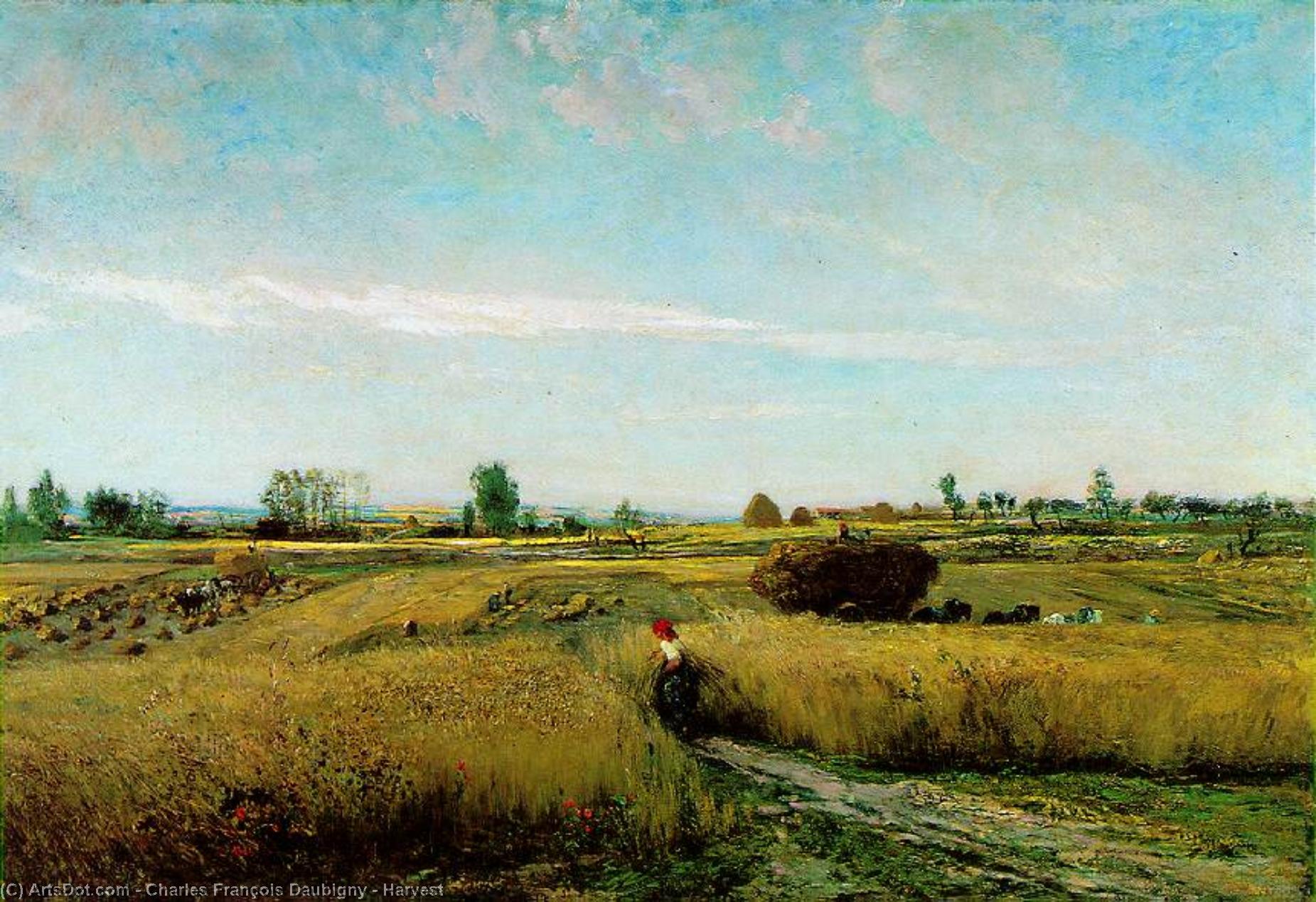
Descoperiți "Culegerea" de Daubigny! O operă barbizon superbă, cu peisaje rurale liniștite și o atmosferă captivantă. O piesă unică pentru iubitorii de artă!
Biografie artist
Descoperiți operele lui Charles-François Daubigny (1817-1878), un precursor al impresionismului și pictor de referință al Școlii de la Barbizon. Admirați peisaje evocatoare, lumină și atmosfera în ulei!
About the painting
Oază de liniște rurală: „Recoltă” de Charles-François Daubigny
„Recoltă”, pictată în 1851 de Charles-François Daubigny, este mai mult decât o simplă reprezentare a unui peisaj rural; este o invitație la contemplare, o fugă într-o lume dominată de pace și armonie cu natura. Această lucrare, parte integrantă a mișcării Barbizon, ne transportă într-un câmp vast, unde iarba înaltă se mișcă ușor sub un cer senin, iar o figură solitară, îmbrăcată într-un șapcă roșie vibrantă, străbate un drum sinuos. Daubigny reușește să surprindă esența ruralității franceze, nu prin idealizare, ci prin observație atentă și sensibilitate profundă. Lucrarea emană o serenitate palpabilă, sugerând o conexiune intimă cu lumea naturală – o temă centrală în opera artistului și a întregii școli Barbizon.Barbizon: O mișcare revoluționară în pictura franceză
Charles-François Daubigny nu a fost doar un pictor, ci un pionier. Alături de Henri Mignan, a pornit într-o călătorie independentă prin Italia în 1836, o experiență care l-a marcat profund și i-a influențat viziunea asupra artei. Întoarcerea sa în Paris l-a condus să se dedice cu pasiune picturii *en plein air* – pictând direct pe fața locului. Această abordare, radicală pentru vremea respectivă, a fost esențială pentru mișcarea Barbizon, care pleda pentru o reprezentare fidelă a naturii, fără a recurge la idealizări sau decoruri elaborate. Daubigny, prin „Recoltă”, demonstrează această viziune, capturând lumina și atmosfera unui peisaj rural autentic, cu toate imperfecțiunile sale. Lucrarea este un precursor important al impresionismului, anticipând accentul pus de acest curent asupra efectelor luminoase și a senzației generale.Tehnica și compoziția: o armonie vizuală subtilă
Compoziția lucrării urmează o orientare orizontală, subliniind vastitatea peisajului. Daubigny utilizează atât linii orizontale cât și verticale pentru a crea un sentiment de echilibru și stabilitate. În prim-plan, iarba înaltă și un mic pâlc sau rigolă atrag privirea spre mijlocul imaginii, unde figura solitară străbate un drum. Fundalul este compus din câmpuri îndepărtate, grupuri de copaci și un cer limpede, cu nori pufoși. Utilizarea culorilor este remarcabilă: tonurile pământii de verde, maro și galben creează o atmosferă naturalistică, în timp ce nuanțele albastre și albe ale cerului adaugă luminozitate scenei. Șapcă roșie purtată de figură servește ca un punct focal puternic, contrastând cu paleta generală de culori și atrăgând atenția privitorului. Daubigny a folosit o tehnică minuțioasă, stratificând vopselele în straturi subțiri pentru a construi volumul și textură, creând o impresie de materialitate și profunzime.Simbolism și emoție: mai mult decât un peisaj
„Recoltă” nu este doar o reprezentare fidelă a unui peisaj rural; ea este încărcată de simbolism. Câmpul de grâu recoltat simbolizează abundența, munca grea și legătura dintre om și natură – teme centrale în cultura franceză. Figura solitară, cu șapcă roșie, poate fi interpretată ca un simbol al singurătății sau al contemplării, dar și al respectului pentru pământ. Lumina blândă și atmosfera liniștitoare invită la o stare de bine și introspecție. Lucrarea evocă sentimente de pace, armonie și conectare cu natura – emoții pe care Daubigny le-a reușit să le transmită cu măiestrie prin tehnica sa impecabilă și sensibilitatea sa artistică. „Recoltă” este o operă de artă care continuă să fascineze și să inspire, oferind o fugă plăcută din agitația vieții moderne.Întrebări și răspunsuri
Cum este descrisă paleta de culori din "Culegerea" de Charles-François Daubigny?
Paleta lui "Culegerea" de Charles-François Daubigny este descrisă ca fiind Culori neutre, oferind o descriere concisă a culorilor lucrării.
„Culegerea” prezintă contraste puternice între lumină și întuneric?
Nivelul de contrast al operei "Culegerea" de Charles-François Daubigny este Contrast maxim.
Cât de intense sunt culorile din "Culegerea"?
Culorile din "Culegerea" de Charles-François Daubigny prezintă o saturație de Nuanțe echilibrate și lineare cu o intensitate de Echilibrat.
Quick facts and art quiz
About Charles-François Daubigny

Charles-François Daubigny
1817 - 1878, Franța
Biografie artist
A Pioneer of Atmospheric Impressionism: The Life and Art of Charles-François Daubigny
Charles-François Daubigny, born in Paris in 1817, emerged from a family deeply intertwined with the world of art—his father, Edmé François Daubigny, and uncle, Pierre Daubigny, both established painters. This familial legacy provided him with an early foundation, yet Charles quickly sought to forge his own distinctive path, moving beyond the constraints of academic tradition toward a more direct and intimate engagement with the natural world. His initial training under Paul Delaroche instilled in him valuable technical skills, but it was a transformative journey through Italy in 1836, undertaken independently alongside fellow artist Henri Mignan, that truly ignited his artistic vision. This experience profoundly shaped his perspective, fostering an appreciation for landscape not as idealized scenery, but as a vibrant, ever-changing entity—a living, breathing testament to nature’s power and beauty. Returning to Paris, Daubigny skillfully balanced commercial commissions – illustrating books and adorning decorative panels – with his burgeoning passion for *plein air* painting, a practice that would become the cornerstone of his artistic career. He found himself part of a thriving artistic community centered at the Rue des Amandiers-Popincourt, fostering collaboration and shared exploration of innovative approaches to art.The Barbizon Circle and the Embrace of Nature
Daubigny’s artistic trajectory took a decisive turn in 1843 when he settled in Barbizon, a small hamlet nestled within the heart of the Forest of Fontainebleau. This marked his formal association with the Barbizon School, a group of artists who deliberately rejected the polished, artificial aesthetic of academic painting, instead championing direct observation and honest representation of rural life and the landscape. Unlike earlier landscape painters who often sketched outdoors before completing their works in the studio, the Barbizon artists – including Théodore Rousseau, Jean-François Millet, and Camille Corot – embraced *en plein air* painting as a fundamental principle. Daubigny’s friendship with Corot proved particularly influential; together they spent countless hours exploring the forests of Fontainebleau, meticulously capturing the subtle nuances of light, shadow, and atmosphere—a shared dedication to rendering nature's ephemeral qualities. A unique aspect of Daubigny’s practice was his invention of the “Botin,” a specially designed boat that he utilized to navigate the rivers – primarily the Seine and the Oise – allowing him unparalleled access to diverse landscapes and fostering an incredibly intimate connection with the natural world. This mobile studio became inextricably linked to his artistic process, symbolizing his commitment to painting directly from life and experiencing nature firsthand.A Bridge Between Realism and Impressionism
Daubigny’s work occupies a fascinating and somewhat ambiguous position within 19th-century art history—he can be considered both a key figure of the Barbizon School and a crucial precursor to the burgeoning Impressionist movement. While firmly rooted in the Barbizon tradition's emphasis on faithful representation and sincerity, his paintings increasingly demonstrated an awareness of fleeting moments, subjective perception, and atmospheric effects – qualities that would later become hallmarks of Impressionism. He experimented with innovative techniques such as *cliché verre*, a process combining photography and printmaking, showcasing a willingness to embrace new technologies and artistic possibilities. His landscapes are characterized by broad, loose brushstrokes, a muted color palette, and a deliberate focus on capturing the transient qualities of light and weather. Paintings like “Harvest” (1857) and “The Ponds of Gylieu” (1864) exemplify his ability to evoke mood and atmosphere, transporting the viewer into the very heart of the French countryside. He wasn’t simply recording what he saw; he was conveying *how* it felt to be present in that moment—the scent of damp earth, the warmth of the sun, the rustle of leaves.Notable Works and Lasting Influence
Charles-François Daubigny left behind a substantial body of work that continues to captivate viewers today. His most celebrated paintings include “Harvest” (1857), a vibrant depiction of rural life bathed in golden light; "The Ponds of Gylieu" (1864), showcasing his mastery of landscape and atmospheric perspective; “Moonlight” (1865), a hauntingly beautiful portrayal of nocturnal scenes with subtle shifts in light; and “Auvers-sur-Oise” (1868), a captivating depiction of the French countryside. Beyond these individual works, Daubigny’s influence extended far beyond his immediate circle of students – including his son, Karl, Achille Oudinot, and Hippolyte Camille Delpy – inspiring generations of landscape painters to embrace *plein air* painting and prioritize direct observation. He played a pivotal role in fostering connections between the Barbizon School and the nascent Impressionist movement, introducing artists like Claude Monet and Paul Cézanne to new ways of seeing and representing the world. Daubigny’s commitment to capturing the essence of nature, his innovative techniques, and his willingness to experiment cemented his place as a pivotal figure in the transition from realism to modern art—a true pioneer whose legacy continues to resonate within the realm of landscape painting. His paintings are now treasured possessions in museums across Europe, offering a glimpse into the soul of 19th-century France.A Final Note
Daubigny’s life and work were marked by a deep love for nature and an unwavering dedication to his artistic vision. He died in Paris in 1878, leaving behind a rich artistic legacy that continues to inspire artists and art lovers alike. His paintings serve as a reminder of the power of observation, the beauty of the natural world, and the enduring spirit of innovation within the realm of art.Quick facts about Charles-François Daubigny
- Artistic Movement Or Style: Școala de la Barbizon, Impressionism
- Artists Or Movements Influenced By This Artist:
- Impressionism
- Barbizon
- Artists Who Influenced This Artist:
- Corot
- Courbet
- Date Of Birth: 15 Feb 1817
- Date Of Death: 19 Feb 1878
- Full Name: Charles-François Daubigny
- Nationality: Francez
- Notable Artworks:
- Harvest (1857)
- Pontișor Gylieu (1864)
- Lumină (1865)
- Auvers-sur-Oise (1868)
- Place Of Birth: Paris, Franța
Opere similare

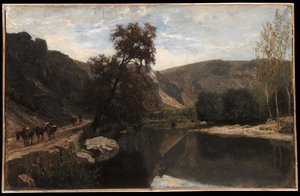


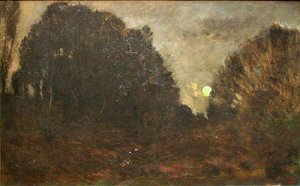


Explorați opere de artă organizate pe teme, stiluri și caracteristici.


Charles-François Daubigny
Culegerea
() ·
With its frame: · Hand-painted in oil on linen
Total