


 Vezi în context
 Trimite
 Distribuie
 Detalii
 Ghidul

 Descarcă
 Produse similare
 Radiografie
 Diaporama
 Statistici
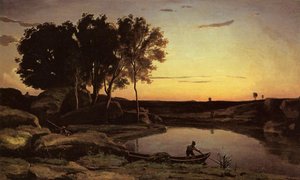
Evening Glow


Experience 'Evening Glow' by Dwight William Tryon – a stunning tonalist landscape capturing serene nature & sunset hues. Hand-painted reproduction available.
Dwight William Tryon (1849-1925) a fost un pictor tonalist american renumit pentru peisaje și scene marine serene. Influențat de Whistler, paleta sa delicată și atmosfera evocatoare surprind scene idilice din natură.
 Citește mai mult
Giclée / Imprimare artistică
Printuri giclée sau pe canvas de calitate muzeală, cu proces de producție rapid și opțiuni flexibile de finisare. ( Comandă pictură realizată manual Treci la imagine digitală)




P118B lei10

P118H lei10

P118W lei10

P438Z lei10

P508JH lei12

P508YH lei12

P805H lei10

P805Z lei10

P919BZ lei10

P919G lei10

P919XJ lei10

P959ZH lei10

P968JZ lei12

W106C lei8

W218G lei10

W218JH lei8

W218Y lei10

W307PJ lei10

W316G lei10

W316PJ lei8

W316Y lei10

W398PJ lei8

W4111J lei10

W500HY lei15

W500JH lei15

W692G lei12

W849H lei8

W940BG lei15

W953PJ lei8




Dimensiuni standard
personalizat
CM
INCH
Alegeți dintre dimensiunile noastre prestabilite, care respectă proporțiile originale ale operei de artă.
Loading sizes...

lățime
înălțime
Introduceți lățimea și înălțimea de care aveți nevoie, pentru a se potrivi ramei sau peretelui dumneavoastră. O printare poate fi doar tăiată, niciodată extinsă dincolo de dimensiunea imaginii originale, astfel încât o dimensiune cu o formă diferită va pierde o parte din imagine. Vă trimitem o simulare digitală pentru aprobare înainte de a imprima orice. Imaginea afișată pe această pagină nu prezintă tăierea reală — doar simularea arată acest lucru.
Livrare în întreaga lume () în 2 săptămâni, în loc de cele 4/5 săptămâni standard. (22 Octombrie)

Livrare expres gratuită la nivel mondial

Pânză de in premium

Asigurare completă pentru transport

Garanție de rambursare a taxelor vamale

Garanția fidelității culorilor

Politica de retur în 100 de zile (doar pentru defecte)

Garanție de rambursare 100%

Reducere pentru comenzi multiple
 Opțiunea cu sticlă este disponibilă doar pentru dimensiuni de sub 110 cm

Evening Glow
Giclée / Imprimare artistică
Dimensiune reproducere
-


Preț total
lei 319
Opere similare




Biografie artist
Early Life and Artistic Beginnings
Dwight William Tryon’s story begins in the heart of Connecticut, specifically in Hartford, a city steeped in artistic tradition. Born on August 13, 1849, to Anson Tryon – a respected builder – and Delia O. Roberts, his early life was marked by both privilege and profound loss. The untimely death of his father at a young age profoundly shaped his character and instilled within him a deep appreciation for the quiet beauty of the natural world. Consequently, he spent much of his childhood on his grandparents’ farm in East Hartford, an immersion in rural landscapes that would become the bedrock of his artistic vision. This experience wasn't merely nostalgic; it ignited a nascent talent, fostering an innate ability to observe and translate the subtle nuances of light, shadow, and color onto paper. Without formal training initially, Tryon’s artistic journey began organically. He found solace and instruction in a local bookstore, not just as a customer but as an employee, meticulously studying art manuals and absorbing techniques from printed sources. This self-directed education was supplemented by countless hours spent sketching the surrounding countryside – the rolling hills, the meandering rivers, and the ever-changing skies of Connecticut. His dedication culminated in his first sale in 1870, a modest beginning that nonetheless fueled his ambition and signaled the emergence of a promising talent. Subsequent local exhibitions further validated his skill, hinting at a career destined for wider recognition. His acceptance into the National Academy of Design in 1873 marked a pivotal moment, providing him with formal training and access to a broader artistic community.European Influences and the Shaping of a Style
Driven by an unwavering desire for refined instruction, Tryon embarked on a transformative journey to France in 1876. This move represented more than just a relocation; it was a deliberate pursuit of artistic enlightenment. He enrolled at the École des Beaux-Arts in Paris, immersing himself completely within the vibrant and influential artistic currents of Europe. However, his education extended far beyond the confines of the classroom. Recognizing the value of direct experience, he actively sought guidance from some of the era’s most celebrated artists – Jacquesson de la Chevreuse, Charles-François Daubigny, Henri Harpignies, and Jean Baptiste-Antoine Guillemet. Each of these masters imparted their unique techniques and philosophies, shaping Tryon's approach to composition, color theory, and brushwork. Initially, his style leaned towards Luminism – a movement characterized by its emphasis on atmospheric effects, the delicate rendering of light, and a sense of ethereal beauty. Yet, as he spent time in France, surrounded by the burgeoning Impressionist movement, Tryon’s artistic path began to diverge. He was drawn to the principles of the Barbizon School—a revolutionary movement that prioritized direct observation of nature, eschewed artificial studio lighting, and favored a more subdued palette. The Barbizon artists sought to capture the essence of the landscape as it appeared in natural light, rejecting the idealized forms and dramatic contrasts of earlier academic painting. Tryon’s exposure to this approach proved profoundly influential, leading him to embrace a style that valued quiet contemplation, atmospheric depth, and the subtle interplay of color. The works of James McNeill Whistler, particularly his tonalist paintings, exerted a significant influence on Tryon's development, encouraging him to explore the expressive potential of tone and shade.Mature Style and Atmospheric Landscapes
By the late 1880s, Dwight William Tryon had fully realized his distinctive artistic style – a signature approach that would define his legacy as a leading American Tonalist. His canvases frequently featured a carefully orchestrated composition: a grouping or broken row of trees positioned in the middle distance, acting as a visual bridge between a luminous sky above and a foreground marsh or pasture below. This arrangement created a sense of depth and perspective while simultaneously emphasizing the relationship between earth and sky. These scenes were often imbued with autumnal hues – rich browns, deep greens, and muted yellows – evoking a profound sense of tranquility, melancholy, and the passage of time. Beyond landscapes, Tryon also excelled at capturing the beauty of the sea, utilizing pastel to create evocative depictions of water, sky, and shoreline under varying weather conditions. His mastery lay not in dramatic detail or bold color contrasts, but rather in his ability to convey atmosphere – the subtle shifts in light, the delicate play of color, and the overall mood of a scene. *Salt-Marsh, December*, which garnered first prize at the Tennessee Centennial Exposition in 1897, stands as a prime example of this skill, showcasing his talent for capturing the serene beauty of the natural world with remarkable subtlety and precision. His paintings were consistently exhibited nationally, gaining recognition at prestigious venues such as the Pennsylvania Academy of Fine Arts and the Montross Gallery, solidifying his reputation within the American art community.Patronage, Recognition, and Lasting Legacy
The trajectory of Tryon’s career was significantly enhanced by his relationship with Charles Lang Freer, a discerning collector who became his most important patron. Freer, an industrialist with a deep appreciation for art, acquired dozens of Tryon's works, providing the artist with financial security and enabling him to dedicate himself fully to his craft. This generous support allowed Tryon to continue producing at a prolific rate, resulting in a substantial body of work that continues to be admired today. Furthermore, Freer’s commitment to American art led him to donate many of Tryon's paintings to the Smithsonian Institution, where they now reside in the Freer Gallery of Art in Washington, D.C. In 1908, Tryon received the prestigious Carnegie Prize at the Carnegie Exhibition – a testament to his artistic merit and recognition by his peers. Throughout his career, he remained an active member of several prominent art organizations, including the Society of American Artists, the American Watercolor Society, and the National Institute of Arts and Letters (now the American Academy of Arts and Letters), further cementing his place within the broader artistic landscape. In 1887, Tryon established a summer home in South Dartmouth, Massachusetts – a tranquil retreat where he continued to paint and refine his technique until his death in 1925. He also dedicated himself to education, teaching painting and drawing at Smith College from 1886 to 1923, where he founded the Tryon Gallery of Art—a lasting contribution to the college’s artistic heritage. Dwight William Tryon passed away in 1925, leaving behind a rich artistic legacy defined by his profound connection to nature, his masterful manipulation of atmosphere, and his enduring influence on American Tonalism. His works continue to be celebrated for their quiet beauty, evocative mood, and the timeless appeal of the natural world.
Dwight William Tryon
1849 - 1925 , Statele Unite ale Americii
Informații rapide
- Artistic Movement Or Style: Tonalism, Barbizon
- Artists Or Movements Influenced By This Artist: ['Impressionism']
- Artists Who Influenced This Artist:
- Daubigny
- Whistler
- Harpignies
- Date Of Birth: 13 aug. 1849
- Date Of Death: 1 iul. 1925
- Full Name: Dwight William Tryon
- Nationality: American
- Notable Artworks:
- Salt-Marsh
- Spring
- Haystacks
- Place Of Birth: Hartford, USA
Articole conexe

The Magic of Tonalism: Capturing Mood, Mist, and Atmospheric Emotion in Landscape Art
Discover the ethereal beauty of Tonalism. Explore how master artists use mist, soft light, and muted palettes to capture profound emotion and atmospheric mood in landscape painting. A deep dive into this quiet, introspective art movement for true connoisseurs.

Drama in Nature: The Captivating Grandeur of Baroque Landscapes and the Art of Emotional Spectacle
Explore the breathtaking drama of Baroque landscapes. From Rubens's grand vistas to the mastery of chiaroscuro, discover how 17th-century artists transformed nature into a theatrical stage of emotion and light. A deep dive for true art enthusiasts.