Previzualizare
 Trimite prin felicitare
 Distribuie
 Detalii despre lucrare
 Ghid
Ghid

 Descarcă imaginea
 Produse similare
 Radiografie
 Galerie foto
 Întrebări și răspunsuri
 Statistici
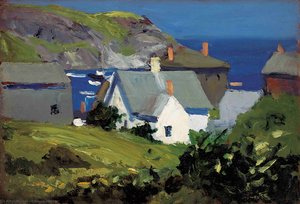
Corn Hill

- 72.0 x 107.0 cm


Explore Edward Hopper’s ‘Corn Hill’ (1930). A serene landscape painting of dunes & houses, showcasing American Impressionism's beauty & solitude. Discover this evocative artwork.
 Vezi mai mult
Edward Hopper: Un maestru al realismului american, surprinde singurătatea și viața urbană cu lumină și umbre evocatoare. Descoperiți picturi iconice precum Nighthawks și Monhegan Houses.
Lucrarea de artă afișată pe această pagină este protejată de legile privind drepturile de autor, ceea ce înseamnă că nu putem crea sau vinde în mod legal o reproducere identică. Această protecție este garantată prin acorduri internaționale, precum Convenția de la Berna și de legile naționale, inclusiv cele prevăzute de Legea dreptului de autor din S.U.A. – Titlul 17. Toate drepturile rezervate. Orice reproducere neautorizată este interzisă.
Această metodă respectă pe deplin reglementările privind drepturile de autor, deoarece nu implică copierea sau duplicarea operei protejate. În schimb, este o reinterpretare creativă – o pictură nouă, influențată de original, dar care nu este identică cu acesta.
Giclée / Imprimare artistică
Printuri giclée sau pe canvas de calitate muzeală, cu proces de producție rapid și opțiuni flexibile de finisare. ( Comandă pictură realizată manual Comută pe Imagine Digitală)




P118B lei10

P118H lei10

P118W lei10

P438Z lei10

P508JH lei12

P508YH lei12

P805H lei10

P805Z lei10

P919BZ lei10

P919G lei10

P919XJ lei10

P959ZH lei10

P968JZ lei12

W106C lei8

W218G lei10

W218JH lei8

W218Y lei10

W307PJ lei10

W316G lei10

W316PJ lei8

W316Y lei10

W398PJ lei8

W4111J lei10

W500HY lei15

W500JH lei15

W692G lei12

W849H lei8

W940BG lei15

W953PJ lei8




Standard
personalizat
CM
INCH
Alegeți dintre dimensiunile noastre prestabilite, care respectă proporțiile originale ale operei de artă.
Loading sizes...

lățime
înălțime
Introduceți lățimea și înălțimea necesare pentru a se potrivi ramei sau peretelui dumneavoastră. O printare poate fi doar tăiată, niciodată extinsă dincolo de dimensiunea imaginii originale, astfel încât o dimensiune cu o formă diferită va pierde o parte din imagine. Vă trimitem o simulare digitală pentru aprobare înainte de a imprima orice. Imaginea afișată pe această pagină nu prezintă tăierea reală — doar simularea arată acest lucru.
Livrare în întreaga lume () în 2 săptămâni, în loc de cele 4/5 săptămâni standard. (8 Noiembrie)

Livrare expres gratuită la nivel mondial

Pânză de in de înaltă calitate

Asigurare completă pentru transport

Garanție de rambursare a taxelor vamale

Garanția fidelității culorilor

Politica de retur în 100 de zile (doar pentru defecte de fabricație)

Garanție de rambursare 100%

Ofertă pentru comenzi multiple
 Opțiunea cu sticlă este disponibilă doar pentru dimensiuni de sub 110 cm

Corn Hill
Giclée / Imprimare artistică
Dimensiune reproducere
-


Preț total calculat
lei 334
A Solitary Gaze: Edward Hopper’s “Corn Hill”
Edward Hopper's "Corn Hill," painted in 1930, isn’t merely a depiction of a rural landscape; it’s a poignant meditation on isolation and the quiet dignity of human existence within the vastness of nature. This oil-on-canvas masterpiece, currently residing at the McNay Art Museum in San Antonio, Texas, captures a fleeting moment along the Cape Cod coast, yet resonates with an enduring sense of melancholy that has captivated viewers for decades. Hopper, a master of American Realism, skillfully employs light and shadow to evoke not just a scene, but a feeling—a subtle yearning for connection amidst a world often defined by solitude.
Composition and Technique: A Study in Light and Perspective
The painting’s composition is deceptively simple. A cluster of modest houses, rendered with Hopper's signature precision and restraint, nestles upon the crest of a rolling dune. The perspective isn’t aggressively linear; instead, it’s subtly flattened, creating an almost dreamlike quality. This deliberate avoidance of strict realism contributes to the painting’s emotional impact, suggesting a world viewed through a contemplative lens. Hopper's masterful use of light is particularly noteworthy. A diffused sunlight streams down upon the houses and the surrounding landscape, casting long shadows that emphasize their isolation. The color palette—primarily ochre, yellow, and muted blues—is restrained yet evocative, lending a sense of quiet dignity to the scene. Notice how he uses variations in tone to create depth and texture, from the smooth expanse of the dunes to the rougher contours of the buildings.
Symbolism and Narrative Resonance
“Corn Hill” is rich with symbolic meaning. The isolated houses represent not just dwellings but also the human need for connection—a desire that often goes unfulfilled in a modern world. The vastness of the dune field underscores this sense of isolation, suggesting a vulnerability against the power of nature. The painting’s title itself, “Corn Hill,” subtly references the historical significance of the site – the location where Pilgrims stole corn from the Nauset tribe, highlighting themes of survival and adaptation. Hopper's inclusion of these details invites viewers to contemplate the relationship between humanity and its environment, as well as the enduring legacy of past events.
Hopper’s Legacy: A Portrait of Modern America
“Corn Hill” is a quintessential example of Edward Hopper's artistic vision. Painted during a period of significant social and economic change in America, it reflects the growing sense of alienation and uncertainty that characterized the era. Hopper’s work resonated deeply with audiences because it captured the quiet realities of everyday life—the loneliness, the unspoken desires, and the subtle beauty found within the mundane. His paintings continue to be studied and admired for their ability to evoke powerful emotions through deceptively simple compositions and masterful use of light and color. “Corn Hill” stands as a testament to Hopper’s enduring legacy as one of America's most important artists, offering a timeless reflection on the human condition.
Întrebări și răspunsuri
Ce dimensiune se recomandă pentru "Corn Hill" într-un Living Room?
Pentru o Living Room, recomandăm pentru "Corn Hill" o dimensiune de tipar de Large.
"Corn Hill" de Edward Hopper este o compoziție de tip portret, peisaj sau pătrată?
"Corn Hill" de Edward Hopper este o compoziție de tip Landscape. Proporțiile merită verificate înainte de a alege dimensiunea printului.
Ce utilizare și ce spațiu sunt recomandate pentru "Corn Hill" de Edward Hopper?
Cele două recomandări pentru "Corn Hill" de Edward Hopper sunt utilizarea în (Reflective) și spațiul (Living Room).


Biografie artist
A Solitude Observată: Viața și Arta lui Edward Hopper
Edward Hopper, un nume inextricabil legat de liniștea și melancolia subtilă care permează viața americană a secolului XX, nu era doar pictor de scene; era poet al luminii și umbrei, cronist al izolării moderne. Născut în Nyack, New York, în 1882, într-o familie mijlocie de origine olandeză, primii ani ai lui Hopper au fost marcați de un mediu stabil care a hrănit aspirațiile sale artistice. De la schițe timpurii, meticulos date și semnate, a devenit evident că observația atentă și talentul innscris pentru desen erau elemente centrale ale ființei sale. Deși inițial încurajat spre ilustrație comercială – o sugestie pragmatică din partea părinților săi –, ambițiile lui Hopper se îndreptau către arta fină, conducându-l la Școala de Artă New York unde a studiat sub William Merritt Chase și Robert Henri. Acești ani formativi nu numai că i-au insuflat o tehnică solidă, ci și o apreciere pentru realism și un angajament față de reprezentarea lumii așa cum o vedea – neîmbucurată și onestă. Scrierile lui Ralph Waldo Emerson au rezonat profund cu Hopper, întărind sentimentul său de individualism și observație acută – calități care să devină marcatorii viziunii sale artistice. Călătoriile timpurii în Paris l-au expus la Impresionism, dar Hopper s-a departat rapid de pensulelor lor fugare, modelând o cale unică, distinctă.Găsirea Vocii Sale: Realismul și Scena Americană
Călătoria artistică a lui Hopper nu a fost imediată sau ușoară. A luptat să descopere vocea sa distinctivă, experimentând cu diferite stiluri înainte de a se stabili în realismul care i-ar defini cariera. Acest lucru nu era o simplă replicare a realității; era o distilare a acesteia, eliminând detaliile inutile pentru a dezvălui adevărurile emoționale subiacente. Picturile sale au început să se concentreze pe scene cotidiene – case, restaurante, birouri, camere de hotel – impregnate cu un sentiment de liniște și adesea, singurătate. El poseda o capacitate extraordinară de a surprinde stările psihologice ale subiecților săi, sugerând narațiuni fără a le declara explicit. Detaliile precise ale luminii și umbrelor au devenit cruciale, nu doar ca elemente descriptive, ci și ca indicii emoționale, creând atmosfere care erau atât captivante cât și tulburătoare. House by the Railroad (1925), o capodoperă timpurie, exemplifică această abordare – o compoziție aparent simplă care radiază un sentiment profund de izolare și mister. Stilul său de gravură, adesea trecut cu vederea, a mers în paralel cu pictura, împărtășind teme similare și calități stilistice, demonstrând măiestria sa în diferite medii. Nu era interesat de narațiuni istorice ample sau simbolism alegoric; s-a concentrat pe banalul, ridicându-l la o valoare prin observație atentă și rezonanță emoțională.Viziuni Iconice: Nighthawks și Dincolo
Deși cariera lui Hopper a evoluat gradual, anumite opere l-au propulsat către recunoaștere pe scară largă. Nighthawks (1942), probabil cea mai faimoasă pictură a sa, a devenit imediat un simbol al vieții americane moderne. Scena de restaurant în noapte târzie, luminată de fluorescente puternice, captează perfect singurătatea și anonimatul indivizilor într-un oraș. Figurile din interior sunt pierdute în propriile gânduri, deconectate unele de altele, chiar și în apropiere – un comentariu poignant asupra condiției umane. Gas (1940), cu reprezentarea sa impresionantă a unei benzinării secundare, evidențiază fascinația lui Hopper pentru peisajul american și cultura automobilistică în creștere. Alte opere notabile precum *Automat*, *Office in a Small City* și *Summertime* oferă fiecare perspective unice asupra complexităților societății americane din secolul XX. Aceste picturi nu erau doar reprezentări ale locurilor; erau explorări de stare, psihologie și dramatismul subtil care se desfășoară în scene obișnuite. Soția sa, Josephine Nivison Hopper, a jucat un rol esențial nu numai ca parteneră de viață, ci și ca model frecvent, contribuind semnificativ la caracterizarea figurilor feminine din picturile sale.Temele și Moștenirea: O Influență Durabilă
Mai multe teme recurente străpungează operele lui Hopper. Izolarea urbană este probabil cea mai proeminentă – sentimentul de singurătate experimentat de indivizi chiar în mijlocul mulțimilor. El a explorat peisajul american, atât rural cât și urban, adesea subliniind aspra sa estetică și goliciunea acestuia. Lucrarea sa abordează realismul psihologic, investigând viețile interioare ale subiecților săi cu o sensibilitate care depășește simpla reprezentare. Există și un subtext al nostalgiei pentru un trecut mai simplu, juxtapus cu o recunoaștere a complexităților și anxietăților vieții moderne. Influența lui Hopper asupra artiștilor următori este incontestabilă. Stilul său unic a inspirat numeroși pictori, inclusiv Pierre Sanford Ross, și continuă să rezoneze cu artiștii contemporani care caută să capteze esența experienței umane. Picturile sale rămân căutate de colecționari și sunt expuse în muzee importante din întreaga lume, consolidând locul său ca figură cheie în istoria artei americane. Mai mult decât un artist, Edward Hopper a fost un filosof vizual, oferind perspective profunde asupra condiției umane prin măiestria sa în utilizarea luminii, umbrelor și compoziției.
Edward Hopper
1931 - 1967 , Statele Unite ale Americii
Detalii rapide
- Artistic Movement Or Style: Realism
- Artists Or Movements Influenced By This Artist: ['Ross']
- Artists Who Influenced This Artist:
- Chase
- Henri
- Date Of Birth: 22 iulie 1882
- Date Of Death: 15 mai 1967
- Full Name: Edward Hopper
- Nationality: American
- Notable Artworks:
- Nighthawks
- House by Railroad
- Gas
- Place Of Birth: Nyack, SUA
Articole similare

Capturing the Soul of Nature: A Journey Through the Sublime Majesty of American Romanticism
Explore the breathtaking beauty of American Romanticism. Discover how Hudson River School masters captured the sublime spirit of the wilderness through luminous oil landscapes and emotional depth. A journey into the soul of nature for the true art enthusiast.

Capturing the Light: A Journey Through the Soul of American Impressionism and the Hudson River School
Explore the luminous beauty of American Impressionism and the Hudson River School. Discover a curated journey through light, landscape, and history, celebrating the enduring legacy of masters through exquisite, hand-painted oil reproductions for the discerning art lover.
Explorați opere de artă organizate pe teme, stiluri și caracteristici.