
 Previzualizare
 Trimite prin felicitare
 Distribuie
 Detalii despre lucrare
 Ghid
Ghid

 Descarcă imaginea
 Produse similare
 Radiografie
 Galerie foto
 Întrebări și răspunsuri
 Statistici
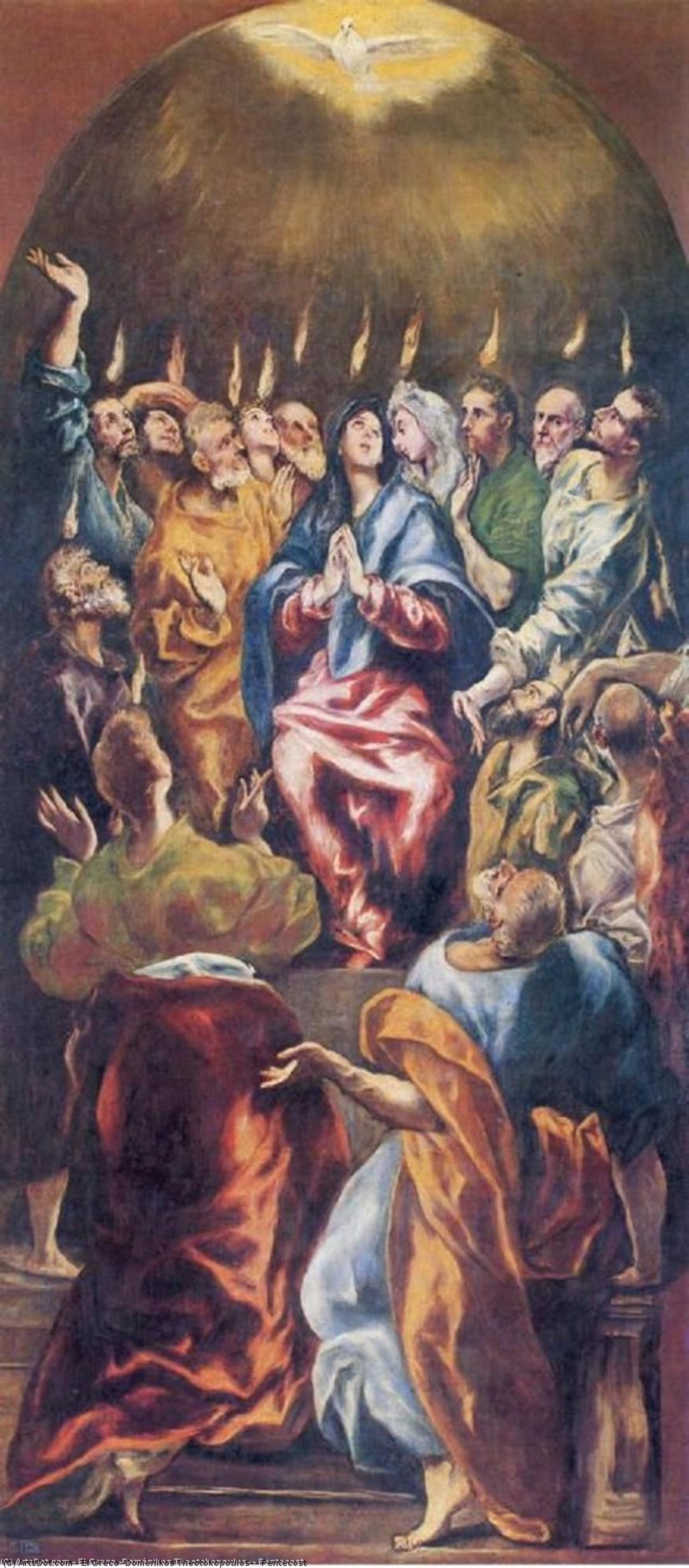
Pentecost


Experience El Greco's "Pentecost" – a dramatic depiction of the Holy Spirit’s descent, brimming with symbolism and emotion. A masterpiece from the Prado Museum, now available as a stunning hand-painted reproduction.
 Vezi mai mult
În ulei pe pânză, pictură impresionistă inspirată de sculptura greacă Laocoön și Fiilor săi. El Greco surprinde dramatismul sfârșitului său în Toledo.
Obțineți un fișier gata de imprimare care depășește cu mult calitatea previzualizării web. Fiecare imagine digitală pe care o vindem provine dintr-un master de înaltă rezoluție din baza noastră de date — având, de regulă, o lățime între 5.000 și 15.000 de pixeli — astfel încât să puteți printa în format mare, să decupați strâns sau să reproduceți detalii fine cu încredere.
Niciun fișier nu părăsește studioul nostru fără să fie tratat. Un expert digital verifică nuanțele de culoare în raport cu pictura originală și le corectează acolo unde este necesar, apoi îmbunătățește claritatea și detaliile folosind instrumente profesionale de retușare — rămânând întotdeauna fidel gestului pictural și stilului artistului. Rezultatul este o imagine care seamănă cu tabloul propriu-zis, nu cu o scanare filtrată.
Aprobați înainte de finalizare: expertul nostru vă va trimite imaginea prin e-mail în termen de 72 de ore pentru revizuire. Nu sunteți mulțumit? Solicitați îmbunătățiri sau corecturi, ori cereți o restituire a plății dacă calitatea nu este pe măsura așteptărilor.
Aceasta este calitatea pe care se bazează editorii, studiourile de design, galeriile și tipăriturile.
Imagine Digitală
Descărcați un fișier la rezoluție înaltă pentru afișare personală, imprimare și proiecte creative. ( Comută pe versiunea Print Comandă pictură realizată manual)
Inclus în fiecare comandă de imagini digitale
Livrare digitală de expertiză, garantată
Când alegeți TopImpressionists.com, nu primiți doar o simplă imagine – primiți o operă de artă digitală îmbunătățită profesional, creată cu precizie și susținută de o garanție de satisfacție. Iată tot ceea ce primești odată cu comanda ta, în mod automat:

Livrare rapidă prin e-mail
Fișierul imaginii digitale la rezoluție înaltă vă va fi trimis prin e-mail în termen de 72 de ore de la finalizarea comenzii – gata pentru utilizare imediată.

Fișier digital optimizat prin IA
Opera ta de artă este optimizată profesional prin intermediul unor instrumente AI avansate și al editării manuale, asigurând un nivel maxim de detalii, claritate și acuratețe a culorilor.

Retransmitere gratuită pe viață
Ai șters sau ai pierdut din greșeală fișierul? Nu îți face griji – ți-l vom retrimite oricând, gratuit.

Fără taxe de import – Întotdeauna
Bucură-te instant de noua ta operă de artă, fără taxe vamale, taxe de import sau costuri de livrare – descărcările digitale sunt întotdeauna fără taxe.

Garanția acurateții culorilor
Asigurăm o reflectare cât mai fidelă a culorilor originale în imaginea ta digitală, prin utilizarea unor instrumente profesionale și a proceselor de gestionare a culorii.

Garanție de satisfacție de 100 de zile
Dacă nu sunteți mulțumit de imaginea digitală achiziționată, o vom revizui sau vă vom returna 100% în termen de 100 de zile – fără nicio întrebare.

Garanție de returnare 100% a banilor
Nu ești mulțumit? Primești rambursarea integrală în termen de 100 de zile de la primirea fișierului digital – fără nicio întrebare.

Reduceri pentru comenzi în volum
Cumpără 3 imagini, economisește 10% - Cumpără 5, economisește 15% - Cumpără 10+, economisește 20%. Ideal pentru proiecte creative, galerii și agenții.
Introduction
The Pentecost is a painting by the renowned artist El Greco (Doménikos Theotokopoulos), created between 1596 and 1600. This masterpiece is an oil on canvas painting, which measures 275 x 127 cm, and is currently housed in the Museo del Prado in Madrid, Spain.Artist Background
El Greco was a Greek painter, sculptor, and architect who was born in Crete in 1541. He trained as an icon painter in the late-Byzantine tradition before moving to Venice in 1567, where he absorbed the Mannerist and Renaissance styles. After a study trip through Italy, he settled in Rome, where he became part of the intellectual circle around Cardinal Alejandro Farnesio. In 1572, he joined the Roman Guild—the Academy of San Lucas—which allowed him to open his own workshop. He later moved to Spain with the intention of working for King Philip II, as the monastery of El Escorial was being decorated in the spring of 1577.Style and Technique
The Pentecost is a Mannerist painting that showcases El Greco's innovative use of light and shadow, as well as his ability to create dramatic and emotional scenes. The painting features elongated figures, exaggerated gestures, and a complex composition that draws the viewer's attention to the central figure of the Virgin Mary.History
The Pentecost was created for the church of the monastery Lady Mary of Aragon in Madrid. The altarpiece also included an Annunciation, Baptism, Crucifixion, and Resurrection. El Greco made this painting as part of an altarpiece for the church of the monastery Lady Mary of Aragon in Madrid.Symbolism
The Pentecost is a biblical scene that depicts the descent of the Holy Spirit upon the Apostles and other followers of Jesus Christ, as described in the New Testament's Acts of the Apostles (Acts 2:1-4). The painting shows the Virgin Mary surrounded by the twelve apostles, who are depicted with halos and wings. The dove at the top of the painting represents the Holy Spirit, while the flames on the heads of the apostles symbolize the gift of tongues.Conclusion
The Pentecost is a masterpiece by El Greco that showcases his innovative style and technique. The painting's history and symbolism make it an important work of art in the context of the Spanish Renaissance, and its emotional impact continues to captivate viewers today. If you are interested in learning more about this painting or other works by El Greco, please visit our website at https://TopImpressionists.com.References
- El Greco (Domenikos Theotokopoulos) - Museo Nacional del Prado
- The Baptism of Christ - The Collection - Museo Nacional del Prado
- El Greco - Wikipedia
- El Greco: Pentecost - ArtBible.info
- Pentecost by El Greco - Art Renewal Center
Întrebări și răspunsuri
Ce nivel de saturație a culorilor are "Pentecost" de El Greco?
Culorile din "Pentecost" de El Greco au o saturație de Subtle Color. Saturația descrie cât de vii sau de tenue sunt culorile.
Cum se îmbină stilul și epoca în "Pentecost" de El Greco?
„Pentecost” aparține mișcării Mannerism, iar creatorul său a activat în epoca Renașterea.
Din ce materiale este realizată „Pentecost”?
"Pentecost" este realizat în Oil On Canvas."
Biografie artist
Doménikos Theotokópoulos, called El Greco
Doménikos Theotokópoulos, known to the world as El Greco – “the Greek” – was a painter whose life and work defied easy categorization. Born in 1541 on the island of Crete, then under Venetian rule, his artistic journey led him through Venice and Rome before finding its ultimate expression in the spiritual heartland of Spain: Toledo. El Greco wasn’t merely a product of these places; he synthesized their influences into something wholly unique, a style that anticipated the emotional intensity of Expressionism and the fragmented forms of Cubism centuries later. His early training within the Byzantine tradition instilled in him a meticulous attention to detail and a profound understanding of religious iconography. This foundation, however, wouldn’t confine him. He signed his works in Greek, often appending “Krḗs” – Cretan – as a proud declaration of his origins, even as he ventured into new artistic territories. The seeds of his distinctive style were sown not just in technique but also in the fervent religious climate of his homeland and the rich tapestry of Venetian art.Early Life and Artistic Training
Little is known about Doménikos’s formative years. Records indicate that he was born in Fodele (or Candia), Crete, to a family of merchants—a fact confirmed by documents from 1566 where he appeared as “Maestrul Menegos Theotokopoulos” and with the word Κρής (“Cretan”) appended to his name. This deliberate assertion of Cretan identity speaks volumes about his sense of heritage and his desire to establish himself within the artistic traditions of Byzantium. His father, Nikolaos Zacharias Theotokópoulos, was a wealthy trader who instilled in Doménikos a love for learning and an appreciation for humanist ideals—values that would profoundly shape his intellectual development. Despite the prevailing Venetian dominance on Crete at the time, El Greco’s upbringing fostered a connection to Orthodox Christianity and Byzantine art, which served as crucial influences on his artistic vision. He began his formal training in Crete under Antonios Pizzorusso, a Venetian painter who taught him perspective and anatomical drawing—skills essential for mastering Western Renaissance techniques.Venetian Influence: Embracing Innovation
Around 1567, Doménikos embarked on a transformative journey to Venice, the epicenter of artistic innovation during the Renaissance. Immediately immersing himself in the vibrant atmosphere of the Venetian Republic, he studied the masterpieces of Titian, Tintoretto, and Veronese—artists who had revolutionized painting with their mastery of color, composition, and dramatic lighting. He absorbed their techniques, experimenting with looser brushwork and embracing the sensual qualities of oil paint. This Venetian influence is vividly apparent in his early works, such as *Saint Sebastian* (1600), where anatomical detail blends seamlessly with an almost theatrical use of light and shadow—a stylistic hallmark that would characterize much of his oeuvre. He skillfully incorporated Venetian compositional principles into his paintings, creating dynamic scenes filled with movement and emotion. Furthermore, he honed his skills in fresco painting, a technique favored by Venetian artists for decorating churches and palaces.Rome: Mannerism and Artistic Challenges
In 1570, Doménikos moved to Rome—a city teeming with artistic ambition and competition—where he established a workshop and executed a series of commissions. During his stay in Italy, he encountered the stylistic currents of Mannerism, spearheaded by artists like Parmigianino and Bronzino. Mannerist painters rejected the idealized beauty of High Renaissance art, favoring elongated figures, distorted perspectives, and sophisticated compositions that prioritized intellectual contemplation over emotional expression. While Doménikos demonstrated considerable talent within this challenging aesthetic framework, he struggled to gain widespread recognition in Rome’s competitive artistic milieu—a fact exacerbated by his inability to secure patronage from influential papal circles. Despite these difficulties, he continued to refine his technique and explore new stylistic ideas, absorbing influences from various artists and traditions.Toledo: Spiritual Synthesis and Artistic Legacy
By 1577, Doménikos settled in Toledo—a city steeped in religious fervor during the Counter-Reformation—where he received major commissions from churches and monasteries and produced his most celebrated paintings. The atmosphere of Toledo—characterized by austere piety and a fervent devotion to Catholicism—provided an ideal backdrop for El Greco’s artistic explorations. He created monumental altarpieces that conveyed profound spiritual emotion, employing dramatic lighting and expressive figures to communicate the mysteries of faith. His masterpiece, *The Burial of the Count of Orgaz* (1586-1588), exemplifies his stylistic synthesis—combining Byzantine influences with Venetian techniques and Mannerist distortions—resulting in a work of unparalleled grandeur and emotional intensity. El Greco’s distinctive style—characterized by elongated figures, intense emotion, and dramatic lighting—became a precursor to Expressionism and Cubism, influencing generations of artists who sought to convey psychological depth and visual dynamism. His legacy endures as one of the most important figures in Western art history—a visionary painter whose work continues to inspire awe and contemplation centuries after his death in 1614.
El Greco
1541 - 1614 , Grecia
Detalii rapide
- Artistic Movement Or Style: Mannerism, Barroco
- Artists Who Influenced This Artist:
- Tiziano
- Tintoretto
- Date Of Birth: 1541
- Full Name: Doménikos Theotokópoulos
- Nationality: Greacă-Spaniolă
- Notable Artworks:
- El Espolio
- St. Sebastian
- Burial of the Count of Orgaz
- View of Toledo
- Place Of Birth: Crete, Grecia