


 Previzualizare
 Trimite prin felicitare
 Distribuie
 Detalii despre lucrare
 Ghid
Ghid

 Descarcă imaginea
 Produse similare
 Radiografie
 Galerie foto
 Q&A
Q&A Statistici
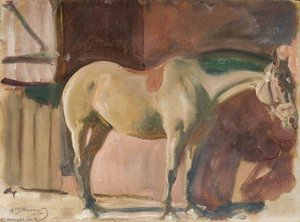
A Horse Drinking
 Oil On Canvas
- WallArt
- Impressionism
 1887
1887- 19th Century
 22.0 x 16.0 cm
A serene Impressionist study of a horse drinking from a trough by Eugène Louis Boudin captures the fleeting beauty of light and nature in this 1887 masterpiece, perfect for adding timeless elegance to your collection.
 Vezi mai mult
Eugène Boudin (1824-1898): Pionier al picturii în aer liber, influență majoră pentru impresionism! Descoperiți peisajele sale atmosferice, scenele de coastă și studiile magistrale de lumină!
Reproducere pictată manual în ulei
Pictură în ulei pe pânză, pictată manual de artiștii noștri la dimensiunea și ramele dorite de dumneavoastră, pe comandă. ( Comută pe versiunea Print Comută pe Imagine Digitală)




P118B lei10

P118H lei10

P118W lei10

P438Z lei10

P508JH lei12

P508YH lei12

P805H lei10

P805Z lei10

P919BZ lei10

P919G lei10

P919XJ lei10

P959ZH lei10

P968JZ lei12

W106C lei8

W218G lei10

W218JH lei8

W218Y lei10

W307PJ lei10

W316G lei10

W316PJ lei8

W316Y lei10

W398PJ lei8

W4111J lei10

W500HY lei15

W500JH lei15

W692G lei12

W849H lei8

W940BG lei15

W953PJ lei8




Standard
personalizat
CM
INCH
Alegeți dintre dimensiunile noastre prestabilite, care respectă proporțiile originale ale operei de artă.
Loading sizes...

lățime
înălțime
Introduceți lățimea și înălțimea necesare pentru a se potrivi ramei sau peretelui dumneavoastră. Această lucrare este pictată manual, așa că, pentru o dimensiune cu o formă diferită, artistul poate picta puțin mai mult în jurul imaginii sau poate tăia puțin din margini — dumneavoastră decideți. Vă vom trimite o simulare digitală pentru aprobare înainte de a începe pictarea. Imaginea afișată pe această pagină nu reprezintă rezultatul real — doar simularea este reprezentativă.
Exemple de elemente ce pot fi personalizate: Înlocuiți fața cu fotografia clientului; Adăugați un animal de companie (de exemplu, înlocuiți pisica cu un câine); Includeți un mesaj ascuns în fundal; Schimbați peisajul sau elementele din fundal.
După plasarea comenzii, echipa TopImpressionists.com va contacta clientul prin e-mail pentru instrucțiuni și îi va furniza o previzualizare a machetei
După plasarea comenzii, echipa TopImpressionists.com va contacta clientul prin e-mail pentru instrucțiuni și îi va furniza o previzualizare a machetei
Livrare în întreaga lume () în 3-4 săptămâni, în loc de cele 5 săptămâni standard. (29 Octombrie). Fără compromisuri în ceea ce privește calitatea.

Livrare expres gratuită la nivel mondial

Pânză de in de înaltă calitate

Asigurare completă pentru transport

Garanție de rambursare a taxelor vamale

Garanția fidelității culorilor

Politica de retur în 100 de zile (doar pentru defecte de fabricație)

Garanție de rambursare 100%

Ofertă pentru comenzi multiple
 Opțiunea cu sticlă este disponibilă doar pentru dimensiuni de sub 110 cm

A Horse Drinking
Tehnică de reproducere
Dimensiune reproducere
-


Preț total calculat
lei 1251
A Moment Captured in Light: The Essence of Boudin’s Vision
In the quietude of 1887, Eugène Louis Boudin captured a scene of profound simplicity that resonates with the very soul of the Impressionist movement. A Horse Drinking is not merely a depiction of an animal at a trough; it is a masterful study of a fleeting moment, where the boundaries between nature and light begin to dissolve. The painting presents a horse bowed in a moment of tranquil necessity, its form rendered with a delicate touch that suggests both strength and vulnerability. As the eye wanders from the horse’s focused posture toward the soft, atmospheric background, one encounters a world where the mundane is elevated to the sublime through the artist's unparalleled ability to manipulate color and luminosity.
The composition invites the viewer into a pastoral narrative, where the presence of distant figures and a quiet dining table suggests a lived-in landscape, a slice of life caught in the amber of time. There is a rhythmic grace to the way Boudin positions his subjects, creating a sense of balance that feels both spontaneous and meticulously orchestrated. For the collector or interior designer, this piece offers more than just visual beauty; it provides an emotional anchor, a window into a period of art history where the pursuit of truth lay in the honest observation of light hitting a surface.
Technique and the Impressionist Spirit
Boudin, often celebrated as a precursor to Claude Monet, brings his signature plein air sensibility to this intimate work. His technique is characterized by a sophisticated use of a muted palette, where shades of gray, white, and soft earth tones coalesce to create a sense of atmospheric depth. Rather than relying on harsh outlines, Boudin employs nuanced brushstrokes that impart a tactile texture to the horse's coat, capturing the subtle interplay of light and shadow across its musculature. This approach allows the subject to emerge organically from the environment, as if the creature were woven from the very mist and morning light of the French countryside.
The artist’s mastery lies in his ability to avoid idealization, opting instead for a naturalistic detail that honors the reality of the scene. This commitment to capturing the "impression" of a moment—the way light reflects off water or how shadows soften at midday—is what makes this reproduction such a compelling choice for modern spaces. The painting does not demand attention through loud colors but earns it through a quiet, persistent beauty that rewards prolonged contemplation.
A Timeless Addition to the Curated Home
Integrating a work of this caliber into an interior design scheme offers an opportunity to introduce a sense of historical depth and serenity. Whether placed in a sun-drenched morning room or a sophisticated study, A Horse Drinking serves as a conversation piece that bridges the gap between the nineteenth-century French coast and contemporary elegance. The modest dimensions of the original work allow it to nestle intimately within a gallery wall or stand alone as a focal point of calm.
For those seeking to surround themselves with art that evokes emotion and intellect, this piece stands as a testament to the enduring legacy of Eugène Louis Boudin. It is an invitation to slow down, to observe the subtle variations in light, and to appreciate the quiet dignity found in the simplest of natural encounters. Owning a high-quality reproduction of this masterpiece allows the spirit of Impressionism to breathe within the modern home, offering a perennial source of inspiration and peace.
Întrebări și răspunsuri
Ce culoare domină compoziția lucrării "A Horse Drinking" de Eugène Boudin?
Culoarea dominantă a operei "A Horse Drinking" de Eugène Boudin este Rosy Brown (#b6a895).
Pot vedea "A Horse Drinking" de Eugène Boudin sub diferite lumini?
Pagina Raze X a operei "A Horse Drinking" de Eugène Boudin este un vizualizator interactiv care vă permite să parcurgeți onze straturi optice ale imaginii lucrării, inclusiv o perspectivă de tip radiografie.
Care este luminozitatea percepută a lucrării "A Horse Drinking" de Eugène Boudin?
Luminozitatea percepută a operei "A Horse Drinking" de Eugène Boudin este shadow. Aceasta poate fi adaptată la lumina spațiului în care va fi expusă.
Opere similare




Biografie artist
Early Life and Artistic Beginnings
Eugène Louis Boudin, born in the picturesque coastal town of Honfleur, France, in 1824, was destined to be inextricably linked to the sea from his very first breath. His father, a respected harbor pilot, instilled within him an early and profound appreciation for the ever-changing moods, the dramatic shifts in light, and the captivating beauty of the maritime world—a love that would become the bedrock of Boudin’s artistic vision. Unlike many of his contemporaries who pursued formal academic training, young Eugène embarked on a more unconventional path, beginning his working life at the tender age of ten as a cabin boy aboard a steamboat traversing between Le Havre and Honfleur. It was during these voyages—amongst the rhythmic churn of the paddle wheels and the salty spray of the waves—that he first felt an irresistible compulsion to capture those fleeting, ephemeral impressions of light and water with quick sketches in the margins of his books – the nascent stirrings of a lifelong passion for art. The family’s subsequent move to Le Havre, where his father established a thriving stationery shop and picture-framing business, further immersed Boudin within an artistic environment. He diligently worked alongside his father, eventually branching out to open his own small shop—a venture that brought him into contact with a vibrant community of local artists, including the influential Constant Troyon and Jean-François Millet, who recognized his burgeoning talent and generously encouraged his artistic pursuits. These early encounters proved pivotal, gently steering him away from the confines of commerce and firmly establishing his path towards a dedicated life devoted to painting.Developing a Unique Style: Plein Air Painting and Influences
Boudin’s artistic development was profoundly shaped by a confluence of key influences—a delicate balance between tradition and innovation. A watershed moment arrived with his introduction to Johan Jongkind, a Dutch painter who passionately championed the revolutionary practice of *en plein air* painting – capturing nature directly from life outdoors. This groundbreaking approach allowed Boudin to translate the ephemeral qualities of light and atmosphere with an unprecedented immediacy and sensitivity. He embraced this technique wholeheartedly, rapidly developing a remarkable skill in rendering the subtle nuances of sky, sea, and shoreline—transforming fleeting moments into enduring works of art. His style also drew inspiration from the masterful techniques of the 17th-century Dutch masters, particularly their meticulous attention to detail, their sophisticated use of atmospheric perspective, and their ability to evoke a profound sense of realism. Boudin’s pastels, characterized by their delicate layering of color and economical brushwork, quickly gained recognition among his peers and critics. The artist's dedication to capturing the essence of light and atmosphere was further solidified through interactions with other prominent figures in the Parisian art scene, including Troyon and Isabey.Impressionism and Early Recognition
Boudin’s artistic journey intersected with the burgeoning Impressionist movement during a crucial period of transition. While he never fully identified as an “Impressionist” in the strict sense of the term, his work shared many characteristics with this revolutionary style—a focus on capturing fleeting moments, an emphasis on light and color, and a rejection of traditional academic conventions. He participated in the first Impressionist exhibition of 1874, showcasing several of his evocative beach scenes and seascapes alongside Claude Monet, Edgar Degas, and other pioneering artists. This participation marked a significant step towards recognition for Boudin’s innovative approach to painting. Notably, Charles Baudelaire, the celebrated poet and critic, played a pivotal role in elevating Boudin's reputation by praising his ability to convey the essence of a scene with remarkable economy and sensitivity—a testament to the artist’s profound understanding of light and atmosphere. Boudin’s work was lauded for its honesty and directness, capturing the beauty of everyday life with an almost effortless grace.Major Works and Artistic Themes
Throughout his prolific career, Eugène Boudin produced a vast body of work that is characterized by a deep connection to the sea and coastal landscapes of Normandy—his beloved homeland. “Still Life with Lobster on a White Tablecloth”, now housed at the High Museum of Art in Atlanta, exemplifies his somber yet noble approach to still life painting, imbued with a sense of quiet contemplation and an appreciation for the simple pleasures of life. His beach scenes, populated with figures engaged in leisurely pursuits—fishing, strolling along the shore, or simply basking in the sun—capture the vibrancy and vitality of seaside life with remarkable detail and sensitivity. “Honfleur, the Saint Catherine Market Place” showcases his skill at depicting bustling urban environments bathed in the warm glow of natural light, capturing the energy and dynamism of a thriving port town. Boudin’s paintings consistently explored themes of transience, atmosphere, and the profound interplay between humanity and nature—a reflection of his deep connection to the world around him. He possessed an exceptional ability to convey the subtle shifts in weather and light, creating works that evoke a powerful sense of place and mood, transporting the viewer directly into the heart of the scene.Final Years and Enduring Legacy
In his later years, Boudin continued to travel extensively, seeking inspiration in Belgium, the Netherlands, and southern France—each journey enriching his artistic vision and expanding his repertoire of subjects. He also made several visits to Venice, captivated by its unique light, its intricate architecture, and its timeless beauty. Despite facing increasing health challenges, he remained remarkably productive, consistently exhibiting his work, mentoring younger artists, and refining his distinctive style. Eugène Louis Boudin passed away in 1898 at Deauville, overlooking the English Channel that had so profoundly shaped his life and art—a fitting end for a man who dedicated his entire existence to capturing its beauty on canvas. His legacy extends far beyond his own paintings; the Eugène Boudin Prize, awarded by the Société Nationale des Beaux-Arts, stands as a lasting tribute to his enduring influence on generations of artists—a testament to his profound contribution to French art and culture. Today, his works are celebrated in museums across the globe, including the Musée d’Orsay in Paris, where several of his most iconic paintings—such as “Landscape with Sunset”—are proudly displayed for all to admire. Boudin's remarkable career serves as a powerful reminder of the transformative power of observation, the enduring beauty of nature, and the timeless allure of the sea.
Eugène Boudin
1824 - 1898 , Franța
Detalii rapide
- Artistic Movement Or Style: Impresionism
- Artists Or Movements Influenced By This Artist:
- Claude Monet
- Impresionism
- Artists Who Influenced This Artist:
- Johan Jongkind
- Maestri olandezi
- Date Of Birth: 12 iulie 1824
- Date Of Death: 8 august 1898
- Full Name: Eugène Louis Boudin
- Nationality: Francez
- Notable Artworks:
- Still life cu crab
- Peisaj cu apus de soare
- Portret cu o fetiță
- Place Of Birth: Honfleur, Franța
Articole similare

Beyond the Screen: Transforming Personal Memories into Timeless AI-Driven Anime Masterpieces
Experience the magic of digital metamorphosis. Transform your cherished photos into stunning, hand-painted anime masterpieces using our proprietary AI technology and professional artists. Elevate your personal story with a timeless, high-quality oil painting on canvas.
Explorați opere de artă organizate pe teme, stiluri și caracteristici.


