


 Vezi în context
 Trimite
 Distribuie
 Detalii
 Ghidul

 Descarcă
 Produse similare
 Radiografie
 Diaporama
 Statistici
triptych, august, 1972 a


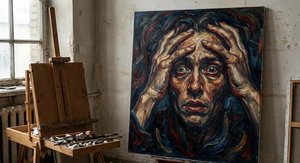
Triptych, August 1972 A - This unsettling painting depicts a man slumped on a chair with his head bowed, capturing Bacon's signature exploration of psychological torment and visceral emotion. Influenced by Surrealism and Expressionism, it showcases a haunting gaze and a desolate interior.
 Citește mai mult
Challenging Conventions</h2>
Francis Bacon’s impact on 20th-century art is undeniable. He challenged traditional notions of representation
Lucrarea de artă afișată pe această pagină este protejată de legile privind drepturile de autor, ceea ce înseamnă că nu putem crea sau vinde în mod legal o reproducere identică. Această protecție este garantată prin acorduri internaționale, precum Convenția de la Berna și de legile naționale, inclusiv cele prevăzute de Legea dreptului de autor din S.U.A. – Titlul 17. Toate drepturile rezervate. Orice reproducere neautorizată este interzisă.
Această metodă respectă pe deplin reglementările privind drepturile de autor, deoarece nu implică copierea sau duplicarea operei protejate. În schimb, este o reinterpretare creativă – o pictură nouă, influențată de original, dar care nu este identică cu acesta.
Giclée / Imprimare artistică
Printuri giclée sau pe canvas de calitate muzeală, cu proces de producție rapid și opțiuni flexibile de finisare. ( Comandă pictură realizată manual Treci la imagine digitală)




P118B lei10

P118H lei10

P118W lei10

P438Z lei10

P508JH lei12

P508YH lei12

P805H lei10

P805Z lei10

P919BZ lei10

P919G lei10

P919XJ lei10

P959ZH lei10

P968JZ lei12

W106C lei8

W218G lei10

W218JH lei8

W218Y lei10

W307PJ lei10

W316G lei10

W316PJ lei8

W316Y lei10

W398PJ lei8

W4111J lei10

W500HY lei15

W500JH lei15

W692G lei12

W849H lei8

W940BG lei15

W953PJ lei8




Dimensiuni standard
personalizat
CM
INCH
Alegeți dintre dimensiunile noastre prestabilite, care respectă proporțiile originale ale operei de artă.
Loading sizes...

lățime
înălțime
Introduceți lățimea și înălțimea de care aveți nevoie, pentru a se potrivi ramei sau peretelui dumneavoastră. O printare poate fi doar tăiată, niciodată extinsă dincolo de dimensiunea imaginii originale, astfel încât o dimensiune cu o formă diferită va pierde o parte din imagine. Vă trimitem o simulare digitală pentru aprobare înainte de a imprima orice. Imaginea afișată pe această pagină nu prezintă tăierea reală — doar simularea arată acest lucru.
Livrare în întreaga lume () în 2 săptămâni, în loc de cele 4/5 săptămâni standard. (25 Octombrie)

Livrare expres gratuită la nivel mondial

Pânză de in premium

Asigurare completă pentru transport

Garanție de rambursare a taxelor vamale

Garanția fidelității culorilor

Politica de retur în 100 de zile (doar pentru defecte)

Garanție de rambursare 100%

Reducere pentru comenzi multiple
 Opțiunea cu sticlă este disponibilă doar pentru dimensiuni de sub 110 cm

triptych, august, 1972 a
Giclée / Imprimare artistică
Dimensiune reproducere
-


Preț total
lei 319
A Visceral Encounter with the Human Condition
In the hauntingly profound Triptych, August 1972 A, Francis Bacon invites the viewer into a space where the boundaries between the physical body and psychological torment dissolve. This masterpiece serves as a visceral confrontation with fear, vulnerability, and the inescapable awareness of mortality. Rather than offering the comfort of traditional portraiture, which seeks to capture a stable likeness, Bacon presents a fragmented reality. The central figure, seated in a state of profound isolation, appears caught in a moment of existential crisis, his posture slumped and his expression obscured by a sense of deep-seated dread. It is an artwork that does not merely ask to be seen, but demands to be felt, pulling the observer into a silent dialogue with the shadows of the human psyche.
The technique employed in this triptych is nothing short of masterful, characterized by a deliberate abrasiveness that mirrors the artist's internal struggles. Bacon utilizes a heavy, gestural application of oil paint, where thick impasto meets frantic scraping and manipulation with palette knives. This creates a rugged, fleshy surface texture that evokes the very sensation of decaying skin or wounded muscle. The color palette is intentionally somber, dominated by earthy ochres, bruised crimsons, and ghostly greys. These muted tones are not merely aesthetic choices; they act as conduits for an atmosphere of unease, ensuring that every brushstroke contributes to the pervasive sense of isolation and the weight of time passing.
The Echoes of History and Symbolism
To understand the profound emotional impact of this work, one must look toward the historical shadows that loomed over Bacon’s life. The pervasive atmosphere of dread within the triptych is inextricably linked to the collective trauma of the mid-2tem century, particularly the devastation witnessed during the London Blitz and the broader horrors of World War II. The distorted, fragmented figures are symbolic of a world shattered by conflict, reflecting a generation grappling with unprecedented uncertainty. In this work, the human form becomes a canvas for the scars of history, where the physical distortion of the subject serves as a metaphor for the psychological fragmentation caused by war and loss.
For the discerning collector or interior designer, Triptych, August 1972 A offers more than just a striking visual; it provides a profound intellectual and emotional anchor for a space. As a high-quality reproduction, this piece brings a sophisticated, avant-garde energy to any curated collection. It is an ideal selection for those who appreciate art that challenges the status quo and explores the deeper, often darker, layers of existence. Whether placed in a contemplative study or as a bold centerpiece in a modern gallery setting, this work continues to provoke thought, serving as a timeless testament to the power of expressionistic truth and the enduring complexity of the human spirit.
Întrebări și răspunsuri
Imaginea pentru "triptych, august, 1972 a" de Francis Bacon poate fi reprodusă liber?
Statusul drepturilor de autor pentru "triptych, august, 1972 a" de Francis Bacon: opera este încă protejată de drepturile de autor. Acest lucru determină dacă reproducerile imaginii pot fi realizate liber.
Ce fel de culori folosește "triptych, august, 1972 a"?
Culorile din "triptych, august, 1972 a" formează o paletă Earthy. Această clasificare descrie familiile de culori dominante.
Care este culoarea dominantă în "triptych, august, 1972 a" de Francis Bacon?
Culoarea dominantă a operei "triptych, august, 1972 a" de Francis Bacon este Walnut (#684934).
Biografie artist
O Viață Scufundată în Visceral
Francis Bacon, un nume sinonim cu emoționalitatea cea mai brută din arta secolului al XX-lea, s-a născut la Dublin, Irlanda, în 1909. Spiritul său artistic și-a găsit însă adevărata expresie în peisajul turbulent al Marii Britanii de după război. Copilăria sa a fost departe de stabilitate; mutările frecvente din cauza sănătății fragile a mamei sale i-au insuflat un sentiment de dezrădăcinare care i-a modelat profund viziunea asupra lumii și, în cele din urmă, pânzele sale. O relație complexă cu tatăl său sever și o legătură strânsă cu guvernanta sa, Jessie Lightfoot, au colorat suplimentar terenul emoțional al anilor formativi. Atrăs inițial de cursele de cai și o viață a jocurilor de noroc, Bacon a rătăcit prin diverse ocupații înainte de a se dedica în cele din urmă picturii la sfârșitul vârstei de douăzeci de ani – un început întârziat care poate a intensificat urgența și intensitatea lucrărilor sale ulterioare. Nu a fost instruit formal, ci și-a croit propria cale, absorbind influențe diverse și dezvoltând un limbaj vizual unic, tulburător.Căldura Influențelor Timpurii
Trezirea artistică a lui Bacon nu a fost imediată, ci mai degrabă o acumulare graduală de impresii. Lucrările lui Pablo Picasso, în special figurile distorsionate din perioada sa cubistă timpurie, s-au dovedit esențiale pentru eliberarea sa de reprezentarea tradițională. A găsit inspirație suplimentară în fotografia tulburătoare a lui Egon Schiele, ale cărui distorsiuni expresive ale formei umane au rezonat cu fascinația sa emergentă pentru fragilitatea și vulnerabilitatea existenței. Cu toate acestea, o întâlnire întâmplătoare cu filmul *Battleship Potemkin* al lui Sergei Eisenstein a oferit un catalizator crucial. Imagistica viscerală a filmului, în special un prim-plan cu o față strigând, a devenit un motiv persistent în opera lui Bacon, reprezentând teroarea primordială și profunzimea suferinței umane. A admirat profund și pe Maeștrii Vechi, în special pe Diego Velázquez, al cărui *Portretul Papei Innocent X* l-a reinterpretat faimos de-a lungul carierei sale, transformând figura papală autoritară într-un spectru chinuit. Aceste influențe nu au fost simple apropieri stilistice; au fost absorbite și transmutate prin sensibilitatea sa unică, rezultând o viziune artistică care era atât profund personală, cât și universal rezonantă.Forging a Signature Style: Distortion and Isolation
Punctul de cotitură al lui Bacon a venit cu *Trei Studii pentru Figuri la Baza unei Crucificări* (1944), o lucrare care a șocat și captivat publicul din Londra postbelică. Acest triptic a stabilit stilul său semnătură – figuri distorsionate, fragmentate, izolate în spații claustrofobice. Acestea nu au fost reprezentări ale martiriului religios, ci explorări viscerale ale agoniei umane, lipsite de orice narațiune reconfortantă sau mângâiere spirituală. Picturile sale prezintă adesea forme încețoșate sau dizolvabile, transmițând un sentiment de turbulență psihologică și vulnerabilitate fizică. Folosea frecvent structuri geometrice – cuști, cutii – pentru a închide subiecții săi, subliniind izolarea și neputința lor. Paleta lui Bacon era de obicei estompată și sumbră, reflectând temele întunecate pe care le explora, dar punctată de izbucniri de culoare intensă care accentuau impactul emoțional. Utilizarea acestor cuști nu a fost doar un dispozitiv compozițional; a simbolizat limitările inerente și constrângerile impuse existenței umane. A căutat să capteze nu doar *cum* arată lucrurile, ci *cum se simt*, transmițând stări interioare de anxietate, frică și disperare pe pânză cu o onestitate brutală.Teme ale Mortalității, Agoniei și a Condiției Umane
De-a lungul carierei sale prolifice, Bacon s-a întors în mod repetat la anumite motive: crucificarea ca simbol al suferinței; portrete care au explorat intensitatea psihologică a subiecților săi, adesea prieteni și iubiți precum George Dyer; și autoportrete care au servit drept explorări introspective ale identității și mortalității. Seria sa *Studiu După Portretul Papei Innocent X al lui Velázquez* (1953) este poate una dintre cele mai iconice realizări ale sale, transformând portretul demn al lui Velázquez într-o apariție strigătoare, întruchipând teroarea existențială. Portretele lui George Dyer, iubitul său volatil, sunt deosebit de emoționante, capturând atât intensitatea conexiunii lor, cât și umbra iminentă a tragediei. Opera lui Bacon nu era despre portretizarea unor indivizi specifici; era vorba despre explorarea temelor universale ale vulnerabilității umane, izolării și inevitabilitatea morții. Nu s-a ferit de aspectele mai întunecate ale existenței, ci le-a confruntat direct, obligând spectatorii să se confrunte cu propria lor mortalitate și anxietăți.Un Moștenire Durabilă: Contestarea Convențiilor
Impactul lui Francis Bacon asupra artei din secolul al XX-lea este incontestabil. A contestat noțiunile tradiționale de reprezentare, respingând frumusețea idealizată în favoarea unei portretizări crude și neînduplecate a condiției umane. Opera sa i-a influențat profund generații de artiști, deschizând calea pentru noi forme de expresie și contestând granițele convenționale ale artei.- Expresionismul Postbelic: Bacon este considerat o figură cheie în această mișcare, influențând artiștii cu stilul său îndrăzneț și profunzimea psihologică.
- Recorduri de Licitație & Expoziții Muzeale: Picturile sale continuă să obțină prețuri mari la licitație și sunt expuse în muzee importante din întreaga lume, consolidându-și locul în istoria artei.
- Confruntarea Adevărurilor: Moștenirea lui Bacon constă în capacitatea sa de a confrunta adevăruri inconfortabile despre existența umană și de a traduce acele experiențe în imagini puternice și memorabile.

Francis Bacon
1909 - 1992 , Irlanda
Informații rapide
- Artiști Care L-Au Influențat:
- Picasso
- Schiele
- Artiști/Curente Influențate: ['Expresionism postbelic']
- Curent Artistic: Expresionism
- Data Decesului: 28 aprilie 1992
- Data Nașterii: 28 octombrie 1909
- Locul Nașterii: Dublin, Irlanda
- Naționalitate: Irlandez-Britanic
- Nume Complet: Francis Bacon
- Opere Notabile:
- Crucifixiune...
- Seria Popei
- Portret Dyer
Articole conexe

Lucian Freud: A Psychological Portraiture of Post-War Existence
Explore the profound psychological depth of Lucian Freud's portraits. Discover his unique realism, artistic evolution, and lasting influence on modern art. A collector’s guide to a master.

Surrealist Expressionism: A Definitive Guide to the Intersection of Dream Logic and Raw Emotion
Explore the profound history of Surrealist Expressionism. Discover how artists blended dream logic with raw emotion to navigate post-war trauma through masterful, evocative imagery and psychological depth.

Unveiling Inner Worlds: Exploring Psychological Depth in 20th & 21st Century Art
Explore the profound psychological themes within 20th & 21st-century art. Discover Expressionism, Surrealism & more – and learn how to collect impactful pieces with confidence. Expert insights for discerning collectors.
Figurative Expressionism: Emotional Intensity & Subjective Reality in 20th-Century Art
Explore the powerful world of Figurative Expressionism with TopImpressionists. Discover key artists like Kirchner & Beckmann, understand its emotional depth, and learn how to collect this influential 20th-century art movement.

Francis Bacon: Cele Mai Iconice Lucrări – Artă Expresionistă pentru Decor Rafinat
Descoperă cele mai iconice 25 de lucrări ale lui Francis Bacon – picturi expresioniste pline de emoție și forță. Explorează biografia artistului, tehnicile sale unice și impactul asupra artei moderne. Reproduceri artă de calitate muzeală pe TopImpressionists.com!
Explorați opere de artă organizate pe teme, stiluri și caracteristici.


