


 Vezi în context
 Trimite
 Distribuie
 Detalii
 Ghidul

 Descarcă
 Produse similare
 Radiografie
 Diaporama
 Statistici
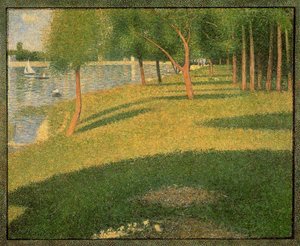
The Riverside


Experience the luminous precision of Georges Seurat’s ‘The Riverside,’ a cornerstone of Neo-Impressionism! This serene Parisian picnic scene captures light and color with meticulous dots—a revolutionary technique born from scientific observation.
 Citește mai mult
Descoperă Georges Seurat (1859-1891), pionierul Pointillismului & Neo-Impresionismului! Explorează 'A Sunday on La Grande Jatte' și teoria revoluționară a culorilor. Reproduceri pictate manual!
Giclée / Imprimare artistică
Printuri giclée sau pe canvas de calitate muzeală, cu proces de producție rapid și opțiuni flexibile de finisare. ( Comandă pictură realizată manual Treci la imagine digitală)




P118B lei10

P118H lei10

P118W lei10

P438Z lei10

P508JH lei12

P508YH lei12

P805H lei10

P805Z lei10

P919BZ lei10

P919G lei10

P919XJ lei10

P959ZH lei10

P968JZ lei12

W106C lei8

W218G lei10

W218JH lei8

W218Y lei10

W307PJ lei10

W316G lei10

W316PJ lei8

W316Y lei10

W398PJ lei8

W4111J lei10

W500HY lei15

W500JH lei15

W692G lei12

W849H lei8

W940BG lei15

W953PJ lei8




Dimensiuni standard
personalizat
CM
INCH
Alegeți dintre dimensiunile noastre prestabilite, care respectă proporțiile originale ale operei de artă.
Loading sizes...

lățime
înălțime
Introduceți lățimea și înălțimea de care aveți nevoie, pentru a se potrivi ramei sau peretelui dumneavoastră. O printare poate fi doar tăiată, niciodată extinsă dincolo de dimensiunea imaginii originale, astfel încât o dimensiune cu o formă diferită va pierde o parte din imagine. Vă trimitem o simulare digitală pentru aprobare înainte de a imprima orice. Imaginea afișată pe această pagină nu prezintă tăierea reală — doar simularea arată acest lucru.
Livrare în întreaga lume () în 2 săptămâni, în loc de cele 4/5 săptămâni standard. (24 Octombrie)

Livrare expres gratuită la nivel mondial

Pânză de in premium

Asigurare completă pentru transport

Garanție de rambursare a taxelor vamale

Garanția fidelității culorilor

Politica de retur în 100 de zile (doar pentru defecte)

Garanție de rambursare 100%

Reducere pentru comenzi multiple
 Opțiunea cu sticlă este disponibilă doar pentru dimensiuni de sub 110 cm

The Riverside
Giclée / Imprimare artistică
Dimensiune reproducere
-


Preț total
lei 320
Georges Pierre Seurat: Illuminating Impressionism Through Scientific Precision
Georges Pierre Seurat (1859-1891) stands as a singular figure in the artistic landscape of late 19th century France, marking a decisive break from the prevailing Impressionist movement and establishing himself as one of the foremost innovators of Neo-Impressionism. His brief but extraordinarily productive career wasn’t merely about capturing fleeting moments of beauty; it was driven by an intellectual curiosity that sought to fundamentally reshape how artists understood and represented light and color—a quest that resulted in a revolutionary technique known as Pointillism.
Born in Paris amidst the burgeoning artistic fervor of his time, Seurat’s upbringing fostered a passion for art from a young age. His father, Antoine Chrysostome Seurat, possessed considerable means and encouraged Georges's education, exposing him to influential artists and fostering an appreciation for scientific observation. This meticulous approach would become the cornerstone of Seurat’s artistic vision.
The Genesis of Pointillism: A Scientific Breakthrough
Unlike Impressionists who blended colors on the canvas to create a unified impression of light, Seurat championed a radically different methodology. Inspired by Eugène Chevreuil and Henri Edmond Cros—fellow proponents of optical blending—he meticulously applied tiny dots of pure pigment onto the surface of the painting. This seemingly simple technique concealed a profound understanding of color theory derived from Helmholtz’s experiments on perception. Seurat believed that by stimulating the eye with individual colored dots, he could achieve greater luminosity and vibrancy than conventional brushstrokes alone.
"A Sunday Afternoon on La Grande Jatte," arguably Seurat's most celebrated masterpiece, exemplifies this groundbreaking approach. The painting depicts Parisians enjoying a leisurely afternoon picnic in Grenouillère Park—a scene brimming with activity and bathed in dappled sunlight. However, it’s not merely the depiction of a picturesque landscape that captivates viewers; it’s the astonishing precision of Seurat's Pointillist technique.
Symbolism and Emotional Resonance
Beyond its technical brilliance, “La Grande Jatte” carries significant symbolic weight. The figures represent a microcosm of Parisian society—bourgeois families, artists, and intellectuals—engaged in social interaction amidst the tranquility of nature. Seurat’s deliberate composition aims to convey a sense of calm contemplation and intellectual curiosity, reflecting his own philosophical leanings.
Furthermore, the painting's muted color palette contributes to its emotional impact. Rather than striving for dramatic contrasts, Seurat employs subtle hues that evoke feelings of serenity and understated beauty. The luminous dots create an ethereal glow, enhancing the atmosphere and inviting viewers into a meditative state.
A Legacy of Innovation
Georges Pierre Seurat’s untimely death at the age of 31 tragically curtailed his artistic career, yet his legacy endured—inspiring generations of artists who embraced Pointillism and Neo-Impressionism. Today, reproductions of “La Grande Jatte” continue to resonate with audiences worldwide, serving as a testament to Seurat's unwavering commitment to scientific rigor and his profound ability to transform visual perception. His work remains an enduring symbol of artistic innovation and the pursuit of beauty through meticulous observation.
Întrebări și răspunsuri
Este "The Riverside" reprezentativ pentru ceea ce crea în mod obișnuit Georges Pierre Seurat?
Temele recurente ale lui Georges Pierre Seurat includ scientific observation, optical illusionism, impressionist roots, modern life reflection, pioneer color theory approach, iconic seurat landscape masterpiece; „The Riverside” se concentrează pe landscape, riverside scene, birds flying, boats, light reflection, color theory, impressionist technique, french painting.
Unde pot cumpăra o ediție print a lucrării "The Riverside" de Georges Pierre Seurat?
O ediție print a lucrării "The Riverside" de Georges Pierre Seurat poate fi comandată direct pe pagina sa de Print de Fine Art: o printă de fine art pe canvas din bumbac sau pe hârtie canvas arhivistică.
Sub ce alte nume este cunoscut/ă Georges Pierre Seurat?
Georges Pierre Seurat apare sub numele alternative Georges Pierre Seurat, Surah, Suu-RAH.
Opere similare




Biografie artist
Un Pionier al Preciziei Luminoase: Viața și Arta lui Georges Seurat
Georges Pierre Seurat, născut la Paris pe 2 decembrie 1859, a apărut ca o figură esențială în tranziția de la impresionism la arta modernă. Cariera sa scurtă, dar intens concentrată, a revoluționat pictura prin dezvoltarea punctilismului, o tehnică fundamentată pe principii științifice și o căutare neîncetată a adevărului optic. Povestea lui Seurat este una de observație minuțioasă, rigoare intelectuală și o sensibilitate profundă la nuanțele luminii și culorii – calități care l-au distins de contemporanii săi și continuă să captiveze publicul astăzi. Viața sa timpurie, deși aparent convențională, a pus bazele explorărilor sale artistice viitoare. Familia s-a mutat pe Boulevard de Magenta la scurt timp după nașterea lui, iar tatăl său, Antoine Chrysostome Seurat, un fost funcționar juridic devenit speculant imobiliar, i-a oferit o copilărie confortabilă care i-a permis tânărului Georges acces la educație artistică. A început pregătirea formală la École Municipale de Sculpture et Dessin sub sculptorul Justin Lequien, urmată de înscrierea la prestigioasa École des Beaux-Arts în 1878, studiind sub Henri Lehmann. Acești ani formativi i-au insuflat o fundație solidă în tehnicile tradiționale, dar chiar și atunci, o personalitate artistică unică începea să prindă contur – un amestec de sensibilitate delicată și o fascinație emergentă pentru analiza sistematică.De la Rădăcini Academice la Cromoluminarism
Dezvoltarea artistică a lui Seurat nu a fost o saltare bruscă spre inovație, ci mai degrabă o evoluție graduală alimentată de curiozitatea intelectuală și experimentarea riguroasă. Inițial, munca sa reflecta standardele academice ale vremii, demonstrând competență în desen și un respect pentru principiile compoziționale stabilite. Cu toate acestea, a început curând să pună la îndoială aceste convenții, căutând o abordare mai științifică a picturii. S-a scufundat în domeniul emergent al teoriei culorilor, studiind scrierile oamenilor de știință precum Michel Eugène Chevreul și Ogden Rood, care au explorat efectele optice ale culorilor juxtapuse. Această cercetare a devenit piatra de temelie a tehnicii sale revoluționare, cromoluminarism – știința culorii – și aplicarea sa practică, punctilismul. Ideea principală era simplă în aparență: aplicarea unor puncte mici, distincte de culoare pură pe o pânză, bazându-se pe ochiul privitorului pentru a le amesteca optic și a crea un efect vibrant, luminos. Nu era vorba doar despre obținerea unor culori mai luminoase; era vorba despre înțelegerea modului în care sistemul vizual uman percepe lumina și culoarea și valorificarea acestei cunoștințe pentru a crea o experiență de pictură mai dinamică și captivantă. El pregătea meticulos compozițiile sale mari cu desene Conté pe hârtie aspră, cartografind cu atenție plasarea fiecărui punct, demonstrând o precizie aproape matematică în procesul său artistic.Pietre de Hotar ale Inovației: Lucrări Majore și Viziune Artistică
Culminarea cercetărilor și experimentelor sale este poate exemplificată cel mai bine în A Sunday Afternoon on the Island of La Grande Jatte (1884-1886), o lucrare monumentală care a marcat începutul neoimpresionismului. Această pictură iconică, care descrie parizieni bucurându-se de un după-amiază liniștită pe Sena, prezintă punctilismul său în cea mai mare măsură. Figurile, redate ca puncte atent plasate de culoare, par să vibreze și să strălucească cu lumină, creând o atmosferă de liniște senină. Alfalfa, Saint-Denis (1886-1887) demonstrează aplicarea teoriei culorilor la un peisaj rural, în timp ce lucrările mai vechi precum Landscape at Saint-Ouen (1882-1883) dezvăluie stilul său în evoluție și interesul crescând pentru capturarea efectelor luminii și atmosferei. Chiar și reprezentările vieții moderne pariziene, cum ar fi The Eiffel Tower (1889), au fost transformate prin tehnica sa unică, prezentând un amestec armonios de modernitate industrială și inovație artistică. Bathers at Asnières (1884), o altă lucrare importantă, a explorat teme precum timpul liber și viața modernă cu stilul său distinctiv, prevestind abordarea mai rafinată văzută în *La Grande Jatte*. Aceste picturi nu erau doar reprezentări ale scenelor; erau experimente vizuale atent construite concepute pentru a explora posibilitățile culorii și percepției.O Moștenire Durabilă: Influență și Semnificație Istorică
În ciuda unei vieți tragic de scurtă durată – Seurat a murit la vârsta de doar 31 de ani în 1891 – impactul său asupra lumii artei a fost profund și larg răspândit. Munca sa a contestat convențiile artistice tradiționale, deschizând calea pentru numeroase mișcări ulterioare. Accentul pus pe exprimarea subiectivă și explorarea unor noi tehnici a rezonat cu artiștii care căutau să se elibereze de constrângerile academice. Influența lui Seurat poate fi observată în lucrările faviștilor, care au îmbrățișat culori îndrăznețe și tușe expresive; cubiștilor, care au deconstruit formele în forme geometrice; și expresioniștilor abstracți, care au prioritizat intensitatea emoțională și gestul spontan. Abordarea sa științifică a picturii, deși inițial controversată, a extins în cele din urmă definiția posibilităților artistice. El a demonstrat că arta poate fi atât riguroasă intelectual cât și evocatoare emoțional, o sinteză care continuă să inspire artiștii astăzi. Moștenirea lui Seurat se extinde dincolo de inovațiile sale tehnice; el a lăsat în urmă un corp de lucrări care captează esența vieții moderne cu o precizie și frumusețe fără egal, consolidându-i locul ca adevărat pionier al artei moderne. Picturile sale rămân mărturii ale puterii observației, experimentării și dorinței umane durabile de a înțelege lumea din jurul nostru prin lentila expresiei artistice.
Georges Pierre Seurat
1859 - 1891 , Franța
Informații rapide
- Artiști Influențați:
- Fauvism
- Cubism
- Abstract Expressionism
- Artiști Influenți:
- Michel Eugène Chevreul
- Ogden Rood
- Data Nașterii: 2 decembrie 1859
- Locul Nașterii: Paris, Franța
- Mișcare Artistică: Neo-Impressionism, Pointillism
- Naționalitate: Francez
- Nume Complet: Georges Pierre Seurat
- Opere Notabile:
- La Grande Jatte
- Bathers at Asnières
- Alfalfa, Saint-Denis
- Turnul Eiffel
Articole conexe

The Science of Light: How Seurat and Signac Revolutionized Color with Pointillism
Explore the scientific revolution of Pointillism. Discover how Georges Seurat and Paul Signac utilized optical color mixing and light theory to transform modern art through Neo-Impressionist precision and luminous technique.

Evocations of Place: A Historical Journey Through Landscape Art
Explore the rich history of landscape art with TopImpressionists. Discover renowned artists, movements like Impressionism & Romanticism, and expert guidance for collecting timeless pieces. Find your perfect serene escape today!

Georges Seurat: Cele Mai Remarcabile 25 de Opere – Artă, Decorațiuni și Inspirație
Descoperă cele mai frumoase 25 de picturi ale lui Georges Seurat! Explorează arta Pointillismului, culorile vibrante și stilul unic al acestui maestru impresionist. Reproduceri de calitate superioară pentru decor interior rafinat pe TopImpressionists.com.

The Science of Light: Decoding the Optical Precision of Neo-Impressionism
Explore the scientific brilliance of Neo-Impressionism. Discover how masters like Georges Seurat revolutionized art through optical mixing, color theory, and the precision of Pointillism to capture the true essence of light.

Georges Seurat: Pointillism, Perception & the Scientific Foundations of Modern Art
Explore the revolutionary art of Georges Seurat and the science behind Pointillism. Discover chromoluminarism, optical mixing, and the lasting impact of Neo-Impressionism on modern art history.
Explorați opere de artă organizate pe teme, stiluri și caracteristici.


