

Shown: · With its frame:
 Previzualizare
 Trimite prin felicitare
 Distribuie
 Detalii despre lucrare
 Ghid
Ghid

 Descarcă imaginea
 Produse similare
 Radiografie
 Galerie foto
 Q&A
Q&A Statistici
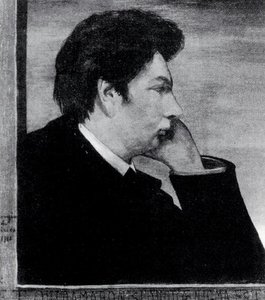
Self-portrait 7


lei 1251
Reproducere pictată manual în ulei
Pictură în ulei pe pânză, pictată manual de artiștii noștri la dimensiunea și ramele dorite de dumneavoastră, pe comandă. ( Comută pe versiunea Print Comută pe Imagine Digitală)
Această lucrare este protejată de drepturile de autor
Lucrarea de artă afișată pe această pagină este protejată de legile privind drepturile de autor, ceea ce înseamnă că nu putem crea sau vinde în mod legal o reproducere identică. Această protecție este garantată prin acorduri internaționale, precum Convenția de la Berna și de legile naționale, inclusiv cele prevăzute de Legea dreptului de autor din S.U.A. – Titlul 17. Toate drepturile rezervate. Orice reproducere neautorizată este interzisă.
Ca alternativă respectuoasă și legală, oferim tablouri pictate manual, personalizate, inspirate de original. Artistii noștri experimentați și profesioniști studiază cu atenție stilul, starea de spirit și esența artistică a originalului pentru a crea o piesă nouă și unică, care evocă aceeași emoție – rămânând, în același timp, o creație originală în sine.
Această metodă respectă pe deplin reglementările privind drepturile de autor, deoarece nu implică copierea sau duplicarea operei protejate. În schimb, este o reinterpretare creativă – o pictură nouă, influențată de original, dar care nu este identică cu acesta.
 Citește mai mult
Size
·Standard
personalizat
CM
INCH
Alegeți dintre dimensiunile noastre prestabilite, care respectă proporțiile originale ale operei de artă.
Loading sizes...

lățime
înălțime
Introduceți lățimea și înălțimea necesare pentru a se potrivi ramei sau peretelui dumneavoastră. Această lucrare este pictată manual, așa că, pentru o dimensiune cu o formă diferită, artistul poate picta puțin mai mult în jurul imaginii sau poate tăia puțin din margini — dumneavoastră decideți. Vă vom trimite o simulare digitală pentru aprobare înainte de a începe pictarea. Imaginea afișată pe această pagină nu reprezintă rezultatul real — doar simularea este reprezentativă.
Finish
·
White lei1

Blurside lei1

Extended lei1

P118B lei10

P118H lei10

P118W lei10

P438Z lei10

P508JH lei12

P508YH lei12

P805H lei10

P805Z lei10

P919BZ lei10

P919G lei10

P919XJ lei10

P959ZH lei10

P968JZ lei12

W106C lei8

W218G lei10

W218JH lei8

W218Y lei10

W307PJ lei10

W316G lei10

W316PJ lei8

W316Y lei10

W398PJ lei8

W4111J lei10

W500HY lei15

W500JH lei15

W692G lei12

W849H lei8

W940BG lei15

W953PJ lei8

H24-GOLD lei30

H24-SILVER lei30

H36-GOLD lei45

H36-SILVER lei45
Shipped in a protective tube, ready for your own framer.
Above 105 cm the frame is shipped as a kit for a professional framer — read the details.
Extras
optionalWhat do the extras include?
Examples of what can be changed: Replace face with customer photo; Add pet (e.g., replace cat with dog); Include hidden message in background; Change background landscape or elements.
After order, TopImpressionists.com team will email client for instructions and provide a mockup preview
After order, TopImpressionists.com team will email client for instructions and provide a mockup preview
Livrare în întreaga lume () în 3-4 săptămâni, în loc de cele 5 săptămâni standard. (29 Octombrie). Fără compromisuri în ceea ce privește calitatea.
Lac de protecție
Etichetă de prezentare
Detalii plăcuță din bronz gravat
This elegant plaque features the artist's name and the title of the artwork, finely engraved for a timeless presentation.
It is made from bronze with a refined, elegant finish. The text is precisely laser-engraved for a sharp and permanent result. Measuring 9x2 cm, the plaque is compact yet easy to read. It's built to be durable and scratch-resistant, offering a professional, museum-quality look. Mounting is simple thanks to the included adhesive backing.
Detalii plăcuță din acril transparent
The plaque includes essential engraved details such as the artist's name, the title of the artwork, the date it was created, the type of media used-like oil on canvas or watercolor-a brief description of the piece, and a QR code that links to the complete artwork information.
It is crafted from clear acrylic, offering a sleek, modern appearance. The text is UV-engraved in black to ensure strong visual contrast. With a size of 10x15 cm, it ensures optimal readability. It comes equipped with two metal hooks for secure wall mounting. The plaque is designed to be weather-resistant, making it suitable for various environments, and it includes interactive features that work seamlessly with smartphone scanning.
Detalii placă din acril negru
This elegant plaque includes engraved information such as the artist's name, the title of the artwork, the date it was created, the type of media used (like oil on canvas or watercolor), a short description of the artwork, and a QR code for quick access to more information.
The plaque itself is made from refined black acrylic with a premium finish. The text is laser-engraved in white for high contrast and readability. Its size is 10x15 cm, designed to be easy to read. It comes with two metal hooks for professional mounting. The design is sleek and fits any interior style. It is also weather-resistant and durable, with built-in digital integration for mobile compatibility.
Opțiunea cu sticlă este disponibilă doar pentru dimensiuni de sub 110 cm
 Opțiunea cu sticlă este disponibilă doar pentru dimensiuni de sub 110 cm
- Livrare expres gratuită la nivel mondial
- Pânză de in de înaltă calitate
- Asigurare completă pentru transport
- Garanție de rambursare a taxelor vamale
- Garanția fidelității culorilor
- Politica de retur în 100 de zile (doar pentru defecte de fabricație)
- Garanție de rambursare 100%
- Ofertă pentru comenzi multiple


Descriere obiect de colecție
A haunting self-portrait by Giorgio de Chirico (1922). Explore the artist's melancholic style, surreal imagery, and philosophical depth in this iconic masterpiece.
Biografie artist
Descoperiți lumea onirică a lui Giorgio de Chirico (1888-1978), fondatorul artei metafizice! Peisaje urbane supraluminate, teme filosofice și statuete enigmatice. Influență majoră asupra suprarealismului.
About the painting
A Dreamscape in Gray: De Chirico’s “Self-Portrait 7”
Giorgio de Chirico's "Self-Portrait 7," painted around 1922, isn’t merely a depiction of an artist; it’s a distilled essence of the anxieties and intellectual currents swirling through Europe at the dawn of the 20th century. This haunting monochrome study, housed within the Toledo Museum of Art, invites us into a realm where reality fractures, memory bleeds into dream, and the self becomes both subject and object—a captivating paradox that defines much of de Chirico’s oeuvre. The painting immediately arrests with its stark simplicity: a figure rendered in muted grays, positioned slightly off-center against a subtly receding backdrop, his hand partially obscuring his mouth as if holding back a profound thought or perhaps a secret sorrow.
The work belongs firmly within de Chirico’s “Metaphysical” period, a movement he pioneered alongside his brother, Andrea Savinio. This style rejected the superficiality of contemporary art and sought to capture not just appearances but the underlying anxieties and irrationalities of human experience. Influenced by philosophers like Arthur Schopenhauer and Friedrich Nietzsche, de Chirico aimed to depict a world where logic dissolves, and the familiar becomes unsettlingly strange. The painting’s palette—a carefully orchestrated symphony of grays—is crucial to this effect. It's not simply black and white; it’s a spectrum of tones that evokes both melancholy and a sense of timelessness, mirroring the artist’s own preoccupation with mortality and the passage of time.
Deconstructing Form: Technique and Composition
Technically, “Self-Portrait 7” is characterized by a meticulous layering of oil paint—a technique de Chirico revisited after abandoning his earlier, more vibrant style. He employed subtle gradations of tone to create an illusion of depth and texture, suggesting the rough surface of clothing and the smooth planes of the face. The composition itself is deceptively simple, yet profoundly effective. The figure’s placement off-center creates a dynamic tension, drawing the eye across the canvas and inviting contemplation. Notice how the background recedes sharply, almost dissolving into an indeterminate space—a technique that reinforces the painting's sense of unease and disorientation.
The use of line is equally deliberate. The strong outlines defining the face and body are softened by the surrounding tones, creating a sense of ambiguity. There’s a deliberate lack of detail; de Chirico wasn’t interested in photographic realism but rather in capturing the *feeling* of a scene—the emotional weight of a moment. The inclusion of the bust of Eudipides, subtly referenced in the painting's title and further explored in another work by the artist, adds an additional layer of symbolic complexity, hinting at themes of fate, suffering, and the burden of knowledge.
Symbolism and Emotional Resonance
The obscured mouth is perhaps the most potent symbol within the portrait. It suggests restraint, introspection, or even a suppressed emotion—a refusal to fully articulate the anxieties that plague the artist’s mind. The overall mood is undeniably melancholic, yet there's also an undercurrent of quiet dignity and resilience. De Chirico wasn’t simply depicting sadness; he was exploring the complex relationship between the self and the world, revealing a profound sense of isolation within a rapidly changing society.
The painting’s setting—a vaguely architectural space—further contributes to its unsettling atmosphere. It's reminiscent of Roman arcades, which de Chirico frequently depicted in his work, but here they feel strangely deserted and devoid of life. This reinforces the sense of alienation and loneliness that permeates the portrait. The subtle inclusion of a tangerine adds an unexpected element of warmth and color—a fleeting reminder of beauty amidst the prevailing gloom.
A Legacy of Dreamlike Visions
“Self-Portrait 7” stands as a quintessential example of de Chirico’s unique artistic vision. It's a painting that defies easy interpretation, inviting viewers to engage with its mysteries and grapple with its emotional complexities. It’s not merely a portrait; it’s a window into the artist’s psyche—a glimpse behind the curtain of his creative process. De Chirico’s work continues to resonate today because it taps into universal anxieties about identity, mortality, and the nature of reality. Reproductions of this powerful image offer a chance to bring this dreamlike vision into your own space, prompting reflection and sparking conversation.
Întrebări și răspunsuri
Din ce curent artistic face parte "Self-portrait 7" de Giorgio de Chirico?
„Self-portrait 7” este o operă de Metaphysical Art. Acest curent indică tradiția artistică din care face parte lucrarea.
"Self-portrait 7" de Giorgio de Chirico este o operă de artă luminoasă sau întunecată?
Valorile înregistrate pentru "Self-portrait 7" de Giorgio de Chirico sunt: luminozitate de deep_shadow, luminanță de Soft Shadow.
Unde este recomandată expunerea formatului Portrait pentru „Self-portrait 7”?
Formatul Portrait al operei "Self-portrait 7" de Giorgio de Chirico este recomandat pentru o Living Room. Formatul și spațiul împreună ghidează amplasarea unei reproduceri.
Quick facts and art quiz
About Giorgio de Chirico

Giorgio de Chirico
1888 - 1978, Гърция
Biografie artist
A Dreamscape of the Mind: The Life and Art of Giorgio de Chirico
Giorgio de Chirico, născut în 1888 în Volos, Grecia, într-o familie italiană – o mamă genoveză și un tată sicul – a avut o călătorie artistică impregnată atât de moștenirea clasică, cât și de un sentiment emergent de alienare modernă. Educația sa timpurie la Politehnica din Atena i-a oferit o bază în tehnici tradiționale, dar studiile sale ulterioare în Munchen au aprins cu adevărat spiritul său creativ. Acolo, în fermentul intelectual al Europei prebelșice, a întâlnit operele lui Arnold Böcklin și Max Klinger, artiști ale căror imagini simbolice și imagini tulburătoare au rezonat profund cu propria sa estetică în dezvoltare. La fel de influențatori au fost curentele filosofice ale vremii – scrierile lui Friedrich Nietzsche, Arthur Schopenhauer și Otto Weininger – care explorau teme precum existențialismul, iraționalitatea dorinței umane și natura subiectivă a realității. Aceste idei s-ar dovedi centrale în viziunea artistică revoluționară a lui de Chirico.The Birth of Metaphysical Painting
Aproximativ în 1909, un stil unic a început să emergi din explorările lui de Chirico – un stil pe care el însuși l-a numit „artă metafizică”. Nu era doar o inovație stilistică; era o încercare profundă de a captura realitățile ascunse sub suprafața vieții cotidiene, de a dezvălui poezia tulburătoare care se ascunde în spațiile familiare. Un moment decisiv a avut loc într-o vizită la Florența și o experiență în Piazza Santa Croce, care a stârnit seria sa iconică „Piață Metafizică”. Aceste picturi sunt caracterizate de statul lor tulburător, umbre lungi dramatice, perspective ilogice și prezența arhitecturii clasice juxtapuse cu elemente deranjante precum manechinii fără chip și statuile impozante. Efectul este profund tulburtor, evocând nostalgie, izolare și un angoșă aproape insuportabilă pentru ceva pierdut sau inaccesibil. De Chirico a fondat *Scuola Metafisica*, influențând profund Surrealismul, deși ulterior s-ar distanța de interpretările sale asupra operei sale. Pânzele sale nu erau destinate să ilustreze visele, ci mai degrabă să reprezinte o realitate dincolo de lumea vizibilă – un domeniu în care timpul și spațiul sunt fluide și unde granițele dintre conștiință și subconștient se estompează. Piese notabile precum *The Vexations of the Thinker*, *The Enigma of an Autumn Afternoon* și *The Song of Love* exemplifică această estetică tulburătoare, invitând privitorii să mediteze asupra misterelor existenței și a fragilității percepției umane.A Shift in Style and a Lasting Legacy
După Primul Război Mondial, în jurul anului 1919, calea artistică a lui de Chirico a luat o întorsare neașteptată. A respins abordarea sa metafizică timpurie, îmbrățișând în schimb un stil neoclasic sau neo-baroc mai tradițional. Această schimbare a fost întâmpinată cu o critică considerabilă; mulți critici au lamentat pierderea spiritului inovator care a definit lucrarea sa timpurie și l-au acuzat că a abandonat viziunea sa originală. Cu toate acestea, de Chirico a rămas ferm în alegerile sale artistice, revizitând teme din trecutul său, dar le-a redat cu o sensibilitate estetică diferită. A continuat să picteze și să expună pe tot parcursul vieții sale, explorând diferite stiluri și subiecte, menținând în același timp un angajament constant față de măiestria tehnică. În ciuda criticilor, influența sa asupra generațiilor ulterioare de artiști nu poate fi subestimată. Utilizarea sa inovatoare a spațiului, a perspectivei și a simbolismului a pus la îndoială normele artistice convenționale și a deschis calea pentru noi forme de expresie.Influences and Enduring Impact
Opera lui de Chirico stă ca o punte crucială între mișcarea simbolistă din sfârșitul secolului al XIX-lea și ascensiunea Surrealismului la începutul secolului al XX-lea. A fost direct influențat de artiști precum Arnold Böcklin și Max Klinger, ale căror imagini evocatoare au rezonat cu fascinația sa pentru mitologia și subconștientul. Filosofii precum Nietzsche și Schopenhauer i-au oferit un cadru pentru explorarea temelor existențialismului, a alienării și a căutării sensului într-o lume aparent lipsită de sens. Cu toate acestea, viziunea lui de Chirico s-a extins mult dincolo de Surrealism. Artiști precum René Magritte și Salvador Dalí au fost profund inspirați de picturile sale metafizice, adoptând tehnicile sale de juxtapunere, perspectivă ilogică și simbolism pentru a crea propriile lor lumi onirice. Lucrarea sa a avut, de asemenea, un impact asupra mișcărilor ulterioare precum Realismul magic, care căuta să reprezinte realitatea cotidiană cu un sentiment sporit de mister și profunzime psihologică. Astăzi, picturile lui de Chirico sunt expuse în muzee importante din întreaga lume, inclusiv Muzeul dedicat operei sale din apropierea Scărilor Spaniole din Roma, asigurând că moștenirea sa ca una dintre cele mai importante figuri ale artei secolului al XX-lea rămâne sigură. A lăsat în urmă nu doar un corp de opere de artă, ci și o nouă modalitate de a vedea – o modalitate de a percepe lumea ca un loc de semnificații ascunse, frumusețe tulburătoare și mister persistent.Key Influences & Artistic Lineage
- Influenced By: Arnold Böcklin, Max Klinger, Friedrich Nietzsche, Arthur Schopenhauer.
- Influenced: Surrealism, particularly artists like René Magritte and Salvador Dalí. His work also impacted later movements such as Magic Realism.
Detalii rapide
- Artistic Movement Or Style: Metafizică
- Artists Or Movements Influenced By This Artist: ['Surrealism']
- Artists Who Influenced This Artist:
- Böcklin
- Klinger
- Date Of Birth: 10 iulie 1888
- Date Of Death: 20 noiembrie 1978
- Full Name: Giorgio de Chirico
- Nationality: Italian
- Notable Artworks:
- Enigma după-amiezii
- Cântecul iubirii
- Place Of Birth: Volos, Grecia
Explorați opere de artă organizate pe teme, stiluri și caracteristici.


Self-portrait 7
·