

Shown: · With its frame:
 Previzualizare
 Trimite prin felicitare
 Distribuie
 Detalii despre lucrare
 Ghid
Ghid

 Descarcă imaginea
 Produse similare
 Radiografie
 Galerie foto
 Q&A
Q&A Statistici


lei 1276
Reproducere pictată manual în ulei
Pictură în ulei pe pânză, pictată manual de artiștii noștri la dimensiunea și ramele dorite de dumneavoastră, pe comandă. ( Comută pe versiunea Print Comută pe Imagine Digitală)
Size
·Standard
personalizat
CM
INCH
Alegeți dintre dimensiunile noastre prestabilite, care respectă proporțiile originale ale operei de artă.
Loading sizes...

lățime
înălțime
Introduceți lățimea și înălțimea necesare pentru a se potrivi ramei sau peretelui dumneavoastră. Această lucrare este pictată manual, așa că, pentru o dimensiune cu o formă diferită, artistul poate picta puțin mai mult în jurul imaginii sau poate tăia puțin din margini — dumneavoastră decideți. Vă vom trimite o simulare digitală pentru aprobare înainte de a începe pictarea. Imaginea afișată pe această pagină nu reprezintă rezultatul real — doar simularea este reprezentativă.
 Citește mai mult
Finish
·
White lei1

Blurside lei1

Extended lei1

P118B lei10

P118H lei10

P118W lei10

P438Z lei10

P508JH lei12

P508YH lei12

P805H lei10

P805Z lei10

P919BZ lei10

P919G lei10

P919XJ lei10

P959ZH lei10

P968JZ lei12

W106C lei8

W218G lei10

W218JH lei8

W218Y lei10

W307PJ lei10

W316G lei10

W316PJ lei8

W316Y lei10

W398PJ lei8

W4111J lei10

W500HY lei15

W500JH lei15

W692G lei12

W849H lei8

W940BG lei15

W953PJ lei8

H24-GOLD lei30

H24-SILVER lei30

H36-GOLD lei45

H36-SILVER lei45
Shipped in a protective tube, ready for your own framer.
Above 105 cm the frame is shipped as a kit for a professional framer — read the details.
Extras
optionalWhat do the extras include?
Examples of what can be changed: Replace face with customer photo; Add pet (e.g., replace cat with dog); Include hidden message in background; Change background landscape or elements.
After order, TopImpressionists.com team will email client for instructions and provide a mockup preview
After order, TopImpressionists.com team will email client for instructions and provide a mockup preview
Livrare în întreaga lume () în 3-4 săptămâni, în loc de cele 5 săptămâni standard. (1 Noiembrie). Fără compromisuri în ceea ce privește calitatea.
Lac de protecție
Etichetă de prezentare
Detalii plăcuță din bronz gravat
This elegant plaque features the artist's name and the title of the artwork, finely engraved for a timeless presentation.
It is made from bronze with a refined, elegant finish. The text is precisely laser-engraved for a sharp and permanent result. Measuring 9x2 cm, the plaque is compact yet easy to read. It's built to be durable and scratch-resistant, offering a professional, museum-quality look. Mounting is simple thanks to the included adhesive backing.
Detalii plăcuță din acril transparent
The plaque includes essential engraved details such as the artist's name, the title of the artwork, the date it was created, the type of media used-like oil on canvas or watercolor-a brief description of the piece, and a QR code that links to the complete artwork information.
It is crafted from clear acrylic, offering a sleek, modern appearance. The text is UV-engraved in black to ensure strong visual contrast. With a size of 10x15 cm, it ensures optimal readability. It comes equipped with two metal hooks for secure wall mounting. The plaque is designed to be weather-resistant, making it suitable for various environments, and it includes interactive features that work seamlessly with smartphone scanning.
Detalii placă din acril negru
This elegant plaque includes engraved information such as the artist's name, the title of the artwork, the date it was created, the type of media used (like oil on canvas or watercolor), a short description of the artwork, and a QR code for quick access to more information.
The plaque itself is made from refined black acrylic with a premium finish. The text is laser-engraved in white for high contrast and readability. Its size is 10x15 cm, designed to be easy to read. It comes with two metal hooks for professional mounting. The design is sleek and fits any interior style. It is also weather-resistant and durable, with built-in digital integration for mobile compatibility.
Opțiunea cu sticlă este disponibilă doar pentru dimensiuni de sub 110 cm
 Opțiunea cu sticlă este disponibilă doar pentru dimensiuni de sub 110 cm
- Livrare expres gratuită la nivel mondial
- Pânză de in de înaltă calitate
- Asigurare completă pentru transport
- Garanție de rambursare a taxelor vamale
- Garanția fidelității culorilor
- Politica de retur în 100 de zile (doar pentru defecte de fabricație)
- Garanție de rambursare 100%
- Ofertă pentru comenzi multiple


Descriere obiect de colecție
Experience the elegance of Rococo art! Giovanni Domenico Tiepolo's 'Minuet,' painted in 1756, captures a lively Venetian ballroom scene with vibrant colors and masterful composition.
Biografie artist
Giovanni Domenico Tiepolo: Maestru al rococo, fiul lui Giovanni Battista Tiepolo! Explore frescele sale din Veneția și scene mitologice pline de eleganță și culoare, o mărturie a artei venetienii.
About the painting
A Symphony of Grace: The Rococo Splendor of Tiepolo’s Minuet
In the delicate dance of light and shadow, Giovanni Domenico Tiepolo’s 1756 masterpiece, "Minuet," invites the viewer into a world where the boundaries between the earthly and the divine dissolve. As a quintessential emblem of the Rococo movement, this work captures the very essence of eighteenth-century aristocratic elegance—a period defined by a thirst for frivolity, idealized beauty, and theatrical grandeur. To gaze upon this canvas is to step into the opulent social spheres of the Habsburg court, where every gesture is choreographed with refinement and every hue whispers of luxury. The painting does not merely depict a dance; it orchestrates an immersive experience, pulling the observer into a rhythmic celebration of life itself.
The composition is a masterclass in the Rococo aesthetic, characterized by its rejection of Baroque solemnity in favor of playful asymmetry and a luminous, pastel-driven palette. Tiepolo employs a breathtaking array of delicate creams, blush pinks, and shimmering golds that seem to glow from within, mirroring the sumptuous silks and intricate ornamentation found in the grandest European interiors. Through the expert use of trompe l'oeil techniques, the artist subtly blurs the lines between the painted surface and architectural reality, creating an illusionistic depth that makes the grand classical structures feel as though they are expanding into the viewer's own space. The light does not simply illuminate the figures; it dances across them, lending a palpable sense of atmosphere and movement to the entire scene.
Mythological Echoes and Symbolic Grandeur
Beyond its surface-level charm, "Minuet" is deeply interwoven with the mythological narratives that provided the intellectual backbone of the era. At the heart of this graceful ballet stands a statue of Diana, the goddess of hunting and chastity. This inclusion serves as a profound symbol of virtue and nobility, acting as a silent, watchful guardian over the festivities. The dancers and musicians, arranged in a rhythmic semi-circle, are positioned within an architectural setting reminiscent of ancient Roman temples, a deliberate choice by Tiepolo to ground the ephemeral joy of the dance in the eternal ideals of classical harmony and proportion. This juxtaposition suggests that even the most fleeting moments of human pleasure can be imbued with divine significance.
For the discerning collector or interior designer, "Minuet" offers more than just visual beauty; it provides a profound emotional resonance. The painting captures a sense of exuberant optimism and the effortless poise of a bygone era. Whether placed in a sun-drenched gallery or as a focal point in a sophisticated living space, a high-quality reproduction of this work brings with it an air of historical prestige and timeless sophistication. It is a piece that invites conversation, evoking the spirit of an age where art was a celebration of light, movement, and the enduring pursuit of grace.
Întrebări și răspunsuri
Care este atmosfera generală a operei "Minuet" de Giovanni Domenico Tiepolo?
"Minuet" de Giovanni Domenico Tiepolo este descris prin atmosfera sa Elegant. Această clasificare poate ajuta la integrarea lucrării într-un anumit decor.
În ce etapă a carierei lui Giovanni Domenico Tiepolo se încadrează "Minuet", având în vedere data sa de execuție?
"Minuet", creat în 1756, aparține perioadei Mature Period din cariera lui Giovanni Domenico Tiepolo."
Care este artistul și care este stilul din spatele operei "Minuet"?
"Minuet" a fost creat de Giovanni Domenico Tiepolo, în stilul Rococo Style. Artistul și mișcarea definesc tradiția acestei opere.
Quick facts and art quiz
About Giovanni Domenico Tiepolo
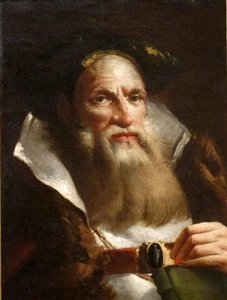
Giovanni Domenico Tiepolo
2007 - 1770, Italia
Biografie artist
Giovanni Domenico Tiepolo: Un Maestru al Fresco de Stil Rococo
Giovanni Domenico Tiepolo (30 august 1727 – 3 martie 1804) a fost un pictor și gravor italian de o importanță remarcabilă, născut în inima Republicii Veneției. Recunoscut ca o figură de vârf în stilul Rococo, el a moștenit și a extins moștenirea ilustrului său tată, Giovanni Battista Tiepolo. Cariera sa, întinsă pe parcursul mai multor decenii, a lăsat în urmă o creație bogată, definită prin culori vibrante, compoziții dinamice și reprezentări elegante de scene mitologice, portrete și peisaje care surprind esența artei venetiene.
Tinerețe și Formare Artistică
Născut într-o familie de artiști, viața timpurie a lui Giovanni Domenico a fost profund împletită cu universul creativ. Tatăl său, Giovanni Battista Tiepolo, un pictor celebru pentru frescele sale monumentale, i-a servit drept principal mentor. Sub îndrumarea tatălui său, Giovanni Domenico a urmat o instruire riguroasă, învățând tehnicile și nuanțele stilistice care aveau să îi modeleze propriul parcurs artistic. De asemenea, a beneficiat de influența altor maeștri de excepție ai epocii, precum Sebastiano Ricci și Federico Bencovich, ceea ce i-a extins orizonturile estetice. Încă din tinerețe, acesta l-a asistat frecvent pe tatăl său în proiecte de mare amploare, acumulând o experiență practică neprețuită în arta picturii în fresco.
Cariera Artistică și Stilul Personal
Cariera lui Giovanni Domenico a înflorit pe parcursul secolului al XVIII-lea, reușind să se impună ca un artist abil, capabil atât de creații independente, cât și de contribuții valoroase în proiecte colaborative. Deși la început a lucrat strâns alături de tatăl său, el a reușit să își dezvolte treptat un stil distinct, păstrând totodată elementele esteticii Rococo, dominantă în arta venetiană de atunci. Opera sa cuprinde o diversitate de tehnici, de la frescele monumentale la picturile pe pânză și gravuri detaliate.
- Frescele: Tiepolo era renumit în special pentru frescele sale, prin care a decorat numeroase locații din Italia cu scene elaborate. Exemple notabile includ frescele de la Ca' Dolfin, de pe Grand Canal din Veneția, și tavanul bisericii Gesuati (Santa Maria del Rosario), tot în Veneția.
- Picturile: Dincolo de fresce, el a creat un număr semnificativ de picturi pe pânză, reprezentând adesea subiecte mitologice sau portrete. Printre acestea se numără „Perseus and Andromeda” (vezi aici), „The Rape of Europa” (vezi aici) și „Hunter with Deer” (vezi aici).
- Gravurile: Tiepolo și-a demonstrat măiestria și în gravură, creând imprimeuri expresive și detaliate, precum „Die heiligen Augustinus, Ludwig von Frankreich, Johannes Evangelist und Magnus” (vezi aici).
Influențe și Evoluție Estetică
Dezvoltarea artistică a lui Giovanni Domenico a fost profund marcată de figura tatălui său, Giovanni Battista Tiepolo. El a moștenit de la maestrul mai în vârstă măiestria utilizării culorii, compoziția și capacitatea de a spune povești prin imagine. Totuși, stilul lui Giovanni Domenico a evoluat spre o accentuare a scenelor de gen și a reprezentărilor vieții cotidiene, ceea ce l-a diferențiat de lucrările mai monumentale și clasice ale tatălui său. De asemenea, artistul a manifestat un interes aparte pentru teatralitate și mișcare, elemente vizibile în picturi precum „Pulcinella” (vezi aici) și „Apotheosis of Hercules” (vezi aici).
Semnificația Istorică
Giovanni Domenico Tiepolo a jucat un rol crucial în continuitatea și evoluția stilului Rococo venetian. Deși, pe parcursul vieții sale, a fost uneori umbrit de faima imensă a tatălui său, astăzi este recunoscut ca un artist de o valoare inestimabilă în propriul său drept. Frescele și picturile sale oferă perspective prețioase asupra gusturilor artistice și a valorilor culturale ale Veneției și Italiei din secolul al XVIII-lea. Capacitatea sa de a îmbina temele clasice cu sensibilitățile contemporane i-a consolidat locul în miștoarea Rococo, lăsând în urmă o moștenire artistică vibrantă care continuă să fascineze publicul de astăzi.
Quick facts about Giovanni Domenico Tiepolo
- Artistic Movement Or Style: Rococo
- Artists Who Influenced This Artist: ['Giovanni Battista Tiepolo']
- Date Of Birth: August 30, 1727
- Full Name: Giovanni Domenico Tiepolo
- Nationality: Italian
- Notable Artworks:
- Perseus and Andromeda
- The Rape of Europa
- Hunter with Deer
- Place Of Birth: Venice, Italy
Explorați opere de artă organizate pe teme, stiluri și caracteristici.


Giovanni Domenico Tiepolo
Minuet
() ·
With its frame: · Hand-painted in oil on linen
Total