
 Previzualizare
 Trimite prin felicitare
 Distribuie
 Detalii despre lucrare
 Ghid
Ghid

 Descarcă imaginea
 Produse similare
 Radiografie
 Galerie foto
 Întrebări și răspunsuri
 Statistici
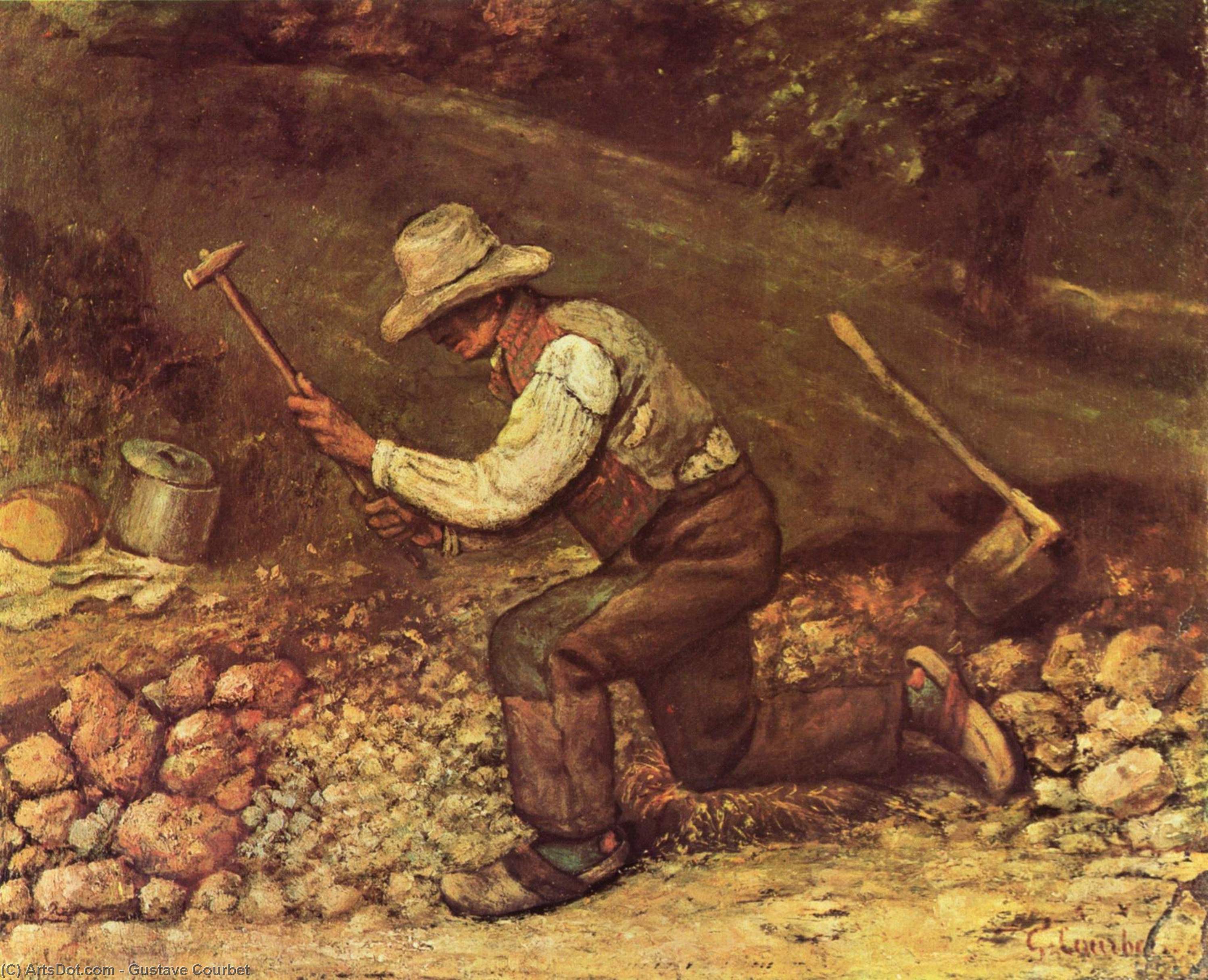
Cel spărgător de pietre

- 45.0 x 54.0 cm


Gustave Courbet. Descoperă capodopera realismului și esența muncii dure.
 Vezi mai mult
Gustave Courbet (1819-1877): Revoluționarul realismului francez! Explorează operele sale emblematice precum „Un demolitor” și descoperă impactul său asupra artei moderne.
Giclée / Imprimare artistică
Printuri giclée sau pe canvas de calitate muzeală, cu proces de producție rapid și opțiuni flexibile de finisare. ( Comandă pictură realizată manual Comută pe Imagine Digitală)




P118B lei10

P118H lei10

P118W lei10

P438Z lei10

P508JH lei12

P508YH lei12

P805H lei10

P805Z lei10

P919BZ lei10

P919G lei10

P919XJ lei10

P959ZH lei10

P968JZ lei12

W106C lei8

W218G lei10

W218JH lei8

W218Y lei10

W307PJ lei10

W316G lei10

W316PJ lei8

W316Y lei10

W398PJ lei8

W4111J lei10

W500HY lei15

W500JH lei15

W692G lei12

W849H lei8

W940BG lei15

W953PJ lei8




Standard
personalizat
CM
INCH
Alegeți dintre dimensiunile noastre prestabilite, care respectă proporțiile originale ale operei de artă.
Loading sizes...

lățime
înălțime
Introduceți lățimea și înălțimea necesare pentru a se potrivi ramei sau peretelui dumneavoastră. O printare poate fi doar tăiată, niciodată extinsă dincolo de dimensiunea imaginii originale, astfel încât o dimensiune cu o formă diferită va pierde o parte din imagine. Vă trimitem o simulare digitală pentru aprobare înainte de a imprima orice. Imaginea afișată pe această pagină nu prezintă tăierea reală — doar simularea arată acest lucru.
Livrare în întreaga lume () în 2 săptămâni, în loc de cele 4/5 săptămâni standard. (4 Noiembrie)

Livrare expres gratuită la nivel mondial

Pânză de in de înaltă calitate

Asigurare completă pentru transport

Garanție de rambursare a taxelor vamale

Garanția fidelității culorilor

Politica de retur în 100 de zile (doar pentru defecte de fabricație)

Garanție de rambursare 100%

Ofertă pentru comenzi multiple
 Opțiunea cu sticlă este disponibilă doar pentru dimensiuni de sub 110 cm

Cel spărgător de pietre
Giclée / Imprimare artistică
Dimensiune reproducere
-


Preț total calculat
lei 333
Cel spărgător de pietre
Obraiectul Cel spărgător de pietre de Gustave Courbet reprezintă o lucrare fundamentală a mișcării Realismului, capturând esența muncii și a determinării în Franța secolului al XIX-lea. Pictată în anul 1849, această capodoperă realizată în ulei pe pânză are dimensiunile de 45 x 54 cm și este caracterizată prin reprezentarea sa realistă a unui bărbat care sparge pietre într-un câmp.Compoziția Tabloului
Figura centrală a picturii este un bărbat purtând o pălărie, care folosește cu sârguință o târnăcop pentru a zdrobi rocile. Scena este situată pe un fundal de dealuri rotunde și copaci îndepărtați, subliniind izolarea și munca aspră a muncitorului. Alte instrumente sunt vizibile în scenă, inclusiv o lopată în partea dreaptă și una alta mai în spate. Două figuri suplimentare pot fi observate în depărtare, una aproape de colțul din stânga sus și cealaltă în colțul din dreapta jos.Semnificația Artistică
Cel spărgător de pietre a fost expus la Salonul de la Paris din 1850, unde a primit critici mixte. Unii critici au lăudat portretizarea sa realistă a vieții de zi cu zi, în timp ce alții au criticat aplicarea densă a vopselei și lumina slabă. Teoreticianul social Pierre-Joseph Proudhon a laude adus lucrării, considerând-o o pictură socialistă de succes, numind-o „o capodoperă a genului său”.Context Istoric
Courbet a realizat două versiuni ale operei Cel spărgător de pietre. Prima versiune a fost prezentată la Salonul de la Paris din 1850 și a fost ulterior achiziționată de Gemäldegalerie Alte Meister din Dresda. Din păcate, această versiune a fost distrusă în timpul celui de-al Doilea Război Mondial, în timp ce era relocată într-o unitate de depozitare sigură. A doua versiune, o imagine inversată, a supraviețuit războiului și face parte acum din Colecția Oskar Reinhart din Winterthur.Comparație cu Alte Opere
Cel spărgător de pietre a fost comparat cu Passing Mother's Grave, o pictură din 1856 realizată de Jozef Israëls. Ambele lucrări descriu luptele vieții cotidiene, însă, în timp ce Passing Mother's Grave se concentrează pe un pescar văduv și copiii săi, Cel spărgător de pietre pune în evidență munca solitară a unui spărgător de pietre.Moștenire și Influență
Cel spărgător de pietre este considerată o lucrare importantă în mișcarea Realistă, influențând artiști ulteriori precum Vincent van Gogh. Aceasta rămâne un exemplu puternic al capacității lui Courbet de a surprinde esența vieții de zi cu zi prin arta sa. Pentru mai multe informații despre Gustave Courbet și operele sale, vizitați Gustave Courbet: Cel spărgător de pietre pe TopImpressionists. Pentru a explora alte picturi realiste, vedeți Gustave Courbet: Îngroparea de la Ornans și Gustave Courbet: O înmormântare la Ornans.Întrebări și răspunsuri
Ce tehnică a fost utilizată pentru "Cel spărgător de pietre" și în ce an a fost creată?
Tehnica utilizată pentru "Cel spărgător de pietre" de Gustave Courbet este Acrilic pe pânză întinsă, iar lucrarea datează din 1849.
Pot vedea "Cel spărgător de pietre" de Gustave Courbet pe propriul meu perete înainte de achiziție?
Pagina Previzualizare în AR pentru "Cel spărgător de pietre" de Gustave Courbet folosește realitatea augmentată pentru a vizualiza opera de artă în propriul tău spațiu, pe un dispozitiv compatibil.
În ce etapă a evoluției lui Gustave Courbet se încadrează „Cel spărgător de pietre”?
În cariera lui Gustave Courbet, „Cel spărgător de pietre” aparține perioadei Perioada de maturitate. Această etapă facilitează compararea sa cu celelalte opere ale artistului.
Opere similare




Biografie artist
A Rebel’s Brush: The Life and Legacy of Gustave Courbet
Jean Désiré Gustave Courbet, born July 31, 1819, in Ornans, France, stands as a monumental figure in the history of art – a defiant iconoclast who irrevocably altered the trajectory of painting during the mid-nineteenth century. More than simply capturing visual impressions; his oeuvre embodies a profound philosophical commitment to portraying reality without embellishment, establishing him as the undisputed progenitor of Realism and profoundly influencing subsequent artistic movements like Impressionism and Post-Impressionism. His story unfolds not merely through brushstrokes but through a courageous confrontation with societal expectations and an unwavering dedication to artistic integrity.Early Life and Artistic Training
Courbet’s upbringing in Ornans, a modest village nestled in Burgundy, instilled within him a grounding in rural life – a formative experience that would permeate his artistic vision. His parents, bourgeois landowners, recognized and nurtured his burgeoning talent for drawing from an early age, providing him with invaluable encouragement that propelled him toward formal artistic training at the École des Beaux-Arts in Paris in 1839. However, unlike many of his contemporaries who sought to emulate the grandeur and idealism championed by Romantic painters like Eugène Delacroix and Théodore Géricault, Courbet swiftly rejected these conventions. He perceived them as artificial constructs that distanced art from genuine observation and experience—a stance that would define his artistic crusade. While acknowledging influences from masters such as Caravaggio for their masterful use of chiaroscuro and dramatic realism, Courbet deliberately forged his own path, prioritizing directness and materiality over stylistic imitation.The Birth of Realism: Challenging Artistic Conventions
Courbet’s artistic breakthrough arrived with a deliberate repudiation of the prevailing aesthetic standards of his time. He eschewed mythological narratives and heroic allegories; instead, he turned his gaze toward the everyday lives of ordinary people—particularly those engaged in labor and rural existence. This unwavering devotion to depicting reality as he perceived it – what would soon become known as Realism – initially encountered vehement opposition from critics accustomed to idealized representations steeped in romantic sentimentality. Early canvases explored landscapes and portraits, yet swiftly transitioned towards scenes of working-class life rendered on a scale traditionally reserved for monumental historical paintings. This conscious decision wasn’t merely stylistic; it was an assertion of the inherent dignity and significance of subjects often marginalized by artistic discourse. Consider The Stone Breakers (1849), tragically destroyed during World War II—a painting that encapsulates Courbet's revolutionary approach: two laborers, rendered with unflinching detail and muted colors, embody the harsh realities of rural toil without resorting to sentimental embellishment. This work served as a powerful rebuke to academic art’s preoccupation with noble subjects and idealized beauty.Major Works and Artistic Philosophy
Courbet’s artistic philosophy extended beyond subject matter to encompass technique—a cornerstone of his distinctive style. He championed *impasto*, applying paint thickly onto the canvas, prioritizing texture and materiality over smooth surfaces. This method allowed him to capture the physicality of the world around him with unprecedented accuracy, mirroring the tactile experience of observing nature or engaging in manual labor. His monumental canvases like A Burial at Ornans (1850-51) – a depiction of a provincial funeral—further solidified his reputation as a provocateur and champion of artistic freedom. The sheer scale of the painting, coupled with its uncompromising realism and rejection of emotional sentimentality, shocked audiences accustomed to grand historical narratives imbued with moral didacticism. Courbet’s refusal to conform to academic expectations resonated deeply with artists who sought to express their own perspectives on contemporary society—a legacy that continues to inspire artistic experimentation today. He also produced evocative landscapes like View in the Forest of Fontainebleau (1855), capturing the beauty of the natural world without romanticizing it, demonstrating his commitment to truthful representation.Legacy and Historical Significance
Gustave Courbet’s influence on subsequent art movements is undeniable—a testament to his transformative vision of artistic practice. While he drew inspiration from earlier masters like Caravaggio for their dramatic realism and masterful use of light and shadow, his impact transcended mere stylistic imitation. He liberated Impressionists and Post-Impressionists from the constraints of traditional representation, encouraging them to explore new ways of perceiving and portraying the world—a legacy that persists in contemporary art. His unwavering advocacy for artistic freedom cemented his place as a pivotal figure in the history of modernism—a rebel who dared to challenge convention and champion truthfulness above all else. Courbet died April 29, 1877, leaving behind an oeuvre that continues to provoke contemplation and inspire artists worldwide. He remains a symbol of artistic integrity and a beacon for those striving to express their own vision of reality.
Gustave Courbet
1819 - 1877 , Franța
Detalii rapide
- Artistic Movement Or Style: Realism
- Artists Or Movements Influenced By This Artist:
- Impressionism
- Post-Impressionism
- Artists Who Influenced This Artist:
- Eugène Delacroix
- Théodore Géricault
- Caravaggio
- Date Of Birth: 31 iulie 1819
- Date Of Death: 29 aprilie 1877
- Full Name: Gustave Courbet
- Nationality: Franțuzesc
- Notable Artworks:
- Un demolitor
- Un funerariu la Ornans
- Atelierul pictorului
- Place Of Birth: Orléans, Franța
Articole similare

Realismul în Artă: 10 Capodopere Esențiale pentru Decorul Tău
Descoperă 10 capodopere ale realismului! Explorează poveștile din spatele picturilor Courbet, Manet și Millet. Reproduceri de artă de calitate muzeală pentru un decor interior inspirat. Vezi colecția completă pe TopImpressionists.com

Gustav Klimt: Cele Mai Frumoase 25 de Capodopere – Artă Decorativă pentru Casa Ta
Descoperă cele mai frumoase 25 de picturi Gustav Klimt! Explorează simbolismul, arta secesionului vienez și culorile vibrante din capodopere precum 'The Kiss'. Reproduceri artă de lux pentru decor interior pe TopImpressionists.com.

Gustave Courbet: Realism's Revolutionary Vision & the Social Canvas of 19th-Century France
Explore the revolutionary art of Gustave Courbet, pioneer of Realism. Discover his iconic paintings, social commentary, and lasting impact on 19th-century French art history. Expert analysis & insights.

Romantic Realism's Finest: 10 Masterpieces for Your Home | TopImpressionists
Explore 10 defining masterpieces of Romantic Realism! Discover Courbet, Millet & Daumier's powerful paintings—capturing emotion and social realities. Find museum-quality reproductions for your home at TopImpressionists.com.

The Enduring Appeal of Realism: Technique, History & Emotional Impact
Explore the captivating world of 19th-century Realism! Discover key artists like Courbet & Millet, masterpieces, and its lasting impact on art history. Expert insights at TopImpressionists.
Explorați opere de artă organizate pe teme, stiluri și caracteristici.


