

 Previzualizare
 Trimite prin felicitare
 Distribuie
 Detalii despre lucrare
 Ghid
Ghid

 Descarcă imaginea
 Produse similare
 Radiografie
 Galerie foto
 Întrebări și răspunsuri
 Statistici
Clair de lune

- 20.0 x 28.0 cm


Explore 'Clair de lune' by Henri-Joseph Harpignies – a serene 1897 landscape painting in the Barbizon style. Delicate brushstrokes & muted colors evoke tranquility. #Impressionism #LandscapeArt
 Vezi mai mult
Henri-Joseph Harpignies: picturi serene și idilice din peisajele franceze, un maestru al Școlii Barbizon. Descoperiți atmosfera și frumusețea naturii în operele sale captivante!
Giclée / Imprimare artistică
Printuri giclée sau pe canvas de calitate muzeală, cu proces de producție rapid și opțiuni flexibile de finisare. ( Comandă pictură realizată manual Comută pe Imagine Digitală)




































Standard
personalizat
CM
INCH
Alegeți dintre dimensiunile noastre prestabilite, care respectă proporțiile originale ale operei de artă.
Loading sizes...

lățime
înălțime
Introduceți lățimea și înălțimea necesare pentru a se potrivi ramei sau peretelui dumneavoastră. O printare poate fi doar tăiată, niciodată extinsă dincolo de dimensiunea imaginii originale, astfel încât o dimensiune cu o formă diferită va pierde o parte din imagine. Vă trimitem o simulare digitală pentru aprobare înainte de a imprima orice. Imaginea afișată pe această pagină nu prezintă tăierea reală — doar simularea arată acest lucru.
Livrare în întreaga lume () în 2 săptămâni, în loc de cele 4/5 săptămâni standard. (5 Noiembrie)

Livrare expres gratuită la nivel mondial

Pânză de in de înaltă calitate

Asigurare completă pentru transport

Garanție de rambursare a taxelor vamale

Garanția fidelității culorilor

Politica de retur în 100 de zile (doar pentru defecte de fabricație)

Garanție de rambursare 100%

Ofertă pentru comenzi multiple
 Opțiunea cu sticlă este disponibilă doar pentru dimensiuni de sub 110 cm

Clair de lune
Giclée / Imprimare artistică
Dimensiune reproducere
-


Preț total calculat
lei 335
The painting Clair de Lune by Henri-Joseph Harpignies is a stunning example of late 19th-century landscape art. Created in 1897, this oil on panel piece measures 20 x 28 cm and is currently housed at the Museum of Gloucester in Gloucester, United Kingdom. The artwork showcases a serene night scene with a moonlit sky above the landscape, evoking a sense of peace and tranquility.
The Clair de Lune painting is a beautiful example of late 19th-century landscape art, showcasing the serene beauty of a moonlit night scene. With its soft colors and delicate brushstrokes, this piece is sure to captivate art lovers and inspire a sense of peace and tranquility. For more information on Henri-Joseph Harpignies and his works, visit TopImpressionists.com.
Artistic Style and Influences
Henri-Joseph Harpignies' style is characterized by his use of soft, muted colors and delicate brushstrokes. His work was influenced by the Barbizon school, a group of French landscape painters who emphasized the importance of capturing the natural world. The Clair de Lune painting is a prime example of this style, with its dreamy, ethereal quality and focus on the play of light and shadow.Similar Works and Artists
Other notable artists who explored similar themes and styles include Johan Christian Clausen Dahl, known for his moonlit landscapes like Lake Esrom by Moonlight, available as a handmade oil painting reproduction on TopImpressionists.com. Another example is William Merritt Chase, an American artist who created stunning oil-on-panel works like Terrace at the Mall, Central Park, also available on TopImpressionists.com.- Soft, muted colors and delicate brushstrokes characterize Henri-Joseph Harpignies' style.
- The Barbizon school influenced his work, emphasizing the importance of capturing the natural world.
- Similar artists include Johan Christian Clausen Dahl and William Merritt Chase, whose works are available on TopImpressionists.com.
The Clair de Lune painting is a beautiful example of late 19th-century landscape art, showcasing the serene beauty of a moonlit night scene. With its soft colors and delicate brushstrokes, this piece is sure to captivate art lovers and inspire a sense of peace and tranquility. For more information on Henri-Joseph Harpignies and his works, visit TopImpressionists.com.
Întrebări și răspunsuri
Care sunt dimensiunile originalului "Clair de lune" de Henri-Joseph Harpignies?
Lucrarea originală "Clair de lune" de Henri-Joseph Harpignies are dimensiunile de 20 x 28 cm.
La ce artist este atribuită opera „Clair de lune”?
„Clair de lune” este atribuit lui Henri-Joseph Harpignies.
Pot folosi realitatea augmentată pentru a vedea "Clair de lune" de Henri-Joseph Harpignies în camera mea?
Poți vizualiza "Clair de lune" de Henri-Joseph Harpignies pe propriul tău perete folosind pagina Previzualizare în AR a operei de artă, prin intermediul realității augmentate pe un dispozitiv compatibil.
Opere similare


Biografie artist
Early Life and Artistic Aspirations
Born on June 28, 1819, in the historic city of Valenciennes, France, Henri-Joseph Harpignies’ early life was marked by a subtle conflict between familial expectations and an undeniable artistic calling. His parents, hailing from Belgian origins, envisioned a future for him within the established business world – a path of stability and financial security. However, from a young age, Henri demonstrated a profound connection to the natural world and a fervent desire to capture its beauty through art. This passion, far from being dismissed as a mere youthful fancy, proved remarkably resilient, ultimately triumphing over his family’s carefully laid plans. At the tender age of fourteen, Henri's artistic talent began to blossom, earning him numerous first-place prizes in local drawing competitions – a testament to his burgeoning skill and dedication. He found solace and inspiration in observing the landscapes surrounding Valenciennes, meticulously sketching the rolling hills, verdant forests, and meandering rivers. This early exposure to nature would profoundly shape his future artistic vision, instilling within him a deep reverence for the French countryside. Recognizing his son’s unwavering commitment to art, Henri's parents ultimately conceded, allowing him to pursue his artistic ambitions – a decision that proved pivotal in shaping the course of his life and legacy.The Barbizon School and Italian Inspiration
Following two years of rigorous training under the esteemed painter Jean Achard in Paris, Henri embarked on a transformative journey to Italy in 1848. This experience served as a catalyst for profound artistic growth, fundamentally altering his perspective and approach to landscape painting. Upon his return to France in 1850, he quickly immersed himself in the vibrant world of the Barbizon School – a movement that championed direct observation of nature and a rejection of academic conventions. Artists like Jean-Baptiste-Camille Corot, whose work resonated deeply with Henri’s sensibilities, became influential mentors and collaborators. The Barbizon painters' emphasis on capturing the essence of rural life, rendered in earthy tones and imbued with a sense of quiet contemplation, profoundly impacted Henri’s artistic development. He eagerly embraced their techniques, learning to paint *en plein air* – directly from nature – and developing his own distinctive style characterized by atmospheric perspective and subtle nuances of light. In 1860, he further enriched his artistic understanding through a collaborative trip back to Italy with Corot, absorbing the beauty of the Italian landscape and refining his observational skills. This period marked a crucial stage in his artistic evolution, solidifying his commitment to capturing the sublime qualities of nature.Artistic Style and Notable Works
Henri’s artistic style is immediately recognizable for its serene and idyllic depictions of the French countryside. He possessed an extraordinary ability to capture the subtle shifts in light and atmosphere, creating landscapes that evoke a profound sense of tranquility and harmony. His technique was characterized by meticulous observation combined with a refined understanding of composition – he carefully considered every element within his paintings, striving to create balanced and visually compelling scenes. While undeniably influenced by the Barbizon School’s realism, Henri developed a unique artistic voice, often imbuing his work with a poetic sensibility that went beyond mere representation. His paintings are not simply depictions of landscapes; they are invitations to immerse oneself in their beauty and contemplate the profound connection between humanity and nature. Among his most celebrated works are:- Soir sur les bords de la Loire (Evening on the Banks of the Loire) – 1861: This iconic painting exemplifies his mastery of atmospheric perspective, capturing the ethereal glow of twilight reflected upon the tranquil waters of the Loire River.
- Les corbeaux (The Ravens) – 1865: A hauntingly beautiful depiction of a flock of ravens soaring across a bleak landscape, conveying a sense of melancholy and solitude.
- Le soir (Evening) – 1866: A masterful portrayal of dusk settling over the French countryside, capturing the subtle shifts in color and light with remarkable precision.
- La loire (The Loire) – 1882: Another stunning depiction of the Loire River, showcasing his ability to capture the movement of water and the play of sunlight upon its surface.
- Vue de Saint-Privé (View of Saint-Privé) – 1883: A charming and picturesque scene depicting a typical French village nestled amidst rolling hills.
Legacy and Historical Significance
Henri-Joseph Harpignies’ artistic legacy extends far beyond the individual paintings that grace museum collections across France and Europe. He was not merely a painter; he was a dedicated teacher, imparting his knowledge and passion to numerous students – including Émile Appay and James Wilson Morrice – who went on to become influential artists in their own right. His influence can be seen throughout the late 19th and early 20th centuries, shaping the direction of French landscape painting and inspiring generations of artists to embrace a more direct and expressive approach to nature. Harpignies’ work is held in prestigious institutions such as the Musée des Beaux-Arts Valence, the National Gallery in London, and the Art Institute of Chicago, ensuring his enduring recognition as a master of landscape art. His paintings are not simply beautiful images; they are windows into a bygone era – glimpses of a France steeped in tradition, beauty, and a profound connection to the natural world. Henri-Joseph Harpignies’ contribution to the history of French painting is undeniable, solidifying his place as a pivotal figure in the development of landscape art.
Henri-Joseph Harpignies
1819 - 1916 , Franța
Detalii rapide
- Artistic Movement Or Style: Barbizon
- Artists Who Influenced This Artist:
- Jean Achard
- Jean Baptiste Camille Corot
- Date Of Birth: 28 iunie 1819
- Date Of Death: 28 august 1916
- Full Name: Henri-Joseph Harpignies
- Nationality: Belgian
- Notable Artworks:
- Soir sur les bords de la Loire
- Les Corbeaux
- Le Soir
- Le Saut-du-Loup
- La Loire
- Place Of Birth: Valenciennes, Franța
Articole similare
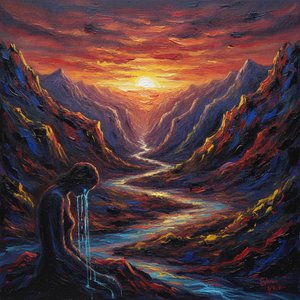
Capturing Emotion: A Journey Through the Soul of Expressionist Landscapes
Explore the profound emotional depth of Expressionist landscapes. Discover how Post-Impressionist masters moved beyond light to capture the soul through vibrant color and form. A curated journey for true art lovers seeking the beauty of expressive mastery.

The Magic of Tonalism: Capturing Mood, Mist, and Atmospheric Emotion in Landscape Art
Discover the ethereal beauty of Tonalism. Explore how master artists use mist, soft light, and muted palettes to capture profound emotion and atmospheric mood in landscape painting. A deep dive into this quiet, introspective art movement for true connoisseurs.
Explorați opere de artă organizate pe teme, stiluri și caracteristici.