

Shown: · With its frame:
 Previzualizare
 Trimite prin felicitare
 Distribuie
 Detalii despre lucrare
 Ghid
Ghid

 Descarcă imaginea
 Produse similare
 Radiografie
 Galerie foto
 Q&A
Q&A Statistici
 Ulei pe panou rigid
- Artă de perete
- Gotic târziu
 1505
1505- Evul Mediu târziu
 86.0 x 50.0 cm
 Palazzo Ducale
lei 1251
Reproducere pictată manual în ulei
Pictură în ulei pe pânză, pictată manual de artiștii noștri la dimensiunea și ramele dorite de dumneavoastră, pe comandă. ( Comută pe versiunea Print Comută pe Imagine Digitală)
Size
·Standard
personalizat
CM
INCH
Alegeți dintre dimensiunile noastre prestabilite, care respectă proporțiile originale ale operei de artă.
Loading sizes...

lățime
înălțime
Introduceți lățimea și înălțimea necesare pentru a se potrivi ramei sau peretelui dumneavoastră. Această lucrare este pictată manual, așa că, pentru o dimensiune cu o formă diferită, artistul poate picta puțin mai mult în jurul imaginii sau poate tăia puțin din margini — dumneavoastră decideți. Vă vom trimite o simulare digitală pentru aprobare înainte de a începe pictarea. Imaginea afișată pe această pagină nu reprezintă rezultatul real — doar simularea este reprezentativă.
 Citește mai mult
Finish
·
White lei1

Blurside lei1

Extended lei1

P118B lei10

P118H lei10

P118W lei10

P438Z lei10

P508JH lei12

P508YH lei12

P805H lei10

P805Z lei10

P919BZ lei10

P919G lei10

P919XJ lei10

P959ZH lei10

P968JZ lei12

W106C lei8

W218G lei10

W218JH lei8

W218Y lei10

W307PJ lei10

W316G lei10

W316PJ lei8

W316Y lei10

W398PJ lei8

W4111J lei10

W500HY lei15

W500JH lei15

W692G lei12

W849H lei8

W940BG lei15

W953PJ lei8

H24-GOLD lei30

H24-SILVER lei30

H36-GOLD lei45

H36-SILVER lei45
Shipped in a protective tube, ready for your own framer.
Above 105 cm the frame is shipped as a kit for a professional framer — read the details.
Extras
optionalWhat do the extras include?
Examples of what can be changed: Replace face with customer photo; Add pet (e.g., replace cat with dog); Include hidden message in background; Change background landscape or elements.
After order, TopImpressionists.com team will email client for instructions and provide a mockup preview
After order, TopImpressionists.com team will email client for instructions and provide a mockup preview
Livrare în întreaga lume () în 3-4 săptămâni, în loc de cele 5 săptămâni standard. (29 Octombrie). Fără compromisuri în ceea ce privește calitatea.
Lac de protecție
Etichetă de prezentare
Detalii plăcuță din bronz gravat
This elegant plaque features the artist's name and the title of the artwork, finely engraved for a timeless presentation.
It is made from bronze with a refined, elegant finish. The text is precisely laser-engraved for a sharp and permanent result. Measuring 9x2 cm, the plaque is compact yet easy to read. It's built to be durable and scratch-resistant, offering a professional, museum-quality look. Mounting is simple thanks to the included adhesive backing.
Detalii plăcuță din acril transparent
The plaque includes essential engraved details such as the artist's name, the title of the artwork, the date it was created, the type of media used-like oil on canvas or watercolor-a brief description of the piece, and a QR code that links to the complete artwork information.
It is crafted from clear acrylic, offering a sleek, modern appearance. The text is UV-engraved in black to ensure strong visual contrast. With a size of 10x15 cm, it ensures optimal readability. It comes equipped with two metal hooks for secure wall mounting. The plaque is designed to be weather-resistant, making it suitable for various environments, and it includes interactive features that work seamlessly with smartphone scanning.
Detalii placă din acril negru
This elegant plaque includes engraved information such as the artist's name, the title of the artwork, the date it was created, the type of media used (like oil on canvas or watercolor), a short description of the artwork, and a QR code for quick access to more information.
The plaque itself is made from refined black acrylic with a premium finish. The text is laser-engraved in white for high contrast and readability. Its size is 10x15 cm, designed to be easy to read. It comes with two metal hooks for professional mounting. The design is sleek and fits any interior style. It is also weather-resistant and durable, with built-in digital integration for mobile compatibility.
Opțiunea cu sticlă este disponibilă doar pentru dimensiuni de sub 110 cm
 Opțiunea cu sticlă este disponibilă doar pentru dimensiuni de sub 110 cm
- Livrare expres gratuită la nivel mondial
- Pânză de in de înaltă calitate
- Asigurare completă pentru transport
- Garanție de rambursare a taxelor vamale
- Garanția fidelității culorilor
- Politica de retur în 100 de zile (doar pentru defecte de fabricație)
- Garanție de rambursare 100%
- Ofertă pentru comenzi multiple


Descriere obiect de colecție
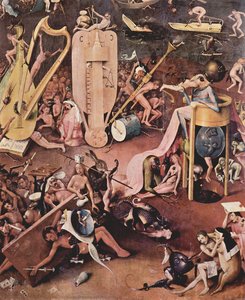
Experimentați sălbierea fascinantă și fantastică a Tripticului Sfinților Ermiți de Hieronymus Bosch, o capodoperă a artei neterlandeze timpurii care vă invită să explorați profunzimi sale spirituale remarcabile.
Biografie artist
Descoperiți misteriosul Hieronymus Bosch (1450-1516), pictor olandez genial, renumit pentru viziunile sale suprarealiste și simbolism complex. Explorează operele sale iconice, temele religioase și scene din coșmaruri – o influență de neclintit în istoria artei.
About the painting
O călătorie vizionară prin suflet
În captivantul și frumosul Tripticul Sfinților Eremuți, atribuit maestrului Hieronymus Bosch, privitorii sunt invitați într-un peisaj psihologic în care granițele dintre pământ și divin se dizolvă. Creat în jurul anului 1505, această lucrare monumentală servește drept o mărturie profundă a anxietăților spirituale ale Europei secolului al XV-lea. Tripticul nu doar reprezintă figuri religioase; el scufundă observatorul într-un tărâm al unei contemplații teologice profunde, unde realismul meticulos al tradiției nederlandeze întâlnește un vis febril de elemente fantastice. Pe măsură ce privim cele trei panouri, apare un sentiment imediat de a fi transportat într-a unei lumi în care fiecare umbră ascunde un secret, iar fiecare lumină semnifică o întâlnire divină.
Narativul se desfășoară prin viețile sfinților, concentrându-se în special pe temele singurătății, devotamentului și puterii transformatoare a credinței. Într-un panou, asistăm la primii ani ai unei figuri precum Sfântul Francis, îmbrăcat în haine fine în mijlocul splendoarei lumești; totuși, pe măsură ce panourile avansează, imaginile se mută spre frumusețea ascetică a renunțării. Tranziția de la bogăția materială la simplitatea robelor, înconjurat de compania liniștită a animalelor și păsărilor, evocă un arc emoțional puternic de iluminare spirituală. Această mișcare de la secular la sacru este surprinsă cu o asemenea intimitate, încât privitorul simte greutatea luptei sfântului și pacea finală găsită în harul divin.
Măiestria tehnicii lui Bosch
Ceea ce face din acest triptic un capodoperă esențială pentru orice colecție serioasă este capacitatea fără egal a lui Bosch de a îmbina precizia tehnică cu imaginația suprarealistă. Artistul a utilizat metode sofisticate, precum sfumato și glazuri delicate, pentru a crea o atmosferă de luminescență eterică. Această lumină moale, strălucitoare, oferă un contrast izbitor cu figurile adesea grotesque sau tulburătoare care locuiesc în aceste peisaje. Fiecare pensulată contribuie la o textură densă și stratificată, care conferă picturii un sentiment palpabil de profunzime și viață. Pentru colecționarul exigent sau designerul de interior, această complexitate oferă un interes vizual nesfârșit, deoarece ochiul este constant recompensat cu detalii noi—de la texturile intricate ale pietrei erodate până la expresiile subtile și emoționante de pe fețele eremiților.
Compoziția este o simfonie a detaliului, unde peisajele de fundal sunt la fel de comunicative precum figurile centrale. Bosch utilizează un amestec unic de realism meticulos și abstractizare simbolică, creând un sentiment de „intimitate monumentală”. Această tehnică permite operei să atragă atenția într-un cadru de mari dimensiuni, rămânând în același timp profund personală la o inspecție atentă. Modul în care lumina interacționează cu pigmenții creează un efect sclipitor care poate insufla viață în orice spațiu amenajat, transformând lucrarea într-o piesă centrală ce aprinde conversații și invită la o meditație prelungită.
Simbolism și rezonanță emoțională
Dincolo de splendoarea sa vizuală, Tripticul Sfinților Eremuți este o explorare profundă a vulnerabilității umane. Imaginile stigmatelor—semnele divine ale suferinței și ale favorelor—servesc drept un simbol puternic al intersecției dintre agonia umană și recompensa cerească. Bosch folosește aceste simboluri pentru a interoga însăși natura credinței: susceptibilitatea sa la tentație și triumful său final asupra întunericului. Pentru cei care apreciază arta ce posedă profunzime intelectuală, această piesă oferă o bogată tapiserie de iconografie, unde animalele, peisajele și lumina servesc toate ca metafore pentru călătoria sufletului prin pustiul păcatului către sanctuarul mântuirii.
Integrarea unei reproduceri de înaltă calitate a unei astfel de opere semnificative într-un plan de design interior oferă mai mult decât simpla decorațiune; ea introduce un sentiment de gravitate istorică și introspecție spirituală. Impactul emoțional al tripticului constă în capacitatea sa de a evoca atât uimire, cât și neliniște, provocând privitorul să își confrunte propriile percepții despre moralitate și transcendență. Este o piesă concepută pentru cei care caută o artă ce nu doar decorează un perete, ci îmbogățește însăși atmosfera unei cămini, oferind o fereastră către una dintre cele mai enigmatice perioade ale istoriei artei.
Întrebări și răspunsuri
În ce an a fost creată "Tripticul Sfinților Ermiți" de Hieronymus Bosch?
Opera "Tripticul Sfinților Ermiți" de Hieronymus Bosch a fost creată în 1505.
Ce emoție transmite opera de Gotic târziu „Tripticul Sfinților Ermiți”?
"Tripticul Sfinților Ermiți" emană o Misterios notă emoțională, specifică mișcării Gotic târziu.
Cum pot descoperi opere de artă similare cu "Tripticul Sfinților Ermiți" de Hieronymus Bosch?
Descoperă lucrări similare cu „Tripticul Sfinților Ermiți” în pagina Lucrări similare a operei de artă.
Quick facts and art quiz
About Hieronymus Bosch

Hieronymus Bosch
1450 - 1516, Olanda
Biografie artist
A Netherlandish Enigma: The Life and Art of Hieronymus Bosch
Born around 1450 in the vibrant, bustling town of ’s-Hertogenbosch in the Netherlands—then part of Brabant—Hieronymus Bosch, originally Jheronimus van Aken, remains one of art history’s most compelling and mysterious figures. His world was steeped in late medieval religious fervor, folklore, and a growing sense of societal unease, all of which would profoundly shape his uniquely unsettling artistic vision. Coming from a family with a long tradition of painting—his grandfather, Jan van Aken, and father, Anthonius van Aken, were both artists—Bosch likely received his earliest training within the family workshop, absorbing the techniques and conventions of Netherlandish painting. However, even in his formative years, he began to diverge from established norms, hinting at the extraordinary imagination that would define his career. Biographical details are frustratingly scarce; records are fragmented, leaving much open to speculation and interpretation, adding to the aura of mystique surrounding both the man and his work. He married Aleyt Goyaerts van den Meerveen sometime before 1481, a union that provided him with some financial security through her family’s holdings, but little else is known about their personal life.Fantastical Visions and Symbolic Depths
Bosch's artistic style is instantly recognizable—a captivating blend of meticulous detail and wildly imaginative imagery. He primarily worked with oil on oak panels, demonstrating a masterful command of the medium, achieving luminous colors and intricate textures. While his early works show influences from traditional Netherlandish painting, particularly in their realism and attention to detail, he quickly moved beyond mere imitation, developing a profoundly original vision. His paintings are not simply representations of reality; they are allegorical landscapes populated by bizarre creatures, hybrid beings, and unsettling scenes that seem plucked from dreams—or nightmares. Religious themes form the core of much of his work, but these are rarely straightforward depictions of biblical stories. Instead, Bosch uses symbolism to explore complex moral and theological concepts, often focusing on the dangers of sin, the fragility of earthly pleasures, and the inevitability of divine judgment. His creatures—grotesque demons, fantastical animals, and strangely human figures—are not merely decorative elements; they are embodiments of vice, temptation, and spiritual corruption. The blending of the sacred and the profane, the beautiful and the grotesque, creates a uniquely unsettling effect that continues to captivate viewers centuries later.Masterpieces of Moral Allegory
Among Bosch’s most celebrated achievements is The Garden of Earthly Delights (c. 1490-1510), a triptych that remains one of the most enigmatic and debated works in art history. When opened, it presents a panoramic vision of paradise, earthly life, and hell—a complex allegorical representation of humanity’s fall from grace. The left panel depicts the Garden of Eden, teeming with fantastical creatures and lush vegetation; the central panel portrays a world consumed by sensual pleasure and unrestrained desire; and the right panel offers a terrifying glimpse into the torments of hell. The Triptych of the Last Judgement (c. 1480-1490) is another powerful example of his skill in portraying both heavenly bliss and infernal torment, while The Ascent of the Blessed (c. 1480-1490) demonstrates his ability to create ethereal and dreamlike scenes. Even smaller works like Epiphany (c. 1495) showcase his innovative use of oil on wood and complex symbolism, revealing a mind constantly grappling with profound questions about faith, morality, and the human condition.Influences and Artistic Development
Identifying Bosch’s direct influences is a challenging task, given the originality of his vision. Scholars suggest possible connections to medieval folklore, religious texts—particularly those emphasizing apocalyptic themes—and the prevailing anxieties of the time, including fears of heresy and social upheaval. However, it's clear that he synthesized these elements into something entirely new and uniquely his own. His early works show a clear debt to the conventions of Netherlandish painting, particularly in their realism and attention to detail. Yet, as he matured, Bosch began to experiment with new techniques and compositional strategies, developing a style characterized by its meticulous detail, vibrant colors, and unsettling imagery. He was also influenced by the work of other artists, including Jan van Eyck and Rogier van der Weyden, but ultimately forged his own distinctive path. The influence of the *Grotesque* tradition is evident in many of his works, a style that emphasized the bizarre and fantastical, often with a satirical or critical edge.Legacy and Enduring Influence
Bosch’s work has had a profound and lasting impact on art history. He is considered one of the pioneers of Surrealism, inspiring generations of artists with his dreamlike imagery and exploration of the subconscious. His paintings continue to fascinate and provoke debate, solidifying his place as a master of Netherlandish painting and a visionary artist whose influence extends far beyond his own time. The unsettling beauty of his creations—the grotesque creatures, the bizarre landscapes, the moral allegories—remains deeply resonant today, inviting viewers to contemplate the complexities of human nature and the eternal struggle between good and evil. His paintings offer valuable insights into the religious, social, and psychological climate of the late 15th and early 16th centuries, challenging conventional norms and paving the way for new forms of artistic expression. He died in 1516, leaving behind a body of work that continues to haunt and inspire, ensuring his enduring legacy as one of art history’s most singular and unforgettable voices.Quick facts about Hieronymus Bosch
- Artistic Movement Or Style: Surrealism, Simbolism
- Artists Or Movements Influenced By This Artist: ['Pieter Bruegel cel Bătrân']
- Date Of Birth: c. 1450
- Date Of Death: 1516
- Full Name: Hieronymus Bosch
- Nationality: Olandez
- Notable Artworks:
- Gardenul Placerilor Pamantesti
- Judecata de Sus
- Ascensiunea Sfintilor
- Epifania
- Place Of Birth: Den Bosch, Olanda
Explorați opere de artă organizate pe teme, stiluri și caracteristici.




Hieronymus Bosch
Tripticul Sfinților Ermiți
() ·
With its frame: · Hand-painted in oil on linen
Total