


 Vezi în context
 Trimite
 Distribuie
 Detalii
 Ghidul

 Descarcă
 Produse similare
 Radiografie
 Diaporama
 Statistici
Dance Class


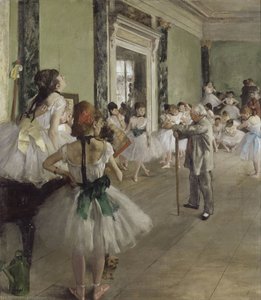
Experience Edgar Degas's 'Dance Class'! This iconic 1871 painting captures ballet rehearsals with stunning detail & movement. Part of the Met’s collection, it showcases Degas’s unique artistic vision.
 Citește mai mult
Edgar Degas: Artist impresionist revoluționar, cunoscut pentru dansatoarele de balet și scenele pariziene inovatoare – un maestru al artei moderne cu o abordare unică a reprezentării lumii.
Achiziționați o imagine digitală de înaltă rezoluție, îmbunătățită, mult superioară previzualizării online.
Fiecare fișier este pregătit cu meticulozitate de specialiștii noștri interni, utilizând instrumente avansate și retușare manuală expertă. Ne asigurăm că fiecare imagine beneficiază de o claritate excepțională, o acuratețe precisă a culorilor și detalii fine.
Fișierul final este livrat prin e-mail în termen de 72 de ore, optimizat pentru utilizare imediată în medii profesionale, editoriale și de imprimare. Aceasta este aceeași calitate în care au încredere studiouri de design, edituri și galerii de top.
Imagine Digitală
Descărcați un fișier la rezoluție înaltă pentru afișare personală, imprimare și proiecte creative. ( Comută pe versiunea Print Comandă pictură realizată manual)
Inclus în fiecare comandă de imagini digitale
Livrare digitală de expertiză, garantată
Când alegeți TopImpressionists.com, nu primiți doar o simplă imagine – primiți o operă de artă digitală îmbunătățită profesional, creată cu precizie și susținută de o garanție de satisfacție. Iată tot ceea ce primești odată cu comanda ta, în mod automat:

Livrare rapidă prin e-mail
Fișierul imaginii digitale la rezoluție înaltă vă va fi trimis prin e-mail în termen de 72 de ore de la finalizarea comenzii – gata pentru utilizare imediată.

Fișier digital optimizat prin IA
Opera ta de artă este optimizată profesional prin intermediul unor instrumente AI avansate și al editării manuale, asigurând un nivel maxim de detalii, claritate și acuratețe a culorilor.

Retransmitere gratuită pe viață
Ai șters sau ai pierdut din greșeală fișierul? Nu îți face griji – ți-l vom retrimite oricând, gratuit.

Fără taxe de import – Întotdeauna
Bucură-te instant de noua ta operă de artă, fără taxe vamale, taxe de import sau costuri de livrare – descărcările digitale sunt întotdeauna fără taxe.

Garanția fidelității culorilor
Asigurăm o reflectare cât mai fidelă a culorilor originale în imaginea ta digitală, prin utilizarea unor instrumente profesionale și a proceselor de gestionare a culorii.

Garanție de satisfacție de 100 de zile
Dacă nu sunteți mulțumit de imaginea digitală achiziționată, o vom revizui sau vă vom returna 100% în termen de 100 de zile – fără nicio întrebare.

Garanție de returnare 100% a banilor
Nu ești mulțumit? Primești rambursarea integrală în termen de 100 de zile de la primirea fișierului digital – fără nicio întrebare.

Reduceri pentru comenzi în volum
Cumpără 3 imagini, economisește 10% - Cumpără 5, economisește 15% - Cumpără 10+, economisește 20%. Ideal pentru proiecte creative, galerii și agenții.
The Captivating World of “Dance Class”
Edgar Degas’s Dance Class, a remarkable oil painting created in 1871 and now residing within the hallowed halls of the Metropolitan Museum of Art, is far more than just a depiction of ballerinas practicing. It's a meticulously observed snapshot of a vibrant microcosm – a ballet studio brimming with youthful energy, quiet anticipation, and the subtle tensions inherent in the pursuit of artistic perfection. Degas, a master of capturing fleeting moments and unconventional subjects, doesn’t offer a grand spectacle; instead, he presents an intimate scene, inviting us to observe the dedication, discipline, and unspoken camaraderie of these young dancers preparing for their performances.
The painting immediately draws the eye with its dynamic composition. Degas eschews traditional, formal arrangements in favor of a horizontal format that emphasizes the space itself – a modestly sized room bathed in diffused light. The arrangement of the dancers is deliberately asymmetrical, creating a sense of movement and suggesting an ongoing process rather than a static pose. Notice how some figures are clustered together, engaged in conversation or instruction, while others stand alone, lost in their own thoughts or focused intently on perfecting a particular step. This deliberate imbalance contributes to the painting’s overall feeling of realism and immediacy.
A Masterclass in Impressionistic Technique
Degas's signature style is powerfully evident in Dance Class. He employs a broken brushstroke technique, applying paint in short, visible dashes that capture the texture of the dancers’ costumes, the worn floorboards, and the subtle play of light and shadow. The color palette is restrained yet remarkably evocative – muted blues, browns, and greys dominate, punctuated by flashes of scarlet in the jackets and emerald green in the ribbons. This deliberate use of color not only reflects the atmosphere of the studio but also subtly emphasizes the dancers’ attire, highlighting their elegance and grace.
Furthermore, Degas's mastery of perspective is remarkable. He skillfully uses atmospheric perspective – a technique where objects appear less distinct and more bluish in the distance – to create a sense of depth within the relatively shallow space. The figures in the background are rendered with softer edges and paler colors, subtly receding into the distance while those closer to the viewer retain greater detail and vibrancy. This careful attention to detail demonstrates Degas’s commitment to accurately portraying his subject matter.
The Ballet Class: A Reflection of Parisian Society
Dance Class offers a fascinating glimpse into the social context of 19th-century Paris, specifically the burgeoning world of ballet. The presence of the piano player, a common fixture in ballet studios at the time, underscores the importance of music in shaping the dancers’ movements and expressions. The watchful instructor, positioned centrally within the composition, represents the rigorous training and discipline required to succeed in this demanding profession. The inclusion of the “stage mothers” observing from the background hints at the social pressures and expectations surrounding ballet performance.
Beyond its depiction of a specific scene, Dance Class speaks to Degas’s broader fascination with movement, beauty, and the human condition. He wasn't simply painting dancers; he was capturing their essence – their grace, their dedication, and their vulnerability. The painting resonates with an emotional depth that transcends mere representation, inviting viewers to contemplate the challenges and rewards of pursuing artistic excellence. It is a testament to Degas’s ability to transform everyday moments into works of enduring beauty and significance.
A Legacy of Impressionism
As part of the Metropolitan Museum of Art's esteemed collection, Dance Class continues to inspire art lovers worldwide. Degas’s innovative approach to subject matter, his masterful technique, and his profound understanding of human emotion have cemented his place as one of the most influential artists of the Impressionist movement. For those seeking a captivating work of art that embodies both technical brilliance and emotional resonance, Dance Class is an unparalleled masterpiece.
Întrebări și răspunsuri
Cine este artistul din spatele "Dance Class"?
„Dance Class” a fost creat de Hilaire-Germain-Edgar Degas. Informațiile de pe această pagină descriu opera originală a lui Hilaire-Germain-Edgar Degas.
Ce paletă și ce culoare dominantă definesc "Dance Class"?
„Dance Class” este definit de o paletă Earthy, condusă de culoarea Driftwood (#a87c59).
Cum se corelează culorile din "Dance Class" de Hilaire-Germain-Edgar Degas cu emoția transmisă de aceasta?
Paleta Earthy a operei "Dance Class" de Hilaire-Germain-Edgar Degas se armonizează cu tonul său Romantic. Culoarea este una dintre modalitățile prin care o lucrare transmite emoție.
Opere similare


Biografie artist
A Life Immersed in Movement
Edgar Degas, născut Hilaire-Germain-Edgar De Gas în Paris, pe 19 iulie 1834, a fost un artist cu o complexitate fascinantă. Adesea grupat alături de impresioniști – Monet, Renoir și alții care au revoluționat pictura la sfârșitul secolului al XIX-lea – el s-a opus activ acestei etichete, identificându-se mai degrabă ca realist. Această devotare provine din observația minuțioasă a lumii din jurul său și dintr-o dedicare neclintită la reprezentarea ei cu onestitate deplină. Viața timpurie a lui Degas era confortabilă, burgheză; tatăl său era un bancher, iar mama sa provenea dintr-o familie creolă din New Orleans. Acest context i-a oferit acces la educație și formare artistică, deși adesea s-a simțit constrâns de restricțiile academice. Inițial, s-a înscris la Lycée Louis-le-Grand, dar educația sa adevărată a început atunci când a început să copieze opere în Louvre, perfecționându-și abilitățile și aprinzând o pasiune de durată pentru arta clasică. Cu toate acestea, calea lui Degas nu a fost una de aderare strictă la tradiție; a fost marcată de o întrebare constantă și de o reevaluare a normelor artistice. Spiritul său independent l-a definit pe tot parcursul carierei sale.Dincolo de Impressionism: O Viziune Artistică Unică
În timp ce contemporanii săi, precum Monet, urmau efectele fugace ale luminii în aer liber, Degas lucra în mare parte din interiorul atelierului său, construind scene meticulos din observație și memorie. Subiectele sale erau cu siguranță moderne – o abatere de la temele istorice sau mitologice preferate de mulți pictori academici. A găsit inspirație în viața de zi cu zi a parizienilor: spălătoare de rufe, cântărețe de cabaret, coapsele și, cel mai celebru, dansatoarele. Această fascinație pentru balet definește o mare parte din operele sale. Degas nu a pictat doar balerine frumoase; el a surprins realitatea grea a profesiei lor – repetițiile interminabile, efortul fizic, momentele fugare de grație în mijlocul unei lumi de muncă asiduă. Compozițiile sale sunt adesea neconvenționale, croind figuri într-un mod surprinzător și utilizând aranjamente asimetrice care creează un sentiment de dinamism și imediatitate. Era un maestru în captarea mișcării, nu prin linii estompate sau efecte încețoșate, ci prin observație atentă și reprezentare precisă a formei. Dancer, A Group of Dancers și Women Combing Their Hair sunt exemple de această dedicare la reprezentarea figurii umane în mișcare și la dezvăluirea complexităților vieții moderne. Nu era interesat de frumusețea superficială; căuta adevărul sub suprafață.Influențe și Dezvoltare Artistică
Călătoria artistică a lui Degas a fost modelată de o varietate de influențe. Formarea sa timpurie a pus accent pe principii clasice, în special munca lui Jean-Auguste-Dominique Ingres, care sublinia draftsmanship-ul și reprezentarea precisă, lăsând o amprentă durabilă. Cu toate acestea, Degas a admirat și Realiștii, precum Gustave Courbet, care au provocat convențiile academice și au pledat pentru reprezentarea vieții cotidiene. Un moment crucial în dezvoltarea sa a venit prin asocierea cu Camille Pissarro, un impresionist de rang înalt care i-a introdus pe alți artiști și l-a încurajat să experimenteze noi tehnici. A fost captivat de gravurile japoneze – Ukiyo-e – care au influențat utilizarea sa de aranjamente asimetrice, perspective aplatizate și modele îndrăznețe. De asemenea, a îmbrățișat fotografia, recunoscând-o ca pe un instrument pentru studiul mișcării și capturarea momentelor fugare în timp. Această disponibilitate de a integra influențe diverse în opera sa este ceea ce îl diferențiază și contribuie la caracterul unic al operei sale. Nu a avut teamă să împrumute din diferite surse, sintetizându-le într-un ceva cu totul nou.Realismul și Observația Directă
În ciuda asociării sale cu impresionismul, Degas s-a distins prin angajamentul său față de realism. Spre deosebire de mulți impresioniști care căutau să captureze efectele luminii în aer liber, Degas a preferat să lucreze din atelier, construind scenele sale din observație și memorie. A petrecut mult timp la teatru, observând actori și decoruri, ceea ce a influențat stilul său de compoziție și atenția la detalii. A fost un maestru în captarea mișcării umane, nu doar prin reprezentarea statică a formelor, ci și prin surprinderea dinamicii și a ritmului vieții cotidiene. Lucrările sale, cum ar fi Dancer at the Opera (1875), sunt caracterizate de o atenție remarcabilă la detalii, de o compoziție neconvențională și de o perspectivă care sugerează mișcare și spontaneitate. A fost un observator perspicace al lumii din jurul său, captând cu precizie și autenticitate momentele și scenele vieții pariziene.Moștenirea și Impactul Durabil
Edgar Degas a murit în Paris în 1917, lăsând în urmă o operă de artă care captivează și inspiră publicul și astăzi. Abordarea sa inovatoare a compoziției, draftsmanship-ul său remarcabil și reprezentarea neînfricată a vieții moderne au avut un impact profund asupra cursului istoriei artei. A deschis drumul pentru generațiile viitoare de artiști care au căutat să se elibereze de convențiile tradiționale și să exploreze noi modalități de reprezentare a lumii din jurul lor. Influența sa poate fi văzută în munca lui Pablo Picasso și Henri Matisse, printre alții. Muzee din întreaga lume – inclusiv Musée d'Orsay și Musée de l’Orangerie din Paris – găzduiesc colecții semnificative ale picturilor sale, pasteluri, sculpturi și gravuri, asigurând că moștenirea sa va rezista pentru generațiile viitoare. Degas nu a fost doar un pictor de balerine sau cai; a fost un observator perspicace al naturii umane, un maestru al formei și al mișcării și un inovator adevărat care a redefinit posibilitățile artei.
Hilaire-Germain-Edgar Degas
1834 - 1917 , Franța
Informații esențiale
- Artistic Movement Or Style: Impressionism, Realism
- Artists Or Movements Influenced By This Artist:
- Picasso
- Matisse
- Artists Who Influenced This Artist:
- Ingres
- Courbet
- Pissarro
- Date Of Birth: 1834
- Full Name: Hilaire-Germain Edgar De Gas
- Nationality: Francez
- Notable Artworks:
- Dancer și Tamburină
- Baletul la Opera Parisului
- Degas în jachetă verde
- Colecționarul
- Place Of Birth: Paris, Franța