


 Previzualizare
 Trimite prin felicitare
 Distribuie
 Detalii despre lucrare
 Ghid
Ghid

 Descarcă imaginea
 Produse similare
 Radiografie
 Galerie foto
 Statistici
Jerome Ottoz


Experience Edgar Degas’s masterful Impressionist portrait of Jerome Ottoz, a sophisticated man in a black-brimmed hat. This 1876 oil on canvas captures the artist's unique style and detailed observation, perfect for art lovers.
 Vezi mai mult
Edgar Degas: Artist impresionist revoluționar, cunoscut pentru dansatoarele de balet și scenele pariziene inovatoare – un maestru al artei moderne cu o abordare unică a reprezentării lumii.
Giclée / Imprimare artistică
Printuri giclée sau pe canvas de calitate muzeală, cu proces de producție rapid și opțiuni flexibile de finisare. ( Comandă pictură realizată manual Comută pe Imagine Digitală)




P118B lei10

P118H lei10

P118W lei10

P438Z lei10

P508JH lei12

P508YH lei12

P805H lei10

P805Z lei10

P919BZ lei10

P919G lei10

P919XJ lei10

P959ZH lei10

P968JZ lei12

W106C lei8

W218G lei10

W218JH lei8

W218Y lei10

W307PJ lei10

W316G lei10

W316PJ lei8

W316Y lei10

W398PJ lei8

W4111J lei10

W500HY lei15

W500JH lei15

W692G lei12

W849H lei8

W940BG lei15

W953PJ lei8




Standard
personalizat
CM
INCH
Alegeți dintre dimensiunile noastre prestabilite, care respectă proporțiile originale ale operei de artă.
Loading sizes...

lățime
înălțime
Introduceți lățimea și înălțimea necesare pentru a se potrivi ramei sau peretelui dumneavoastră. O printare poate fi doar tăiată, niciodată extinsă dincolo de dimensiunea imaginii originale, astfel încât o dimensiune cu o formă diferită va pierde o parte din imagine. Vă trimitem o simulare digitală pentru aprobare înainte de a imprima orice. Imaginea afișată pe această pagină nu prezintă tăierea reală — doar simularea arată acest lucru.
Livrare în întreaga lume () în 2 săptămâni, în loc de cele 4/5 săptămâni standard. (25 Octombrie)

Livrare expres gratuită la nivel mondial

Pânză de in de înaltă calitate

Asigurare completă pentru transport

Garanție de rambursare a taxelor vamale

Garanția fidelității culorilor

Politica de retur în 100 de zile (doar pentru defecte de fabricație)

Garanție de rambursare 100%

Ofertă pentru comenzi multiple
 Opțiunea cu sticlă este disponibilă doar pentru dimensiuni de sub 110 cm

Jerome Ottoz
Giclée / Imprimare artistică
Dimensiune reproducere
-


Preț total calculat
lei 319
A Study in Quiet Confidence: Edgar Degas' Jerome Ottoz
Edgar Degas’s “Jerome Ottoz,” painted in 1876, is more than just a portrait; it’s a carefully constructed moment of observation, a testament to the artist’s profound understanding of human character and his masterful manipulation of light and form. This oil on canvas work offers a glimpse into the world of Parisian society during the Impressionist era, capturing not merely an appearance but a subtle sense of dignity and contemplation within the subject himself. The painting's power resides in its intimate scale – a close-up view that demands attention to every detail, from the meticulously rendered texture of Ottoz’s attire to the thoughtful cast of his gaze.
The Artist's Vision: Impressionism Refined
Degas, though often associated with the Impressionist movement, maintained a distinct artistic philosophy. He resisted the label, preferring to describe himself as a realist, driven by an unwavering commitment to honest observation. This dedication is vividly apparent in “Jerome Ottoz.” The artist’s bold brushstrokes, characteristic of his style, don't simply depict; they convey a sense of movement and atmosphere. Notice how Degas utilizes broken color – small, distinct strokes layered upon one another – to create an illusion of shimmering light and shadow, particularly around the hat brim and the folds of Ottoz’s clothing. This technique, crucial to Impressionism, elevates the portrait beyond a static representation, imbuing it with a dynamic quality.
A Portrait of Character: Subject and Symbolism
Jerome Ottoz himself is presented as a man of quiet sophistication. His attire – a dark hat, tie, and likely formal jacket – speaks to his status within Parisian society. The artist’s deliberate focus on the subject's face, with its subtle expression and carefully rendered beard and mustache, invites us to contemplate his inner life. There’s an air of seriousness in Ottoz’s gaze, suggesting a thoughtful or perhaps even melancholic disposition. While the painting lacks overt symbolism, it embodies the Impressionist fascination with capturing everyday moments and the complexities of human experience. The hat itself can be interpreted as a symbol of status and profession, further grounding the portrait within its historical context.
Technique and Legacy
"Jerome Ottoz" exemplifies Degas’s technical prowess with oil on canvas. The layering of paint creates depth and texture, allowing light to play across the surface in a captivating manner. The painting's composition—a tight cropping that forces the viewer into an intimate relationship with the subject—is a hallmark of Degas’s approach. This work stands as a significant example of his contribution to the Impressionist movement, showcasing his ability to capture not just likeness but also mood and character. It is a piece that continues to resonate with viewers today, demonstrating the enduring power of observation and artistic skill.
Întrebări și răspunsuri
Ce emoție transmite "Jerome Ottoz" de Hilaire-Germain-Edgar Degas?
"Jerome Ottoz" de Hilaire-Germain-Edgar Degas transmite un ton emoțional Reflective.
Pot examina "Jerome Ottoz" mai detaliat?
„Jerome Ottoz” poate fi explorat strat cu strat pe pagina Raze X a operei de artă, printr-un vizualizator inspirat de masa de lumină a unui conservator, care oferă unsprezece lecturi optice ale imaginii.
Este "Jerome Ottoz" o operă celebră de Impressionist Movement?
"Jerome Ottoz" de Hilaire-Germain-Edgar Degas este clasificată ca fiind Recognized și face parte din mișcarea Impressionist Movement.
Opere similare


Biografie artist
A Life Immersed in Movement
Edgar Degas, născut Hilaire-Germain-Edgar De Gas în Paris, pe 19 iulie 1834, a fost un artist cu o complexitate fascinantă. Adesea grupat alături de impresioniști – Monet, Renoir și alții care au revoluționat pictura la sfârșitul secolului al XIX-lea – el s-a opus activ acestei etichete, identificându-se mai degrabă ca realist. Această devotare provine din observația minuțioasă a lumii din jurul său și dintr-o dedicare neclintită la reprezentarea ei cu onestitate deplină. Viața timpurie a lui Degas era confortabilă, burgheză; tatăl său era un bancher, iar mama sa provenea dintr-o familie creolă din New Orleans. Acest context i-a oferit acces la educație și formare artistică, deși adesea s-a simțit constrâns de restricțiile academice. Inițial, s-a înscris la Lycée Louis-le-Grand, dar educația sa adevărată a început atunci când a început să copieze opere în Louvre, perfecționându-și abilitățile și aprinzând o pasiune de durată pentru arta clasică. Cu toate acestea, calea lui Degas nu a fost una de aderare strictă la tradiție; a fost marcată de o întrebare constantă și de o reevaluare a normelor artistice. Spiritul său independent l-a definit pe tot parcursul carierei sale.Dincolo de Impressionism: O Viziune Artistică Unică
În timp ce contemporanii săi, precum Monet, urmau efectele fugace ale luminii în aer liber, Degas lucra în mare parte din interiorul atelierului său, construind scene meticulos din observație și memorie. Subiectele sale erau cu siguranță moderne – o abatere de la temele istorice sau mitologice preferate de mulți pictori academici. A găsit inspirație în viața de zi cu zi a parizienilor: spălătoare de rufe, cântărețe de cabaret, coapsele și, cel mai celebru, dansatoarele. Această fascinație pentru balet definește o mare parte din operele sale. Degas nu a pictat doar balerine frumoase; el a surprins realitatea grea a profesiei lor – repetițiile interminabile, efortul fizic, momentele fugare de grație în mijlocul unei lumi de muncă asiduă. Compozițiile sale sunt adesea neconvenționale, croind figuri într-un mod surprinzător și utilizând aranjamente asimetrice care creează un sentiment de dinamism și imediatitate. Era un maestru în captarea mișcării, nu prin linii estompate sau efecte încețoșate, ci prin observație atentă și reprezentare precisă a formei. Dancer, A Group of Dancers și Women Combing Their Hair sunt exemple de această dedicare la reprezentarea figurii umane în mișcare și la dezvăluirea complexităților vieții moderne. Nu era interesat de frumusețea superficială; căuta adevărul sub suprafață.Influențe și Dezvoltare Artistică
Călătoria artistică a lui Degas a fost modelată de o varietate de influențe. Formarea sa timpurie a pus accent pe principii clasice, în special munca lui Jean-Auguste-Dominique Ingres, care sublinia draftsmanship-ul și reprezentarea precisă, lăsând o amprentă durabilă. Cu toate acestea, Degas a admirat și Realiștii, precum Gustave Courbet, care au provocat convențiile academice și au pledat pentru reprezentarea vieții cotidiene. Un moment crucial în dezvoltarea sa a venit prin asocierea cu Camille Pissarro, un impresionist de rang înalt care i-a introdus pe alți artiști și l-a încurajat să experimenteze noi tehnici. A fost captivat de gravurile japoneze – Ukiyo-e – care au influențat utilizarea sa de aranjamente asimetrice, perspective aplatizate și modele îndrăznețe. De asemenea, a îmbrățișat fotografia, recunoscând-o ca pe un instrument pentru studiul mișcării și capturarea momentelor fugare în timp. Această disponibilitate de a integra influențe diverse în opera sa este ceea ce îl diferențiază și contribuie la caracterul unic al operei sale. Nu a avut teamă să împrumute din diferite surse, sintetizându-le într-un ceva cu totul nou.Realismul și Observația Directă
În ciuda asociării sale cu impresionismul, Degas s-a distins prin angajamentul său față de realism. Spre deosebire de mulți impresioniști care căutau să captureze efectele luminii în aer liber, Degas a preferat să lucreze din atelier, construind scenele sale din observație și memorie. A petrecut mult timp la teatru, observând actori și decoruri, ceea ce a influențat stilul său de compoziție și atenția la detalii. A fost un maestru în captarea mișcării umane, nu doar prin reprezentarea statică a formelor, ci și prin surprinderea dinamicii și a ritmului vieții cotidiene. Lucrările sale, cum ar fi Dancer at the Opera (1875), sunt caracterizate de o atenție remarcabilă la detalii, de o compoziție neconvențională și de o perspectivă care sugerează mișcare și spontaneitate. A fost un observator perspicace al lumii din jurul său, captând cu precizie și autenticitate momentele și scenele vieții pariziene.Moștenirea și Impactul Durabil
Edgar Degas a murit în Paris în 1917, lăsând în urmă o operă de artă care captivează și inspiră publicul și astăzi. Abordarea sa inovatoare a compoziției, draftsmanship-ul său remarcabil și reprezentarea neînfricată a vieții moderne au avut un impact profund asupra cursului istoriei artei. A deschis drumul pentru generațiile viitoare de artiști care au căutat să se elibereze de convențiile tradiționale și să exploreze noi modalități de reprezentare a lumii din jurul lor. Influența sa poate fi văzută în munca lui Pablo Picasso și Henri Matisse, printre alții. Muzee din întreaga lume – inclusiv Musée d'Orsay și Musée de l’Orangerie din Paris – găzduiesc colecții semnificative ale picturilor sale, pasteluri, sculpturi și gravuri, asigurând că moștenirea sa va rezista pentru generațiile viitoare. Degas nu a fost doar un pictor de balerine sau cai; a fost un observator perspicace al naturii umane, un maestru al formei și al mișcării și un inovator adevărat care a redefinit posibilitățile artei.
Hilaire-Germain-Edgar Degas
1834 - 1917 , Franța
Detalii rapide
- Artistic Movement Or Style: Impressionism, Realism
- Artists Or Movements Influenced By This Artist:
- Picasso
- Matisse
- Artists Who Influenced This Artist:
- Ingres
- Courbet
- Pissarro
- Date Of Birth: 1834
- Full Name: Hilaire-Germain Edgar De Gas
- Nationality: Francez
- Notable Artworks:
- Dancer și Tamburină
- Baletul la Opera Parisului
- Degas în jachetă verde
- Colecționarul
- Place Of Birth: Paris, Franța
Articole similare

Capturing the Drama: How Impressionist Light and Shadow Transform Your Living Space
Discover how the luminous light and dramatic shadows of Impressionist masterpieces can transform your home. Explore expert insights on using Renoir, Monet, and Cézanne to create a serene, culturally rich sanctuary through museum-quality, hand-painted oil reproductions.
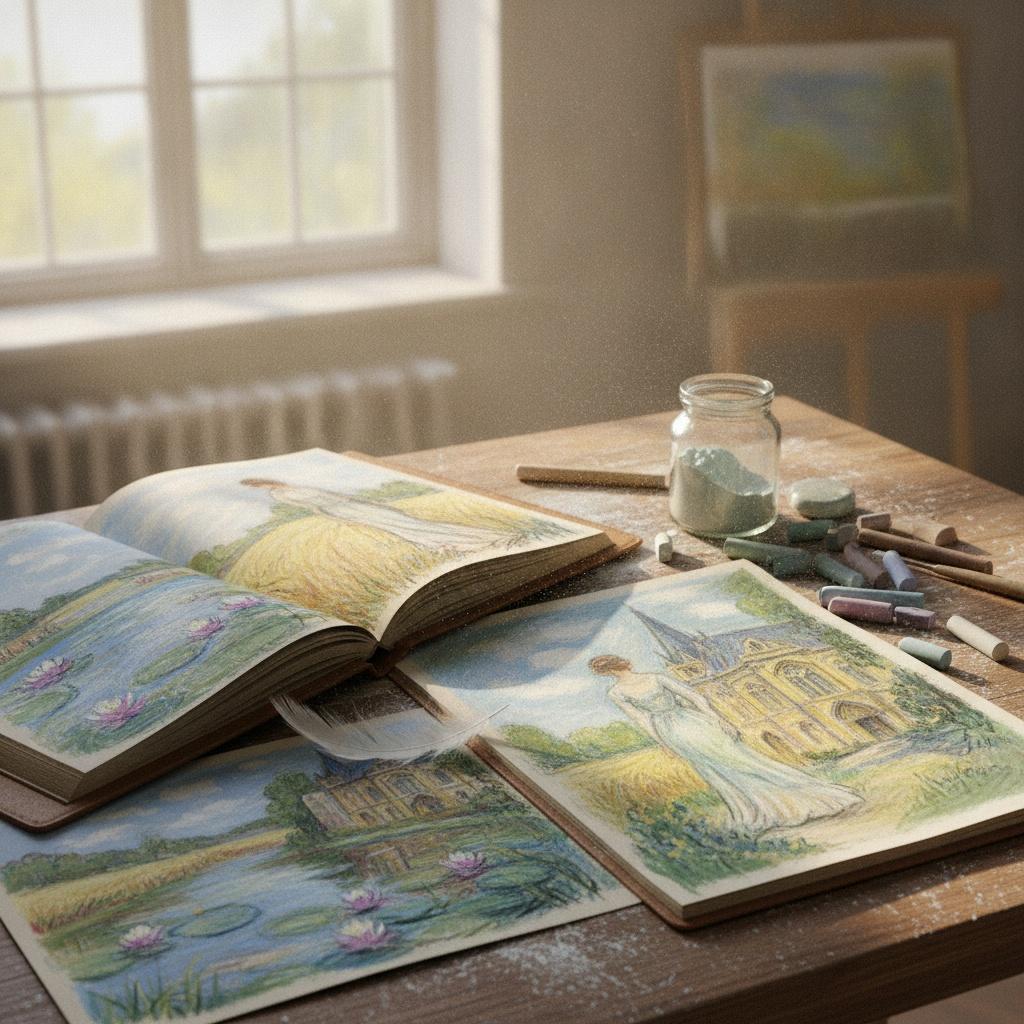
The Soft Magic of Chalk: Capturing Light, Texture, and the Ethereal Soul of Impressionist Masterpieces
Discover the ethereal beauty of pastel and chalk art. Explore how Impressionist masters like Van Gogh and Degas captured light and texture to create timeless, soulful masterpieces for the discerning collector.

Capturing the Soul: The Ethereal Magic and Timeless Technique of Impressionist Portraiture
Discover the ethereal beauty of Impressionist portraiture. Explore how masters like Monet and Renoir captured light and soul through brushwork, and learn how to bring this timeless magic into your home with exquisite, hand-painted oil reproductions from TopImpressionists.com.

Dining Room Elegance: Transforming Your Space with Impressionist Masterpieces
Elevate your dining room with the luminous beauty of Impressionist masterpieces. Discover how hand-painted Claude Monet and Renoir reproductions can transform your space into a sanctuary of light, color, and timeless elegance for your home.

Capturing the Light of Amsterdam: A Journey Through Impressionist Masterpieces of the Dutch Canals
Embark on a visual journey through the luminous Amsterdam canals. Discover how Impressionist masters captured the fleeting light of the Dutch landscape through evocative brushwork and color. Explore the timeless beauty of these masterpieces for your private art collection.
Explorați opere de artă organizate pe teme, stiluri și caracteristici.


