


 Previzualizare
 Trimite prin felicitare
 Distribuie
 Detalii despre lucrare
 Ghid
Ghid

 Descarcă imaginea
 Produse similare
 Radiografie
 Galerie foto
 Q&A
Q&A Statistici
Ecce Homo (Christ and the Critics)

James Ensor’s ‘Ecce Homo (Christ & Critics)’ – a haunting expressionist painting exploring judgment & faith. Discover its symbolism, unique style & enduring relevance.
 Vezi mai mult
Descoperă James Ensor (1860-1949), pictor belgian revoluționar! Explorează scene tulburătoare cu măști, carnavale și schelete. Un maestru al expresionismului și suprarealismului.
Giclée / Imprimare artistică
Printuri giclée sau pe canvas de calitate muzeală, cu proces de producție rapid și opțiuni flexibile de finisare. ( Comandă pictură realizată manual Comută pe Imagine Digitală)




P118B lei10

P118H lei10

P118W lei10

P438Z lei10

P508JH lei12

P508YH lei12

P805H lei10

P805Z lei10

P919BZ lei10

P919G lei10

P919XJ lei10

P959ZH lei10

P968JZ lei12

W106C lei8

W218G lei10

W218JH lei8

W218Y lei10

W307PJ lei10

W316G lei10

W316PJ lei8

W316Y lei10

W398PJ lei8

W4111J lei10

W500HY lei15

W500JH lei15

W692G lei12

W849H lei8

W940BG lei15

W953PJ lei8




Standard
personalizat
CM
INCH
Alegeți dintre dimensiunile noastre prestabilite, care respectă proporțiile originale ale operei de artă.
Loading sizes...

lățime
înălțime
Introduceți lățimea și înălțimea necesare pentru a se potrivi ramei sau peretelui dumneavoastră. O printare poate fi doar tăiată, niciodată extinsă dincolo de dimensiunea imaginii originale, astfel încât o dimensiune cu o formă diferită va pierde o parte din imagine. Vă trimitem o simulare digitală pentru aprobare înainte de a imprima orice. Imaginea afișată pe această pagină nu prezintă tăierea reală — doar simularea arată acest lucru.
Livrare în întreaga lume () în 2 săptămâni, în loc de cele 4/5 săptămâni standard. (29 Octombrie)

Livrare expres gratuită la nivel mondial

Pânză de in de înaltă calitate

Asigurare completă pentru transport

Garanție de rambursare a taxelor vamale

Garanția fidelității culorilor

Politica de retur în 100 de zile (doar pentru defecte de fabricație)

Garanție de rambursare 100%

Ofertă pentru comenzi multiple
 Opțiunea cu sticlă este disponibilă doar pentru dimensiuni de sub 110 cm

Ecce Homo (Christ and the Critics)
Giclée / Imprimare artistică
Dimensiune reproducere
-


Preț total calculat
lei 321
A Confrontation of Faith and Critique: Unveiling James Ensor’s *Ecce Homo (Christ and the Critics)*
James Ensor, a pivotal figure bridging 19th-century Symbolism and early 20th-century Expressionism, delivers a powerfully unsettling statement in *Ecce Homo (Christ and the Critics)*. This work isn't merely a painting; it’s a visceral exploration of judgment, societal hypocrisy, and the enduring struggle between faith and skepticism. Born from a period of intense personal turmoil and social upheaval, Ensor’s masterpiece continues to resonate with contemporary audiences, prompting reflection on our own tendencies toward scrutiny and condemnation.Subject Matter & Narrative
The painting presents a starkly intimate scene featuring three male figures. A central figure, draped in what appears to be classical attire and adorned with a laurel wreath – symbols traditionally associated with victory or sanctity – holds a single red rose. He is the focal point of intense scrutiny from two onlookers. One observer sports modern spectacles and a mustache, grounding the timeless narrative within a contemporary context. The composition immediately establishes a dynamic tension: one figure presented, seemingly vulnerable, and two others engaged in critical observation. This arrangement directly references the biblical *Ecce Homo* ("Behold the Man") moment when Pontius Pilate presents Jesus Christ to the crowd before his crucifixion, setting the stage for a profound meditation on judgment and persecution.Artistic Style & Technique
Ensor’s style in this work is distinctly Expressionist, characterized by bold brushstrokes, vibrant yet often unsettling color palettes, and deliberate distortions of form. The figures aren't rendered with photographic realism; instead, their features are exaggerated to convey emotional intensity and psychological depth. This expressive approach prioritizes the *feeling* of the scene over precise representation. The painting’s texture is rich and layered, suggesting a build-up of both paint and emotion. While details regarding the specific technique (oil on canvas) are known, the photo description suggests watercolor influences in its blending and surface quality – hinting at Ensor's experimental approach to media.Symbolism & Interpretation
The symbolism within *Ecce Homo* is multi-layered and deliberately provocative. The red rose, traditionally associated with Christ’s passion and sacrifice, becomes a poignant symbol of vulnerability in the face of judgment. The laurel wreath hints at both honor and potential martyrdom. The modern attire of one critic suggests that this critique isn't confined to biblical times but is an ongoing human tendency. Ensor masterfully uses these symbols to challenge viewers to consider their own roles as observers and judges. Is society quick to condemn those who embody virtue or difference? The very title, echoing Pilate’s presentation of Christ, underscores the theme of societal judgment and its potential for cruelty.Historical Context & Ensor's Vision
Born in 1860, James Ensor lived through a period of rapid social and political change. He was deeply critical of bourgeois society, religious hypocrisy, and the stifling conventions of his time. His art often served as a vehicle for satire and social commentary. *Ecce Homo* reflects this rebellious spirit, challenging traditional representations of Christ and questioning the motives behind societal judgment. Ensor’s work anticipated many of the themes that would come to define Expressionism – alienation, anxiety, and the subjective experience of reality.Emotional Impact & Lasting Relevance
*Ecce Homo (Christ and the Critics)* is a deeply unsettling yet profoundly moving artwork. It evokes feelings of vulnerability, isolation, and moral discomfort. The painting’s enduring power lies in its ability to force viewers to confront their own biases and prejudices. It serves as a timeless reminder that judgment can be a destructive force and that empathy and understanding are essential for fostering a more compassionate world. This is not simply a historical piece; it's a mirror reflecting our contemporary struggles with acceptance, tolerance, and the courage to challenge societal norms.Collecting & Interior Design Considerations
A high-quality reproduction of *Ecce Homo* can serve as a striking focal point in any interior space. Its complex composition and rich symbolism lend themselves well to contemplative environments – libraries, studies, or living rooms designed for intellectual engagement. The painting’s muted color palette complements both modern and traditional décor styles. Its thought-provoking nature makes it an ideal conversation starter and a testament to the collector's appreciation for art that challenges and inspires.- Explore *Ecce Homo* at TopImpressionists.com
- Discover more works by James Ensor
- View *The Wise Judges* – another compelling work by Ensor
Întrebări și răspunsuri
Pot comanda o reproducere în ulei a operei "Ecce Homo (Christ and the Critics)"?
„Ecce Homo (Christ and the Critics)” este disponibil ca o reproducere pictată manual în ulei pe pânză de in. Comanda poate fi plasată pe pagina de Reproducere pictată în ulei, cu posibilitatea de a alege dimensiunea dorită.
Ce stare de spirit transmite "Ecce Homo (Christ and the Critics)" de James Ensor în cadrul mișcării Expressionism?
Emoția Melancholic din "Ecce Homo (Christ and the Critics)" însoțește stilul său Expressionism.
Ce nuanță dominantă străbate întregul "Ecce Homo (Christ and the Critics)" de James Ensor?
O nuanță de Golden Yellow Range traversează întregul "Ecce Homo (Christ and the Critics)" de James Ensor.
Biografie artist
A Life Immersed in Masks and Shadows: The World of James Ensor
James Sidney Edouard Ensor, născut în Ostend, Belgia, în 1860, a ieșit dintr-o convergență fascinantă de culturi – tatăl său englez, mama belgiană. Această dualitate ar fi putut anticipa fascinația sa de-a lungul vieții pentru măști și disimulare, teme care au dominat operele sale tulburătoare, dar captivante. Crescut în mijlocul energiei vibrante a unui oraș balnear de coastă, tânărul James a fost profund afectat de atmosfera carnavalurilor și a curiozităților. Părinții săi operau un magazin de suveniruri plin de scoici, măști de carnaval și obiecte ciudate – o adevărată comoară a minunilor care a aprins imaginația sa și i-a furnizat un vocabular vizual bogat pentru arta sa viitoare. Deși inițial reticent să îmbrățișeze studiile academice tradiționale, Ensor s-a înregistrat la Academia Regală de Arte din Bruxelles, dar a găsit structura rigidă sufocantă pentru viziunea sa artistică înfloritoare. A realizat rapid că trebuie să-și facă propriul drum, unul care ar duce mult dincolo de limite convenționale.From Somber Realism to Grotesque Visions
Primele picturi ale lui Ensor reflectau o abordare mai tradițională, reprezentând scene din viața de zi cu zi în tonuri sumbre. Lucrări precum *Russian Music* (1881) și *The Drunkards* (1883) dezvăluie un talent incipient care se luptă cu realismul, dar chiar și în aceste prime piese, există indicii ale imaginii tulburătoare ce va veni. O schimbare decisivă a avut loc pe măsură ce paleta lui Ensor s-a luminat și subiectele sale au devenit din ce în ce mai bizare. A început să populeze pânzele cu carnavale, schelete, păpuși și figuri alegorice – un univers impregnat de fantezie și adesea pe muchia grotescului. Aceasta nu a fost doar o schimbare stilistică; a fost o explorare deliberată a aspectelor mai întunecate ale existenței umane, o respingere a normelor sociale și o îmbrățișare a iraționalului. Stilul său s-a dovedit imediat recunoscut pentru contururile sale îndrăznețe, culorile vibrante și calitatea teatrală – un limbaj vizual unic. Influența mediului său natal este incontestabilă: măștile de carnaval nu au fost doar elemente decorative; ele au fost simboluri ale identităților ascunse, ale criticii sociale și ale fragilității aparențelor.Masterpieces of Disquiet: Key Works and Recurring Themes
Pe parcursul carierei sale, Ensor a produs o serie de opere care continuă să captiveze și să tulbure publicul astăzi. *The Scandalized Masks* (1883) reprezintă un testament timpuriu al fascinației sale pentru puterea disimulării și capacitatea sa de a dezvălui emoții ascunse. Poate cea mai controversată lucrare a sa, *Christ's Entry into Brussels* (1888-1889), rămâne o satiră puternică a ipocriziei religioase și a indiferenței sociale – un tablou inițial întâmpinat cu critică ascuțită, dar acum celebrat ca o capodoperă. Imaginea tulburătoare a lui Hristos intrând într-un oraș plin de figuri grotesc mascate este o comentariu puternic asupra decalajului dintre idealurile spirituale și comportamentul uman. *Skeletons Fighting over a Hanged Man* (1891) oferă o meditație profundă asupra mortalității, decăderii și absurdității vieții, în timp ce *Tribulations of Saint Anthony* (1887) explorează teme allegorice complexe de ispitire, păcat și luptă spirituală. Temele recurente din opera sa includ explorarea morții, a criticii sociale, a satirei religioase și a puterii nelimitate a imaginației – teme care rezonează cu o relevanță eternă.A Pioneer of Modernism: Influences and Legacy
Deși Ensor s-a opus categorizării ușoare, linia sa artistică este complexă și fascinantă. A recunoscut influențe de la maeștri precum Pieter Bruegel cel Bătrân, ale cărui scene aglomerate și narațiuni moralizatoare au rezonat cu viziunea sa, precum și Francisco Goya, a cărui umor întunecat și reprezentări fără echivoc ale suferinței umane au lăsat o amprentă durabilă. Influența lui James Abbott McNeill Whistler în ceea ce privește esteticismul de asemenea a jucat un rol în formarea sensibilității sale artistice. Cu toate acestea, Ensor nu a fost doar un imitator; a sintetizat aceste influențe într-un ceva cu adevărat nou și original. Este acum recunoscut pe scară largă ca fiind o figură cheie în tranziția de la simbolismul secolului al XIX-lea la expresionismul timpurii din secolul al XX-lea – un pionier adevărat al artei moderne. Explorarea sa îndrăzneață a subconștientului, îmbrățișarea imaginii grotescului și respingerea normelor academice au deschis calea pentru generațiile viitoare de artiști care au îndrăznit să sfideze normele artistice. În ciuda unei inițiale rezistențe, Ensor a câștigat în cele din urmă recunoaștere în anii săi tineri, fiind numit barone de regele Albert I în 1929 și primit Ordinul Legiunii de onoare în 1933. A murit la Ostend în 1949, lăsând în urmă un corp de lucrări care continuă să captiveze, să tulbure și să inspire. *Moștenirea sa persistă ca o mărturie a puterii artei de a confrunta adevăruri neplăcute și de a explora adâncurile condiției umane.*
James Ensor
1860 - 1949 , Belgia
Detalii rapide
- Artistic Movement Or Style: Expresionism, Surrealism
- Artists Or Movements Influenced By This Artist:
- Expresionism
- Surrealism
- Artists Who Influenced This Artist:
- Bruegel cel Bătrân
- Goya
- Whistler
- Date Of Birth: 13 aprilie 1860
- Date Of Death: 19 noiembrie 1949
- Full Name: James Sidney Edouard Ensor
- Nationality: Belgian
- Notable Artworks:
- Masca Scandalizată
- Skelete...
- Intrarea lui Hristos
- Place Of Birth: Ostend, Belgia
Articole similare

Top 25 de Capodopere James Abbott McNeill Whistler: Artă, Istorie și Decor Excepțional
Descoperă top 25 de picturi James Abbott McNeill Whistler, maeștri ai impresionismului și esteticismului. Explorează nocturnele, portretele și capodoperele sale pline de atmosferă pe TopImpressionists.com! Reproduceri artă de calitate superioară pentru decorul perfect.

Sir Alfred James Munnings: Cele Mai Iubite 25 de Capodopere – Artă Excepțională pentru Decorul Casei Tale
Descoperă cele mai frumoase 25 de picturi ale lui Alfred James Munnings! Explorează capodoperele impresionismului britanic, scene rurale vibrante și arta ecvestră. Reproduceri de artă de calitate muzeală pentru decorul casei tale pe TopImpressionists.com

James Ensor's Grotesque Visions: Social Commentary & Artistic Innovation
Explore the unsettling yet captivating world of James Ensor, a pioneer of Expressionism. Discover his satirical masterpieces, symbolic imagery & lasting influence on modern art. High-quality reproductions available at TopImpressionists.
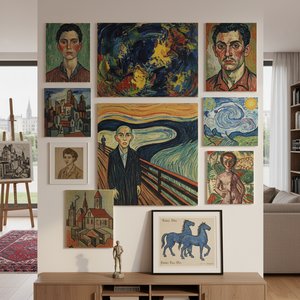
Expresionismul în Artă: Cele Mai Reprezentative 10 Capodopere | TopImpressionists.ro
Descoperă cele mai importante 10 capodopere ale expresionismului! Explorează poveștile lui Munch, Van Gogh și Kandinsky. Reproduceri de artă de calitate muzeală pentru un decor interior unic. TopImpressionists.ro
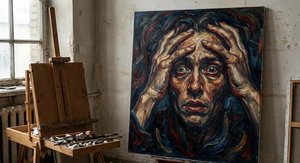
Figurative Expressionism: Emotional Intensity & Subjective Reality in 20th-Century Art
Explore the powerful world of Figurative Expressionism with TopImpressionists. Discover key artists like Kirchner & Beckmann, understand its emotional depth, and learn how to collect this influential 20th-century art movement.
Explorați opere de artă organizate pe teme, stiluri și caracteristici.


