


 Vezi în context
 Trimite
 Distribuie
 Detalii
 Ghidul

 Descarcă
 Produse similare
 Radiografie
 Diaporama
 Statistici
Teika
 1899
1899 68.0 x 85.0 cm
 Citește mai mult
Janis Rozentāls (1866-1916): pictor latviešu identității, fondator de artă modernă din Latvija! Portrete, peisagi și simboluri captivante. Descoperiți măiestria sa!
Achiziționați o imagine digitală de înaltă rezoluție, îmbunătățită, mult superioară previzualizării online.
Fiecare fișier este pregătit cu meticulozitate de specialiștii noștri interni, utilizând instrumente avansate și retușare manuală expertă. Ne asigurăm că fiecare imagine beneficiază de o claritate excepțională, o acuratețe precisă a culorilor și detalii fine.
Fișierul final este livrat prin e-mail în termen de 72 de ore, optimizat pentru utilizare imediată în medii profesionale, editoriale și de imprimare. Aceasta este aceeași calitate în care au încredere studiouri de design, edituri și galerii de top.
Imagine Digitală
Descărcați un fișier la rezoluție înaltă pentru afișare personală, imprimare și proiecte creative. ( Comută pe versiunea Print Comandă pictură realizată manual)
Inclus în fiecare comandă de imagini digitale
Livrare digitală de expertiză, garantată
Când alegeți TopImpressionists.com, nu primiți doar o simplă imagine – primiți o operă de artă digitală îmbunătățită profesional, creată cu precizie și susținută de o garanție de satisfacție. Iată tot ceea ce primești odată cu comanda ta, în mod automat:

Livrare rapidă prin e-mail
Fișierul imaginii digitale la rezoluție înaltă vă va fi trimis prin e-mail în termen de 72 de ore de la finalizarea comenzii – gata pentru utilizare imediată.

Fișier digital optimizat prin IA
Opera ta de artă este optimizată profesional prin intermediul unor instrumente AI avansate și al editării manuale, asigurând un nivel maxim de detalii, claritate și acuratețe a culorilor.

Retransmitere gratuită pe viață
Ai șters sau ai pierdut din greșeală fișierul? Nu îți face griji – ți-l vom retrimite oricând, gratuit.

Fără taxe de import – Întotdeauna
Bucură-te instant de noua ta operă de artă, fără taxe vamale, taxe de import sau costuri de livrare – descărcările digitale sunt întotdeauna fără taxe.

Garanția fidelității culorilor
Asigurăm o reflectare cât mai fidelă a culorilor originale în imaginea ta digitală, prin utilizarea unor instrumente profesionale și a proceselor de gestionare a culorii.

Garanție de satisfacție de 100 de zile
Dacă nu sunteți mulțumit de imaginea digitală achiziționată, o vom revizui sau vă vom returna 100% în termen de 100 de zile – fără nicio întrebare.

Garanție de returnare 100% a banilor
Nu ești mulțumit? Primești rambursarea integrală în termen de 100 de zile de la primirea fișierului digital – fără nicio întrebare.

Reduceri pentru comenzi în volum
Cumpără 3 imagini, economisește 10% - Cumpără 5, economisește 15% - Cumpără 10+, economisește 20%. Ideal pentru proiecte creative, galerii și agenții.
The painting Teika by Janis Rozentāls is a stunning example of Latvian art from the late 19th century. Created in 1899, this beautiful piece is a testament to the artist's skill and attention to detail. The painting features a woman playing a harp, surrounded by lush greenery and a serene atmosphere.
The Teika painting is a must-see for anyone interested in Latvian art and history. With its beautiful colors, delicate lines, and serene atmosphere, it is a true masterpiece that continues to captivate audiences to this day.
The Artist and His Work
Janis Rozentāls was a renowned Latvian painter, known for his impressive collection of artworks that can be found in the Latvian National Museum of Arts. His paintings often depicted scenes from everyday life, as well as mythological and symbolic themes. The Teika painting is a prime example of his ability to capture the essence of a moment in time. Key Features of the Painting The painting measures 68 x 85 cm and is created using pastel techniques. The soft colors and delicate lines used in the piece create a sense of intimacy and tranquility. The woman's focus on playing the harp is palpable, and the surrounding environment seems to be at peace.- The painting is a beautiful representation of Latvian art from the late 19th century
- The use of pastel techniques creates a soft and delicate atmosphere
- The woman's focus on playing the harp is a testament to the artist's attention to detail
The Teika painting is a must-see for anyone interested in Latvian art and history. With its beautiful colors, delicate lines, and serene atmosphere, it is a true masterpiece that continues to captivate audiences to this day.
Întrebări și răspunsuri
Culorile din "Teika" par intense sau delicate?
"Teika" de Janis Rozentāls prezintă o intensitate a culorii Monochromatic.
Cum interacționează culorile din "Teika" între ele?
Culorile din "Teika" de Janis Rozentāls prezintă o armonie Strong Color Unity. Armonia descrie modul în care culorile interacționează între ele.
Sub ce alte nume este cunoscut/ă Janis Rozentāls?
Janis Rozentāls apare sub numele alternative Jan Rosenthal.
Biografie artist
A Pioneer of Latvian Painting: The Life and Art of Janis Rozentāls
Janis Rozentāls (1866-1916) stands as a monumental figure in the history of Latvian art, an artist who profoundly shaped the nation’s artistic identity during a period of significant cultural and political transformation. Born on March 18, 1866, in Bebri Farmstead, a humble location within the Saldus parish of Courland Governorate (then part of the Russian Empire), Rozentāls' journey from the son of a blacksmith to a celebrated painter is a testament to his unwavering dedication and exceptional talent. His early life was deeply intertwined with the rural Latvian landscape – an environment that would indelibly imprint itself upon his artistic vision, providing both inspiration and a fundamental understanding of his cultural heritage. He received his initial education at H. Krause’s Elementary School in Saldus, followed by studies at Kuldīga District School; however, it was a burning desire to express himself artistically that propelled him towards Riga at the age of fifteen, marking the beginning of his formal artistic training.Blending Tradition and Modernity: Artistic Development and Style
Rozentāls’s artistic development is characterized by a remarkable ability to synthesize diverse influences while retaining a distinctly Latvian sensibility. He wasn't merely adopting prevailing trends; rather, he skillfully transformed them, imbuing them with a unique character that resonated deeply with the burgeoning national consciousness of his time. A defining feature of his compositions is an intentional asymmetry coupled with a flowing, wavelike rhythm – hallmarks of Art Nouveau. Yet, Rozentāls masterfully balanced this decorative quality with a subtle understanding of tonal variations and color relationships, preventing his work from becoming overly ornamental or superficial. He expertly combined flatness with soft transitions, creating images that were both visually arresting and emotionally evocative. His subject matter was remarkably varied, encompassing portraits that offered profound insights into the inner lives of his subjects, landscapes celebrating the breathtaking beauty of Latvian nature – particularly vibrant spring scenes brimming with life and color – and symbolic works inspired by biblical narratives and mythological themes. Notably, in 1910, he undertook a significant commission to create decorative friezes for the Riga Latvian Society, showcasing his ability to execute monumental projects while maintaining artistic integrity and sensitivity. Beyond painting, Rozentāls was also a prolific graphic artist, producing meticulously designed book illustrations, magazine covers, posters, and drawings – demonstrating the breadth of his creative talent and versatility.A Finnish Interlude: Marriage and Artistic Exchange
A pivotal moment in Rozentāls’s life unfolded in 1902 when he met Elli Forssell, a captivating Finnish singer, during her performances in Riga. Their marriage in 1903 proved to be more than just a personal union; it served as a catalyst for artistic exchange and broadened his horizons considerably. The connection with Finland profoundly influenced his artistic interests, leading him to deeply appreciate the work of prominent Finnish artists such as Gallen-Kallela, Järnefelt, Halonen, and Saarinen. He wrote extensively about their art, recognizing in them kindred spirits – individuals committed to expressing national identity through innovative artistic forms. From 1905 to 1916, the couple resided in Helsinki, providing Rozentāls with an immersive experience of Finnish culture and further enriching his artistic perspective. This period was marked by sustained artistic productivity, as he seamlessly integrated Latvian roots with the influences of his adopted environment, resulting in a uniquely hybrid style.Lasting Legacy: Major Works and Historical Significance
Rozentāls’s legacy is firmly established through a substantial body of work that continues to captivate audiences today. His portraits – including those of A. Dombrovskis, Rūdolfs Blaumanis, and his beloved wife Elli Forssell – are not merely likenesses but rather insightful studies of character and personality, revealing the inner lives of his subjects with remarkable depth and sensitivity. Landscapes such as “From Church” (1894) and “Picnic” (1913) beautifully capture the serene beauty of the Latvian countryside, imbued with a sense of nostalgia and reverence for nature’s enduring spirit. His symbolic works – including "Temptation" and "Eve with the Apple" – explore universal themes of morality, desire, and spirituality through a compelling blend of realism and symbolism. He also created altar pieces for numerous Latvian churches, adapting his style to suit the diverse needs of these sacred spaces while consistently maintaining artistic quality and reverence. Janis Rozentāls passed away on December 26, 1916, in Helsinki, Finland, but was later reburied in Forest Cemetery, Riga, in 1920. His impact extends far beyond his paintings; the Janis Rozentāls Art High School in Riga stands as a lasting testament to his dedication to artistic education, and a memorial museum located within the building he designed in Saldus preserves his life and work for future generations. He remains a pivotal figure in Latvian art history, celebrated not only for his artistic achievements but also for his significant contribution to the development of a distinct national identity through his art – truly a pioneer.Useful Links
Useful Content
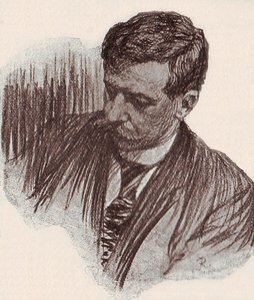
Janis Rozentāls
1866 - 1916 , Latvia
Informații esențiale
- Artistic Movement Or Style: Impressionism, Art Nouveau
- Artists Or Movements Influenced By This Artist: ['Latvian art modernizare']
- Date Of Birth: 18 martie 1866
- Date Of Death: 26 decembrie 1916
- Full Name: Janis Rozentāls
- Nationality: Leton
- Notable Artworks:
- Nāve
- No Church
- Picnic
- Temptation
- Place Of Birth: Saldus, Letonia