

 Previzualizare
 Trimite prin felicitare
 Distribuie
 Detalii despre lucrare
 Ghid
Ghid

 Descarcă imaginea
 Produse similare
 Radiografie
 Galerie foto
 Q&A
Q&A Statistici
Interior


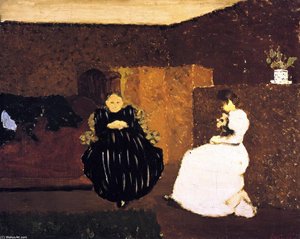
Jean-Édouard Vuillard’s “Interior” exemplifies the Nabi movement’s innovative use of color and form, depicting a serene domestic scene with muted tones and subtle textures. Created around 1900, this painting showcases Vuillard's mastery in capturing intimate moments within a home setting and is prominently displayed at the Detroit Institute of Arts.
 Vezi mai mult
Jean-Édouard Vuillard (1868-1940) - pictor francez, membru al grupului Nabis, renumit pentru scene intime, stil decorativ și influență asupra artei moderne. Descoperă operele sale!
Giclée / Imprimare artistică
Printuri giclée sau pe canvas de calitate muzeală, cu proces de producție rapid și opțiuni flexibile de finisare. ( Comandă pictură realizată manual Comută pe Imagine Digitală)




P118B lei10

P118H lei10

P118W lei10

P438Z lei10

P508JH lei12

P508YH lei12

P805H lei10

P805Z lei10

P919BZ lei10

P919G lei10

P919XJ lei10

P959ZH lei10

P968JZ lei12

W106C lei8

W218G lei10

W218JH lei8

W218Y lei10

W307PJ lei10

W316G lei10

W316PJ lei8

W316Y lei10

W398PJ lei8

W4111J lei10

W500HY lei15

W500JH lei15

W692G lei12

W849H lei8

W940BG lei15

W953PJ lei8




Standard
personalizat
CM
INCH
Alegeți dintre dimensiunile noastre prestabilite, care respectă proporțiile originale ale operei de artă.
Loading sizes...

lățime
înălțime
Introduceți lățimea și înălțimea necesare pentru a se potrivi ramei sau peretelui dumneavoastră. O printare poate fi doar tăiată, niciodată extinsă dincolo de dimensiunea imaginii originale, astfel încât o dimensiune cu o formă diferită va pierde o parte din imagine. Vă trimitem o simulare digitală pentru aprobare înainte de a imprima orice. Imaginea afișată pe această pagină nu prezintă tăierea reală — doar simularea arată acest lucru.
Livrare în întreaga lume () în 2 săptămâni, în loc de cele 4/5 săptămâni standard. (2 Noiembrie)

Livrare expres gratuită la nivel mondial

Pânză de in de înaltă calitate

Asigurare completă pentru transport

Garanție de rambursare a taxelor vamale

Garanția fidelității culorilor

Politica de retur în 100 de zile (doar pentru defecte de fabricație)

Garanție de rambursare 100%

Ofertă pentru comenzi multiple
 Opțiunea cu sticlă este disponibilă doar pentru dimensiuni de sub 110 cm

Interior
Giclée / Imprimare artistică
Dimensiune reproducere
-


Preț total calculat
lei 327
Jean-Édouard Vuillard: Capturing Quietude in “Interior”
The painting "Interior," executed by Jean-Édouard Vuillard around 1900-1905, stands as a quintessential example of Nabis art—a movement that sought to revolutionize artistic expression through radical simplification and the exploration of color’s emotive power. More than just a depiction of domestic space, it embodies Vuillard's profound fascination with capturing fleeting moments of stillness and intimacy within the everyday world. Located at the Detroit Institute of Arts, this artwork invites viewers into a carefully constructed tableau that speaks volumes about artistic innovation and perceptual experience.A Synthesis of Impressionism and Japanese Influence
Vuillard’s approach to painting was deeply rooted in Impressionist principles—particularly the emphasis on capturing light and atmosphere—yet he decisively moved beyond its limitations. Influenced by the pioneering work of Paul Gauguin, Vuillard embraced a bold departure from academic conventions. However, his artistic vision gained significant impetus from Japanese prints (ukiyo-e), which had begun to circulate in Europe during this period. Like Serusier’s “The Talisman,” Vuillard utilized flattened planes of color—a technique borrowed directly from Japanese aesthetics—to create an illusion of depth and spatial ambiguity. This deliberate simplification wasn't merely stylistic; it represented a fundamental rethinking of how artists could represent reality, prioritizing feeling over precise observation.Composition and Color Palette: Orchestrating Emotion
The composition itself is deceptively simple. Two chairs dominate the scene, one occupied by a figure whose presence is subtly suggested rather than overtly portrayed—a characteristic Vuillard technique that encourages contemplation and invites viewers to fill in the gaps of perception. A window frames a glimpse of foliage outside, bathed in soft light, contributing to the overall sense of tranquility. Yet, it’s the color palette that truly distinguishes “Interior.” Vuillard employed hues of pink, peach, and pale yellow—colors chosen not for their literal representation but for their ability to evoke emotion. These shades coalesce into a harmonious blend that conveys warmth, comfort, and perhaps even melancholy—a testament to Vuillard's masterful control over chromatic orchestration.Symbolism Within Everyday Reality
Beyond its formal qualities, “Interior” resonates with symbolic significance. The empty chair serves as a poignant reminder of absence and solitude, while the window represents connection to nature—a recurring motif in Vuillard’s oeuvre. The bird perched on the windowsill symbolizes freedom and aspiration, subtly elevating the scene beyond mere visual description. These elements intertwine to create a narrative that transcends the surface appearance of the room, prompting viewers to consider themes of contemplation, memory, and the beauty inherent in ordinary life.Legacy and Influence
Vuillard’s innovative approach to color and form profoundly impacted subsequent artistic movements—most notably Cubism and Fauvism—establishing him as a pivotal figure in the transition from Impressionism to abstraction. His unwavering commitment to capturing subjective experience continues to inspire artists today, demonstrating the enduring power of art to convey emotion and illuminate the complexities of human perception. “Interior” remains an unforgettable masterpiece, embodying Vuillard’s artistic genius and securing his place among the most celebrated painters of the Belle Époque.Întrebări și răspunsuri
Ce nivel de contrast prezintă "Interior" de Jean-Édouard Vuillard?
Nivelul de contrast al operei "Interior" de Jean-Édouard Vuillard este Serene.
Care este nuanța dominantă în "Interior"?
"Interior" tinde spre o nuanță de Ochre to Sepia.
Pot folosi realitatea augmentată pentru a vedea "Interior" de Jean-Édouard Vuillard în camera mea?
Pagina Previzualizare în AR pentru "Interior" de Jean-Édouard Vuillard folosește realitatea augmentată pentru a vizualiza opera de artă în propriul tău spațiu, pe un dispozitiv compatibil.
Opere similare


Biografie artist
**early life and artistic beginnings**
Jean-Édouard Vuillard, un nume care a răsunat în lumea artei franceze la sfârșitul secolului al XIX-lea și începutul celui de-al XX-lea, s-a născut pe 11 noiembrie 1868, într-un mic orășel din Burgundia, Cuiseaux. Viața sa timpurie a fost marcată de pierderea tatălui său la o vârstă fragedă și de necesitatea de a sprijini familia prin munca mamei sale, o croitoreasă talentată. Această experiență familială, impregnată de simplitate și familiaritate, a influențat profund stilul său artistic ulterior, caracterizat de o sensibilitate intimistă și o atenție deosebită la detalii. Vuillard a manifestat un interes precoce pentru artă, studiind tehnicile picturii la Academia Julian din Paris și apoi la École des Beaux-Arts, instituții care au oferit o bază solidă pentru dezvoltarea sa artistică. Totuși, el nu s-a conformat rigid așteptărilor academice, preferând să exploreze propriul drum creativ, influențat de mișcări artistice emergente și de personalitatea sa unică.**the nabis movement and its influence**
În 1891, Vuillard a devenit membru al grupului Les Nabis, o colectivă de artiști tineri care au revoluționat peisajul artistic francez. Această mișcare, născută din dorința de a depăși formalitățile academice și de a explora noi posibilități expresive, a fost influențată de pictorii olandezi Rembrandt și Vermeer, precum și de Paul Gauguin. Les Nabis au adoptat o abordare sintetică a culorilor, inspirată de gravurile japoneze, și au explorat efectele spațiale ale planurilor plate de culoare, model și formă. Vuillard s-a distins în cadrul acestui grup prin capacitatea sa de a surprinde esența unei scene, nu doar aspectul său exterior, captând emoțiile și atmosfera subtilă din spatele fiecărui obiect și personaj. Filosofia Les Nabis era ancorată în ideile lui Auguste Comte și Hippolyte Taine, promovând o viziune asupra lumii bazată pe observație și analiză.**vuillard’s later work and legacy**
După 1900, când Les Nabis au dispărut, Vuillard a continuat să picteze, dar stilul său s-a maturizat și s-a diversificat. A adoptat o abordare mai realistă, concentrându-se pe portrete și scene de viață cotidiană, în special interioare familiare și figuri din cercul său social. În anii '20 și '30, a pictat portretele unor personalități importante ale industriei și artei franceze, capturând esența lor individuală într-un cadru familiar și confortabil. Vuillard nu s-a căsătorit niciodată, dar a avut o relație îndelungată cu Lucy Hessel, soția dealerului său Jos Hessel, care a devenit o sursă constantă de inspirație și companie. Lucrările sale ulterioare reflectă o înțelegere profundă a frumuseții ascunsă în detalii aparent banale, transformând scenele obișnuite într-o experiență estetică unică.**key works and exhibitions**
Operele lui Jean-Édouard Vuillard se găsesc în numeroase muzee din întreaga lume, inclusiv Musée de la Révolution Française din Paris, care prezintă o colecție impresionantă de documente și obiecte legate de perioada revoluționară. Printre cele mai cunoscute picturi ale sale se numără "La Patrie en Danger" (1893), un tablou emblematic al perioadei sale de activitate politică, și "Jean de la Barre" (1894), o reprezentare sugestivă a unui tânăr condamnat la moarte pentru erezie. Lucrările sale ulterioare, precum portretele unor figuri importante din industria franceză și artistică, sunt expuse în galerii de artă din întreaga țară.**conclusion**
Jean-Édouard Vuillard a fost un artist complex și enigmatic, care a lăsat o amprentă profundă asupra artei moderne. Prin stilul său unic, caracterizat de o sensibilitate intimistă, o atenție deosebită la detalii și o utilizare inovatoare a culorilor, Vuillard a reușit să surprindă esența vieții și a emoțiilor umane într-un mod subtil și sugestiv. Moștenirea sa artistică continuă să inspire artiști și critici de artă din întreaga lume, demonstrând că frumusețea poate fi găsită chiar și în cele mai simple lucruri ale vieții cotidiene. Descoperiți mai multe despre opera lui Jean-Édouard Vuillard pe TopImpressionists.com!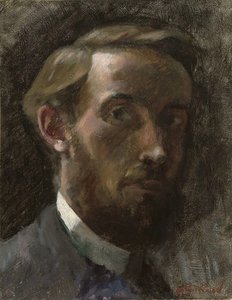
Jean-Édouard Vuillard
1868 - 1940 , Franța
Detalii rapide
- Artistic Movement Or Style: Nabis
- Artists Or Movements Influenced By This Artist:
- Cubism
- Fauvism
- Artists Who Influenced This Artist: ['Paul Gauguin']
- Date Of Birth: 11 noiembrie 1868
- Date Of Death: 21 iunie 1940
- Full Name: Jean-Édouard Vuillard
- Nationality: Francez
- Notable Artworks:
- Interior, Mutter
- Sunlit Interior
- Place Of Birth: Cuiseaux, Franța
Articole similare

The Art of Atmosphere: Elevating Luxury Hotel Interiors with Timeless Impressionist Masterpieces
Elevate luxury hospitality with timeless Impressionist reproductions. Discover how professional designers use light, color, and Post-Impressionist depth to create unforgettable hotel atmospheres through bespoke, hand-painted oil masterpieces.
Explorați opere de artă organizate pe teme, stiluri și caracteristici.


