Previzualizare
 Trimite prin felicitare
 Distribuie
 Detalii despre lucrare
 Ghid
Ghid

 Descarcă imaginea
 Produse similare
 Radiografie
 Galerie foto
 Întrebări și răspunsuri
 Statistici
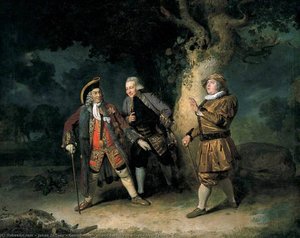
George III


Admire Johann Zoffany’s ‘George III,’ a stunning 1771 royal portrait showcasing the King's power & elegance. A historical masterpiece by a renowned artist, now available as a handmade oil painting.
 Vezi mai mult
"meta_description": "Johann Zoffany (1733-1810) a fost un pictor german-englez celebru pentru 'conversatioan piece'-uri, care surprind scene sociale și portrete regale. Celebre sunt Uffizi și portretul Regelui George al III-lea."
Giclée / Imprimare artistică
Printuri giclée sau pe canvas de calitate muzeală, cu proces de producție rapid și opțiuni flexibile de finisare. ( Comandă pictură realizată manual Comută pe Imagine Digitală)




P118B lei10

P118H lei10

P118W lei10

P438Z lei10

P508JH lei12

P508YH lei12

P805H lei10

P805Z lei10

P919BZ lei10

P919G lei10

P919XJ lei10

P959ZH lei10

P968JZ lei12

W106C lei8

W218G lei10

W218JH lei8

W218Y lei10

W307PJ lei10

W316G lei10

W316PJ lei8

W316Y lei10

W398PJ lei8

W4111J lei10

W500HY lei15

W500JH lei15

W692G lei12

W849H lei8

W940BG lei15

W953PJ lei8




Standard
personalizat
CM
INCH
Alegeți dintre dimensiunile noastre prestabilite, care respectă proporțiile originale ale operei de artă.
Loading sizes...

lățime
înălțime
Introduceți lățimea și înălțimea necesare pentru a se potrivi ramei sau peretelui dumneavoastră. O printare poate fi doar tăiată, niciodată extinsă dincolo de dimensiunea imaginii originale, astfel încât o dimensiune cu o formă diferită va pierde o parte din imagine. Vă trimitem o simulare digitală pentru aprobare înainte de a imprima orice. Imaginea afișată pe această pagină nu prezintă tăierea reală — doar simularea arată acest lucru.
Livrare în întreaga lume () în 2 săptămâni, în loc de cele 4/5 săptămâni standard. (9 Noiembrie)

Livrare expres gratuită la nivel mondial

Pânză de in de înaltă calitate

Asigurare completă pentru transport

Garanție de rambursare a taxelor vamale

Garanția fidelității culorilor

Politica de retur în 100 de zile (doar pentru defecte de fabricație)

Garanție de rambursare 100%

Ofertă pentru comenzi multiple
 Opțiunea cu sticlă este disponibilă doar pentru dimensiuni de sub 110 cm

George III
Giclée / Imprimare artistică
Dimensiune reproducere
-


Preț total calculat
lei 334
The Majesty of a King: An Exploration of Zoffany’s ‘George III’
Johann Zoffany's “George III” is more than just a portrait; it’s a meticulously constructed tableau vivant, a frozen moment brimming with historical significance and subtle theatricality. Completed in 1771, this oil on canvas painting offers a rare glimpse into the life of King George III during a period of profound political and personal upheaval. Zoffany, a German-born artist who found his most enduring success in England, masterfully blended elements of Italian portraiture with the burgeoning conventions of the ‘conversation piece’ – a genre that favored informal group settings and layered symbolism.
The painting immediately commands attention through its opulent setting. The King is seated within a richly appointed room, reminiscent of an Italian villa or a grand salon, complete with a meticulously rendered violoncello, a symbol of musical refinement and aristocratic leisure. However, the true brilliance lies in the details – the intricate patterns on the wallpaper, the carefully chosen objects adorning the walls, each contributing to a complex web of meaning. This isn’t merely a depiction of royalty; it's an assertion of power, a visual declaration of George III’s status as both a sovereign and a cultivated gentleman.
A Stage for Power: Symbolism and Context
Zoffany was acutely aware of the political climate surrounding his subject. George III inherited a throne beset by challenges – a fragile peace following the Seven Years' War, mounting debts, and growing tensions with the American colonies. The King’s posture, his gaze directed towards an unseen observer (often interpreted as a young boy), conveys a sense of both authority and vulnerability. He is dressed in the formal attire of a General, complete with medals and a sash – emblems of military prowess and royal rank. The inclusion of the Order of the Garter, one of the most prestigious chivalric orders in Britain, further reinforces his position as a key figure within the nation’s elite.
Beyond the obvious symbols of power, Zoffany employs subtle visual cues to suggest the complexities of George III's reign. The presence of the violoncello, for instance, is not simply decorative; it alludes to the King’s musical interests and his patronage of artists and musicians – a carefully cultivated image designed to project an aura of sophistication and refinement. The inclusion of a young boy in the painting has been interpreted as representing the future of the monarchy, but also perhaps hinting at the challenges George III faced in securing a legitimate heir.
Technique and Artistic Legacy
Zoffany’s skill lies not only in his ability to capture likenesses with remarkable accuracy but also in his masterful use of light and shadow. The dramatic lighting highlights the King's face, emphasizing his features and conveying a sense of gravitas. The artist employs a technique reminiscent of both Italian portraiture and Dutch genre painting, creating a rich, textured surface that is both visually engaging and historically informative. His attention to detail is astonishing – from the folds in the fabric to the reflections on the polished surfaces – demonstrating a deep understanding of his subject matter and a commitment to realism.
“George III” stands as one of Zoffany’s most celebrated works, alongside “Queen Charlotte and Her Six Eldest Children.” Reproductions of this iconic painting continue to captivate art lovers today, offering a window into the world of Georgian England and the complex personality of its King. The Royal Collection Trust holds the original, ensuring that this remarkable piece of history remains accessible for generations to come.
Further Information:
Întrebări și răspunsuri
Când a fost creată „George III” și la ce curent artistic aparține?
„George III” a fost creat în 1771, fiind o operă a mișcării Neoclassicism. Data și stilul ancorează lucrarea în istoria artei.
Cât de intense sunt culorile în "George III" de Johann Zoffany?
Culorile din "George III" de Johann Zoffany au o intensitate Monochromatic.
Ce subiect și ce atmosferă surprinde "George III" de Johann Zoffany?
"George III" de Johann Zoffany înfățișează portrait, royalty, british history, 18th century, military, formal, dignified, zoffany, într-o atmosferă Elegant. Subiectul și atmosfera definesc împreună opera.
Biografie artist
Johann Zoffany: Un artist al societății engleze și a intrigilor aristocratice
Johann Zoffany, un nume care rezonează cu eleganța și subtilitatea picturii de salon din secolul al XVIII-lea, nu era doar un artist; era un observator atent al societății engleze, un maestru al capturării momentelor spontane și al creării unor scene sociale complexe. Născut Johannes Josephus Zaufallij în Freiburg, Germania, în 1733, Zoffany a traversat o viață plină de aventuri artistice și sociale, lăsând în urmă un patrimoniu impresionant de opere care continuă să fascineze și astăzi. Moștenirea sa nu se rezumă la măiestria tehnică, ci și la capacitatea de a surprinde esența umană, interacțiunile sociale și dinamica puterii într-un mod unic.
Primii ani ai lui Zoffany au fost marcați de o educație artistică solidă. După un început ca ucenic al unui sculptor în Ellwangen, a studiat la regândirea stilului clasic italian sub îndrumarea lui Agostino Masucci în Roma. Această perioadă a fost crucială pentru formarea sa artistică, oferindu-i o bază tehnică impecabilă și o înțelegere profundă a principiilor de compoziție și culoare. Apoi, s-a mutat în Anglia, unde a găsit un nou mediu creativ și oportunități de a-și dezvolta stilul personal.
De la decorarea ceasurilor la pictura regală
Inițial, Zoffany s-a descurcat ca decorator de ceasuri pentru Stephen Rimbault din Londra, o activitate care i-a permis să își perfecționeze abilitățile tehnice și să acumuleze experiență în crearea de detalii fine. Cu toate acestea, ambițiile sale artistice l-au împins spre un teritoriu mai prestigios: pictura de portret. Rapid, a atras atenția familiei regale britanice, în special a Majestatei Sale Regale George al III și a Reginei Charlotte. Abilitatea lui Zoffany de a surprinde momentele informale, de a captura esența personalității și de a crea scene sociale vii i-a adus rapid recunoaștere.
Portretele sale regale, precum cele ale Majestatei Sale Regale George al III și a Reginei Charlotte, sunt considerate adevărate capodopere. Zoffany nu se mulțumea cu reprezentări formale și statice; el căuta să surprindă viața cotidiană a familiei regale, momentele de intimitate, conversațiile amuzante și interacțiunile dintre membrii familiei. Aceste portrete oferă o fereastră unică spre lumea aristocrației engleze din secolul al XVIII-lea.
Maestrul "Conversațiilor": O nouă formă de pictură
Zoffany a devenit renumit pentru "conversazioni" – genuri de picturi care au revoluționat peisajul artistic al vremii. Aceste opere nu erau simple portrete; ele reprezentau scene sociale complexe, adesea în locuri publice sau private, unde un grup de persoane se întâlnea și discuta. Zoffany excelează în captarea personalităților individuale, a interacțiunilor dintre personaje și a atmosferei generale a scenei. Lucrări precum *Familia Cope* (1775) sunt exemple perfecte ale acestui stil, oferind o perspectivă fascinantă asupra vieții și a obiceiurilor societății engleze de la sfârșitul secolului al XVIII-lea.
Zoffany nu se limita doar la pictura de portret și "conversazioni". A fost un observator atent al arhitecturii, peisajelor și evenimentelor istorice. Una dintre cele mai remarcabile realizări ale sale este *Tribuna Uffizi* (1772-1778), o reprezentare minuțioasă a Galeriei Uffizi din Florența. Această lucrare demonstrează măiestria lui Zoffany în detalii, compoziție și perspectivă, oferind o imagine detaliată și realistă a unei instituții culturale importante.
O călătorie exotică: India
În 1783, Zoffany s-a îndreptat spre est, către India, unde a petrecut următorii ani pictând portrete ale unor figuri influente din lumea indiană, inclusiv Warren Hastings și Asaf-ud-Daula. Această experiență l-a marcat profund, influențându-i stilul artistic și subiectele preferate. Portretele sale indiene sunt caracterizate de o atmosferă exotică, culori vibrante și o înțelegere aprofundată a culturii locale.
Moștenirea lui Zoffany
Johann Zoffany a fost un artist complex și fascinant, care a reușit să combine măiestria tehnică cu o sensibilitate artistică deosebită. Portretele sale regale, "conversazioni" și picturile indiene sunt considerate adevărate capodopere ale artei secolului al XVIII-lea. Moștenirea lui Zoffany nu se rezumă doar la operele sale artistice; el a contribuit semnificativ la înțelegerea societății engleze din acea perioadă, oferind o perspectivă unică asupra vieților și obiceiurilor aristocrației, ale intelectualilor și al oamenilor de rând. Zoffany rămâne un artist important, apreciat pentru contribuția sa la istoria artei și a culturii.

Johann Zoffany
1733 - 1810 , Germania
Detalii rapide
- Artistic Movement Or Style:
- Neoclassicism
- Realism
- Expressionism
- Artists Or Movements Influenced By This Artist:
- Zoffani painting
- 18th century art
- Conversation pieces
- Artists Who Influenced This Artist:
- Agostino Masucci
- Martin Speer
- Date Of Birth: 13 Mar. 1733
- Date Of Death: 11 Nov. 1810
- Full Name: Johann Zoffany
- Nationality: German
- Notable Artworks:
- Tribuna Uffizi
- Dr William Hunter
- George III
- Cope Family
- Colonel Mordaunt
- Place Of Birth: Frankfurt, Germania
Articole similare

Georges Seurat: Cele Mai Remarcabile 25 de Opere – Artă, Decorațiuni și Inspirație
Descoperă cele mai frumoase 25 de picturi ale lui Georges Seurat! Explorează arta Pointillismului, culorile vibrante și stilul unic al acestui maestru impresionist. Reproduceri de calitate superioară pentru decor interior rafinat pe TopImpressionists.com.

Sir George Clausen: Capturing Edwardian Life & British Impressionism's Nuances
Explore the luminous world of Sir George Clausen, a leading British Impressionist painter. Discover his captivating scenes of Edwardian life, rural England & poignant war art. Learn about his legacy and find high-quality reproductions at TopImpressionists.

George Stubbs: Anatomical Precision & Romantic Vision in 18th-Century British Art
Explore the captivating world of George Stubbs, the 18th-century master renowned for his anatomical precision & Romantic animal paintings. Discover his legacy and investment potential.

Johann Zoffany: Capturing Georgian Society with Brushstrokes of Cosmopolitan Flair
Explore the captivating world of Johann Zoffany, master portraitist of Georgian society. Discover his unique 'conversation pieces,' imperial commissions & lasting legacy. A guide for discerning collectors.

Georges Braque: Cele Mai Iconice 25 De Opere – Artă Modernă pentru Decorul Tău
Descoperă cele mai importante 25 de opere ale lui Georges Braque, pionier al cubismului! Explorează istoria, tehnicile și semnificația fiecărei picturi. Reproduceri artă de calitate muzeală pentru decorul tău pe TopImpressionists.com.
Explorați opere de artă organizate pe teme, stiluri și caracteristici.