

Prezentat: · Cu ramă:
 Previzualizare

 Trimite prin felicitare
 Distribuie
 Detalii despre lucrare
 Fișă informativă


 Descarcă imaginea
 Produse similare
 Radiografie
 Galerie foto
 Întrebări și răspunsuri

 Statistici
Flatford Mill (John Constable, 1817)

- 50.0 x 60.0 cm


Printuri pe canvas și artă fină de la lei239 pentru 28 x 36 cm
Reproducere pictată manual în ulei de la lei951
- Livrare gratuită în toată lumea, în 3-4 săptămâni
- Printuri rulate, livrate în 3-4 săptămâni
- Retur în 100 de zile, banii înapoi
- Evaluat 4.9/5 de către 241 clienți pe ArtShopReviews.com
lei 371
Giclée / Imprimare artistică
Printuri giclée sau pe canvas de calitate muzeală, cu proces de producție rapid și opțiuni flexibile de finisare. ( Ulei Impressionist Copia digitală
)
Tehnică și suport
 Citește mai mult
Varianta noastră economică: aceeași imagine imprimată pe o pânză de poliester de 260 g/m² în loc de bumbac, livrată rulată într-un tub prin poșta obișnuită în 3 până la 4 săptămâni. Doar rulată (fără întindere pe șasiu, fără ramă) și fără producție urgentă, pentru dimensiuni cu cel puțin o latură de 80 cm sau mai puțin. Cu aproximativ 30% mai ieftină decât printul pe pânză de bumbac.
Nu este disponibil pentru această dimensiune: cel puțin o latură trebuie să aibă 80 cm sau mai puțin.
Doar rulat: alege varianta rulată în tub pentru a selecta această tipografie.
Disponibil pentru dimensiuni cu ambele laturi de maximum 110 cm. Pentru dimensiuni mai mari, printul este realizat pe pânză de bumbac mată.
Amprenta pe canvas mat de conservare nu este disponibilă pentru această dimensiune: ambele laturi trebuie să aibă 110 cm sau mai puțin. Amprenta dumneavoastră va fi realizată pe canvas din bumbac mat.
Opțiunea cu sticlă este disponibilă doar pentru dimensiuni de sub 110 cm
Dimensiune
·Alegeți dintre dimensiunile noastre prestabilite, care respectă proporțiile originale ale operei de artă.
Se încarcă dimensiunile...

lățime
înălțime
Introduceți lățimea și înălțimea necesare pentru a se potrivi ramei sau peretelui dumneavoastră. O printare poate fi doar tăiată, niciodată extinsă dincolo de dimensiunea imaginii originale, astfel încât o dimensiune cu o formă diferită va pierde o parte din imagine. Vă trimitem o simulare digitală pentru aprobare înainte de a imprima orice. Imaginea afișată pe această pagină nu prezintă tăierea reală — doar simularea arată acest lucru.
Standard
personalizat
CM
INCHI
Finalizare
·
Alb lei1

Margini difuze lei1

Extins lei1

P118B lei10

P118H lei10

P118W lei10

P438Z lei10

P508JH lei12

P508YH lei12

P805H lei10

P805Z lei10

P919BZ lei10

P919G lei10

P919XJ lei10

P959ZH lei10

P968JZ lei12

W106C lei8

W218G lei10

W218JH lei8

W218Y lei10

W307PJ lei10

W316G lei10

W316PJ lei8

W316Y lei10

W398PJ lei8

W4111J lei10

W500HY lei15

W500JH lei15

W692G lei12

W849H lei8

W940BG lei15

W953PJ lei8
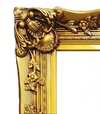
H24-GOLD lei30
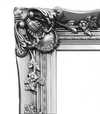
H24-SILVER lei30
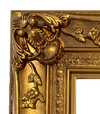
H36-GOLD lei70
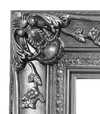
H36-SILVER lei70
Expediat într-un tub protector, gata pentru montarea la propria ramă.
Servicii suplimentare
opționalCe includ extrasele?
Livrare în întreaga lume () în 2 săptămâni, în loc de cele 4/5 săptămâni standard. (27 Decembrie)
Producția urgentă și livrarea prin curier rapid nu sunt disponibile pentru tipul de print poly-canvas Economy, care este expediat prin poșta obișnuită.
Lac de protecție
Etichetă de prezentare
Detalii plăcuță din bronz gravat
Această plăcuță elegantă conține numele artistului și titlul operei, fiind gravate cu finețe pentru o prezentare atemporală.
Este realizată din bronz, cu un finisaj rafinat și elegant. Textul este gravat precis cu laser pentru un rezultat clar și permanent. Cu dimensiuni de 9x2 cm, plăcuța este compactă, dar ușor de citit. Este concepută pentru a fi durabilă și rezistentă la zgârieturi, oferind un aspect profesional, de calitate muzeală. Montarea este simplă, datorită suportului adeziv inclus.
Detalii plăcuță din acril transparent
Placa include detalii esențiale gravate, precum numele artistului, titlul operei, data creării, tipul de suport utilizat – precum ulei pe pânză sau acuarelă –, o scurtă descriere a piesei și un cod QR care trimite către informațiile complete despre operă.
Este realizată din acrilic transparent, oferind un aspect elegant și modern. Textul este gravat prin tehnologie UV, în culoarea neagră, pentru a asigura un contrast vizual puternic. Cu dimensiuni de 10x15 cm, aceasta garantează o lizibilitate optimă. Este echipată cu două cârlige metalice pentru o montare sigură pe perete. Placa este concepută pentru a rezista la intemperii, fiind potrivită pentru diverse medii, și include funcții interactive care funcționează perfect prin scanarea cu smartphone-ul.
Detalii placă din acril negru
Această plăcuță elegantă include informații gravate, precum numele artistului, titlul operei, data creației, tipul de suport utilizat (precum ulei pe pânză sau acuarelă), o scurtă descriere a lucrării și un cod QR pentru acces rapid la mai multe informații.
Placa este realizată din acrilic negru rafinat, cu finisaj premium. Textul este gravat cu laser în alb pentru un contrast ridicat și o lizibilitate sporită. Dimensiunea sa este de 10x15 cm, fiind concepută pentru a fi ușor de citit. Este livrată cu două cârlige metalice pentru o montare profesională. Designul este elegant și se potrivește oricărui stil de interior. De asemenea, este rezistentă la intemperii și durabilă, având integrare digitală pentru compatibilitate cu dispozitivele mobile.
Opțiunea cu sticlă este disponibilă doar pentru dimensiuni de sub 110 cm
 Opțiunea cu sticlă este disponibilă doar pentru dimensiuni de sub 110 cm
- Livrare gratuită în toată lumea, în 3-4 săptămâni
- Pânză de in de înaltă calitate
- Asigurare completă pentru transport
- Garanție de rambursare a taxelor vamale
- Garanția fidelității culorilor
- Retur în 100 de zile, banii înapoi
- Garanție de rambursare 100%
- Ofertă pentru comenzi multiple


Flatford Mill: John Constable și momentul Romanticism
A tranquil river scene with boats and a horse by the water's edge, rendered with thick impasto to capture the shifting light of the Stour Valley.
John Constable: biografie
Moartea Mariei din cauza tuberculozei l-a determinat să se îmbrace în negru și să picteze peisajele expresive ale ultimilor sale ani.
Detalii despre opera de artă
Identification of Flatford Mill by John Constable
Flatford Mill is an 1817 landscape painting by the British artist John Constable. This work offers a view of the mill located in East Bergholt on the River Stour. It is also known by the subtitle Scene on a Navigable River. The scene captures a specific moment in the rural landscape of the Stour Valley, focusing on the quiet activity surrounding the water's edge.
The painting was first presented to the public when it was displayed at the Royal Academy's Summer Exhibition at Somerset House in 1817. At that time, it established the artist's interest in the specific topography of his home region. The composition centers on the mill and the river, providing a detailed look at the relationship between the water and the surrounding land.
The Composition and Visual Elements
The composition pulls you into a world of lush greens and reflective waters. At the heart of the scene, the calm, reflective waters of the river act as a mirror to the lush, verdant banks. This interplay of light and liquid creates a sense of depth that draws the eye toward the center of the work. A moored boat and distant figures provide a gentle human connection to the vastness of the Suffolk countryside, grounding the landscape in a quiet, lived-in reality.
Several individuals stand near the water's edge, their presence adding a subtle layer of activity to the peaceful scene. On the left side of the image, a horse is positioned near the bank, its form integrated into the pastoral setting. Two boats are visible in the water; one is situated towards the center, while another rests slightly to the right. These elements, combined with the rhythmic presence of the river, establish a sense of harmony within the rural environment.
Technique and Artistic Materials
In this oil on canvas, one can sense the methodical preparation that preceded the final application of paint. Before committing to the large-scale composition, the artist relied on a foundation of oil sketches, graphite drawings, and watercolour studies. This disciplined approach allowed for a careful arrangement of the landscape's complexities. The resulting work possesses a physical weight, achieved through the use of thick impasto to build up texture across the surface. This tactile quality gives the river and the earth a sense of movement and life.
There is a particular luminosity in the way the light interacts with the water and the sky. This effect is achieved through the painstaking layering of thin glazes of paint. Such a technique allows light to penetrate the surface, creating an illusion of shimmering luminescence that mimics the shifting atmosphere of the Stour Valley. It is a quiet, deliberate mastery of light and shadow.
Historical Ownership and Collections
The provenance of this work is deeply connected to the artist's own legacy. It was eventually included as part of the Constable Bequest in 1888, ensuring its place within the public consciousness. This transition from private hands to a permanent collection secured its survival for future generations to study.
Today, the painting is held within the collection of Tate Britain. It is also part of the holdings at the Tate Gallery in London. These institutions maintain the work as a significant part of their English landscape holdings. Additionally, the National Trust holds a connection to the work through its stewardship of the surrounding landscapes and properties.
Related Works by John Constable
To understand the evolution of this artist, one might look toward his earlier explorations of the Stour Valley. In 1815, he produced Boat-building near Flatford Mill, a work that captures the rhythmic sounds of craftsmanship against a quiet river setting. This piece reflects his deep connection to the local landscape and the dignity of rural labor. It is a quiet study of the textures found in the Suffolk countryside.
His later compositions often expanded in scale and ambition. He moved toward larger canvases, such as The Hay Wain from 1821, which remains one of his most recognized depictions of the river. Other significant works include The Cornfield (1826) and The Lock (1824), both of which continue his investigation into the interplay of light and water. He also turned his attention to more architectural subjects, such as Salisbury Cathedral from the Meadows in 1831.
- Boat-building near Flatford Mill (1815)
- The Hay Wain (1821)
- The Lock (1824)
- The Cornfield (1826)
- Salisbury Cathedral from the Meadows (1831)
Where to See This Masterpiece Today
If you wish to experience the subtle shifts of light and the texture of the River Stour in person, you will find this work held within the collections of the Tate Gallery in London. It is part of the permanent collection at Tate Britain, where the painting is kept for public viewing. The work remains a significant part of the Tate Britain collection, allowing visitors to observe the specific impasto and the atmospheric perspective that Constable achieved in 1817.
The painting is situated in London, United Kingdom. It is housed within the Tate Gallery, London, providing a quiet space to study the relationship between the water and the sky. Being part of the Tate Britain collection, it is accessible to those who appreciate the nuances of the Romantic tradition in a museum setting.
Întrebări și răspunsuri
Această reproducere a lucrării Flatford Mill este pictată manual sau este tipărită?
Tipărit: Flatford Mill este reprodus sub formă de print giclée pe pânză de bumbac sau pe hârtie de pânză arhivistică Epson.
Ce dimensiune ar trebui să aleg pentru Flatford Mill?
Dimensiunile originalului sunt 50 x 60 cm. Dimensiunile variază de la 28.2 x 35.5 cm (lei239) la 192.6 x 242.9 cm (lei2165); tabelul de pe această pagină prezintă principalele variante de dimensiuni și prețurile acestora.
Cât durează livrarea?
Printurile rulate în tub sunt trimise gratuit prin poșta obișnuită și ajung în 3-4 săptămâni; printurile întinse pe șasiu sau înramate necesită 4-5 săptămâni. Livrarea prin curier rapid este disponibilă doar prin opțiunea de Livrare Express, contra cost, oferită pe această pagină. Puteți returna produsul în termen de 100 de zile pentru rambursarea integrală, fără nicio condiție.
Ce tehnică a folosit John Constable pentru Flatford Mill?
Oil On Canvas
Informații rapide și quiz despre artă
Despre John Constable

John Constable
1776 - 1837, Regatul Unit
Despre John Constable: viață, opere și biografie
Informații rapide despre John Constable
- Artistic Movement Or Style: Romantism
- Artists Or Movements Influenced By This Artist: ['Școala de la Barbizon']
- Artists Who Influenced This Artist: ['Claude Lorrain']
- Date Of Birth: 1776
- Date Of Death: 1837
- Full Name: John Constable
- Nationality: Britanic
- Notable Artworks:
- The Hay Wain
- Hadleigh Castle
- Salisbury Cathedral from the Meadows
- Netley Abbey
- Place Of Birth: East Bergholt, Regatul Unit al Marii Britanii și Irlandei
Opere similare
Piesele care rezonează cu lumina, paleta și atmosfera acestei picturi.


Explorați opere de artă organizate pe teme, stiluri și caracteristici.


John Constable
Flatford Mill
() ·
Cu ramă: ·
Total