


 Vezi în context
 Trimite
 Distribuie
 Detalii
 Ghidul

 Descarcă
 Produse similare
 Radiografie
 Diaporama
 Statistici
McSorley


Experience John Sloan's iconic 'McSorley’s Bar,' a vibrant 1912 oil painting capturing NYC nightlife & the Ashcan School movement. A timeless depiction of urban life, now available as a limited-edition print.
 Citește mai mult
John Sloan (1871-1951) a fost un pictor american esențial al Școlii Ashcan, renumit pentru scenele sale realiste și pline de viață din New York, capturând viața cotidiană și luptile clasei muncitoare. Stilul său unic combină observația atentă cu o estetică expresionistă, lăsând o amprentă durabilă în arta americană.
Giclée / Imprimare artistică
Printuri giclée sau pe canvas de calitate muzeală, cu proces de producție rapid și opțiuni flexibile de finisare. ( Comandă pictură realizată manual Treci la imagine digitală)




P118B lei10

P118H lei10

P118W lei10

P438Z lei10

P508JH lei12

P508YH lei12

P805H lei10

P805Z lei10

P919BZ lei10

P919G lei10

P919XJ lei10

P959ZH lei10

P968JZ lei12

W106C lei8

W218G lei10

W218JH lei8

W218Y lei10

W307PJ lei10

W316G lei10

W316PJ lei8

W316Y lei10

W398PJ lei8

W4111J lei10

W500HY lei15

W500JH lei15

W692G lei12

W849H lei8

W940BG lei15

W953PJ lei8




Dimensiuni standard
personalizat
CM
INCH
Alegeți dintre dimensiunile noastre prestabilite, care respectă proporțiile originale ale operei de artă.
Loading sizes...

lățime
înălțime
Introduceți lățimea și înălțimea de care aveți nevoie, pentru a se potrivi ramei sau peretelui dumneavoastră. O printare poate fi doar tăiată, niciodată extinsă dincolo de dimensiunea imaginii originale, astfel încât o dimensiune cu o formă diferită va pierde o parte din imagine. Vă trimitem o simulare digitală pentru aprobare înainte de a imprima orice. Imaginea afișată pe această pagină nu prezintă tăierea reală — doar simularea arată acest lucru.
Livrare în întreaga lume () în 2 săptămâni, în loc de cele 4/5 săptămâni standard. (24 Octombrie)

Livrare expres gratuită la nivel mondial

Pânză de in premium

Asigurare completă pentru transport

Garanție de rambursare a taxelor vamale

Garanția fidelității culorilor

Politica de retur în 100 de zile (doar pentru defecte)

Garanție de rambursare 100%

Reducere pentru comenzi multiple
 Opțiunea cu sticlă este disponibilă doar pentru dimensiuni de sub 110 cm

McSorley
Giclée / Imprimare artistică
Dimensiune reproducere
-


Preț total
lei 319
A Glimpse into the Grit and Glamour of Chelsea
John French Sloan’s “McSorley’s Bar,” painted in 1912, isn’t merely a depiction of a New York City tavern; it's a meticulously observed snapshot of an era – the dawn of the Ashcan School movement and the burgeoning social consciousness of early 20th-century America. The painting captures a specific moment within McSorley’s Old Ale House, a Chelsea institution that remains remarkably unchanged today, offering a tangible link to the past. Sloan wasn't interested in romanticizing urban life; instead, he presented it with unflinching honesty, revealing the quiet dramas and everyday interactions unfolding within this working-class establishment.

(Image source: Wikimedia Commons)
The Ashcan School and a Realist Vision
Sloan’s work is inextricably linked to the Ashcan School, a group of American artists who rejected the idealized portrayals favored by academic art traditions. Instead, they focused on depicting the realities of urban life – poverty, labor, and the often-overlooked experiences of ordinary people. Sloan's meticulous attention to detail—the worn surfaces of the tables, the flickering gaslight, the expressions on the faces of the patrons—is a hallmark of this movement. He wasn’t aiming for grand narratives; he sought to capture the essence of a specific place and time through careful observation and skillful rendering.
The painting's composition is deliberately understated, yet powerfully evocative. Sloan employs a muted color palette – predominantly browns, grays, and ochres—to create a sense of realism and atmosphere. The lighting is dramatic, casting long shadows that emphasize the depth and texture of the scene. Notice how he uses loose brushstrokes to convey movement and energy, capturing the lively conversations and casual interactions among the men at the bar.
Symbolism in the Details
Beyond its immediate depiction of a bar scene, “McSorley’s Bar” is rich with symbolic details. The numerous clocks on the wall are not simply decorative; they represent the relentless passage of time and the pressures of urban life. The worn furniture and simple decor speak to the hardscrabble existence of many of the patrons. Even the arrangement of bottles and glasses suggests a sense of familiarity and routine. The inclusion of two books in the background hints at a desire for intellectual pursuits amidst the everyday hustle, suggesting that this bar was more than just a place for drinking; it was also a gathering spot for those seeking respite and conversation.
A Timeless Portrait of Chelsea
“McSorley’s Bar” remains remarkably relevant today. It's a poignant reminder of the enduring spirit of New York City, its vibrant neighborhoods, and the people who have shaped it. The painting offers a glimpse into a bygone era, inviting us to reflect on the complexities of urban life and the importance of preserving our cultural heritage. Reproductions of this iconic work continue to resonate with collectors and interior designers alike, offering a touch of authentic New York history and artistic brilliance to any space.
Întrebări și răspunsuri
Din ce este realizată "McSorley" și în ce stil?
În "McSorley", tehnica Oil On Canvas întâlnește mișcarea Ashcan School.
„McSorley” este mai degrabă o lucrare luminoasă sau întunecată în ansamblu?
"McSorley" are deep_shadow în întregime, iar luminozitatea sa este Dark.
Cine a creat "McSorley"?
Artistul din spatele operei „McSorley” este John French Sloan. Lucrarea este catalogată sub numele lui John French Sloan.
Biografie artist
Early Life and Artistic Awakening
John French Sloan, născut pe 2 august 1871, în Lock Haven, Pennsylvania, a ieșit dintr-o viață umilă care a modelat profund viziunea sa artistică. Copilăria sa a fost marcată de o nevoie familială de sprijin; dificultățile financiare ale tatălui său au impus lui John să își asume responsabilități dincolo de vârsta sa, contribuind la gospodărire și ajutând la susținerea familiei. Această expunere timpurie la realitățile vieții muncitoare – un univers adesea ignorat de cercurile artistice consacrate – a devenit o caracteristică definitorie a operei sale. S-a mutat cu familia în Philadelphia, unde și-a perfecționat abilitățile inițial nu prin instruire academică formală, ci ca contabil asistent la Porter and Coates, o librărie plină de tipoare și ilustrații. Acest mediu s-a dovedit a fi formativ; i-a permis să studieze maeștri precum Dürer și Rembrandt, cultivând o apreciere profundă pentru tehnicile de gravură și draftsmanship. Aici, în mijlocul comerțului cu imagini tipografice, Sloan a început să creeze propria sa artă, dezvoltând discret un stil înrădăcinat în observație și detaliu meticuloș. Lucrarea sa timpurie nu a fost născută din privilegiu sau ocazie, ci din necesitate și ochi perspicace pentru lumea din jurul său – o fundație pe care a construit-o cu succes o carieră remarcabilă.The Ashcan School and Urban Realism
Traiectul lui Sloan s-a schimbat dramatic prin întâlnirea sa cu Robert Henri, un pictor carismatic care pleda pentru independența artistică și angajamentul de a reprezenta viața cotidiană. Această conexiune l-a adus în centrul ceea ce a devenit cunoscut sub numele de Ashcan School – un grup de artiști dedicați reprezentării realităților sumbre ale New York-ului la începutul secolului XX. Alături de William Glackens, George Luks, Everett Shinn și alții, Sloan a respins peisajele idealizate și portretele favorite de către mulți contemporani, concentrându-și atenția asupra străzilor aglomerate, a locuințelor supraaglomerate și a vieții sociale vibrante din cartierele mai sărace ale orașului. Lucrarea sa a devenit un jurnal vizual al acestui univers adesea ignorat – capturând scene de la McSorley’s Bar până la femei care uscă părul pe acoperișuri. Sloan nu documenta doar; el imbua aceste scene cu un sentiment de empatie și demnitate, ridicând viețile oamenilor comuni în fața pânzei. Deține o capacitate uimitoare de a surprinde esența vieții de cartier, gesturile subtile și momentele fugare care dezvăluiau caracterul unui loc și al locuitorilor săi. Această angajament față de realism nu era doar estetic; el era, de asemenea, influențat de tendințele sale socialiste, deși a menținut întotdeauna o distincție între arta sa și credințele sale politice.Style and Influences
Stilul artistic al lui Sloan este caracterizat printr-un amestec distinctiv de influențe. Deși înrădăcinat în realism, lucrarea sa nu era lipsită de nuanțe stilistice. A folosit nuanțe întunecate și bogate – adesea subliniind contrastul dintre lumină și umbră – pentru a crea un sentiment de dramă și atmosferă. Compozițiile sale erau construite cu grijă, utilizând adesea diagonale puternice pentru a atrage privirea spectatorului în scenă. Influența gravurii este evidentă în linia sa precisă și atenția la detalii, chiar și în picturi. Dincolo de Henri, Sloan s-a inspirat din maeștri europeni precum Edgar Degas și Honoré Daumier, admirându-le capacitatea de a surprinde mișcarea și comentariul social. Cu toate acestea, a modelat o voce americanică unică, una care rezonă cu energia și dinamismul New York-ului. Lucrarea sa nu era despre narațiuni mari sau evenimente istorice; era despre momentele mici, experiențele cotidiene care constituiau țesătura vieții urbane. A găsit frumusețe în banal, transformând scene obișnuite în opere de artă convingătoare. Wake of the Ferry, de exemplu, exemplifică capacitatea sa de a imbui o scenă aparent simplă cu profunzime emoțională și simbolism.Legacy and Lasting Impact
Moștenirea lui John French Sloan se extinde dincolo de contribuțiile sale la Ashcan School. A fost un artist prolific care a lucrat în diverse medii – pictură, gravură, litografie, desen – și a explorat constant teme legate de viața urbană, justiția socială și conexiunea umană. Angajamentul său față de reprezentarea realităților vieții muncitoare a deschis drumul pentru generațiile viitoare de artiști care au căutat să sfideze normele artistice convenționale și să se implice în problemele sociale. A fost un profesor dedicat, împărtășind cunoștințele și pasiunea sa cu numeroși studenți pe parcursul carierei sale. Chiar dacă gusturile artistice au evoluat, Sloan a rămas fidel viziunii sale, continuând să picteze scene care reflectau conexiunea sa profundă cu New York-ul și locuitorii săi. Lucrarea sa continuă să rezoneze astăzi, oferind o privire poignantă asupra unei ere apuse și ne amintindu-ne de puterea durabilă a artei de a ilumina condiția umană. Pânzele sale nu sunt doar documente istorice; ele sunt portrete atemporale ale vieții, iubirii și pierderii. Influența lui Sloan poate fi văzută în operele generațiilor ulterioare de pictori realist și continuă să inspire artiștii care caută să găsească frumusețe și sens în lumea cotidiană.
John French Sloan
1871 - 1951 , Statele Unite ale Americii
Informații rapide
- Artistic Movement Or Style: Ashcan School, Realism
- Artists Or Movements Influenced By This Artist: ['Generații viitoare de artiști']
- Artists Who Influenced This Artist: ['Robert Henri']
- Date Of Birth: 2 aug. 1871
- Date Of Death: 7 sept. 1951
- Full Name: John French Sloan
- Nationality: American
- Notable Artworks:
- A mechanical Baa-Baa!
- Fall of the Greenwich Village Bastille
- Place Of Birth: Lock Haven, USA
Articole conexe

Capturing the Light: A Journey Through the Soul of American Impressionism and the Hudson River School
Explore the luminous beauty of American Impressionism and the Hudson River School. Discover a curated journey through light, landscape, and history, celebrating the enduring legacy of masters through exquisite, hand-painted oil reproductions for the discerning art lover.
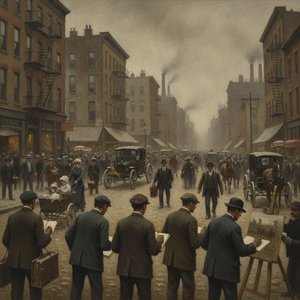
The Ashcan School: Capturing the Raw, Unfiltered Soul of Urban Life through American Realism
Discover the raw beauty of the Ashcan School. Explore how masters like Bellows and Henri captured the gritty, vibrant soul of early 20th-century New York through profound American Realism and evocative urban landscapes.

The Unvarnished Truth: A Cultural Journey Through the Soul of American Realism
Explore the profound beauty of American Realism. From the Ashcan School's urban grit to intimate portraits, discover how artists captured the authentic soul of a nation through unvarnished truth and masterful observation.
Explorați opere de artă organizate pe teme, stiluri și caracteristici.
